
Owl Farm case study - Environment plan
Whenua
Farm environment plan
Farm planning
On-farm actions
Follow how Owl Farm's environment plan guides its land, water and effluent management.
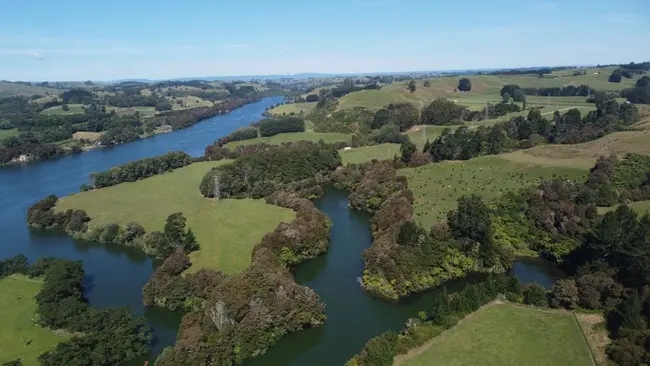
This page from Owl Farm, a demonstration dairy farm in the Waikato, covers where its water comes from and how it tracks and reduces use in the dairy shed. It explains the telemetered metering it uses to split out shed water from stock drinking water, and the pump and nozzle upgrades that have cut shed water use.
The page also gives the cost of water purchased under the farm's resource consent and the efficiency target it is working towards for shed use per cow.
Follow how Owl Farm's environment plan guides its land, water and effluent management.
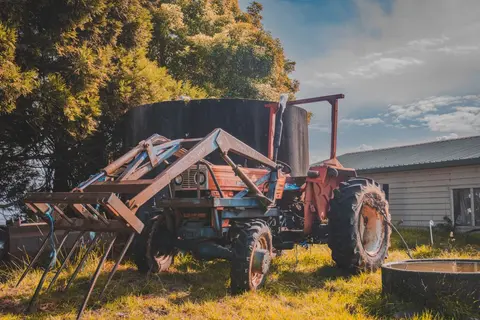
Explore how Owl Farm has lowered nitrogen fertiliser use and modelled nitrogen loss.
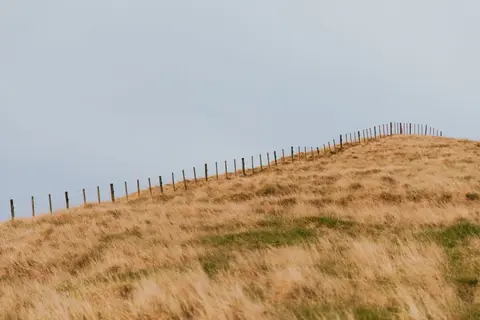
Discover how Owl Farm tests and protects its soil's physical, chemical and biological health.
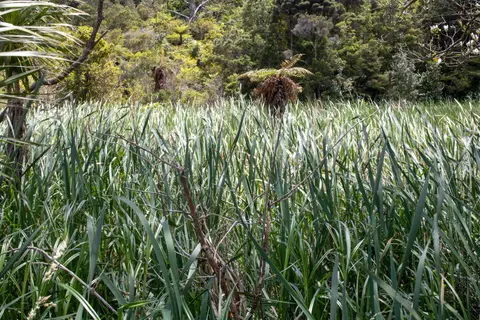
See how Owl Farm's constructed wetland strips nitrogen and sediment from farm runoff.
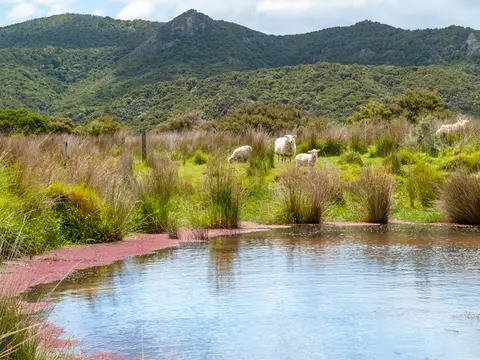
An online learning module that explains everything you need to know about stock water management.
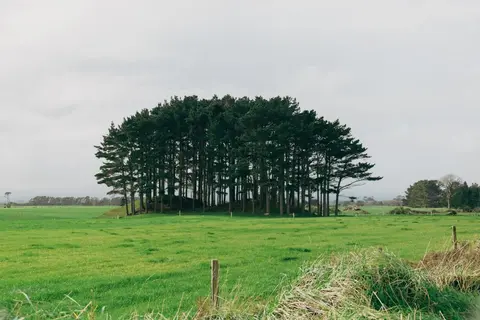
Read how Owl Farm cools its herd through hot Waikato summers with shade and sprinklers.
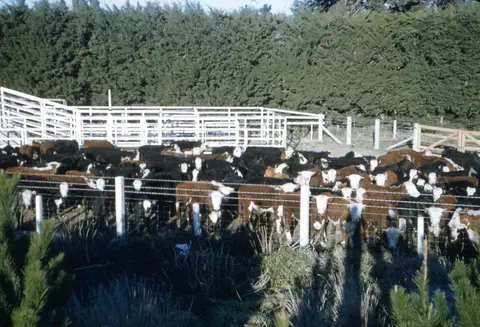
Find out how Owl Farm tracks tail damage in its herd to protect cow welfare.
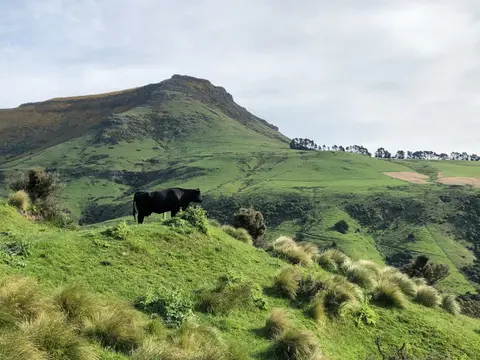
Learn how Owl Farm halved its lameness rate by changing yard flow and race care.
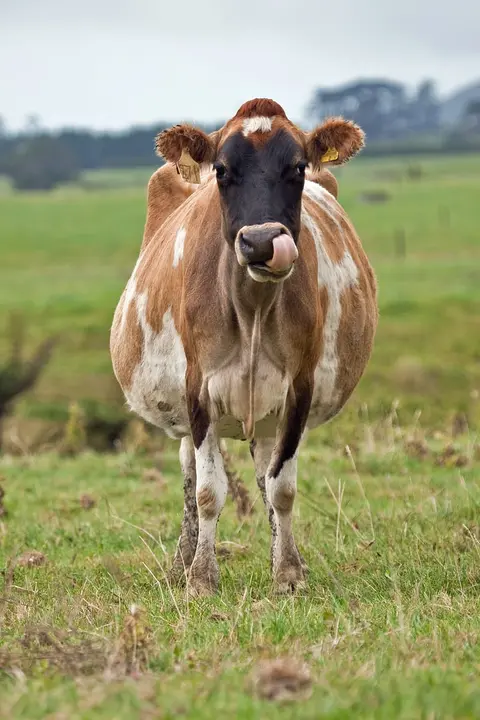
Track how a Waikato demonstration farm lifts its 6-week in-calf rate each season.
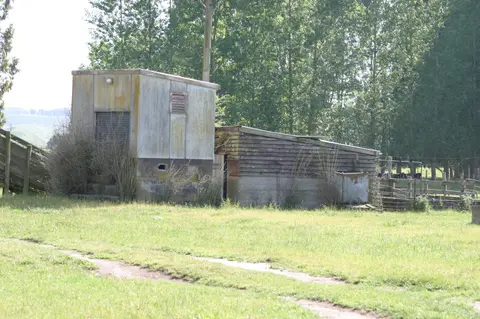
See what keeps Owl Farm's alert, grade and demerit counts falling.
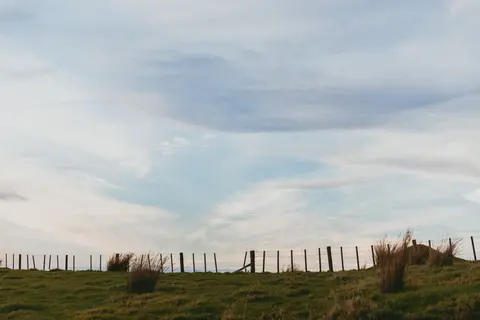
Learn how feed budgets keep pasture cover and cow condition on target.
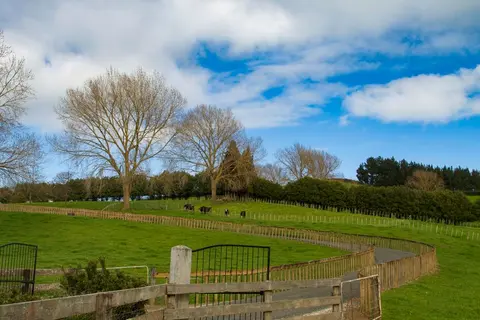
Learn how Owl Farm cut biological greenhouse gas emissions over a ten year period.
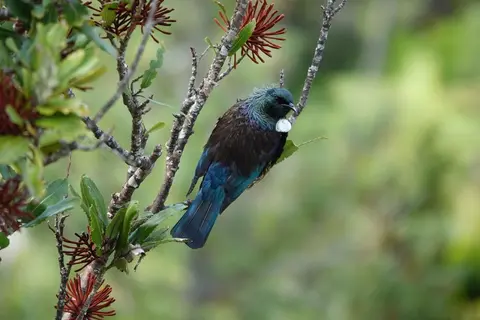
Track the native species and planting programme behind Owl Farm's biodiversity.
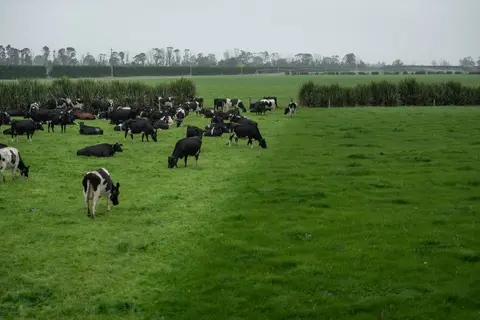
Review how fertiliser and grazing rotations are matched to feed demand.
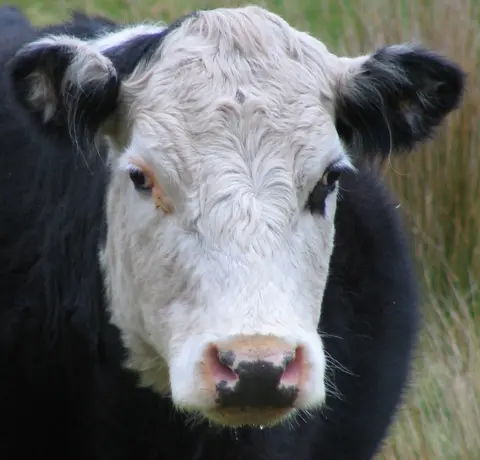
See how Owl Farm builds a seasonal well-being plan for its dairy herd with local vets.
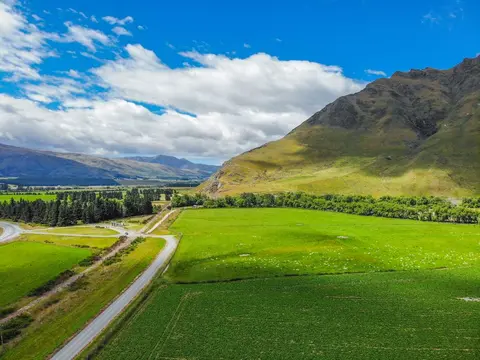
Discover which paddocks grow the most feed and why some fall short.
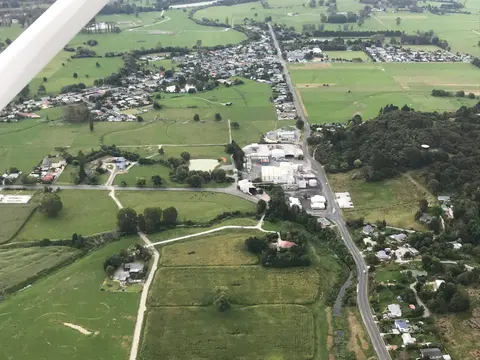
Compare season milksolids results against Owl Farm's production targets.
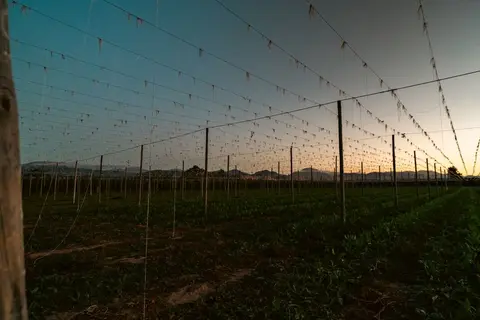
Find out how brassica crops are grown to fill the summer feed gap.
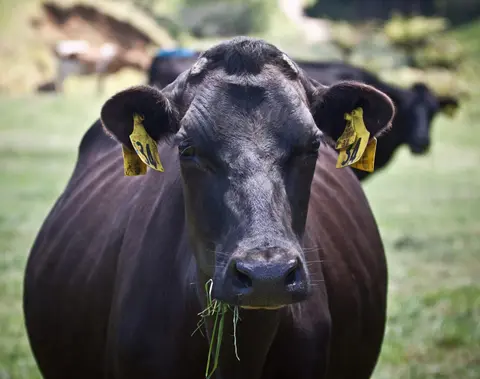
Read how genetic selection keeps Owl Farm's herd among the nation's best.
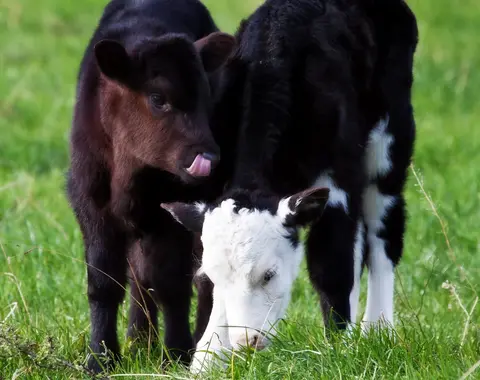
Explore how replacement calves are reared and grown out to entry weight.
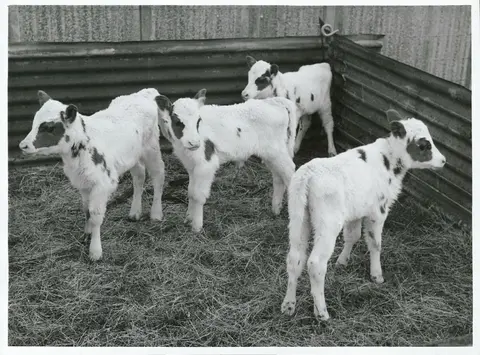
Follow how Owl Farm cut bobby calf numbers through colostrum care and dairy beef.
Discover how Owl Farm keeps mastitis cases and cell counts down in its herd.
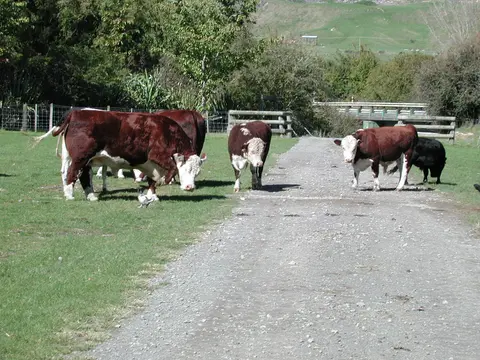
Explore how Owl Farm scores body condition through the season to guide feeding.