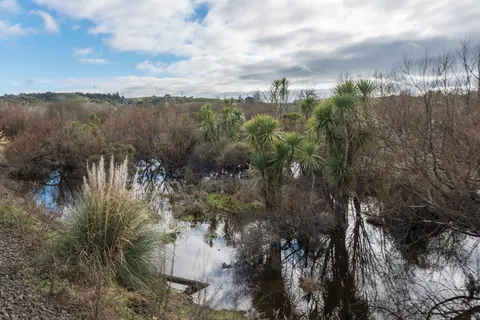
Constructed wetlands to reduce contaminant loss from pastoral farms
Whenua
Biodiversity
Dairy
Erosion
Water
Learn how constructed wetlands treat farm runoff by removing sediment, nitrogen, and phosphorus.
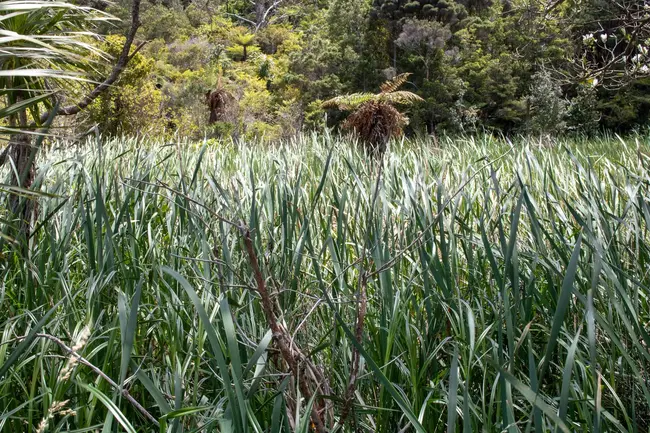
This page from Owl Farm, a demonstration dairy farm in the Waikato, covers the constructed and natural wetlands it uses to clean water before it reaches the Waikato River. The farm built a wetland in 2016 alongside its two existing natural wetlands, and NIWA monitored inflows and outflows between 2017 and 2020 to measure how well it works.
The monitoring found meaningful cuts in nitrate, total nitrogen, phosphorus and suspended solids passing through the wetland. The page explains how the plants and microbes inside a wetland filter these contaminants and sequester carbon along the way.
Photo: “Raupō in swamp, Kauri Point Centennial Park” by Bjankuloski06, licensed for reuse under CC BY 4.0
Learn how constructed wetlands treat farm runoff by removing sediment, nitrogen, and phosphorus.
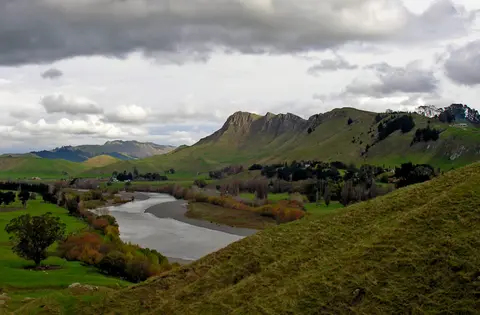
The first of the Tukituki sub-catchment groups, with a large wetland built to measure what it removes.
Find out how climate change could shift sediment loads in your local rivers.
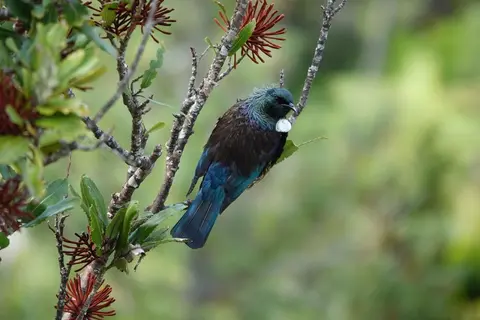
Track the native species and planting programme behind Owl Farm's biodiversity.
Explore how Owl Farm has lowered nitrogen fertiliser use and modelled nitrogen loss.
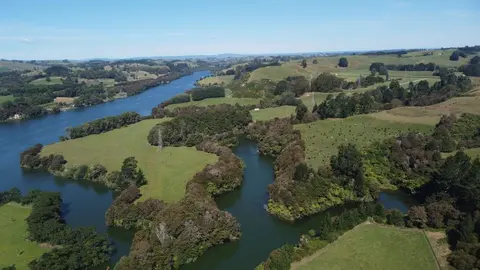
Find out how Owl Farm measures and reduces water use in its dairy shed.
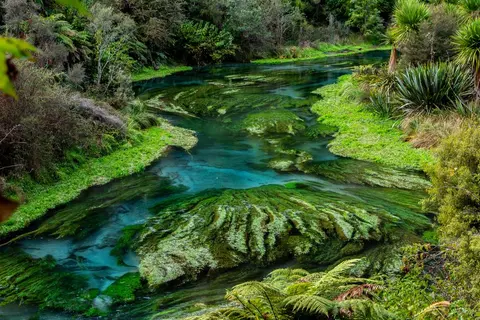
Follow how Owl Farm's environment plan guides its land, water and effluent management.
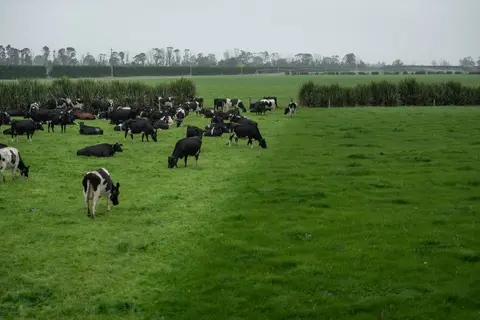
Review how fertiliser and grazing rotations are matched to feed demand.
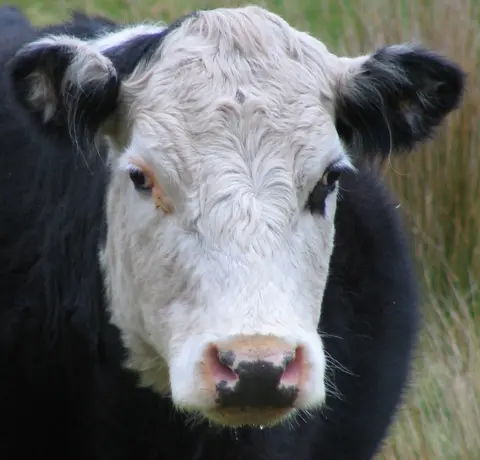
See how Owl Farm builds a seasonal well-being plan for its dairy herd with local vets.
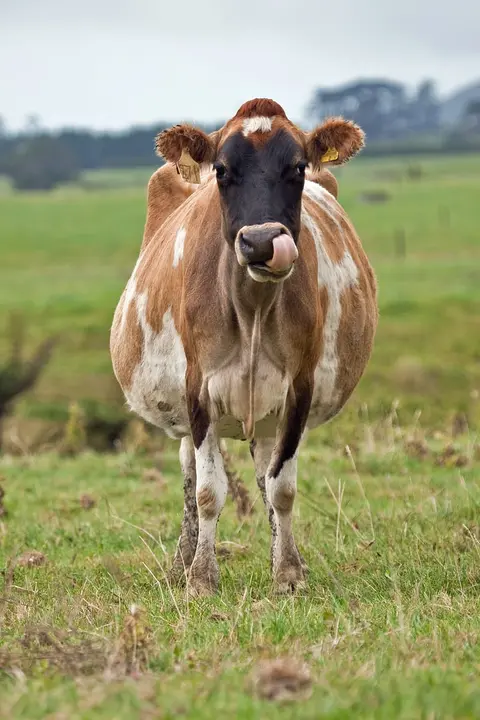
Track how a Waikato demonstration farm lifts its 6-week in-calf rate each season.
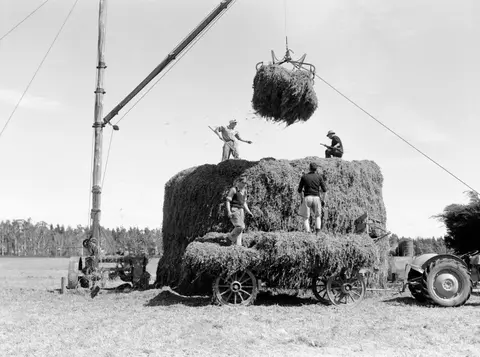
Check how imported feed is used strategically to lift milk from pasture.
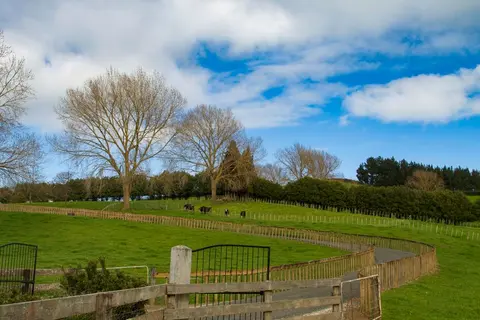
Learn how Owl Farm cut biological greenhouse gas emissions over a ten year period.
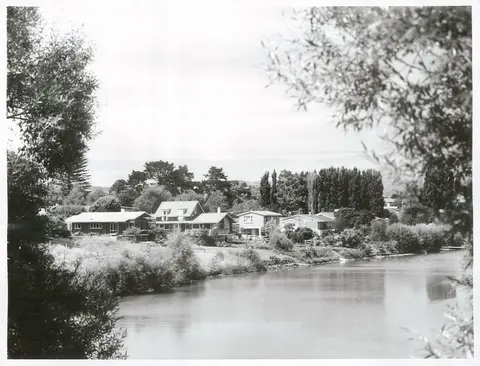
A project to restore the Waimatā River, focusing on ecology and community involvement.
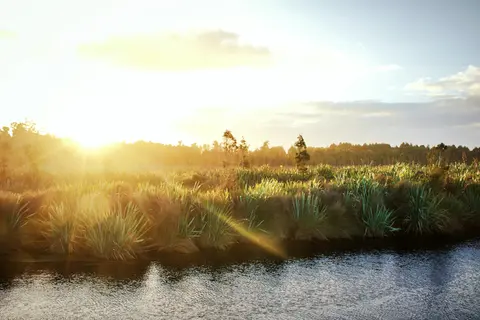
Learn how to plant and restore wetlands in New Zealand for better ecosystems.
Compare season milksolids results against Owl Farm's production targets.
See what keeps Owl Farm's alert, grade and demerit counts falling.
Learn how feed budgets keep pasture cover and cow condition on target.
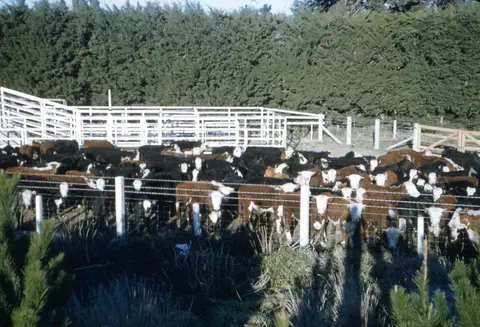
Find out how Owl Farm tracks tail damage in its herd to protect cow welfare.
Read how Owl Farm cools its herd through hot Waikato summers with shade and sprinklers.
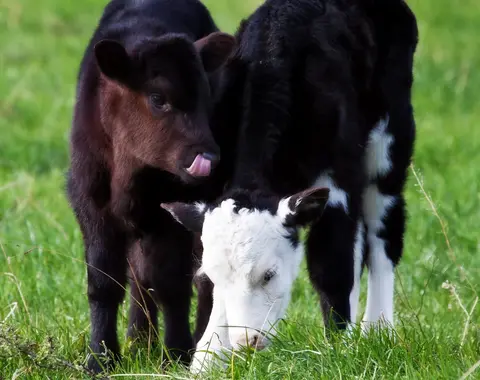
Explore how replacement calves are reared and grown out to entry weight.
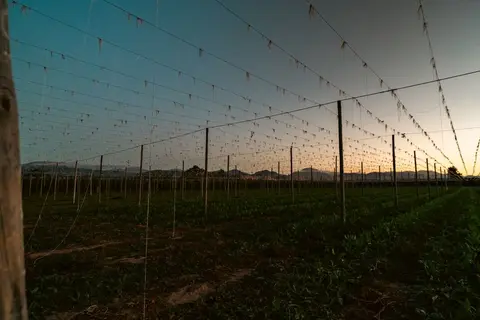
Find out how brassica crops are grown to fill the summer feed gap.
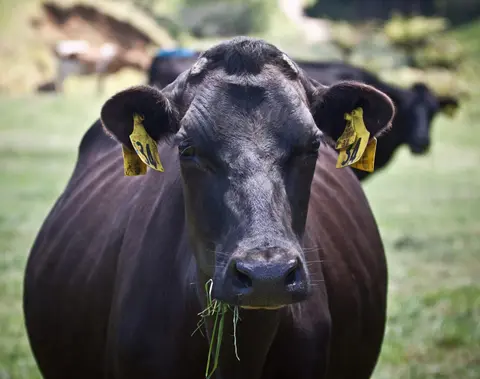
Read how genetic selection keeps Owl Farm's herd among the nation's best.
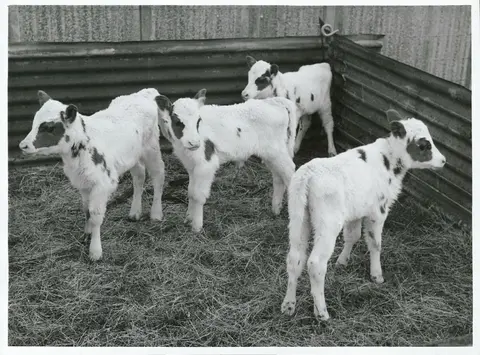
Follow how Owl Farm cut bobby calf numbers through colostrum care and dairy beef.