Reducing New Zealand’s agricultural greenhouse gas emissions: How we are getting there
Learn about methane in agriculture and how NZ ag researchers are trying to reduce emissions.

This page from Owl Farm, a demonstration dairy farm in the Waikato, covers its approach to reducing on-farm greenhouse gas emissions and tracks progress against its own targets and those of its dairy company and bank partners. It lists the specific farm system changes behind the reduction, from stocking rate and nitrogen use to plantain pastures and effluent storage upgrades.
The farm reports a drop in biological emissions between 2014-15 and 2023-24 while holding operating profit steady, and it outlines ongoing research it contributes to on low-emitting cattle, alternative feeds and methane inhibitors.
Meet the Waikato dairy farmers using their numbers to cut emissions and stay profitable.

Research about reducing greenhouse gas emissions on Māori farms in New Zealand.

Learn how dairy farmers in New Zealand can reduce greenhouse gas emissions effectively.

Find out about a no-cost method to reduce your dairy farm's greenhouse gas emissions.

This resource discusses methane inhibitors to reduce greenhouse gas emissions from agriculture.

Discover which paddocks grow the most feed and why some fall short.

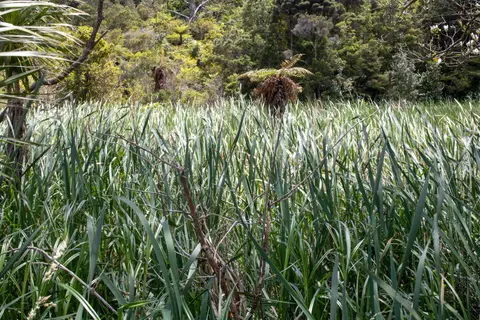
See how Owl Farm's constructed wetland strips nitrogen and sediment from farm runoff.

Explore actions New Zealand farmers can take to reduce greenhouse gas emissions effectively.

Track how a Waikato demonstration farm lifts its 6-week in-calf rate each season.

Strategies for Māori farms to reduce greenhouse gases to meet the Zero Carbon targets.

The science behind agricultural methan, nitrous oxide emissions, and climate change.

Discover how Owl Farm tests and protects its soil's physical, chemical and biological health.