Owl Farm case study - Fertiliser and pasture management
Enterprise
Farm planning
Fertiliser
Soil
Review how fertiliser and grazing rotations are matched to feed demand.
This page from Owl Farm, a demonstration dairy farm in the Waikato, covers its strategy for managing nitrogen fertiliser and effluent to reduce modelled nitrogen loss. It uses Overseer to track nitrogen movement through the farm system and sets out the changes made over recent seasons, including lower fertiliser rates, timed applications and an enlarged effluent spreading area.
It also covers the plantain and clover pastures the farm has planted to cut nitrogen losses, and the infrastructure built to store and irrigate effluent across more of the farm.
Review how fertiliser and grazing rotations are matched to feed demand.
Discover which paddocks grow the most feed and why some fall short.
Learn how to plan, time and target nitrogen fertiliser so more of it ends up as pasture growth.
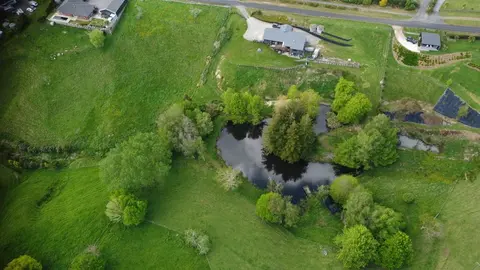
Compare ways to manage effluent ponds and spreading that protect waterways and cut methane.
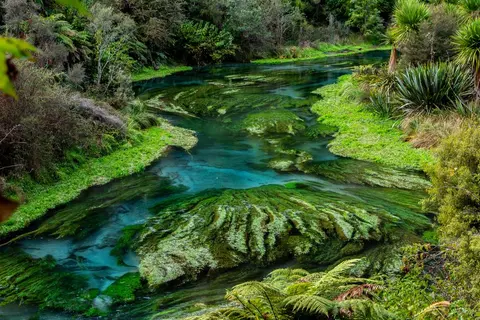
Follow how Owl Farm's environment plan guides its land, water and effluent management.
Discover how Owl Farm tests and protects its soil's physical, chemical and biological health.
Learn how Owl Farm cut biological greenhouse gas emissions over a ten year period.
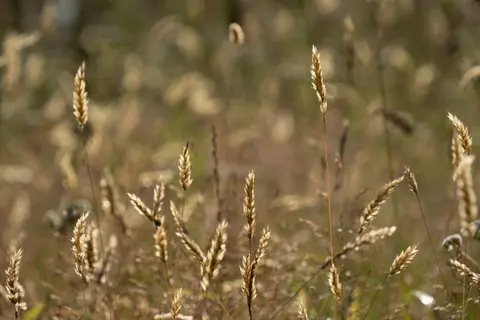
This guide explains how to cut nitrogen use, reducing nitrous oxide emissions on farms.
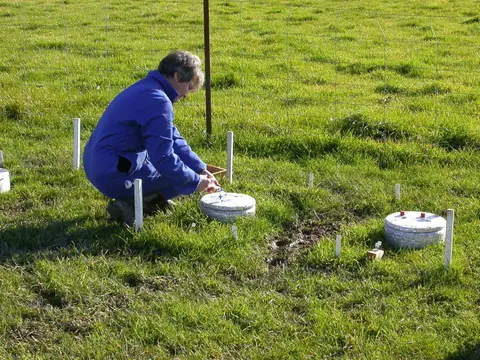
Learn how nitrogen management on farm can cut nitrous oxide losses.
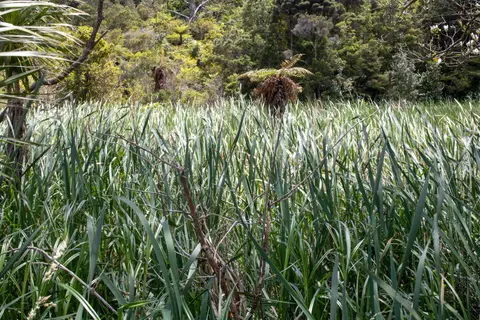
See how Owl Farm's constructed wetland strips nitrogen and sediment from farm runoff.
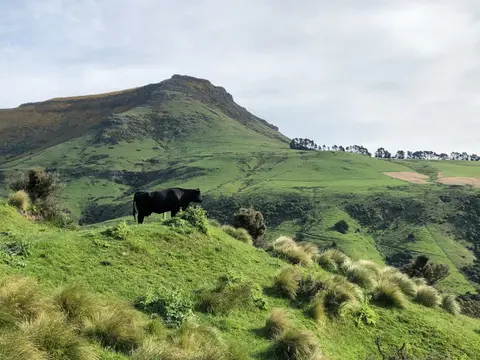
Learn how Owl Farm halved its lameness rate by changing yard flow and race care.
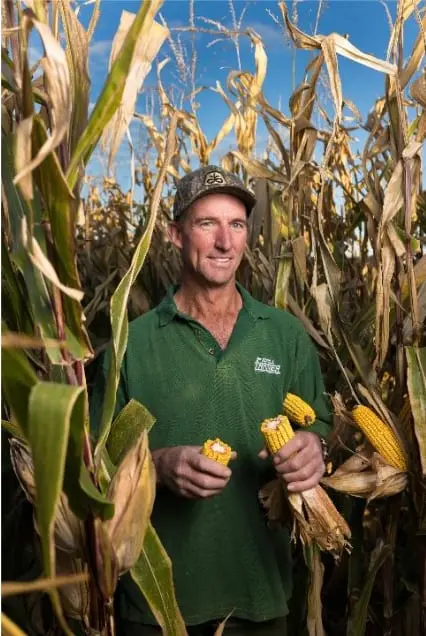
Discover how a North Waikato cropper cut nitrogen and emissions by switching to no-till maize.
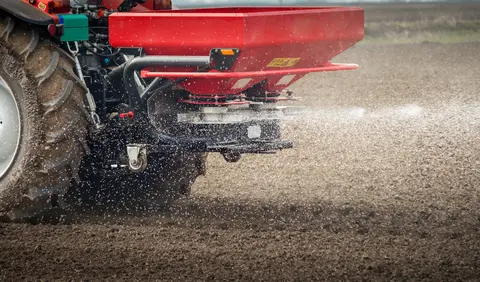
Learn about the terrestrial nitrogen cycle and the impacts of different farming activities.
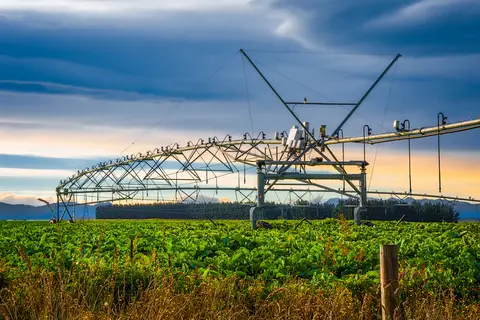
Learn how cropping and horticulture can reduce greenhouse gas emissions in New Zealand.
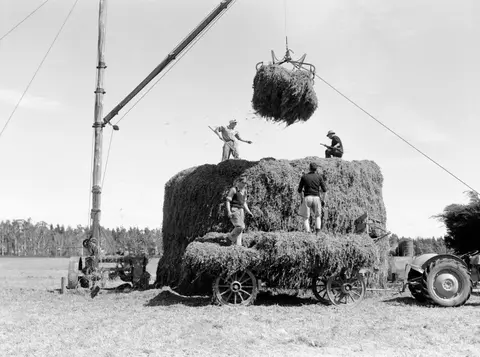
Check how imported feed is used strategically to lift milk from pasture.
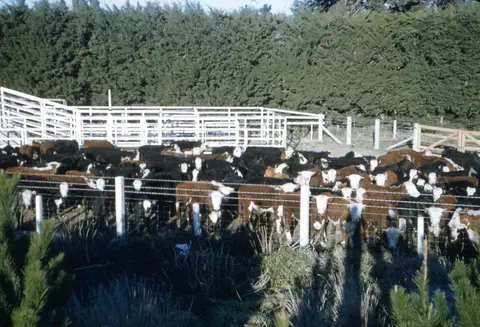
Find out how Owl Farm tracks tail damage in its herd to protect cow welfare.
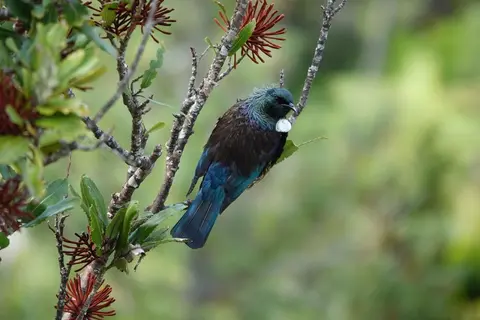
Track the native species and planting programme behind Owl Farm's biodiversity.
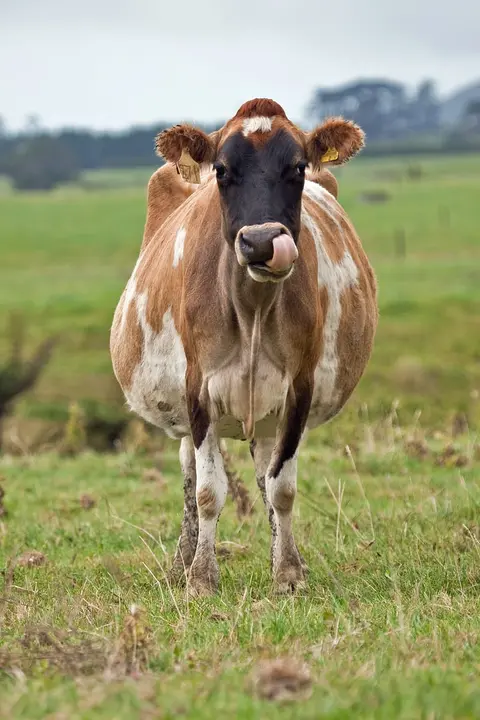
Track how a Waikato demonstration farm lifts its 6-week in-calf rate each season.
Learn how feed budgets keep pasture cover and cow condition on target.
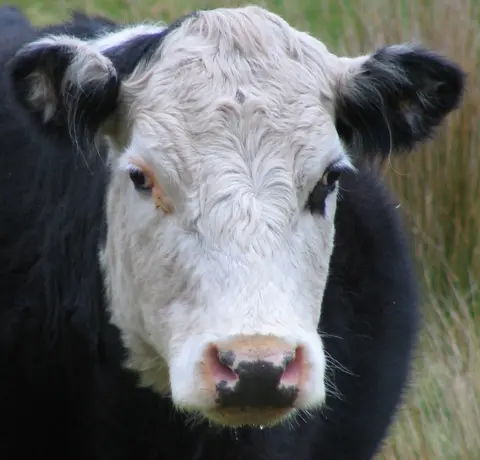
See how Owl Farm builds a seasonal well-being plan for its dairy herd with local vets.
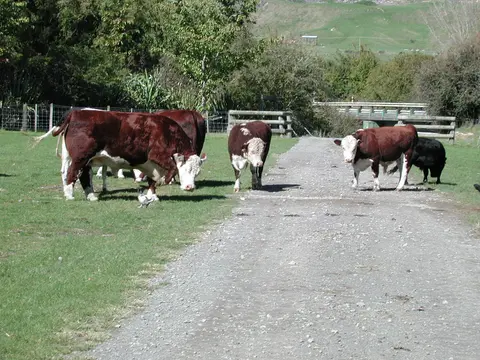
Explore how Owl Farm scores body condition through the season to guide feeding.
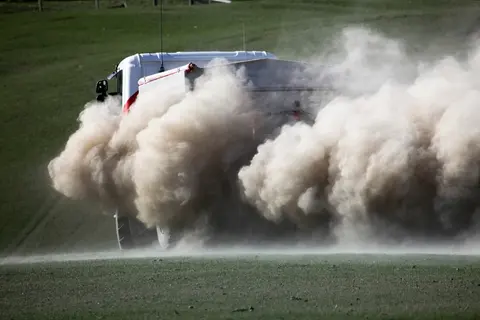
Learn how to manage nitrogen fertiliser use for better pasture growth and environmental outcomes.
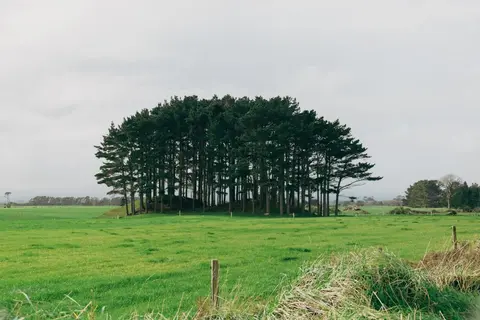
Read how Owl Farm cools its herd through hot Waikato summers with shade and sprinklers.