Owl Farm case study - Feed budgets
Enterprise
Dairy
Farm planning
Productivity
Learn how feed budgets keep pasture cover and cow condition on target.
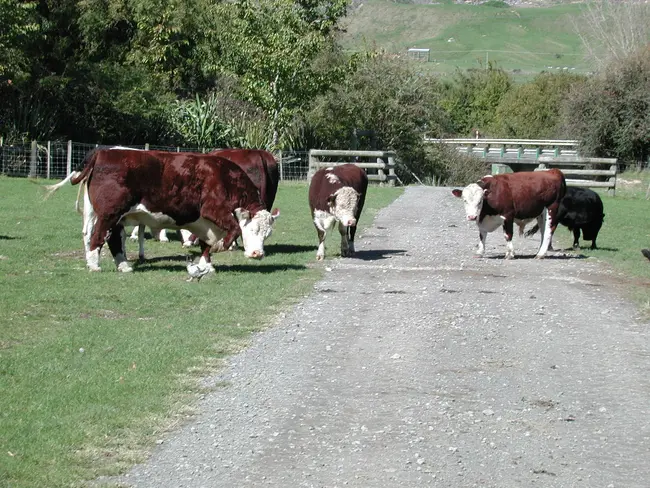
This page explains how Owl Farm scores body condition across its herd through the season to protect cow health and reproductive performance. A certified scorer works through the herd five times a year on the 1 to 10 New Zealand scale, timed around calving and mating and again in the months that follow.
Targets are BCS 5.0 for mixed-age cows and 5.5 for first and second calvers at calving, with no more than 15% of the herd outside that range. Any cow scoring under 4.0 is drafted out for a health check and preferentially fed. The farm reads recent seasons, including 5.7 in 2020 and 5.0 in 2021 at calving, against MINDA data and a DairyNZ dry-off calculator to plan feeding and dry-off dates.
Learn how feed budgets keep pasture cover and cow condition on target.
Read how genetic selection keeps Owl Farm's herd among the nation's best.
Read how balancing feed supply, demand and body condition helps cows use their feed better.
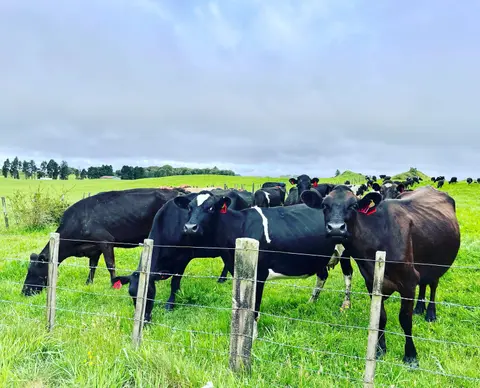
Check out ways to manage herd health, breeding and biosecurity to lift farm performance.
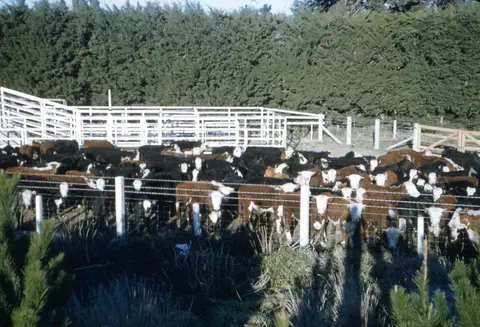
Find out how Owl Farm tracks tail damage in its herd to protect cow welfare.
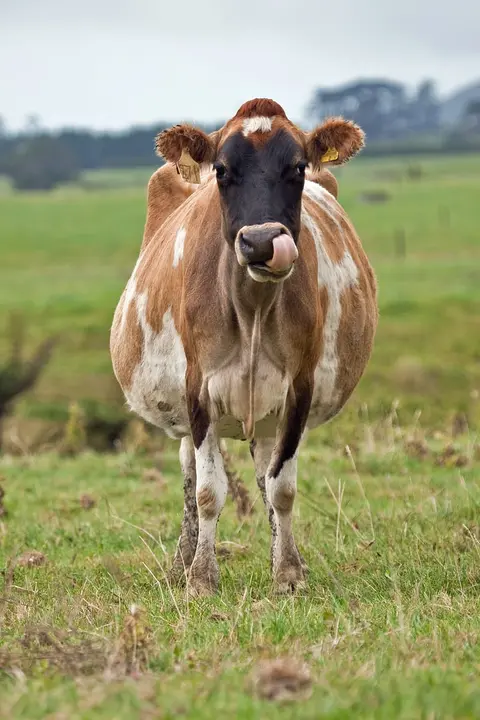
Track how a Waikato demonstration farm lifts its 6-week in-calf rate each season.
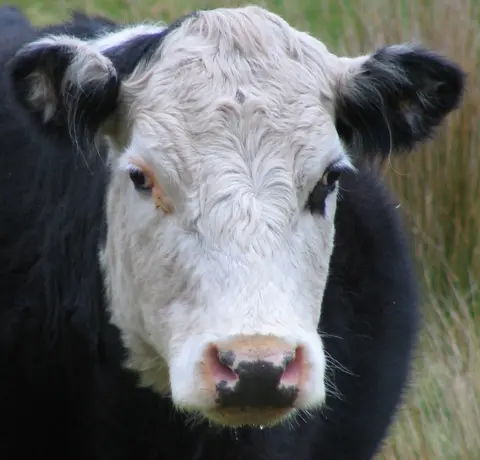
See how Owl Farm builds a seasonal well-being plan for its dairy herd with local vets.
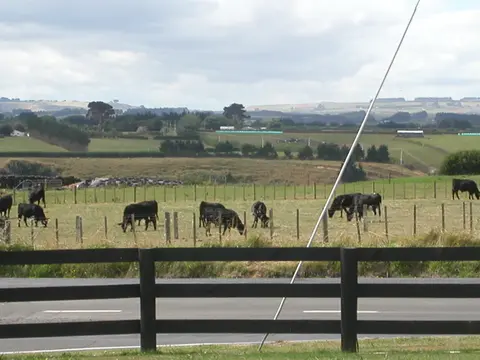
Discover how Owl Farm keeps mastitis cases and cell counts down in its herd.
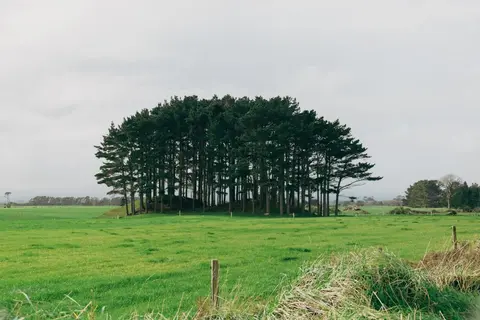
Read how Owl Farm cools its herd through hot Waikato summers with shade and sprinklers.
Explore how Owl Farm has lowered nitrogen fertiliser use and modelled nitrogen loss.
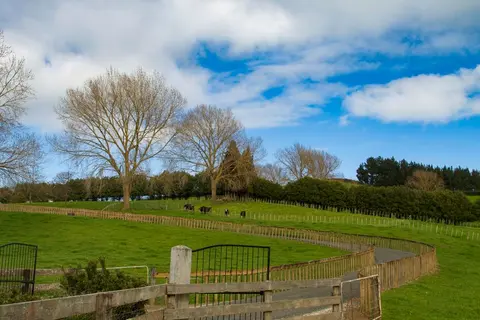
Learn how Owl Farm cut biological greenhouse gas emissions over a ten year period.
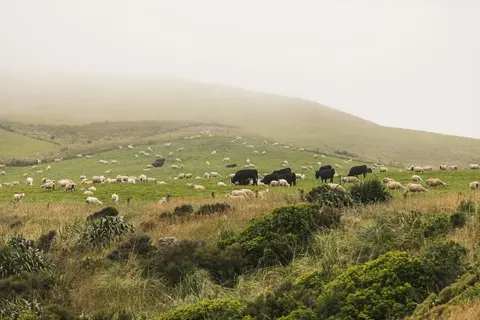
Find out how to lift your six-week in-calf rate through cow, heifer and mating management.
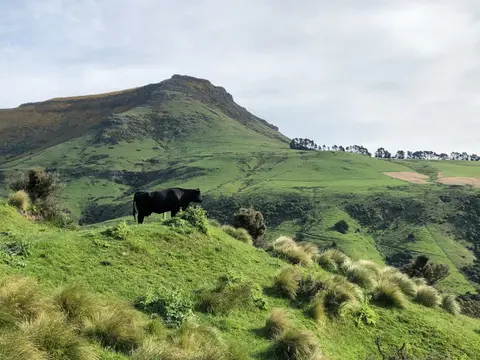
Learn how Owl Farm halved its lameness rate by changing yard flow and race care.
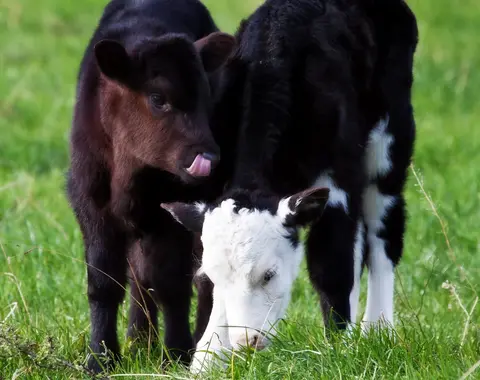
Explore how replacement calves are reared and grown out to entry weight.
Compare season milksolids results against Owl Farm's production targets.
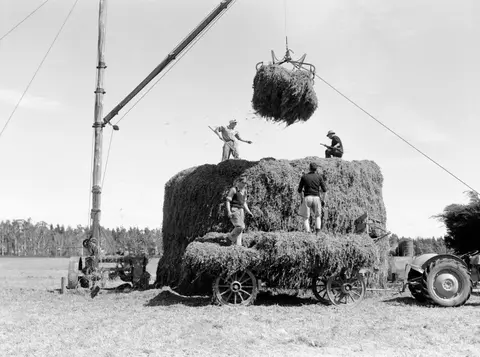
Check how imported feed is used strategically to lift milk from pasture.
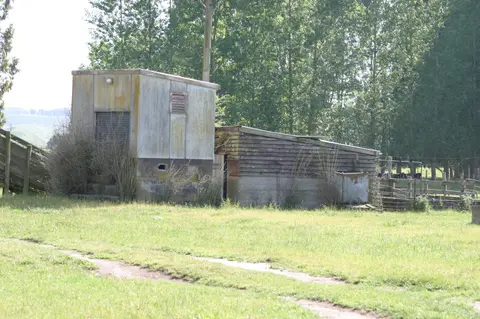
See what keeps Owl Farm's alert, grade and demerit counts falling.
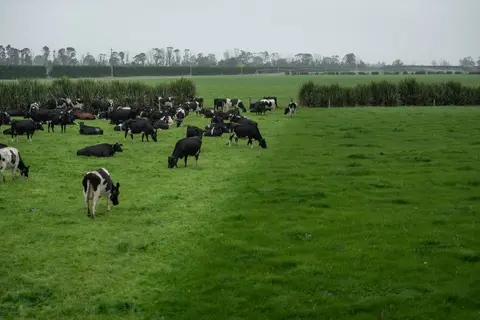
Review how fertiliser and grazing rotations are matched to feed demand.

Find out how Owl Farm measures and reduces water use in its dairy shed.
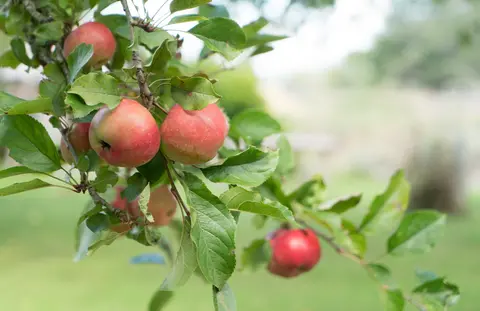
See how well suited the whenua in your rohe is to growing apples.

Follow how Owl Farm's environment plan guides its land, water and effluent management.
Discover how Owl Farm tests and protects its soil's physical, chemical and biological health.
Find out how brassica crops are grown to fill the summer feed gap.