Owl Farm case study - Milk quality
Enterprise
Compliance
Dairy
Productivity
See what keeps Owl Farm's alert, grade and demerit counts falling.
This page covers how Owl Farm keeps mastitis rates down in its milking herd, aiming for fewer than 10% of cows affected each year. It explains a spike in cases during the 2020/21 spring linked to teat spray problems, and how the farm responded.
Changes included lowering the somatic cell count threshold for Dry Cow Therapy, culling cows with repeat infections or high cell counts, checking the teat sprayer and milking plant regularly, and replacing rubberware twice a season. The aim is to keep more than 90% of milk supplied under 150,000 somatic cells per millilitre.
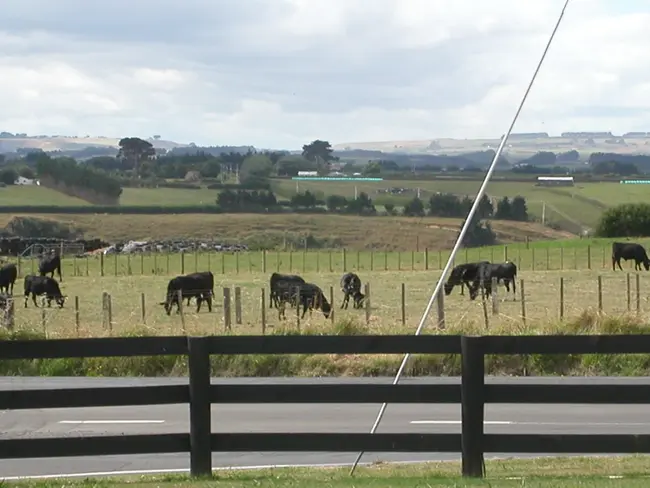
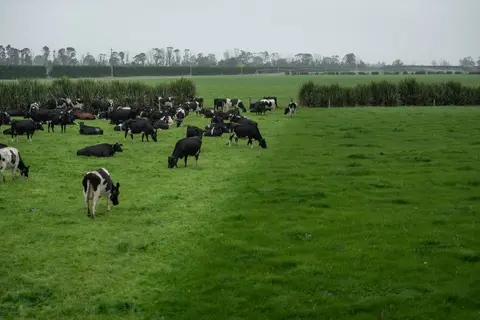
Photo: “Cattle near Dairyland, South Taranaki” by Prosperosity, licensed for reuse under CC BY-SA 4.0
See what keeps Owl Farm's alert, grade and demerit counts falling.
See how preventing mastitis and lifting milk quality reduces treatment costs and lost production.
Track how a Waikato demonstration farm lifts its 6-week in-calf rate each season.
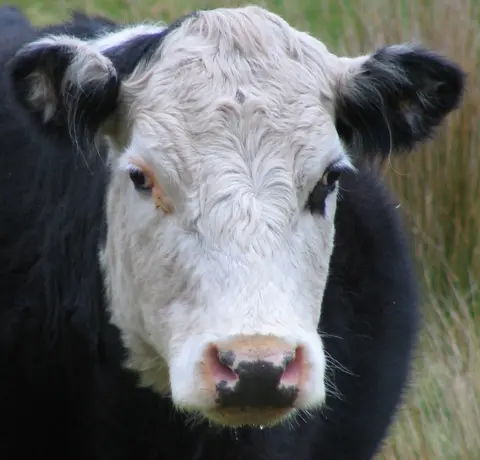
See how Owl Farm builds a seasonal well-being plan for its dairy herd with local vets.
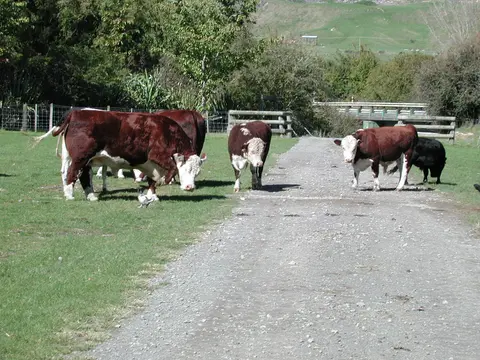
Explore how Owl Farm scores body condition through the season to guide feeding.
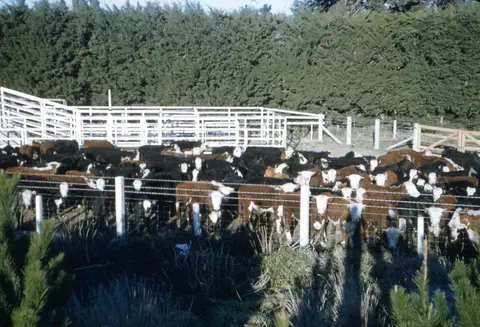
Find out how Owl Farm tracks tail damage in its herd to protect cow welfare.
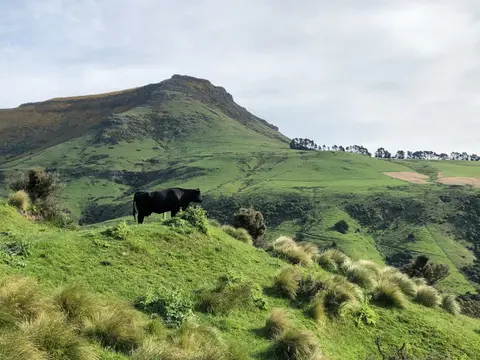
Learn how Owl Farm halved its lameness rate by changing yard flow and race care.
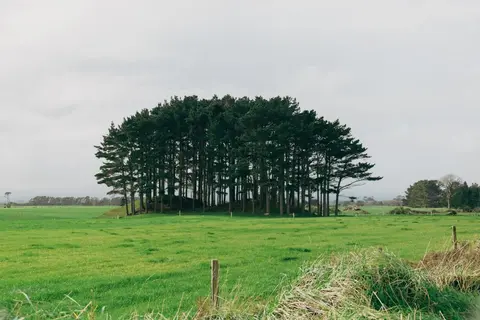
Read how Owl Farm cools its herd through hot Waikato summers with shade and sprinklers.
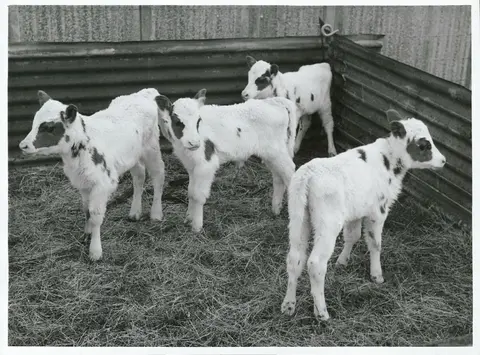
Follow how Owl Farm cut bobby calf numbers through colostrum care and dairy beef.
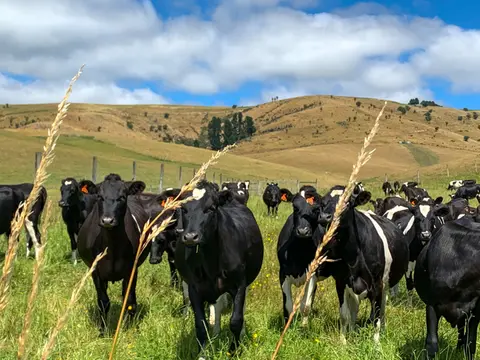
See how many hot days dairy cows in your rohe could face as the climate warms.

Find out how Owl Farm measures and reduces water use in its dairy shed.
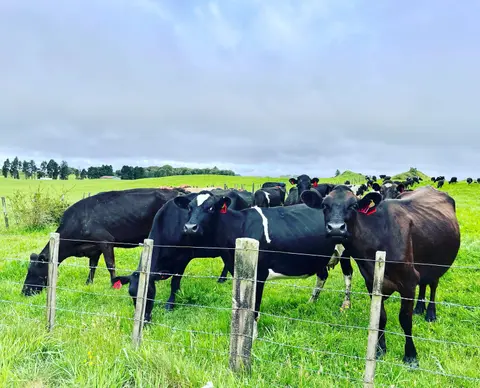
Check out ways to manage herd health, breeding and biosecurity to lift farm performance.
Learn how feed budgets keep pasture cover and cow condition on target.
Compare season milksolids results against Owl Farm's production targets.
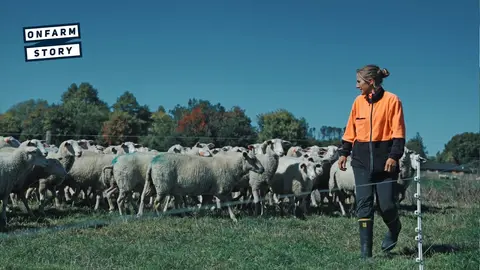
See how a Waikato farmer converted a cow dairy into a sheep milking operation.
Track how Owl Farm's sexed semen and dairy beef mating plan lifted herd genetics.
Review how fertiliser and grazing rotations are matched to feed demand.
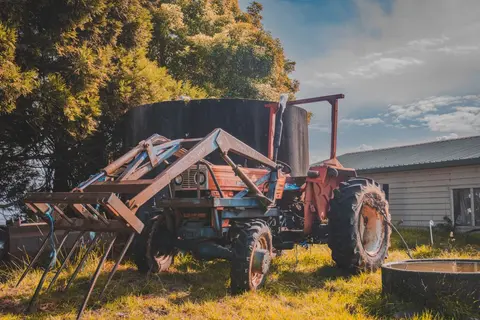
Explore how Owl Farm has lowered nitrogen fertiliser use and modelled nitrogen loss.
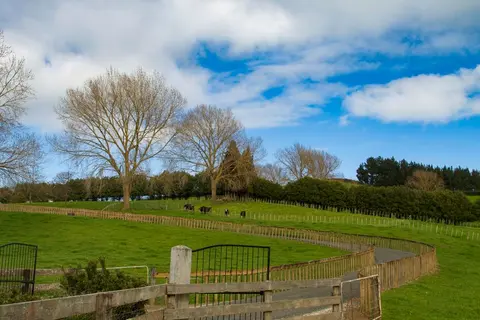
Learn how Owl Farm cut biological greenhouse gas emissions over a ten year period.

Follow how Owl Farm's environment plan guides its land, water and effluent management.
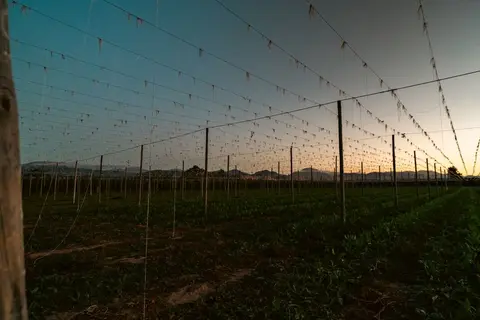
Find out how brassica crops are grown to fill the summer feed gap.
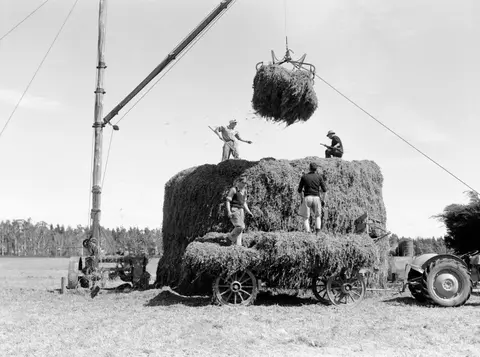
Check how imported feed is used strategically to lift milk from pasture.
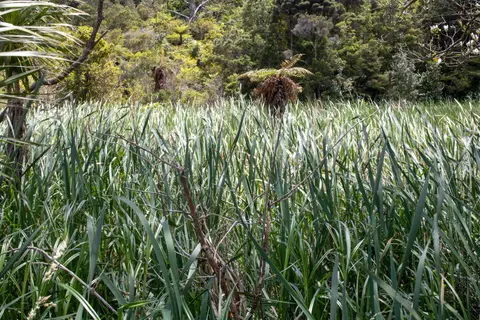
See how Owl Farm's constructed wetland strips nitrogen and sediment from farm runoff.