Owl Farm case study - Purposeful lives for calves
Enterprise
Innovation
Livestock
Wellbeing
Follow how Owl Farm cut bobby calf numbers through colostrum care and dairy beef.
This page covers Owl Farm's sexed semen and dairy beef mating programme, launched in 2019 to cut the number of bobby calves born while producing a saleable beef animal. Mating starts in late September, using sexed semen on high breeding-worth cows for the first 25 days, a Charolais marker bull on the rest, then a run of Charolais, Angus and Profit Maker sires before finishing with short gestation length semen.
The programme has cut bobby calf numbers from around 275 in 2018 to around 90 in 2024 and added more than $4,000 in profit in its first season. By breeding replacements from only the top 75% of the herd, Owl Farm has lifted its herd's breeding worth to 327 as of November 2024, placing it in the top 3% of herds nationally against a farm goal of the top 5%.
Follow how Owl Farm cut bobby calf numbers through colostrum care and dairy beef.
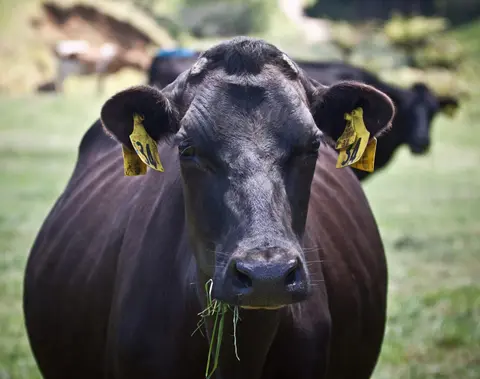
Read how genetic selection keeps Owl Farm's herd among the nation's best.
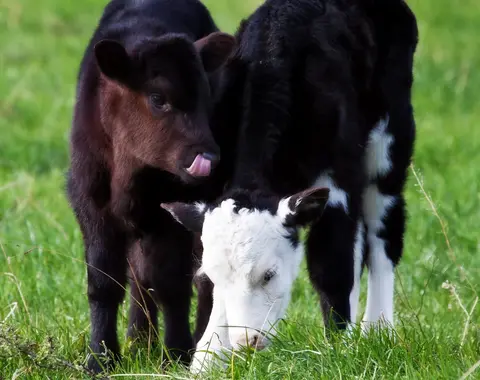
Explore how replacement calves are reared and grown out to entry weight.
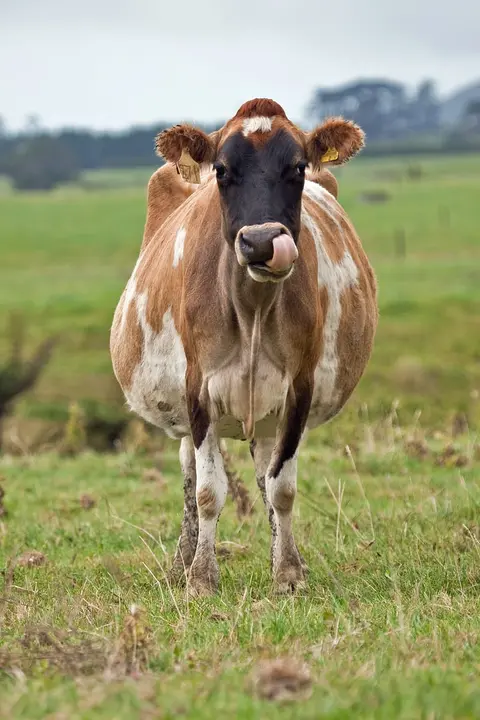
Track how a Waikato demonstration farm lifts its 6-week in-calf rate each season.
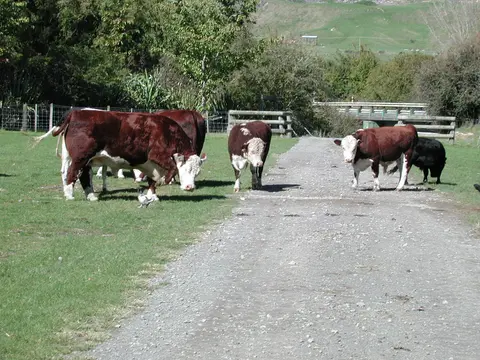
Explore how Owl Farm scores body condition through the season to guide feeding.
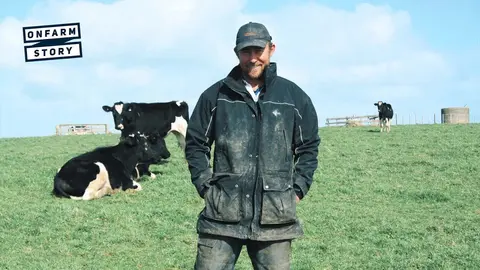
David Kidd discusses farming at Shelly Beach, focusing on caring for calves and the future.
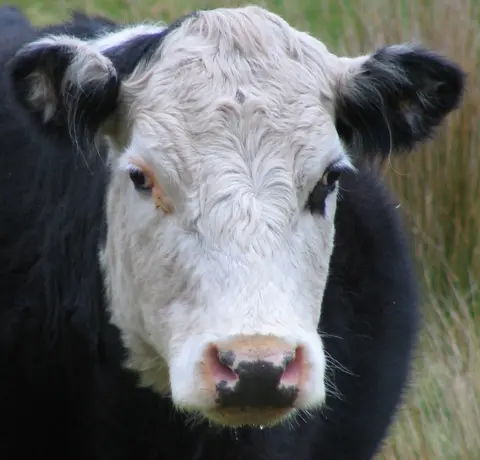
See how Owl Farm builds a seasonal well-being plan for its dairy herd with local vets.
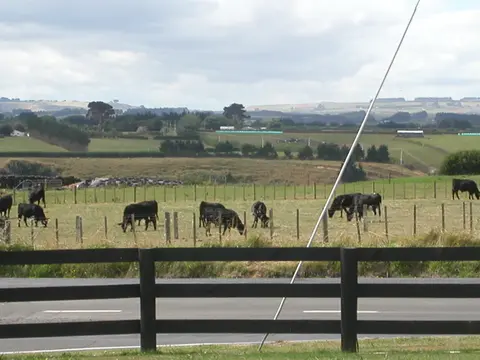
Discover how Owl Farm keeps mastitis cases and cell counts down in its herd.
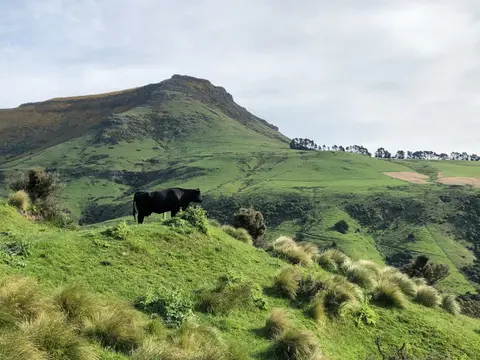
Learn how Owl Farm halved its lameness rate by changing yard flow and race care.
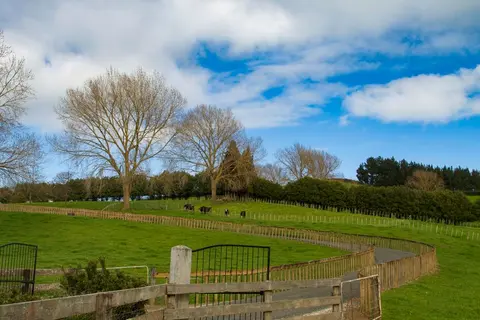
Learn how Owl Farm cut biological greenhouse gas emissions over a ten year period.
Explore how Owl Farm has lowered nitrogen fertiliser use and modelled nitrogen loss.

Balancing livestock production and environmental stewardship on Pamu's largest farm
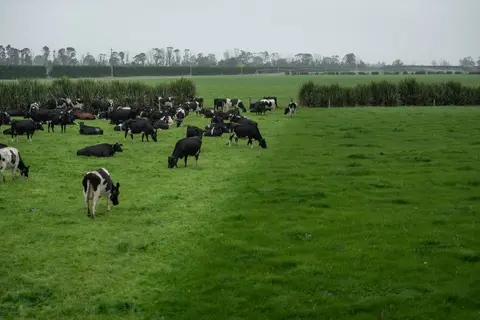
Review how fertiliser and grazing rotations are matched to feed demand.
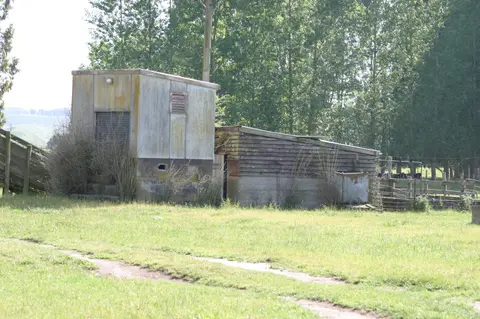
See what keeps Owl Farm's alert, grade and demerit counts falling.
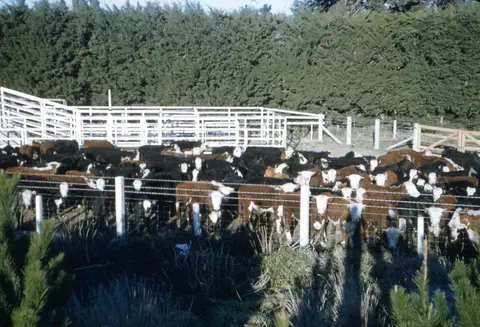
Find out how Owl Farm tracks tail damage in its herd to protect cow welfare.
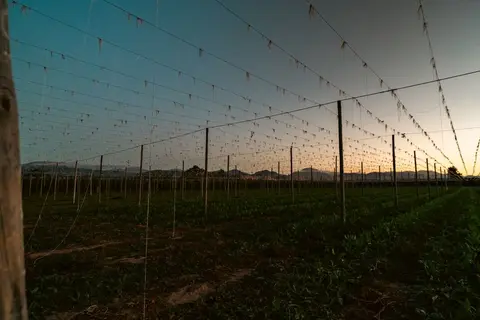
Find out how brassica crops are grown to fill the summer feed gap.

Find out how Owl Farm measures and reduces water use in its dairy shed.

Discover which paddocks grow the most feed and why some fall short.
Learn how feed budgets keep pasture cover and cow condition on target.
Check out ways to manage herd health, breeding and biosecurity to lift farm performance.
Read how Owl Farm cools its herd through hot Waikato summers with shade and sprinklers.
Compare season milksolids results against Owl Farm's production targets.
Discover how Owl Farm tests and protects its soil's physical, chemical and biological health.