Owl Farm case study - Breeding programme
Enterprise
Innovation
Livestock
Productivity
Track how Owl Farm's sexed semen and dairy beef mating plan lifted herd genetics.
This page sets out how Owl Farm cares for newborn calves and works to reduce the number of bobby calves it sends off the farm. Every calf gets 2 litres of gold colostrum on arrival and again that afternoon, and the farm tests blood protein levels each year to check calves are getting enough antibody protection, reaching 80% and 83% in the last two seasons reported.
A breeding strategy combining sexed semen with dairy beef sires, chosen using traits such as birth weight, gestation length and carcass weight, has lifted the share of calves going on to a purposeful life from 34% in 2018 to 77% in 2024. The farm sells dairy beef calves such as Charolais crosses to local rearers at four days old, rather than sending them off as bobbies.
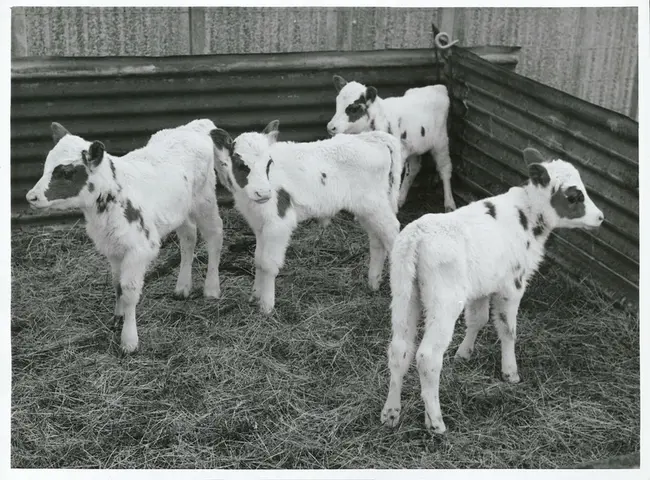
Photo: “Quadruplet calves on farm at Ngakuru, 1966” by Photographer W.O. (Archives New Zealand), licensed for reuse under CC BY 2.0
Track how Owl Farm's sexed semen and dairy beef mating plan lifted herd genetics.
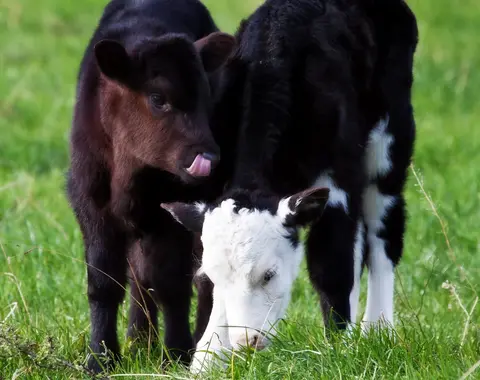
Explore how replacement calves are reared and grown out to entry weight.
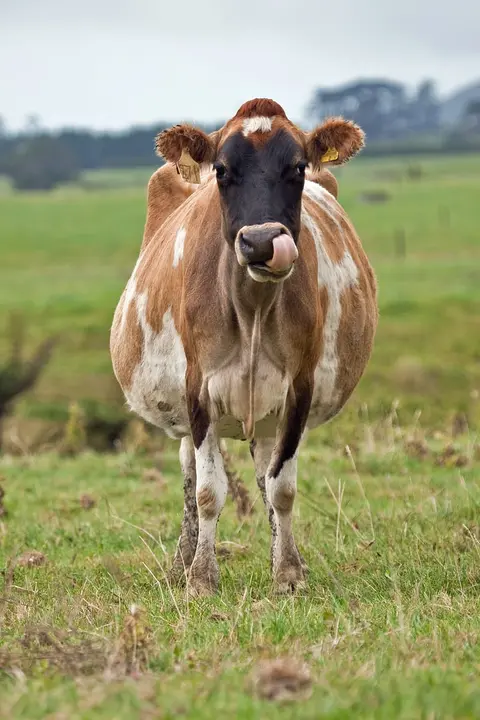
Track how a Waikato demonstration farm lifts its 6-week in-calf rate each season.
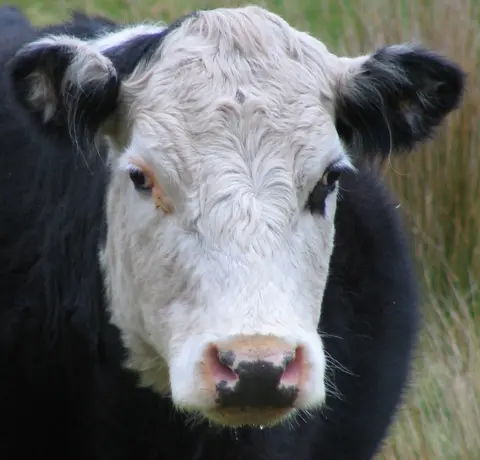
See how Owl Farm builds a seasonal well-being plan for its dairy herd with local vets.
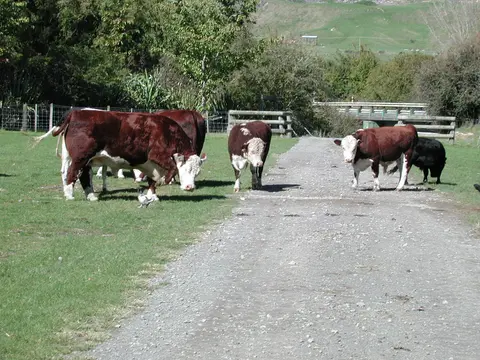
Explore how Owl Farm scores body condition through the season to guide feeding.
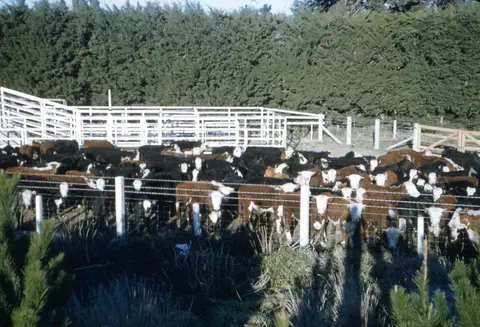
Find out how Owl Farm tracks tail damage in its herd to protect cow welfare.
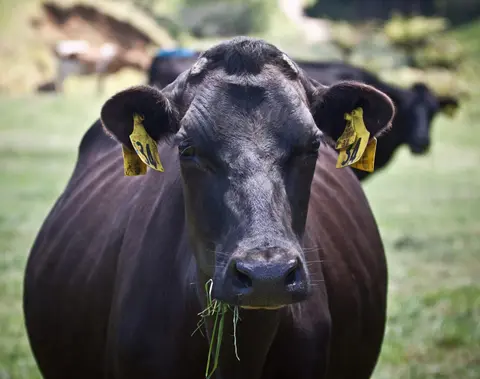
Read how genetic selection keeps Owl Farm's herd among the nation's best.
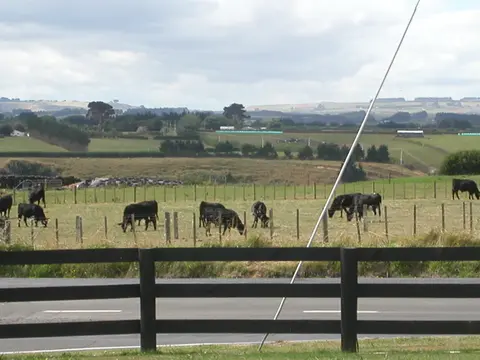
Discover how Owl Farm keeps mastitis cases and cell counts down in its herd.
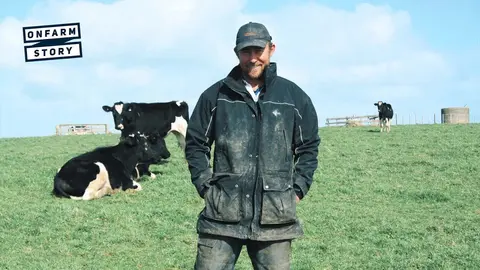
David Kidd discusses farming at Shelly Beach, focusing on caring for calves and the future.
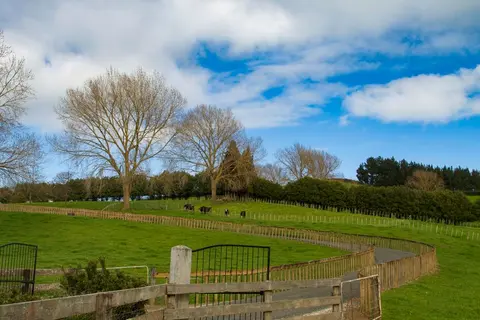
Learn how Owl Farm cut biological greenhouse gas emissions over a ten year period.

Find out how Owl Farm measures and reduces water use in its dairy shed.
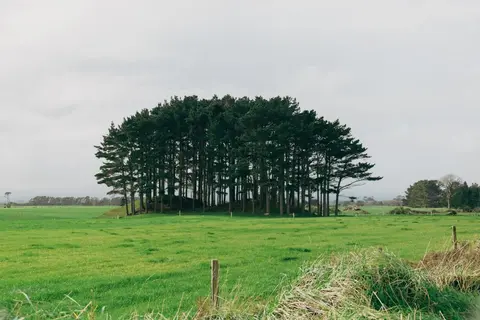
Read how Owl Farm cools its herd through hot Waikato summers with shade and sprinklers.
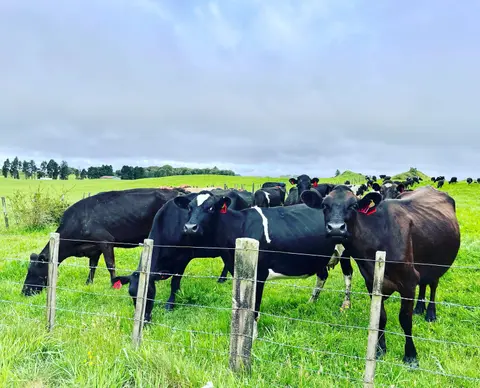
Check out ways to manage herd health, breeding and biosecurity to lift farm performance.
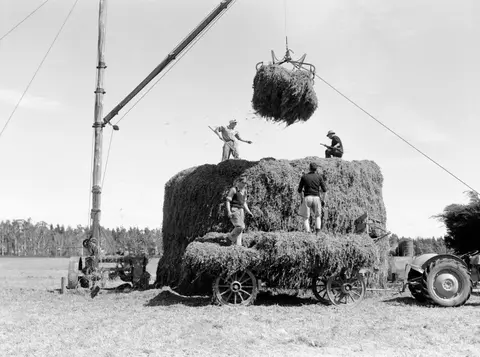
Check how imported feed is used strategically to lift milk from pasture.
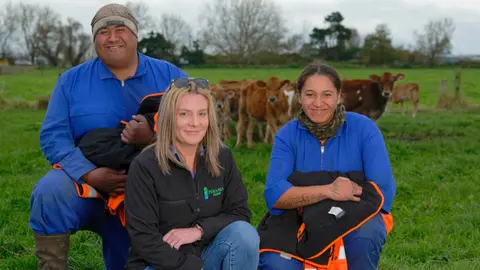
Step inside how five Hauraki iwi are reshaping Pouarua Farms for the long term.
Discover how Owl Farm tests and protects its soil's physical, chemical and biological health.
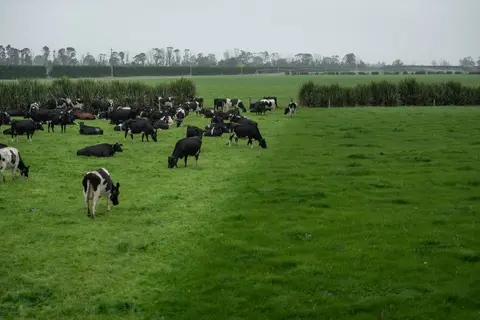
Review how fertiliser and grazing rotations are matched to feed demand.
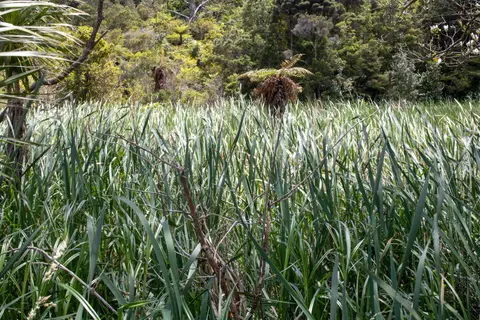
See how Owl Farm's constructed wetland strips nitrogen and sediment from farm runoff.
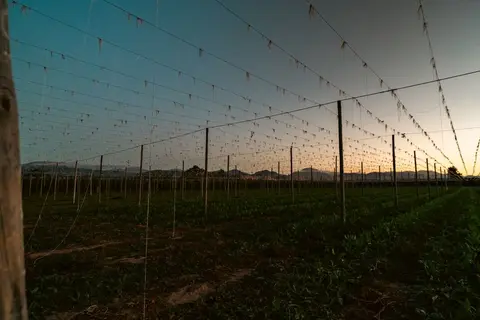
Find out how brassica crops are grown to fill the summer feed gap.
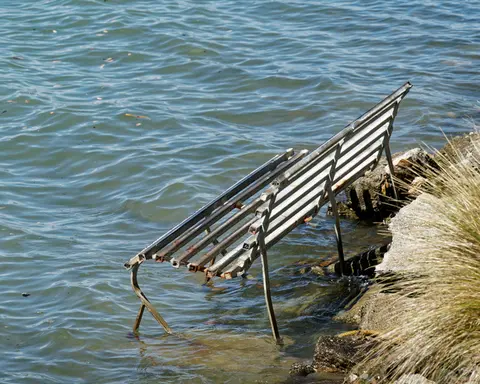
Learn about methane in agriculture and how NZ ag researchers are trying to reduce emissions.
See what keeps Owl Farm's alert, grade and demerit counts falling.
Learn how feed budgets keep pasture cover and cow condition on target.
Discover which paddocks grow the most feed and why some fall short.