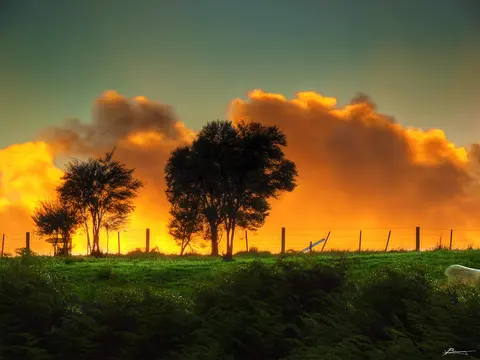
What will future farm systems look like?
Climate
Emissions reduction
Discover how low-emissions farming could shape the future of sheep, beef, and dairy in Aotearoa.
Pouarua Farms is Hauraki peat country returned to five iwi through Treaty settlement, and it is now run with a planning horizon stretching decades ahead. This case study follows the farm's move away from an all-dairy platform into blueberries, arable cropping and dairy beef, guided by what the whenua itself is suited to.
Cow numbers have dropped while per-cow production improved, unproductive peat country has gone back into wetland, and emissions have fallen as a result. The owners describe farming the land according to its own strengths rather than pushing it to be something it is not.
Discover how low-emissions farming could shape the future of sheep, beef, and dairy in Aotearoa.
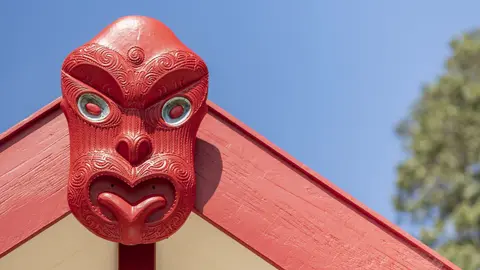
Uncover how an East Cape Māori incorporation is lowering emissions and easing pressure on waterways.
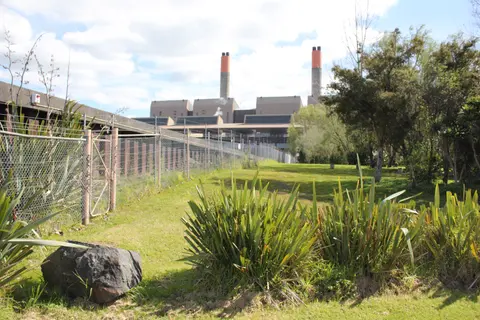
Learn how Waikato industry can switch process heat from gas to biomass and electricity.
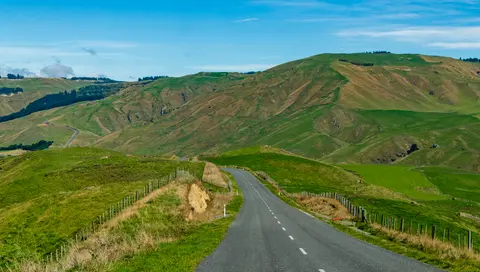
Dairy farmers in Waikato adapt to floods, droughts, and climate change impacts.
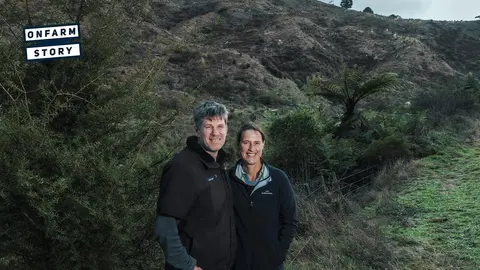
Farmers Fiona and Jon Sherlock are adapting to climate change by converting marginal land into forestry.
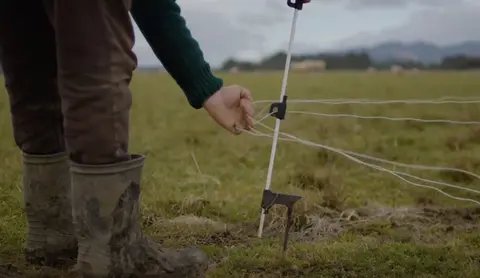
See how Kererū Station built a more flexible, resilient sheep and beef farm.
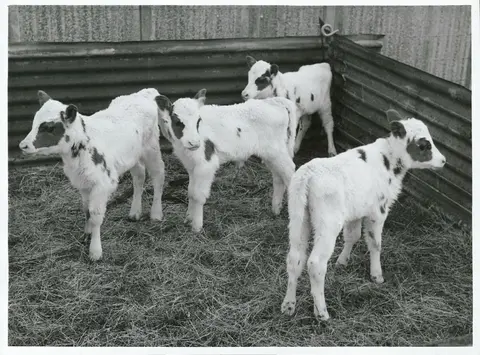
Follow how Owl Farm cut bobby calf numbers through colostrum care and dairy beef.
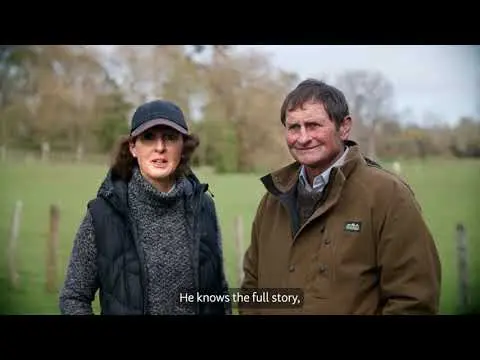
A fourth-generation family farm innovates with livestock and crops while prioritizing sustainability.
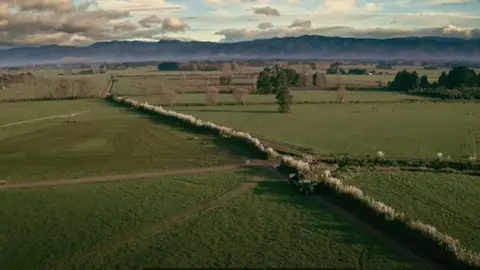
Compare four small changes that cut Kaiwaiwai Dairies' emissions by 14 percent.
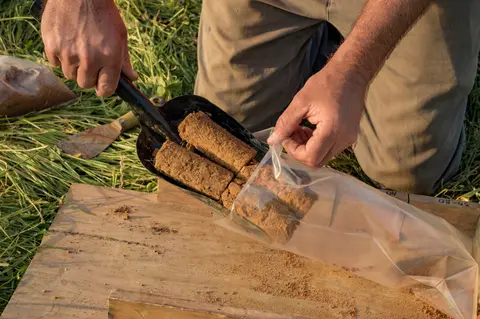
Follow the science of how carbon builds up in soil, and why NZ's stocks are unusually high.
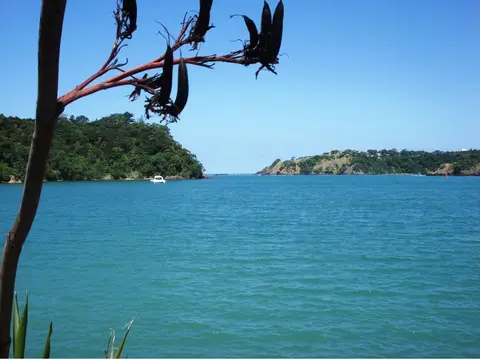
See how a Northland hapū iwi trust is leading its own climate adaptation planning.
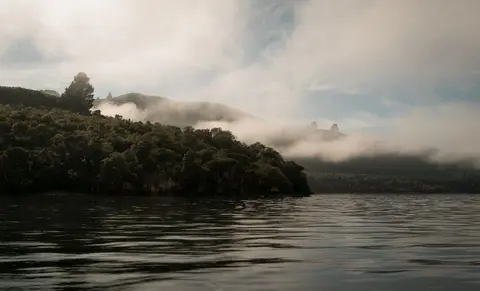
See how the Waikato climate changes from the Coromandel coast to the Central Plateau.
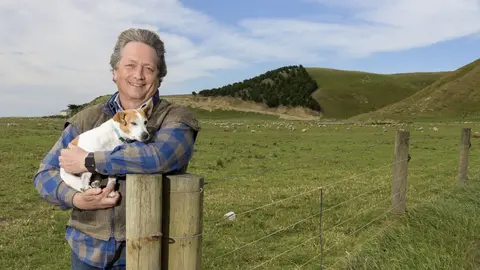
Learn how a Wairarapa coastal station cut net emissions while lifting lambing and profit.
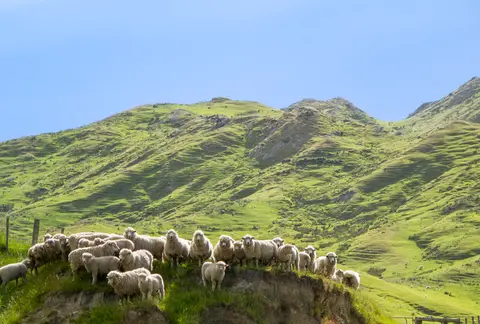
Learn about how Te Kupe Station is transforming its sheep, beef, and forestry operation to be more sustainable.
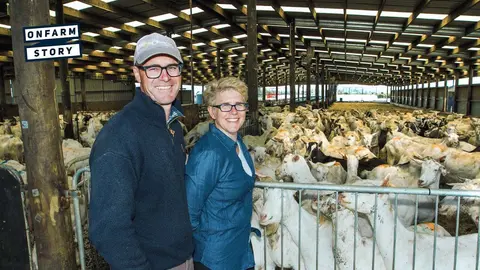
Explore how a Waikato family runs a dairy and goat farm side by side.
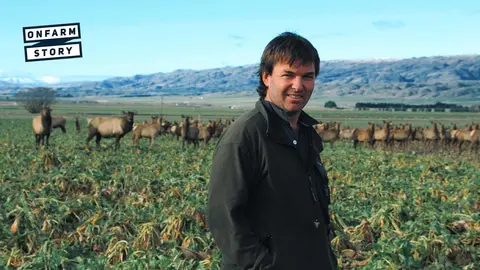
Find out how a Central Otago deer farmer plans his farm for the next generation.
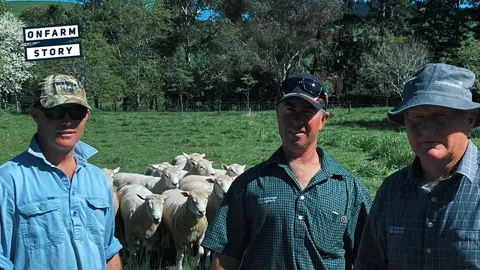
See how a Hawke's Bay family manages five farms of sheep, cattle and deer across generations.
Balancing livestock production and environmental stewardship on Pamu's largest farm
This case study explores what it means to farm in alignment with Māori values and how it can improve the environment.
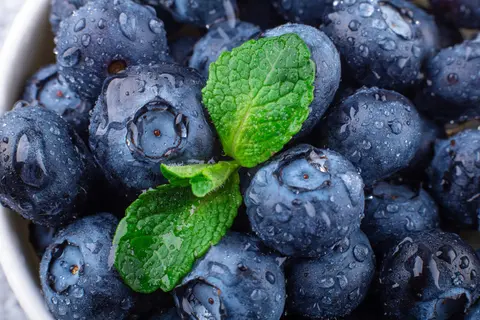
Discover the operating profit covered blueberries could earn on the whenua in your rohe each year.