Ag Matters: Why does soil carbon matter?
Climate
Emissions reduction
Greenhouse gas
Sequestration
Soil
Sustainability
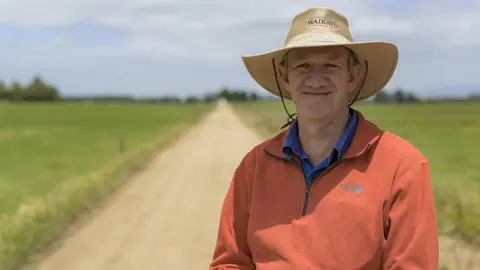
Louis Schipper explains why soil carbon matters for Aotearoa farms and our climate.
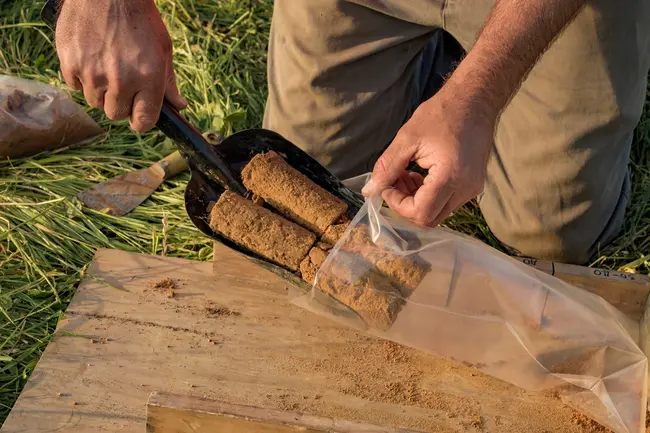
Start here for the fundamentals of soil carbon: how photosynthesis and respiration trade carbon between plants, soil and atmosphere, and how a small proportion becomes locked away in soil for decades or longer. Diagrams walk through the carbon cycle and how it connects to climate change.
New Zealand's soils already hold unusually high carbon stocks compared with other countries, thanks to our climate, young soils and mostly perennial, lightly tilled pastures, and that high starting point makes further gains difficult to achieve here. The explainer summarises current evidence on flat land, peat and hill country soils, and why national reporting does not yet account for changes within a land use. Read it before looking at research on specific farm practices or how soil carbon is measured.
Louis Schipper explains why soil carbon matters for Aotearoa farms and our climate.
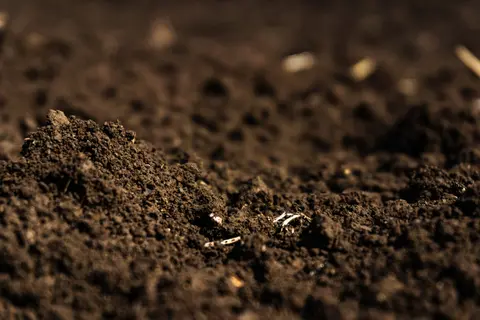
Learn how soil carbon impacts climate change and things you can do on your farm to offset your emissions.
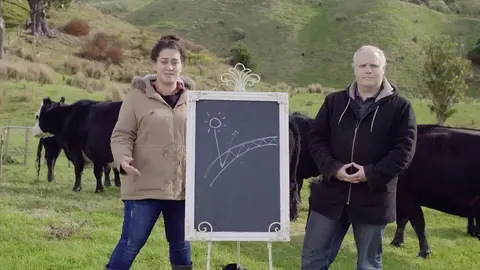
Learn how human actions change our climate and impact farming through greenhouse gases.
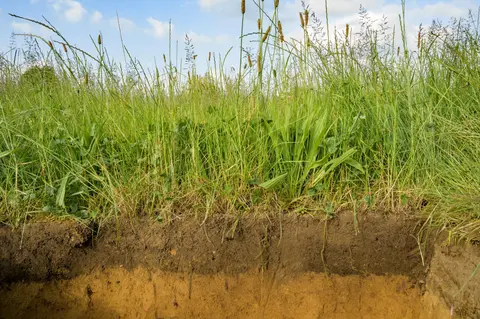
Discover why New Zealand's soil already holds so much carbon, and why more is hard to add.
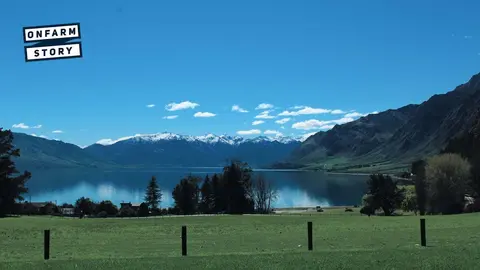
Learn how Lake Hawea Station became NZ's first carbon zero farm.
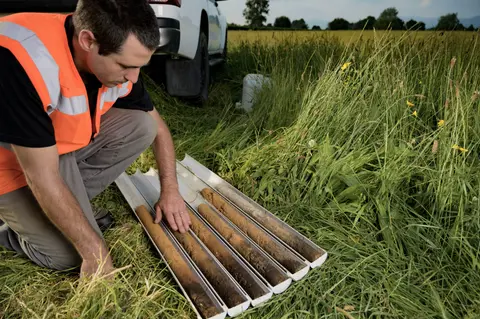
Find out what's involved in benchmarking your farm's soil carbon stocks over time.
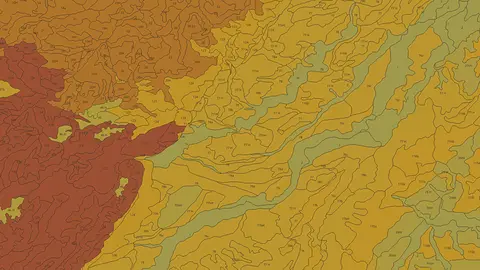
Learn how to measure and map soil carbon to reduce agricultural greenhouse gas emissions.
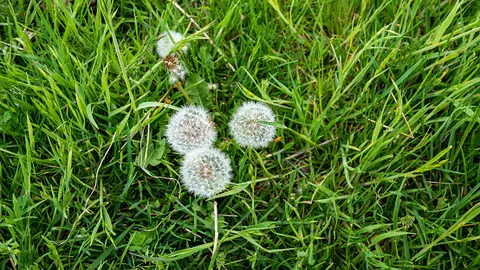
Explore ways to boost soil carbon through diverse plants, better grazing, and smart irrigation.
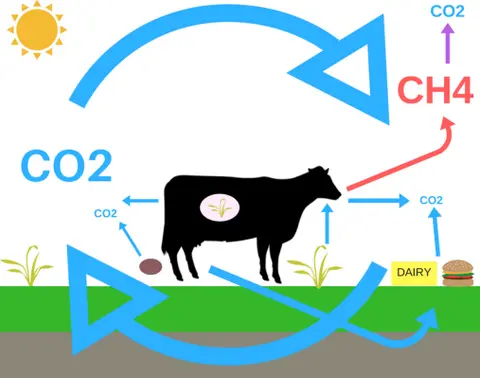
Learn how livestock impact the carbon cycle and climate in New Zealand agriculture.
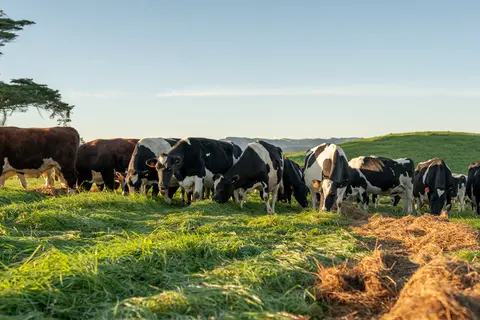
Learn about feed quantity, quality, and animal needs to increase your farm's profitability.
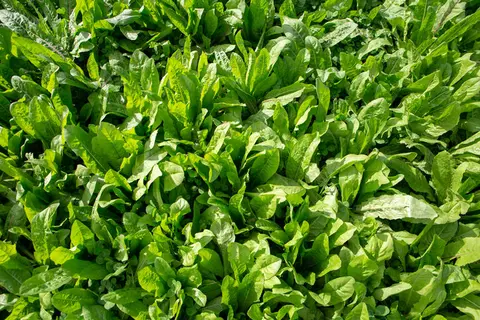
This guide explains effective forage cropping management for livestock.
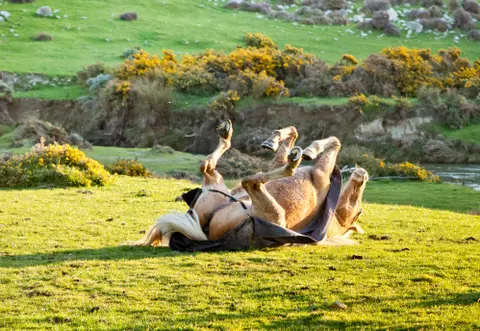
Explore actions New Zealand farmers can take to reduce greenhouse gas emissions effectively.
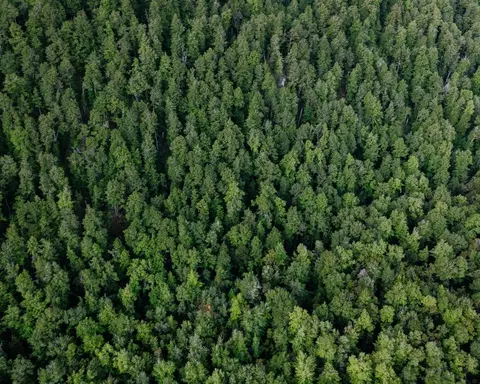
Look up expected carbon stock by forest age for small forests in the ETS.
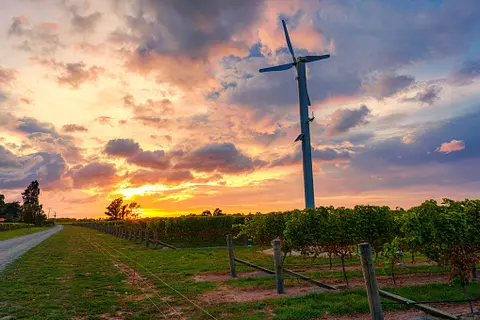
This research reviews biochar's potential to lower greenhouse gas emissions in New Zealand agriculture.
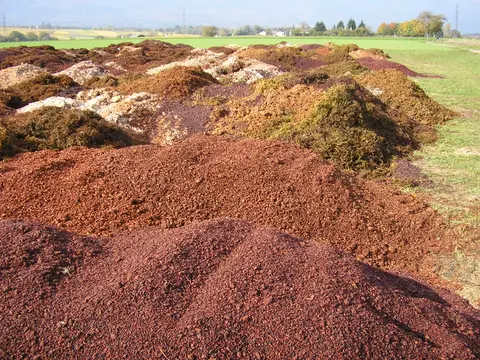
Discover how grape marc and forestry waste become biochar and compost that build vineyard soils.
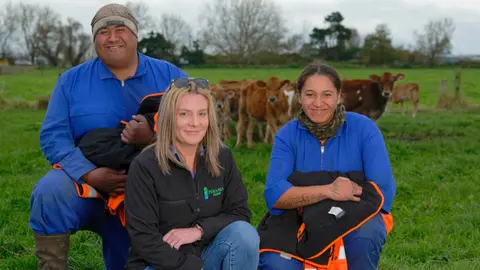
Step inside how five Hauraki iwi are reshaping Pouarua Farms for the long term.
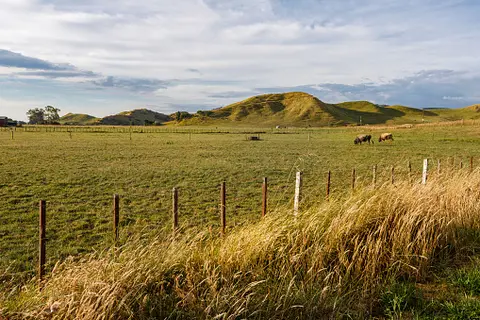
Research about how full inversion tillage can boost soil carbon storage in pastures.

Learn about methane in agriculture and how NZ ag researchers are trying to reduce emissions.
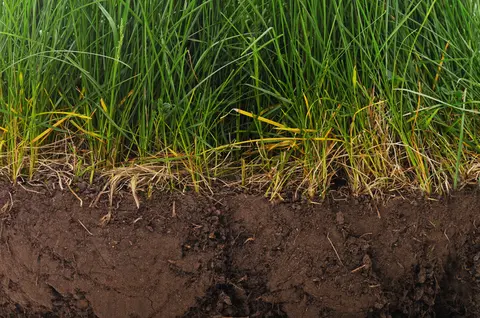
Find factsheets about how to manage different Northland soils.
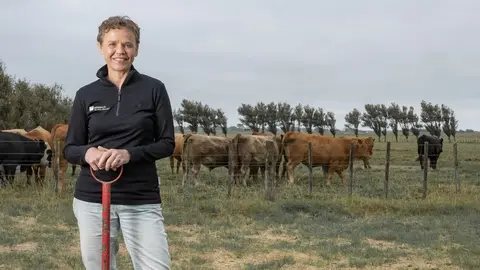
Learn about nitrous oxide, its effects, and ways to cut emissions in farming.
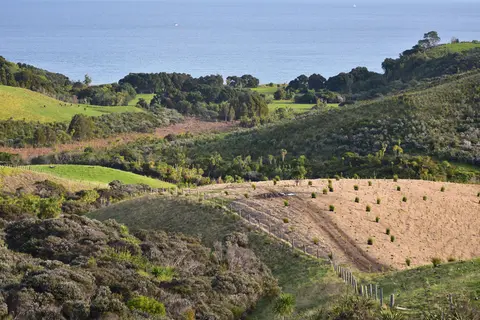
Find out how to convert marginal or depleted agricultural land into native forests for carbon farming.
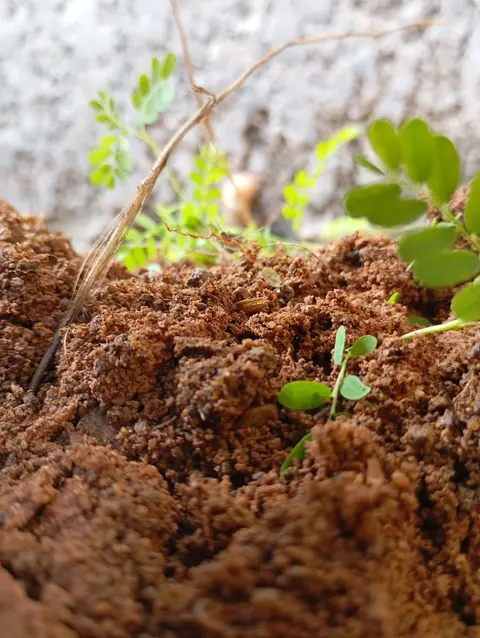
Learn about the Ag Emissions Centre's research into how different farm practices impact soil health.
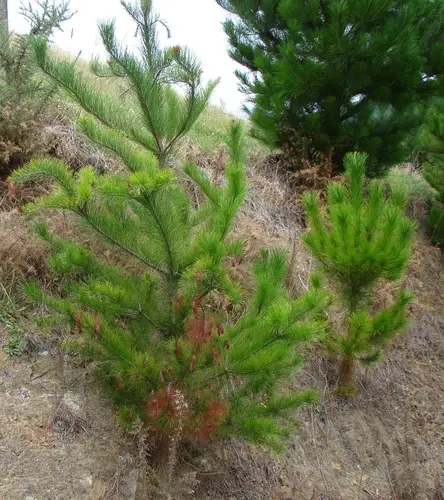
The clash between carbon credits and controlling wilding conifers.