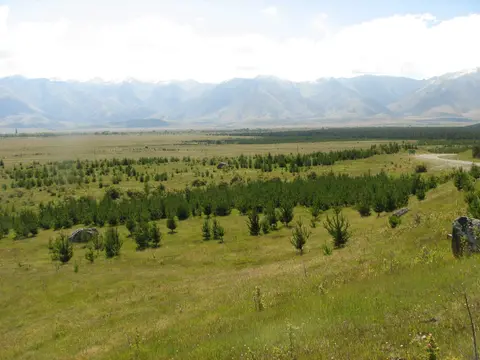
Wilding conifer control in New Zealand
Whenua
Biodiversity
Forestry
Pests and diseases
Learn how wilding pines spread and what you can do to stop them.
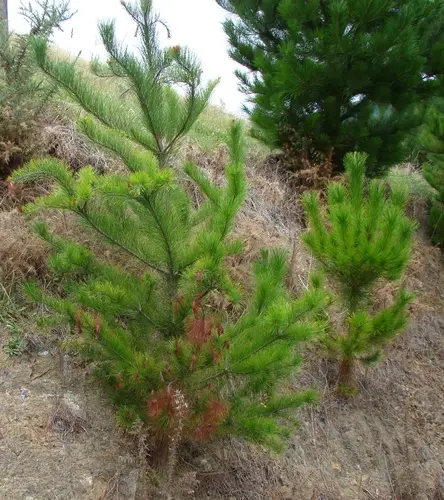
Wilding conifers spread across large areas of the country every year, yet a registered stand of them earns carbon, and removing it can trigger a deforestation liability. So the ETS and the national control programme work against each other.
This guide explains which species spread most, what the ETS and the forestry environmental standard require of landowners, what that conflict means for a landowner, and two ways around it: registering only a core block and funding control from its income, or shifting a wilding stand to native forest over time.
Learn how wilding pines spread and what you can do to stop them.
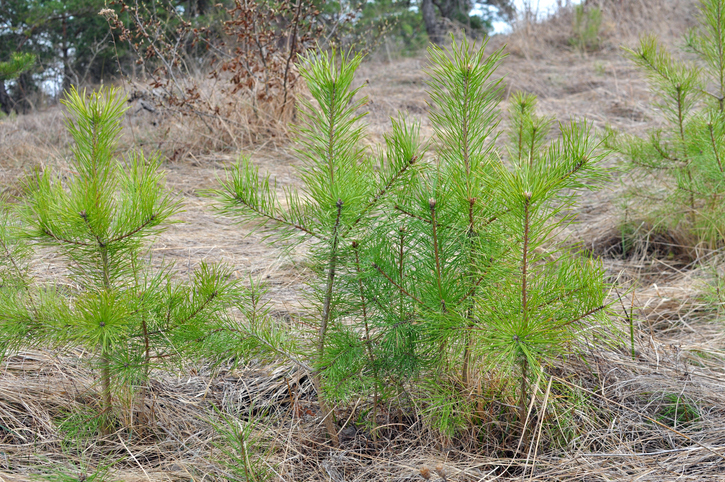
Learn about the risks of wilding conifers and how to manage them on your whenua.
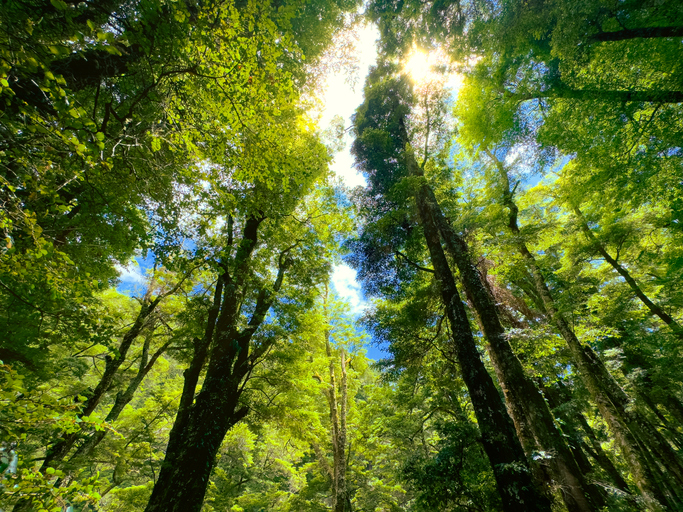
Learn how well-managed native forests can absorb significant amounts of carbon.
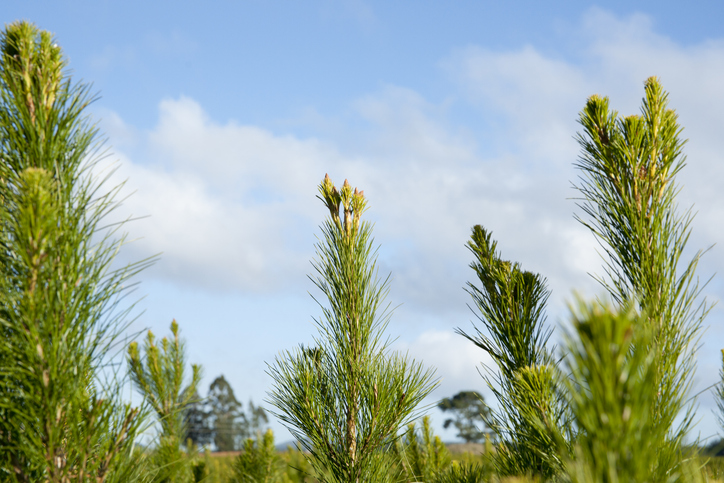
Learn about wilding conifers and how Aotearoa is attempting to control them.
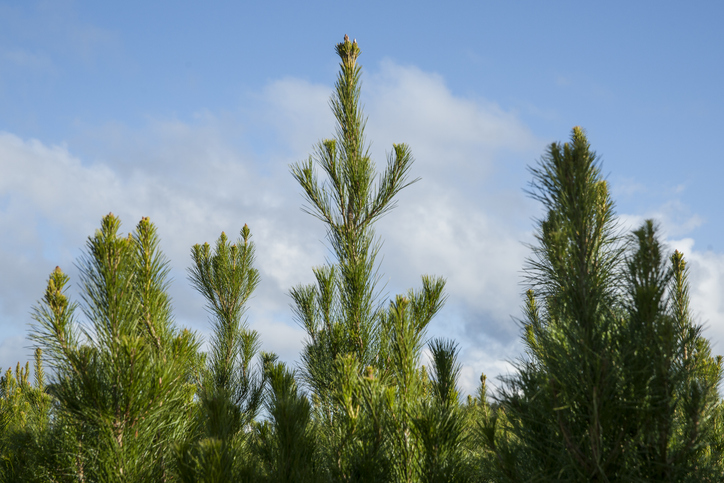
Learn about wilding pines and efforts to control their spread.
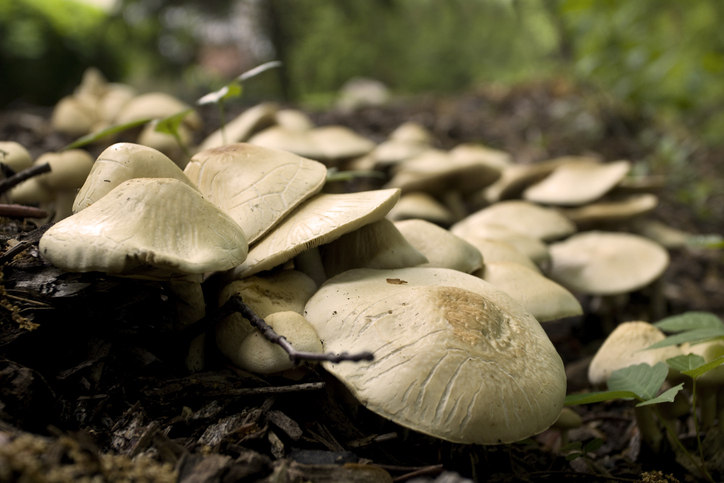
Learn how fungi aid the invasion of wilding pines in New Zealand and affect ecosystems.
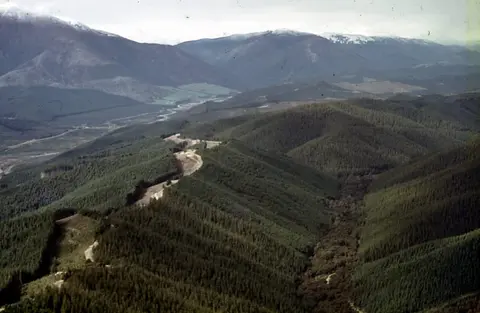
Understand the key considerations for land owners when considering entering the ETS.
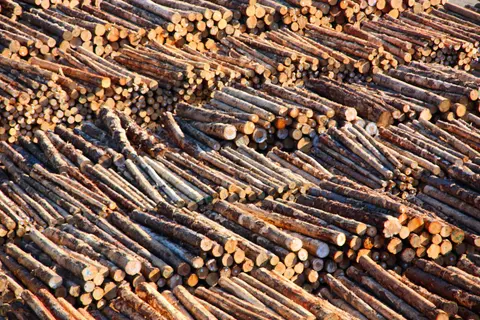
The two ways the ETS counts a forest's carbon, and which applies.
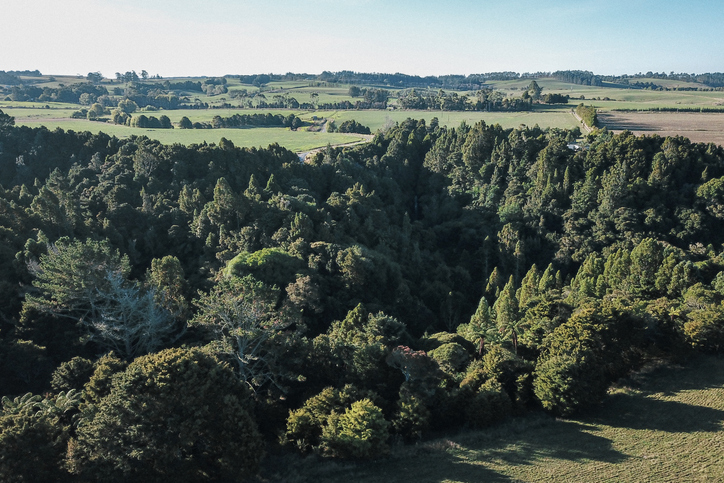
Learn how tree planting on farms can earn carbon credits in the Emissions Trading Scheme (ETS).
Learn how to control rodents in farm buildings using traps and bait stations.
This resource helps goat farmers manage worms effectively and prevent drench resistance.
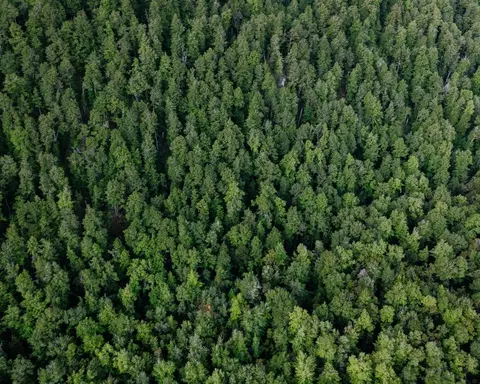
Look up expected carbon stock by forest age for small forests in the ETS.
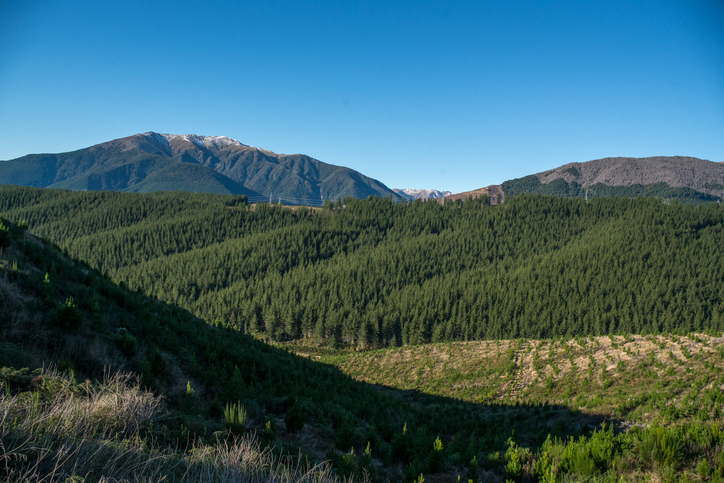
Get guidance on mapping your forest areas to assess eligibility for the Emissions Trading Scheme.
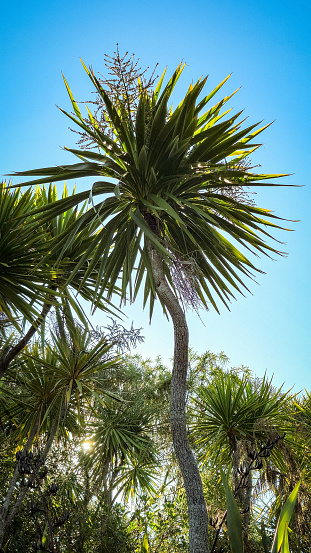
Learn how farms can use trees for carbon credits to boost income while enhancing te Taiao.
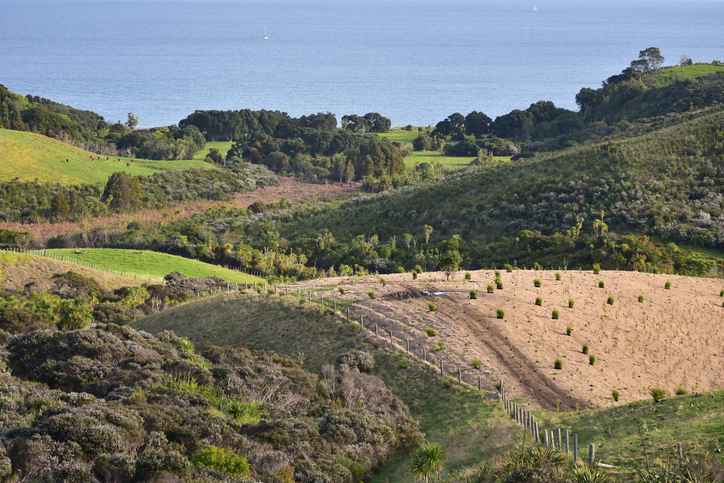
Find out how to convert marginal or depleted agricultural land into native forests for carbon farming.
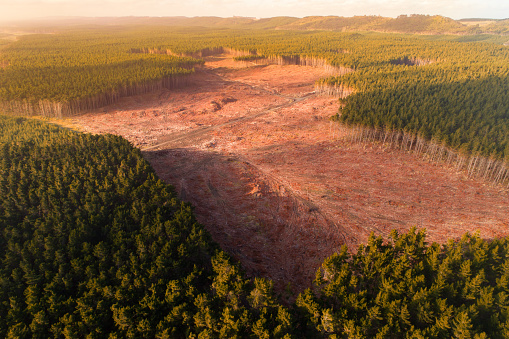
Learn about New Zealand's new rules for managing commercial forestry and its environmental impact.
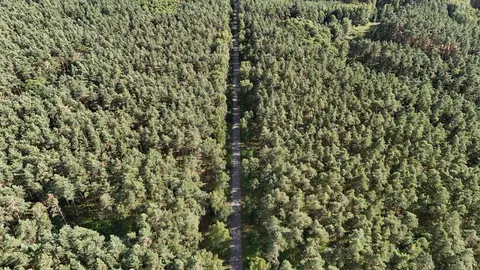
How the Emissions Trading Scheme works and who is in it.
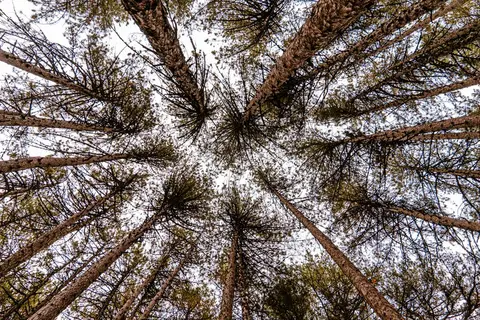
Paying for the first years before a carbon forest earns.
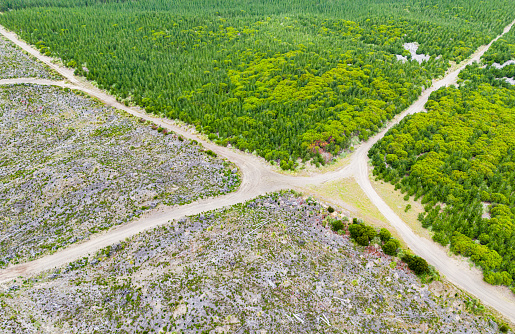
Learn about planning forest land for the Emissions Trading Scheme (ETS).
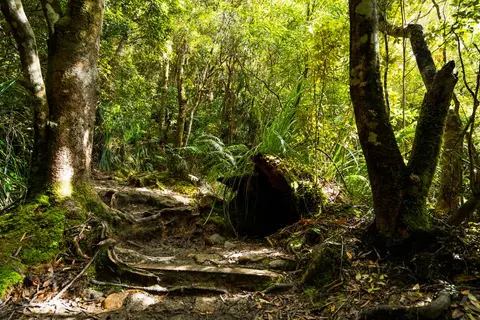
Earning carbon from native bush, planted or regenerating.
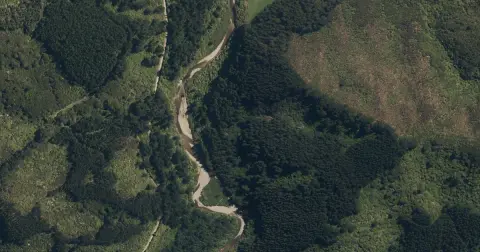
Timber, carbon or both: how the returns compare and when each wins.
Plain definitions of the ETS and carbon forestry terms.
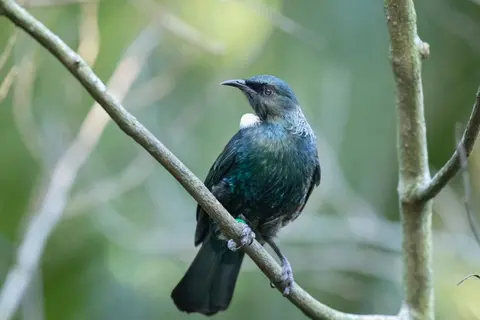
What a carbon forest does for birds, water and slopes beyond the carbon.