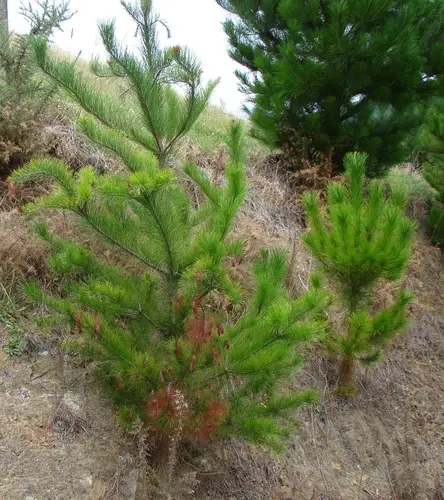
Wilding Pines and Carbon
Climate
Forestry
Pests and diseases
Policy
The clash between carbon credits and controlling wilding conifers.
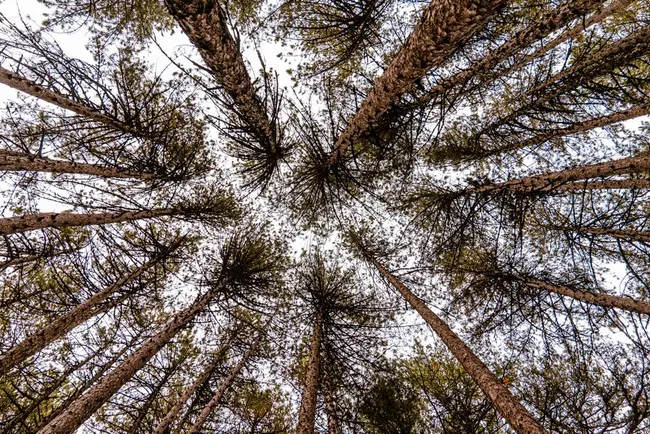
A new carbon forest costs money for several years before it pays. Exotic planting is cheaper to establish than native planting, and natural regeneration is cheapest of all, but every route needs pest and weed control and compliance costs each year.
The guide sets out the cash flow pattern across the life of a forest, how banks look at carbon projects, the alternatives such as investor partnerships, aggregation, pre-sold units and grants, what funders want to see before they commit, and the extra options open to native forestry.
The clash between carbon credits and controlling wilding conifers.

Work out how many plants you'll need for your restoration project, and what it might cost.
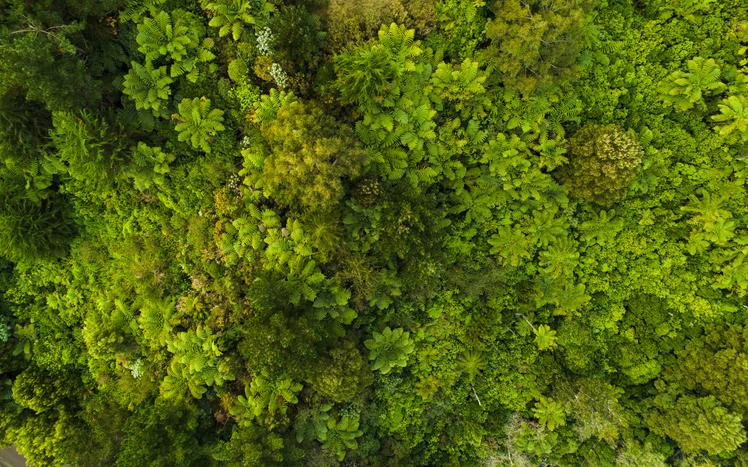
This paper examines the risks and benefits of investing in permanent forests in Aotearoa.
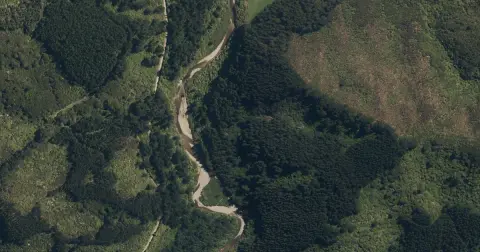
Timber, carbon or both: how the returns compare and when each wins.
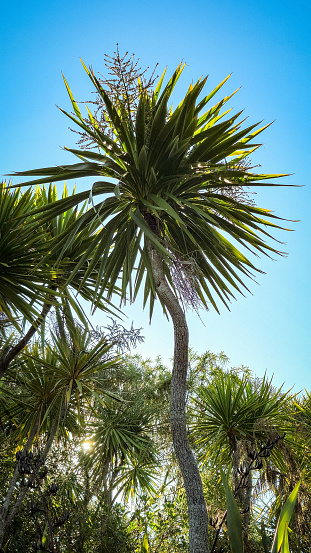
Learn how farms can use trees for carbon credits to boost income while enhancing te Taiao.

When carbon units are taxed, and how to plan the sales.
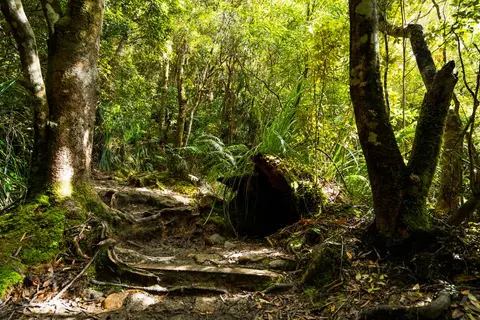
Earning carbon from native bush, planted or regenerating.
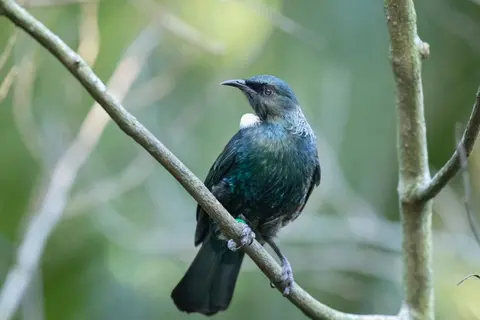
What a carbon forest does for birds, water and slopes beyond the carbon.

Te Kapunga Dewes discusses Māori views on forestry, native trees, and carbon finance.
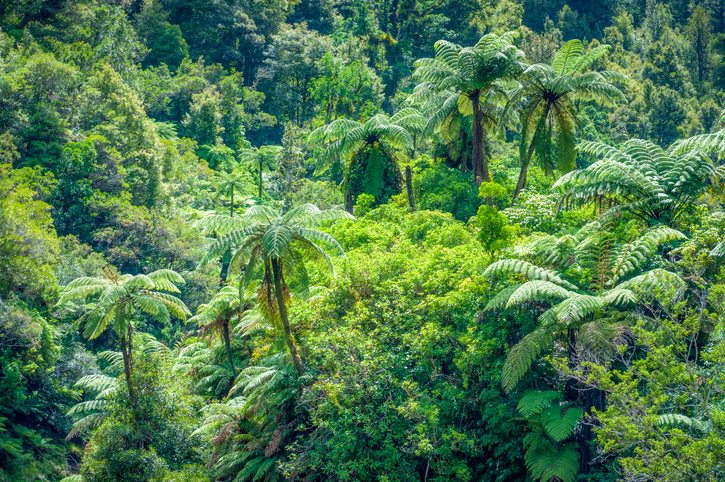
Tāne’s Tree Trust offers tools and calculators to help with planting native trees.
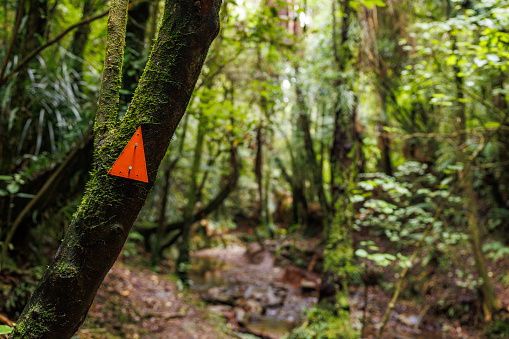
Get useful tips for restoring native forest on your whenua.
The two ways the ETS counts a forest's carbon, and which applies.
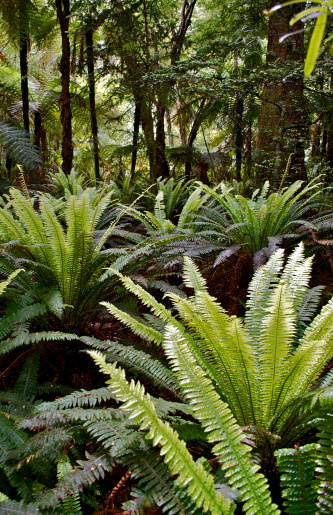
Get a better understandinf of what it takes to transition from exotic forests to natives.
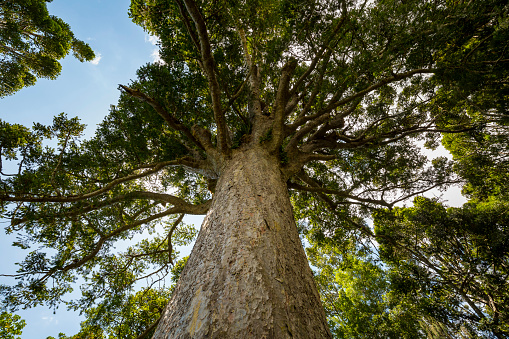
Guidance about how to choose between planting and natural regeneration for forest restoration.
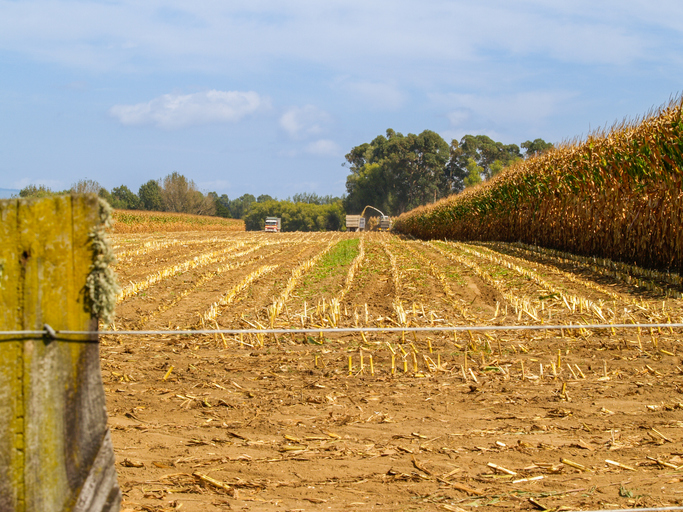
Learn the operating profit grain maize could earn on the whenua in your rohe each year.
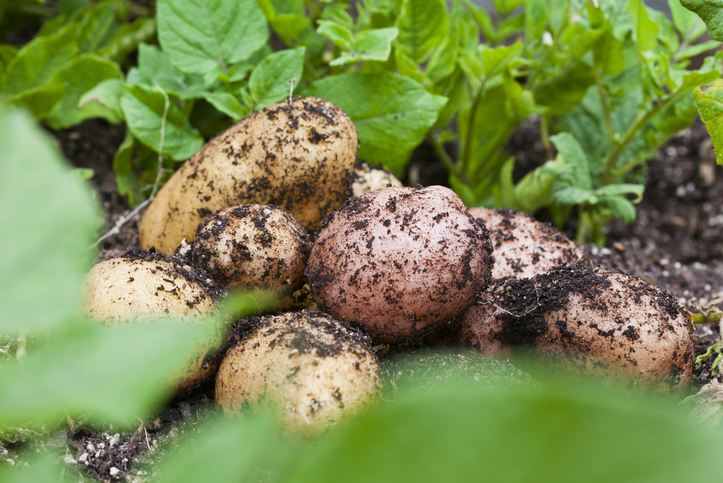
Discover the operating profit process potatoes could earn on the whenua in your rohe each year.
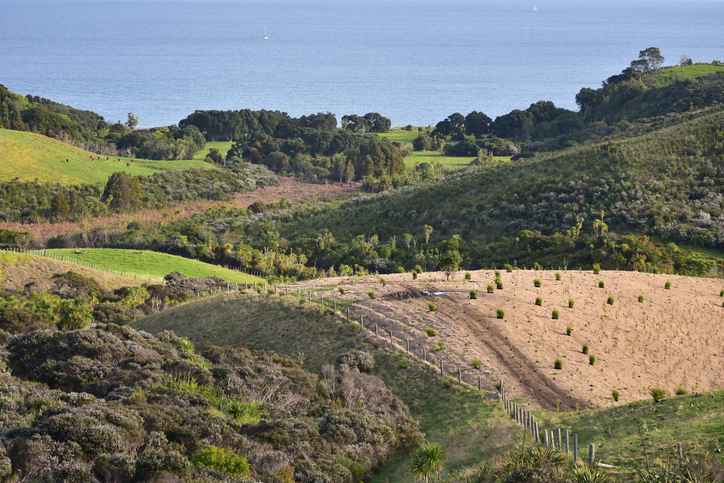
Find out how to convert marginal or depleted agricultural land into native forests for carbon farming.
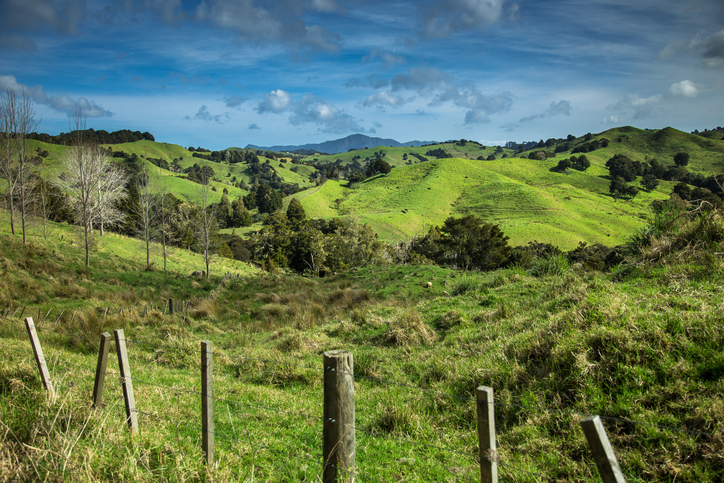
How grazing compares with pine and native forestry profitability on steep Northland hills.

Find out about carbon sequestration rates in native forests and planting methods in New Zealand.
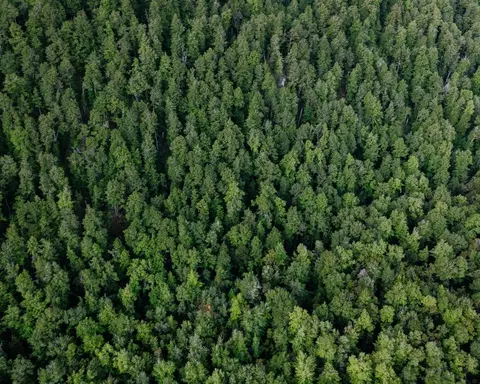
Look up expected carbon stock by forest age for small forests in the ETS.

Find out the operating profit onions could earn on the whenua in your rohe each year.
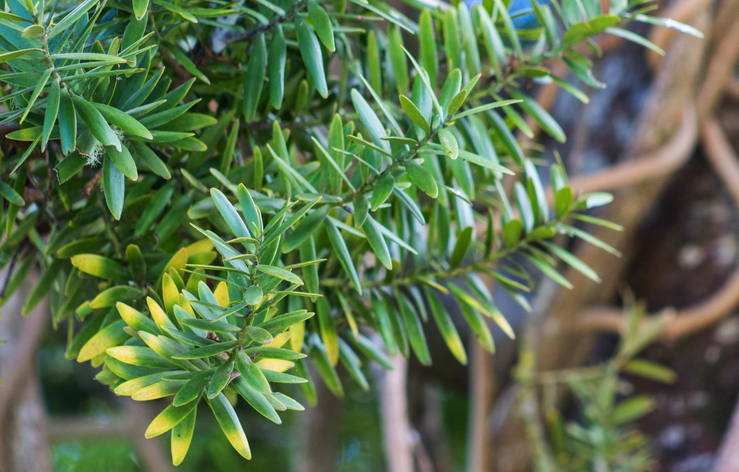
This guide offers practical advice on planting and managing tōtara trees for timber.

Explore the operating profit wheat could earn on the whenua in your rohe each year.