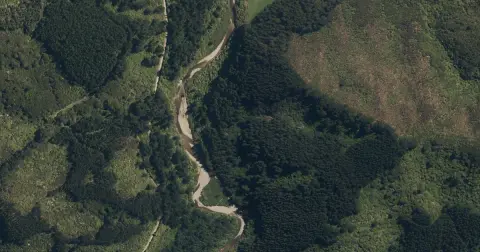
Carbon Farming vs Traditional Forestry
Climate
Agribusiness
Forestry
Profitability
Timber, carbon or both: how the returns compare and when each wins.

This guide starts from one rule: units from a post-1989 forest are taxed as income when they are sold, not when they arrive, and the sale is zero-rated for GST. Units from a pre-1990 forest follow a different rule.
It goes on to explain how units are treated as trading stock, the difference between received and purchased units, ways to smooth income across tax years, what happens when units are gifted or surrendered, and how the ownership structure changes the tax bill.
Timber, carbon or both: how the returns compare and when each wins.
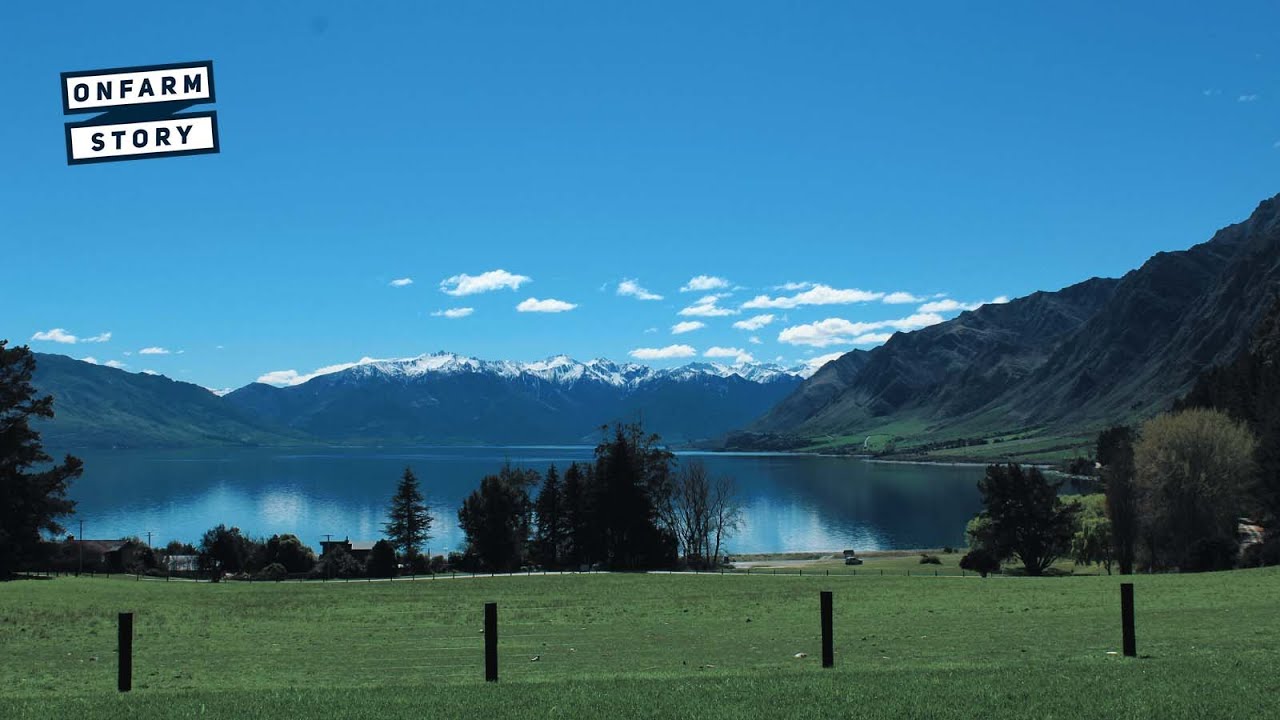
Learn how Lake Hawea Station became NZ's first carbon zero farm.
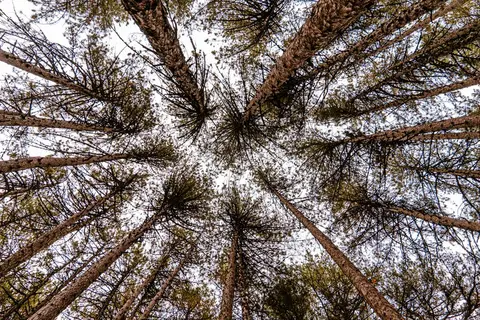
Paying for the first years before a carbon forest earns.
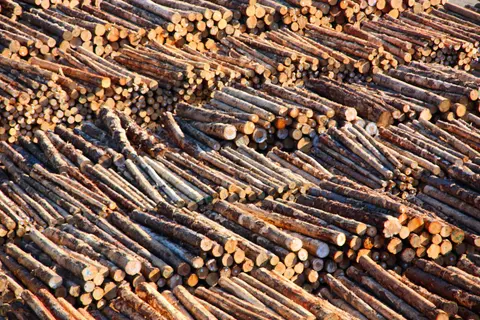
The two ways the ETS counts a forest's carbon, and which applies.
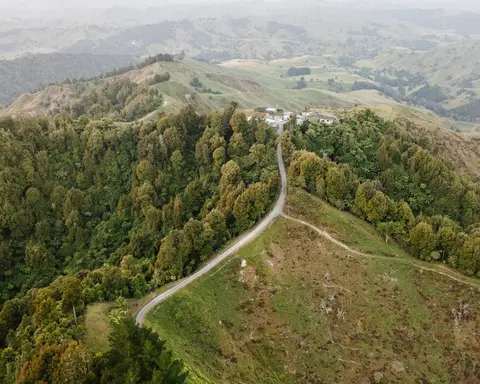
The standard tables that set a smaller forest's carbon earnings.

Learn how farms can use trees for carbon credits to boost income while enhancing te Taiao.
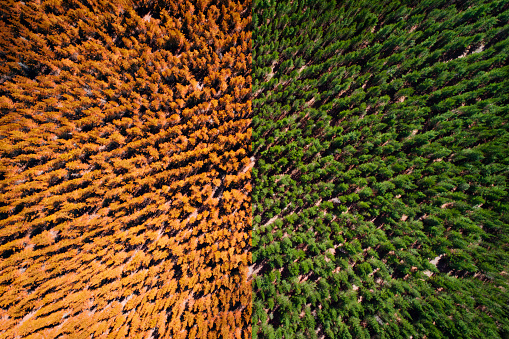
View monthly trends in New Zealand's Emissions Trading Scheme (ETS) transactions.

Learn how the NZ Emissions Trading Scheme works and who has to pay.
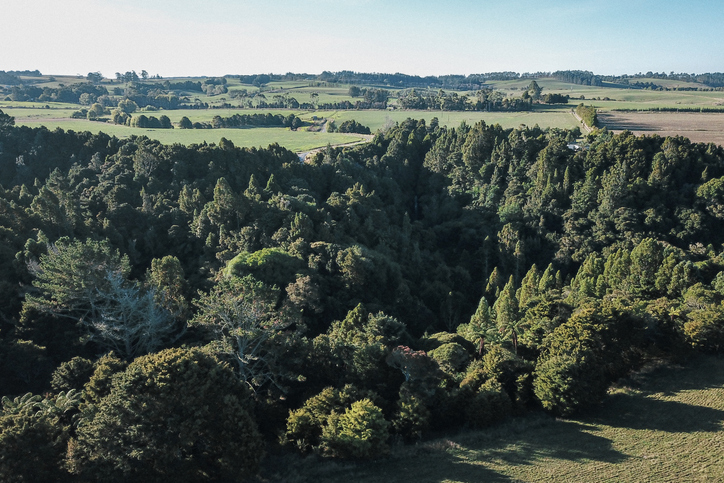
Learn how tree planting on farms can earn carbon credits in the Emissions Trading Scheme (ETS).
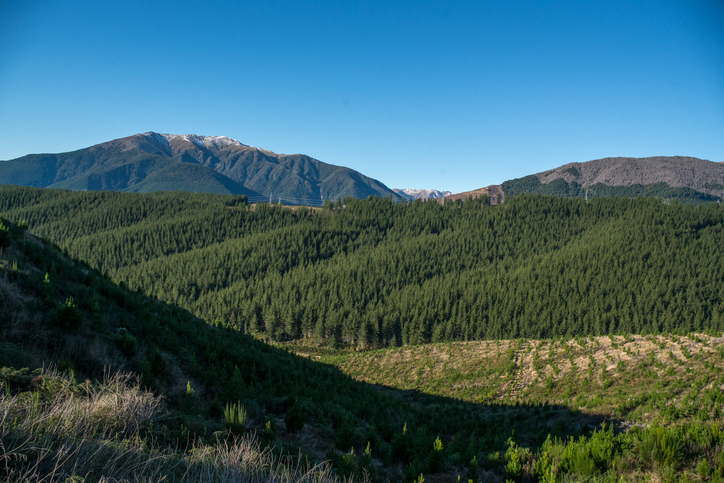
Get guidance on mapping your forest areas to assess eligibility for the Emissions Trading Scheme.

Use this tool to calculate profits from native tree stands and carbon income streams.
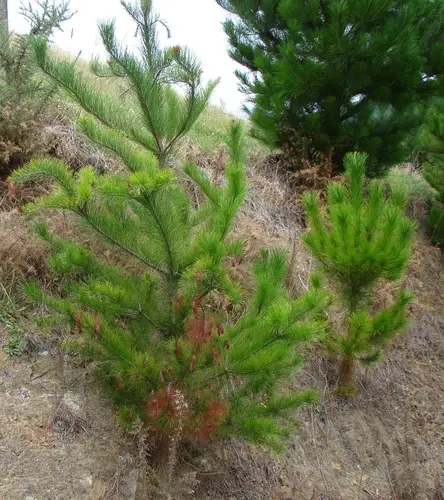
The clash between carbon credits and controlling wilding conifers.
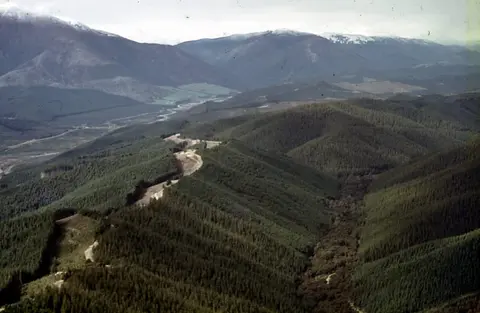
Understand the key considerations for land owners when considering entering the ETS.
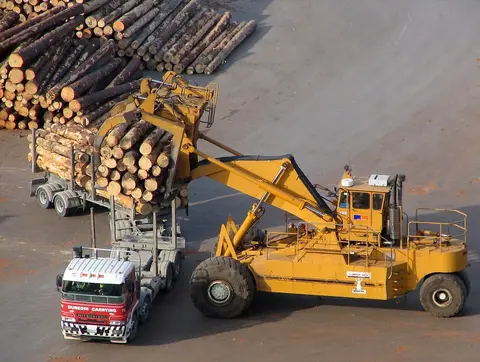
Compare the three ways to harvest and sell logs from your forest.
This video explains carbon farming and its benefits for Tairāwhiti’s environment and economy.
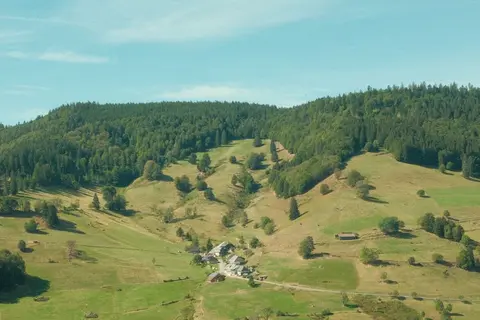
How the NZ ETS compares with schemes in Europe, Australia and elsewhere.
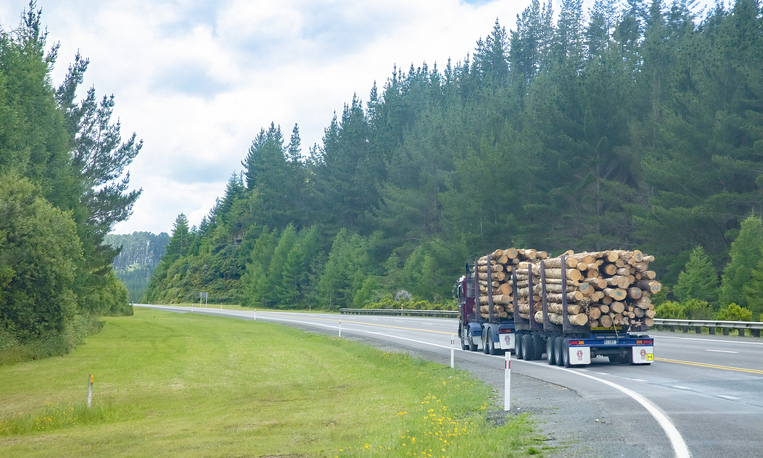
Learn about joining the forestry section of New Zealand's Emissions Trading Scheme (ETS).
How the Emissions Trading Scheme works and who is in it.
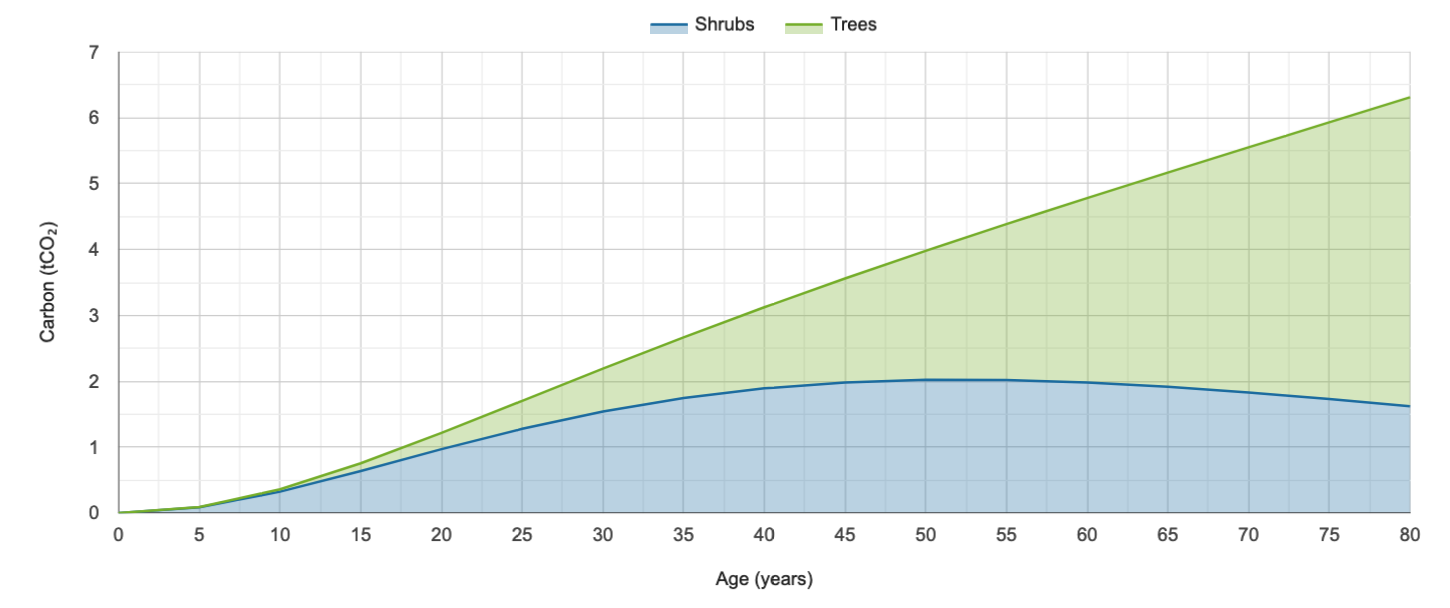
Calculate carbon storage in native forests and find planting needs to offset your footprint.

Learn how to manage taxes for Māori land trusts and incorporate for potential tax benefits.
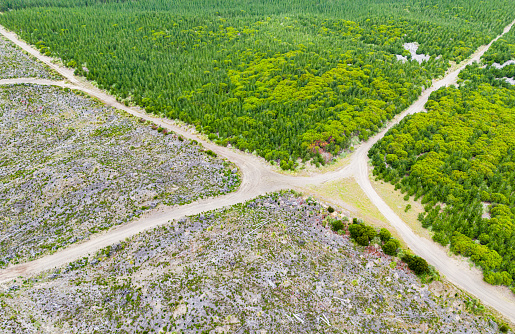
Learn about planning forest land for the Emissions Trading Scheme (ETS).
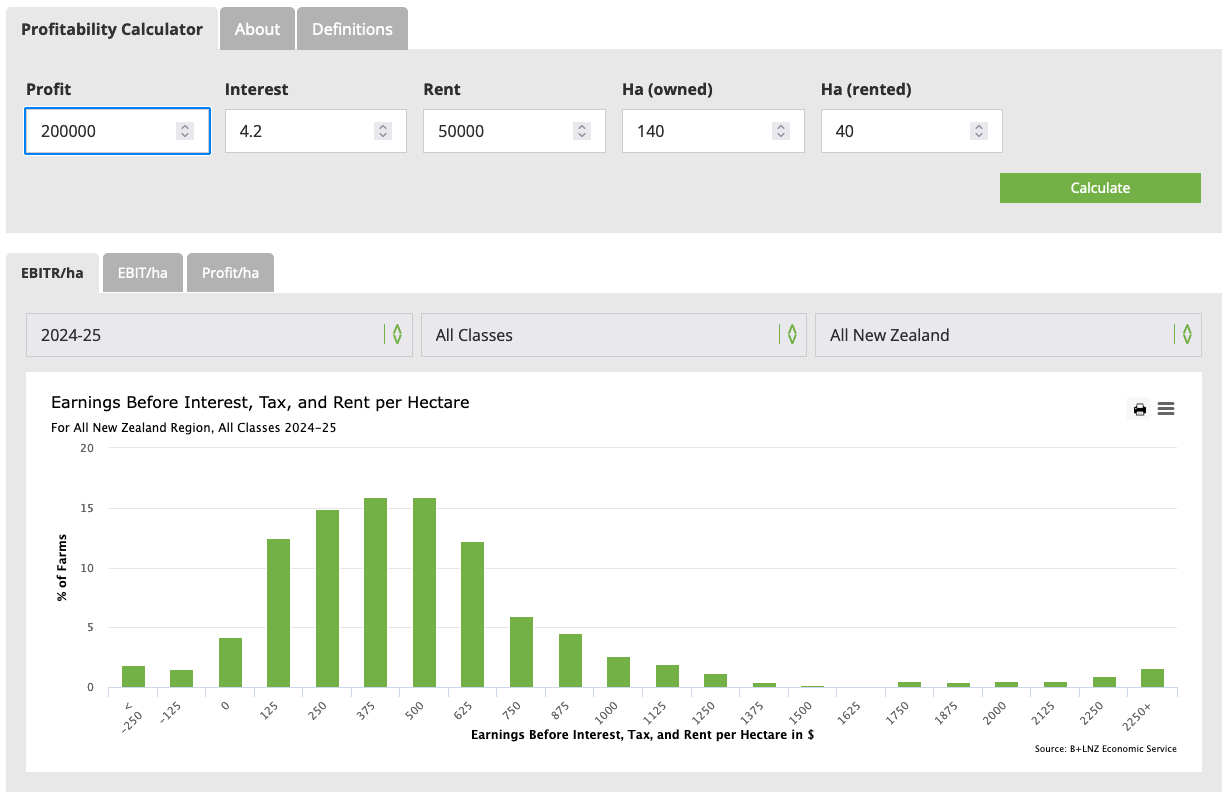
Benchmark your farm's profitability using key metrics like EBITR, EBIT, and profit per hectare.
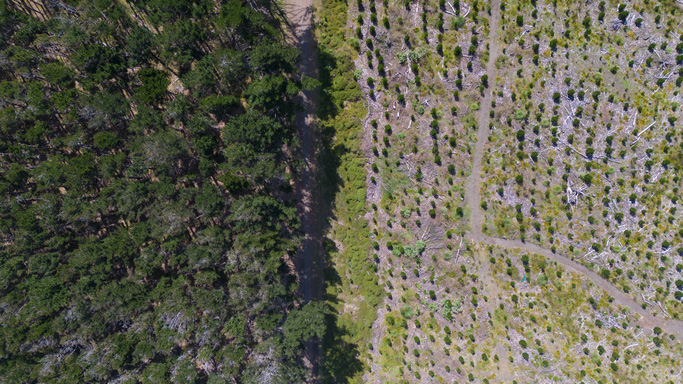
Track ETS unit movements, allocations, and surrenders since 2008.