Glossary of Carbon Farming Terms
Climate
Capability
Forestry
Sequestration
Plain definitions of the ETS and carbon forestry terms.
The ETS counts forest carbon in one of two ways. Stock change pays for growth and takes units back when carbon is lost, for example at harvest. Averaging pays up to the forest's long-term average and takes nothing back if the forest is replanted.
This guide compares the two with a worked example, explains which method applies to which forest, what the averaging age means for different species, and the trap for second-rotation or older forests that earn little under averaging.
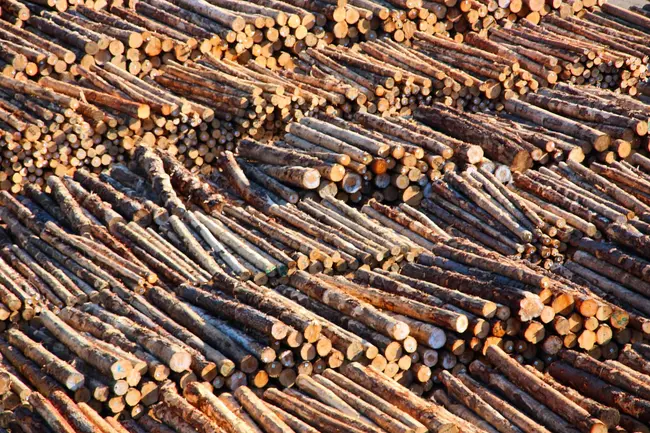
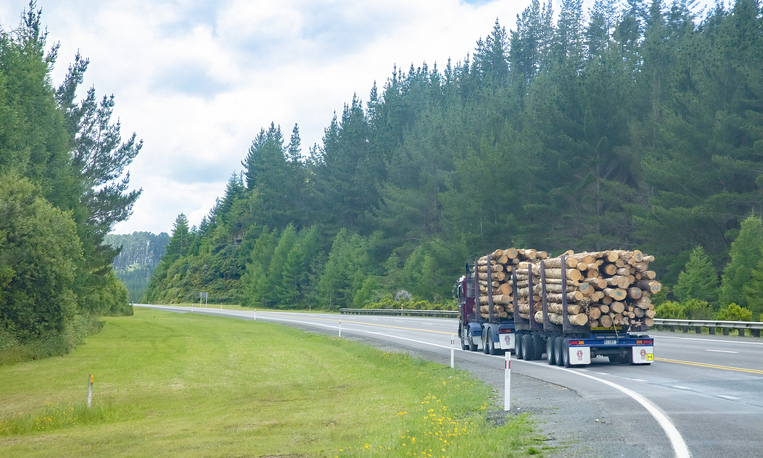
Photo: “005 New Zealand forestry industry - timber stored in large logging operation in Marlborough, New Zealand” by Marek Slusarczyk, licensed for reuse under CC BY 3.0
Plain definitions of the ETS and carbon forestry terms.
The standard tables that set a smaller forest's carbon earnings.
Learn how tree planting on farms can earn carbon credits in the Emissions Trading Scheme (ETS).
Learn about joining the forestry section of New Zealand's Emissions Trading Scheme (ETS).
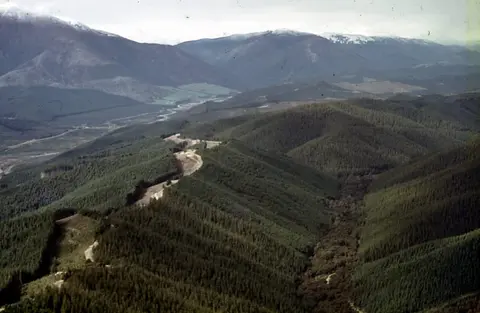
Understand the key considerations for land owners when considering entering the ETS.
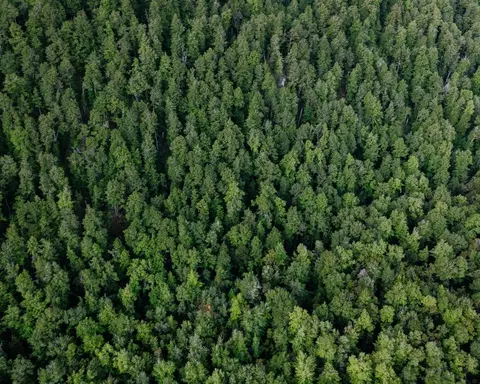
Look up expected carbon stock by forest age for small forests in the ETS.
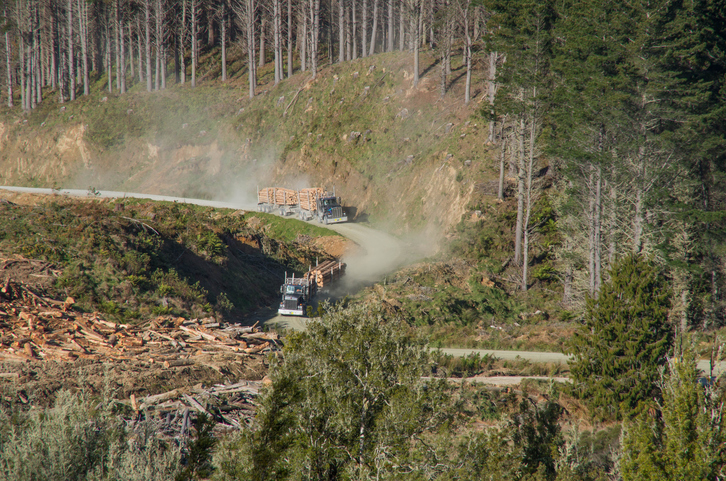
Compare how much carbon radiata pine could store on your whenua by age and stocking.
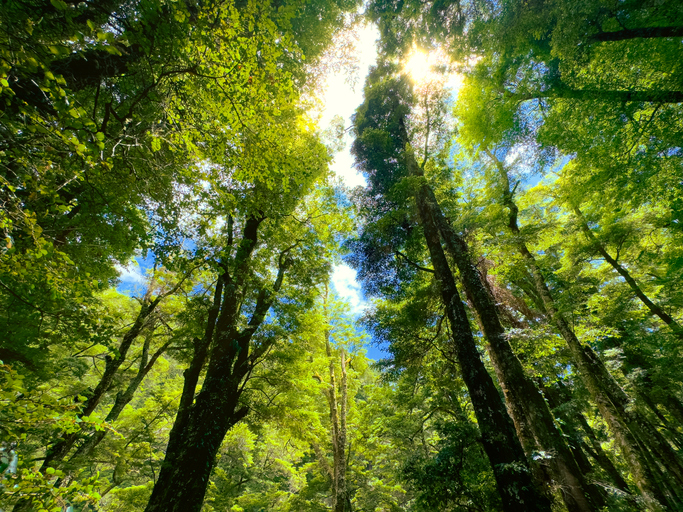
Learn how well-managed native forests can absorb significant amounts of carbon.

Learn about the role tree planting can play in reducing climate change impacts.
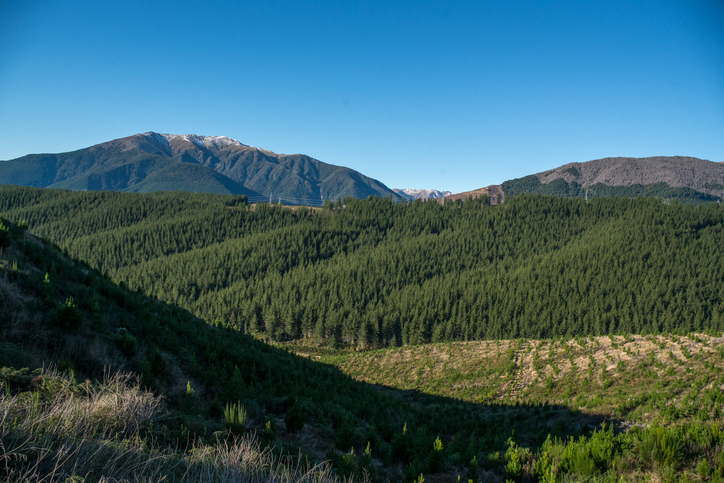
Get guidance on mapping your forest areas to assess eligibility for the Emissions Trading Scheme.
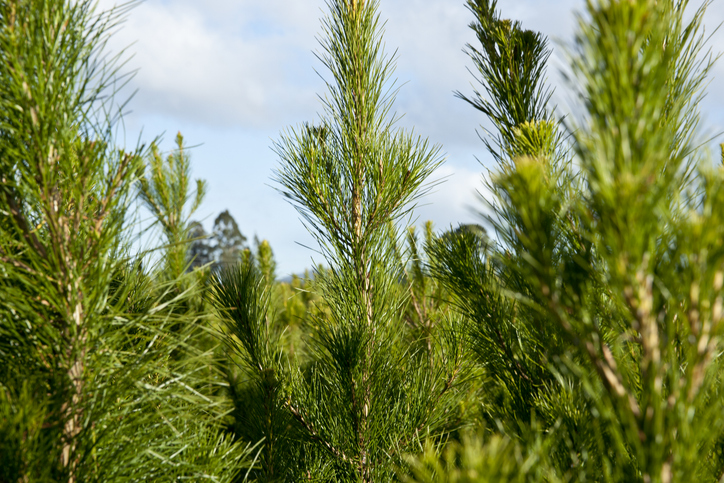
Find out how well radiata pine could grow and yield timber on your whenua.
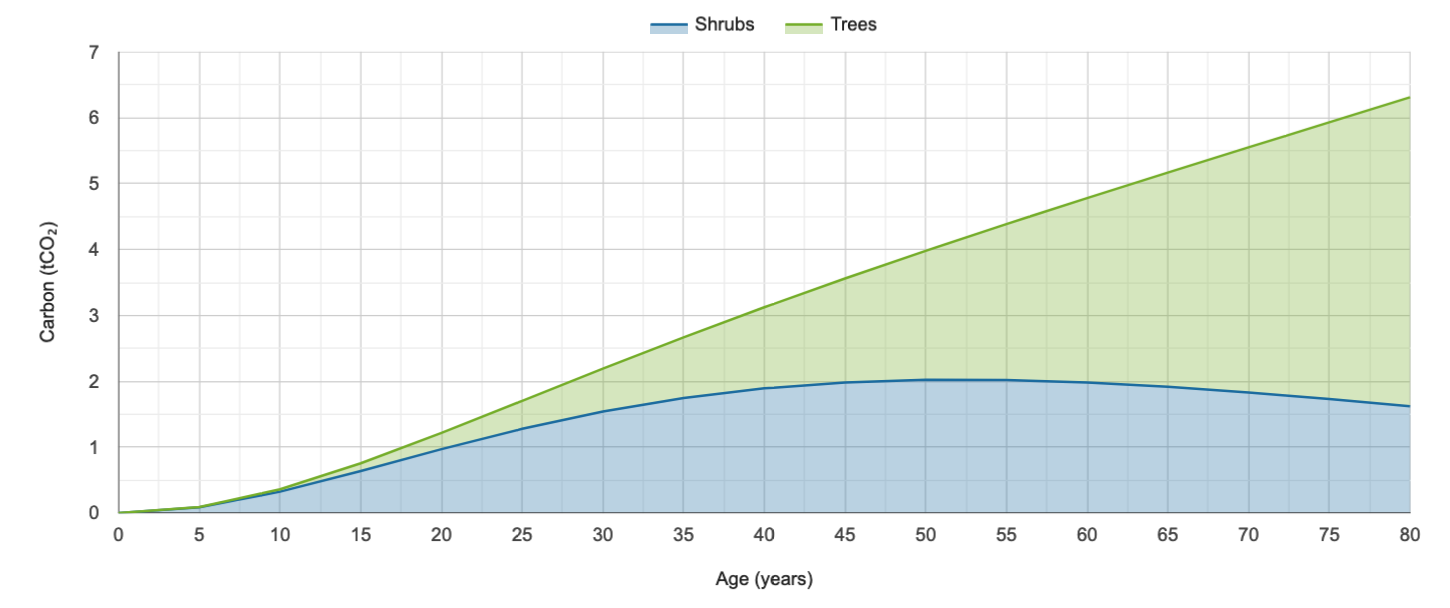
Calculate carbon storage in native forests and find planting needs to offset your footprint.
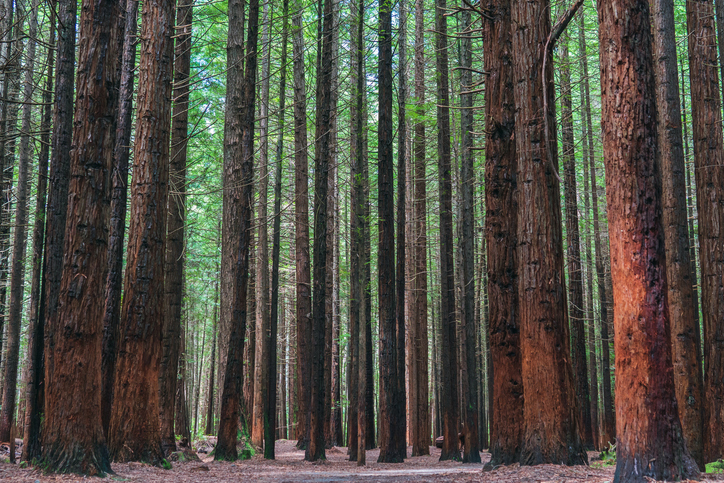
See how much carbon coast redwood could store on your whenua by age and stocking.
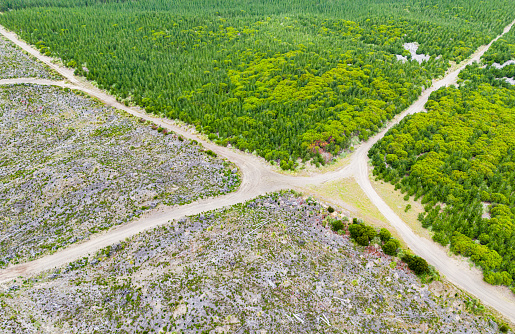
Learn about planning forest land for the Emissions Trading Scheme (ETS).
Learn how farms can use trees for carbon credits to boost income while enhancing te Taiao.
Timber, carbon or both: how the returns compare and when each wins.
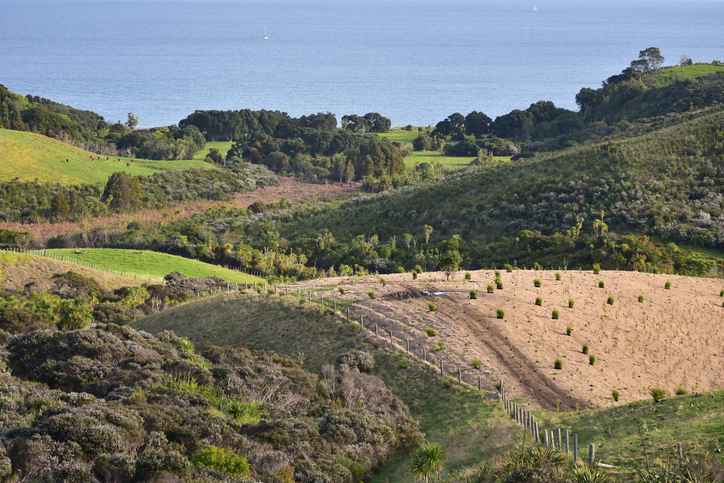
Find out how to convert marginal or depleted agricultural land into native forests for carbon farming.

When carbon units are taxed, and how to plan the sales.
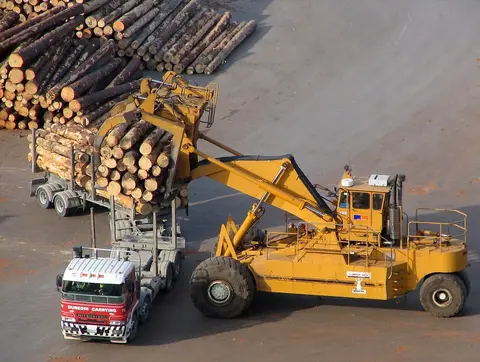
Compare the three ways to harvest and sell logs from your forest.
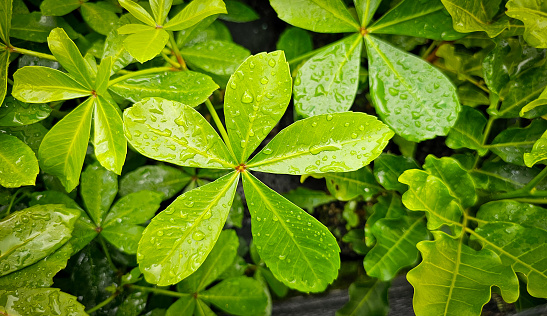
Reports from a nationwide survey of native tree plantings for growth and carbon insights.
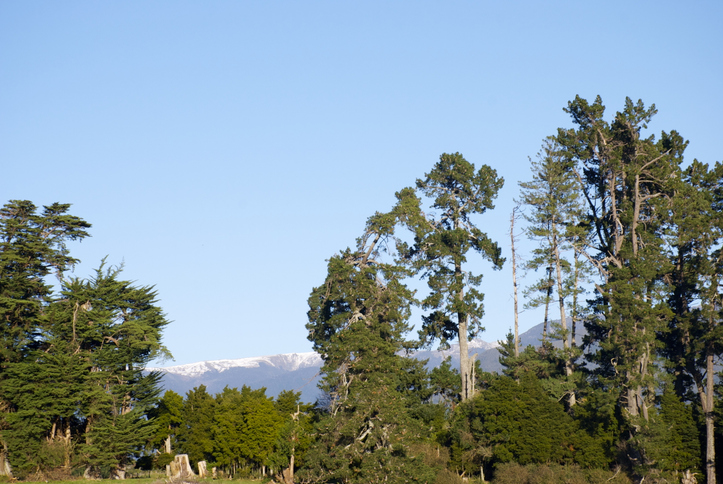
Learn how well cypress trees could grow and yield timber on your whenua.
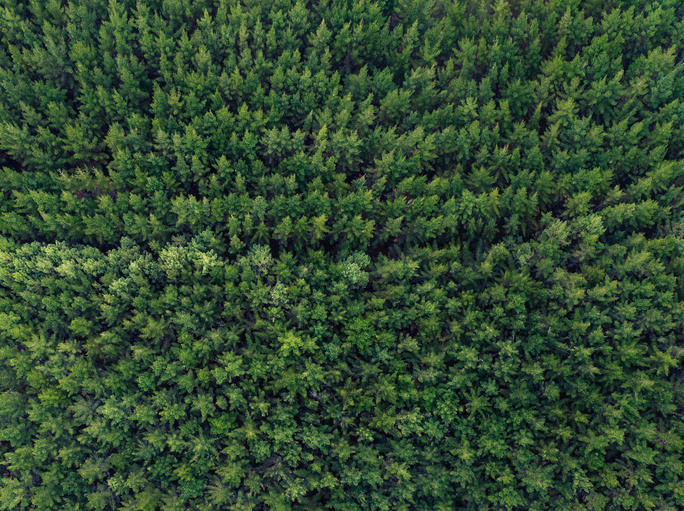
Find out how to plant and manage timber trees effectively and sustainably in the unique Taitokerau landscape.
How the NZ ETS compares with schemes in Europe, Australia and elsewhere.