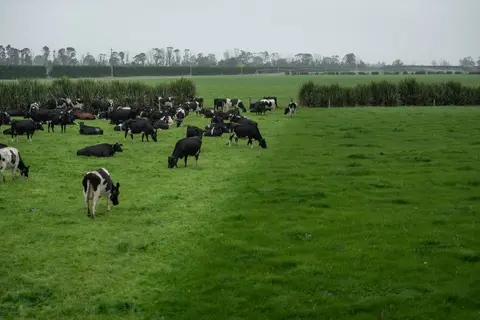
Owl Farm case study - Fertiliser and pasture management
Enterprise
Farm planning
Fertiliser
Soil
Review how fertiliser and grazing rotations are matched to feed demand.
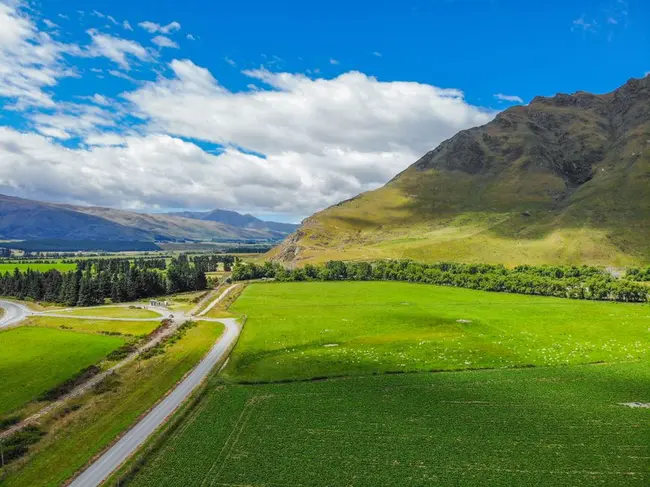
This page from Owl Farm, the Waikato demonstration dairy farm run jointly by St Peter's School and Lincoln University, reports pasture and crop yield gathered from weekly farm walks, split by top and bottom performing paddocks.
It covers the mix of ryegrass, cocksfoot, plantain and clover sown to lift yield and reduce nitrogen loss, and how yield data guides decisions on fertiliser, pasture renewal and where to grow crops.
Review how fertiliser and grazing rotations are matched to feed demand.
Explore how Owl Farm has lowered nitrogen fertiliser use and modelled nitrogen loss.
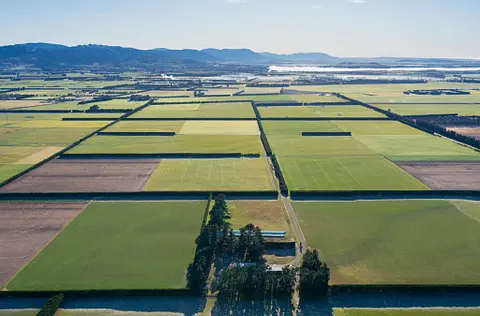
See how much pasture your land could grow under different irrigation choices.
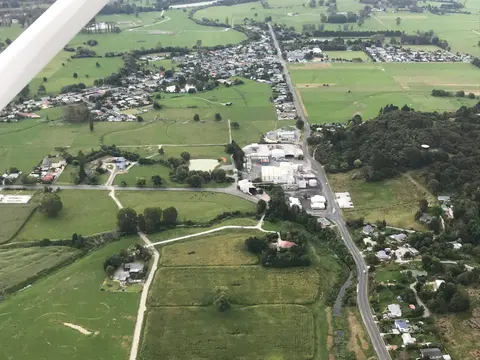
Compare season milksolids results against Owl Farm's production targets.
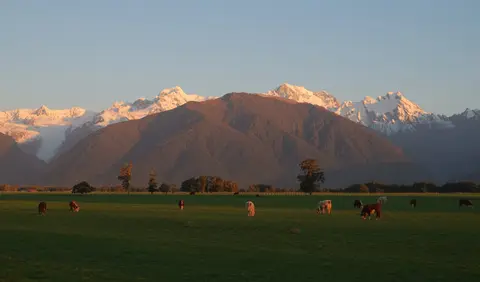
Discover ways to grow, manage and use pasture and crop for healthier, more efficient cows.
Learn how feed budgets keep pasture cover and cow condition on target.
Discover how Owl Farm tests and protects its soil's physical, chemical and biological health.
Explore how much onions the whenua in your rohe could produce each year.
See how susceptible your soil and climate are to nitrogen loss each month.
Learn how Owl Farm cut biological greenhouse gas emissions over a ten year period.
Explore how Owl Farm scores body condition through the season to guide feeding.
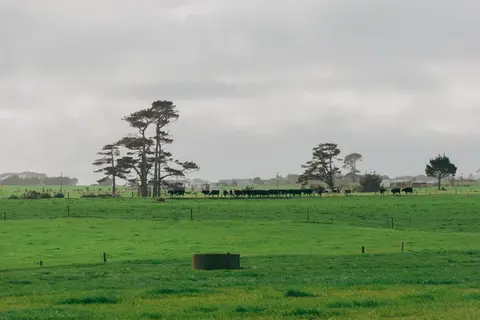
Learn how to plan, time and target nitrogen fertiliser so more of it ends up as pasture growth.
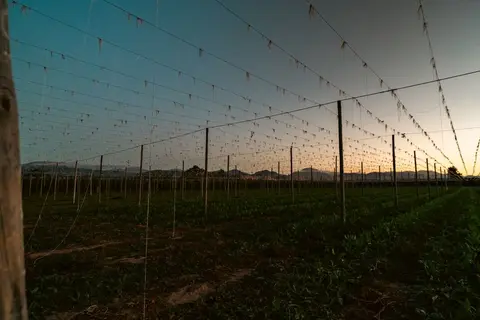
Find out how brassica crops are grown to fill the summer feed gap.
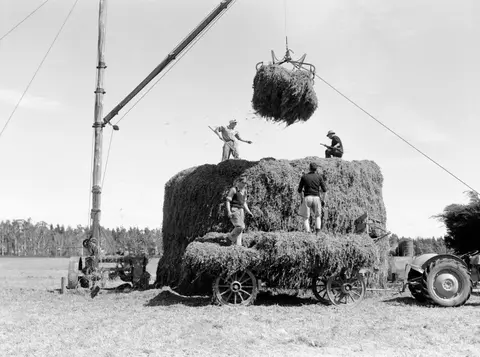
Check how imported feed is used strategically to lift milk from pasture.
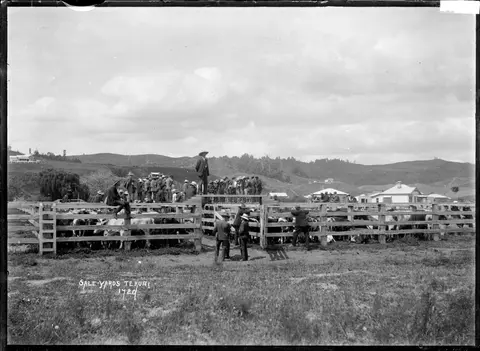
Track how Owl Farm's sexed semen and dairy beef mating plan lifted herd genetics.
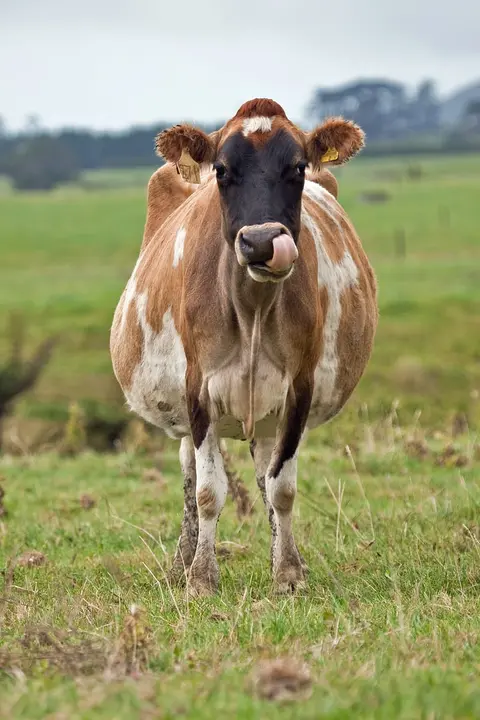
Track how a Waikato demonstration farm lifts its 6-week in-calf rate each season.
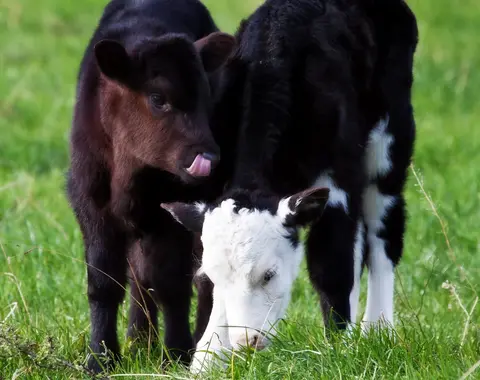
Explore how replacement calves are reared and grown out to entry weight.
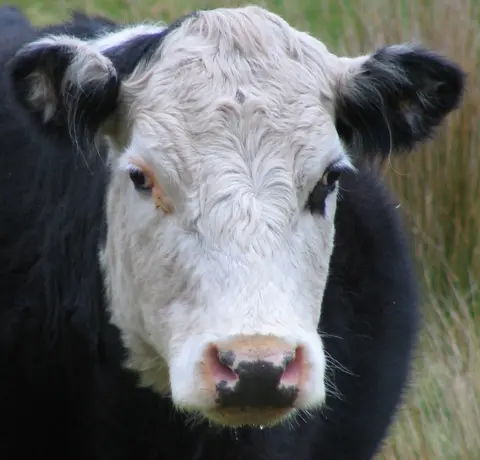
See how Owl Farm builds a seasonal well-being plan for its dairy herd with local vets.
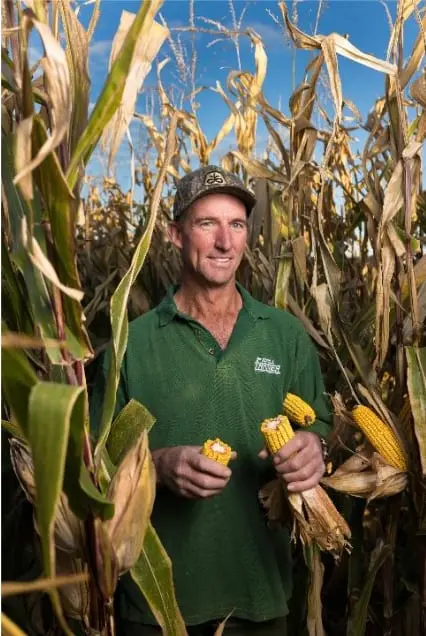
Discover how a North Waikato cropper cut nitrogen and emissions by switching to no-till maize.
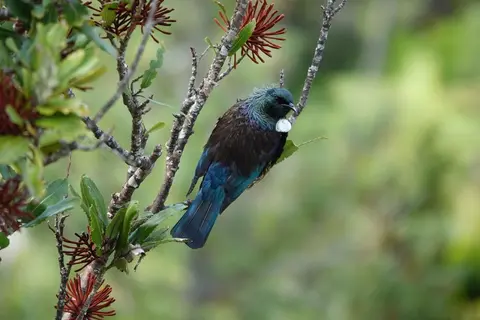
Track the native species and planting programme behind Owl Farm's biodiversity.
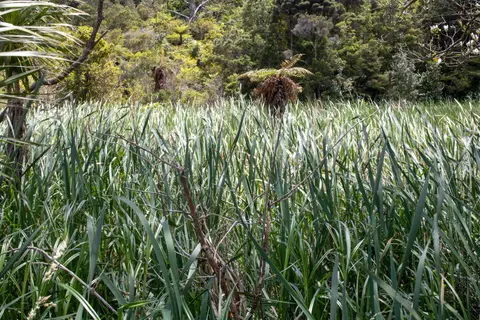
See how Owl Farm's constructed wetland strips nitrogen and sediment from farm runoff.
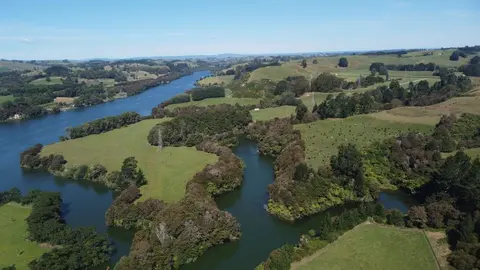
Find out how Owl Farm measures and reduces water use in its dairy shed.