Owl Farm case study - Nitrogen management
Whenua
Fertiliser
On-farm actions
Soil
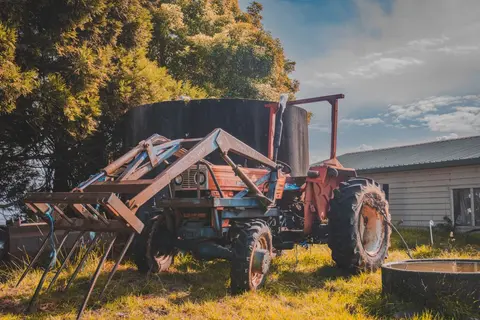
Explore how Owl Farm has lowered nitrogen fertiliser use and modelled nitrogen loss.
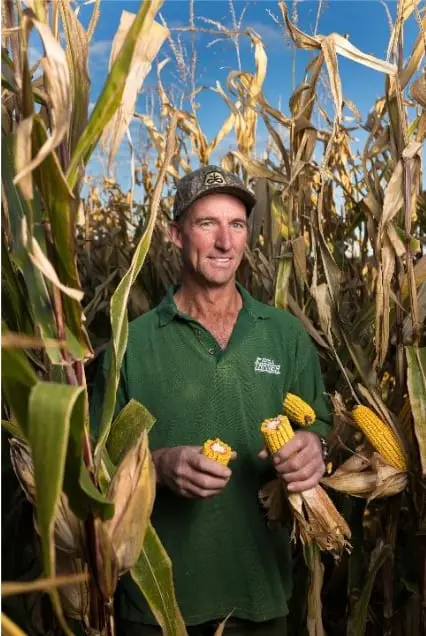
Chris Pellow crops maize, barley and silage across land he owns and leases near Onewhero and Mercer in North Waikato. This case study traces his two-decade move from conventional cultivation to a no-till system built around unharvested winter cover crops.
Pellow explains how rolling and crimping cover crops before direct drilling maize protects soil structure, cuts nitrogen losses and lowers input costs, and backs it up with figures on reduced fertiliser use and a large drop in greenhouse gas emissions. His advice to other growers is to start small, use your best paddock and learn from others making the same change.
Explore how Owl Farm has lowered nitrogen fertiliser use and modelled nitrogen loss.
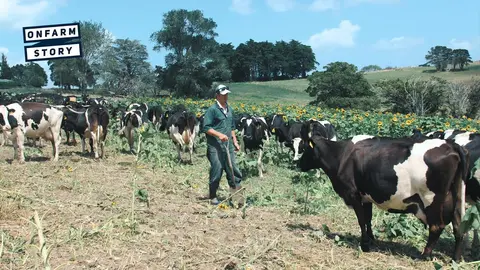
Explore how a Northland dairy farmer is rebuilding soil health with cover crops.
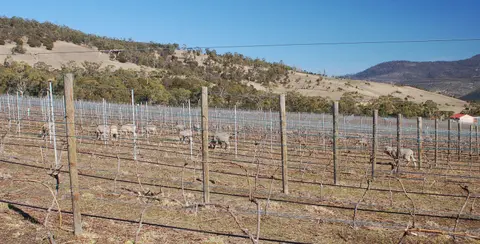
See how leading growers use cover crops, compost and grazing sheep to rebuild vineyard soils.
Find out how brassica crops are grown to fill the summer feed gap.
Learn how a South Canterbury arable farm has built soil health with no-till since 1998.
Learn how cropping and horticulture can reduce greenhouse gas emissions in New Zealand.
Track how sowing and harvest timing for maize could shift as the climate changes.
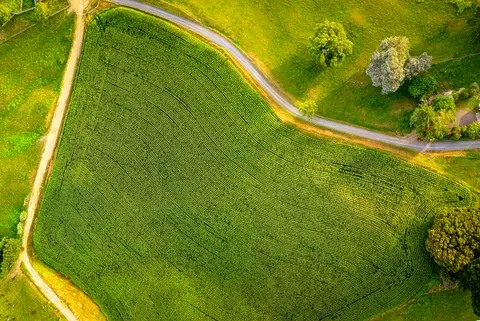
Find out how much grain maize the whenua in your rohe could produce each year.
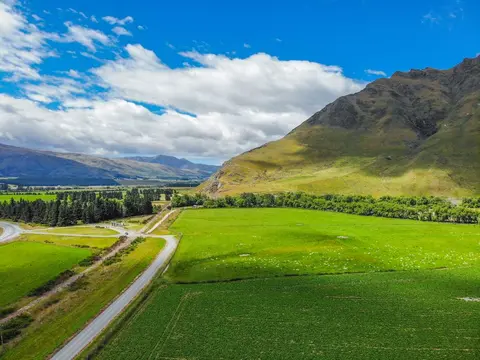
Discover which paddocks grow the most feed and why some fall short.
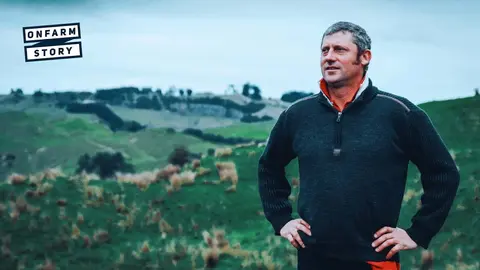
See how a Rangitīkei farmer uses social media to share 150 years of family history on the land.
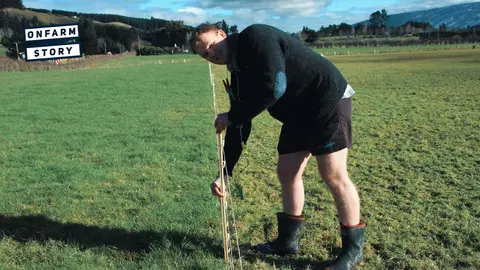
Wilson Mitchell shares his insights into improving health and wellbeing for people in rural communities.
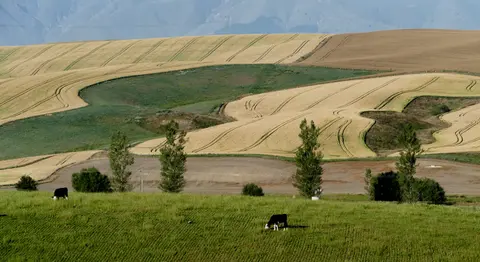
See how water shortfalls under maize could change as the climate warms.
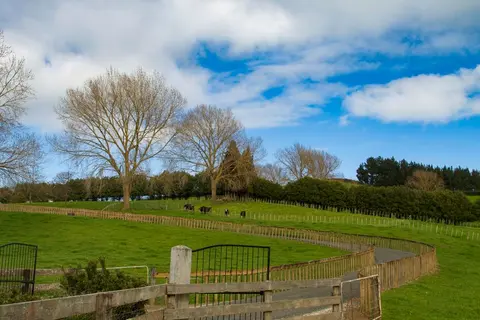
Learn how Owl Farm cut biological greenhouse gas emissions over a ten year period.
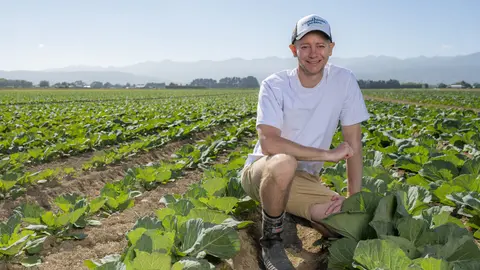
See how a Horowhenua vegetable grower nearly halved fertiliser use and cut emissions.
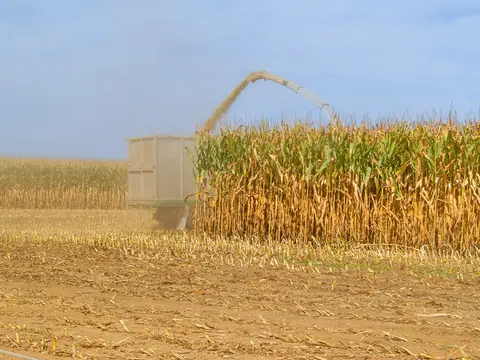
Find out how often heat stress could hit maize in your rohe as the climate changes.
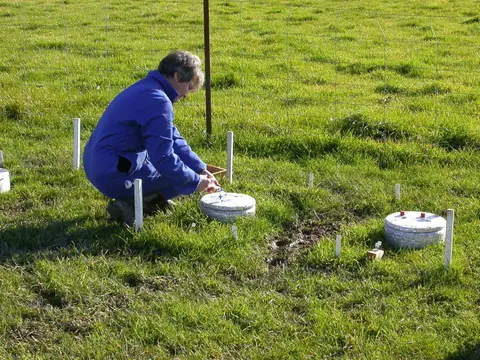
Learn how nitrogen management on farm can cut nitrous oxide losses.
This guide explains how to cut nitrogen use, reducing nitrous oxide emissions on farms.
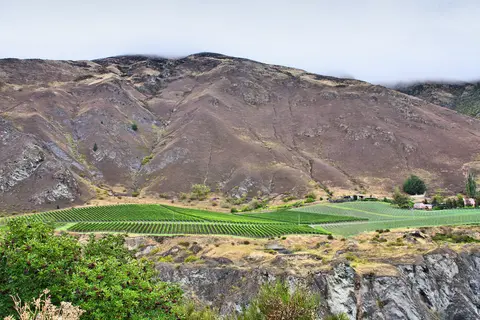
Discover how Amisfield converted to organics and cut water use with subsurface irrigation.
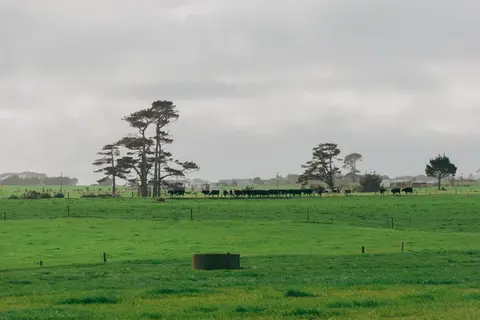
Learn how to plan, time and target nitrogen fertiliser so more of it ends up as pasture growth.
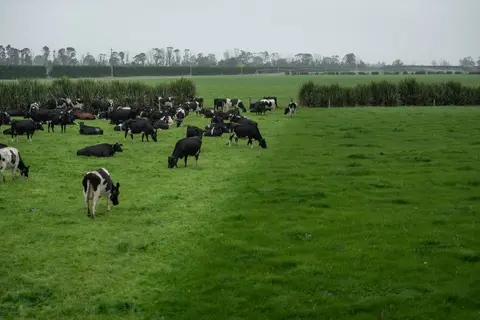
Review how fertiliser and grazing rotations are matched to feed demand.
Explore actions New Zealand farmers can take to reduce greenhouse gas emissions effectively.
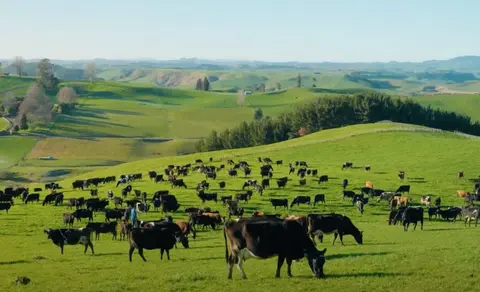
Learn how Doug and Kathy Wallace lowered emissions on their Pukeatua dairy farm.
See how much wheat, barley and oats the whenua in your rohe could produce each year.