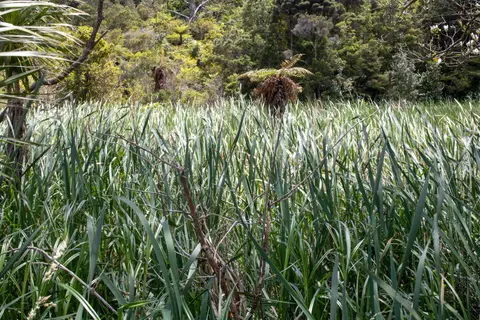
Owl Farm case study - Wetland performance
Climate
Biodiversity
Regeneration
Water
See how Owl Farm's constructed wetland strips nitrogen and sediment from farm runoff.
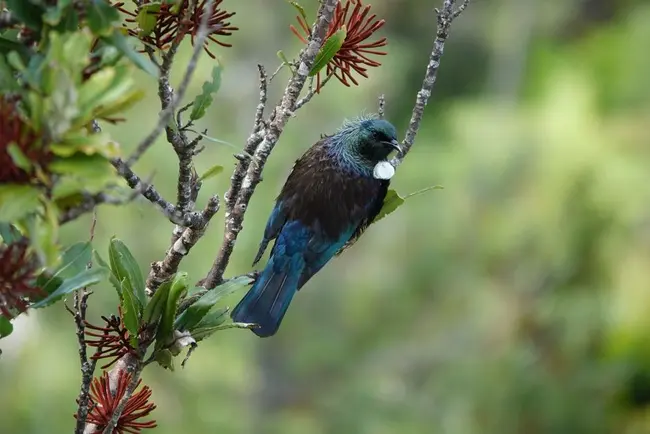
This page from Owl Farm, a demonstration dairy farm in the Waikato, covers the stock-excluded trees, scrub, wetland and native plantings across its landscape. It reports on Ecoblitz surveys carried out by Lincoln University in 2015 and 2017, which recorded hundreds of bird, insect, plant and mammal taxa on the farm and surrounding school campus.
It also covers the farm's Integrated Planting Plan and its partnership with St Peter's School students, who pot up a thousand native seedlings a year through the Trees for Survival programme.
See how Owl Farm's constructed wetland strips nitrogen and sediment from farm runoff.
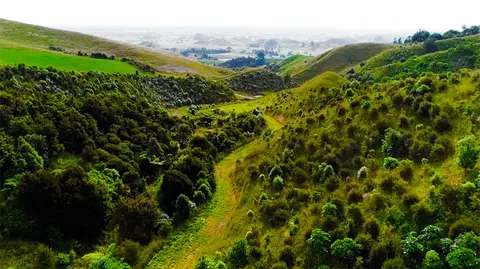
Cassie’s Farm is restoring native forest on their 220-acre drystock farm.
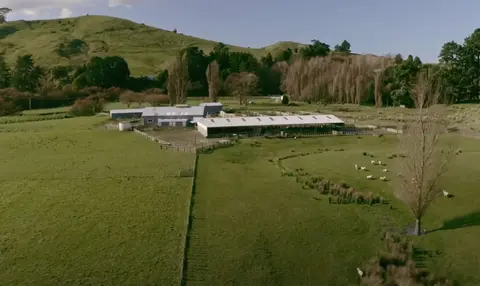
Explore how a Wairarapa sheep and beef farm cuts nitrogen while restoring wetlands and natives.
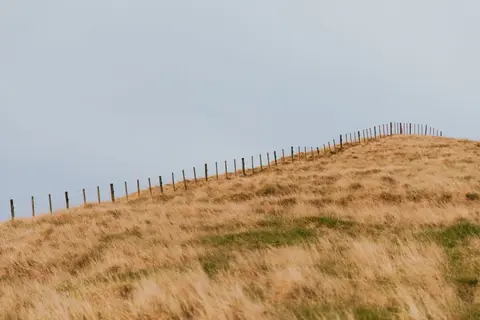
Discover how Owl Farm tests and protects its soil's physical, chemical and biological health.
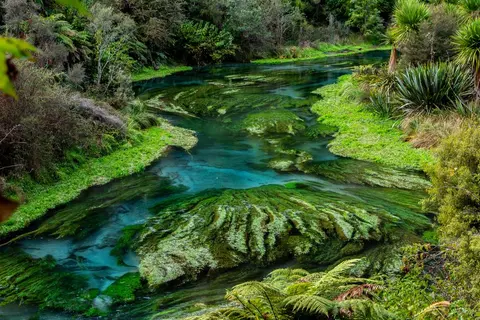
Follow how Owl Farm's environment plan guides its land, water and effluent management.
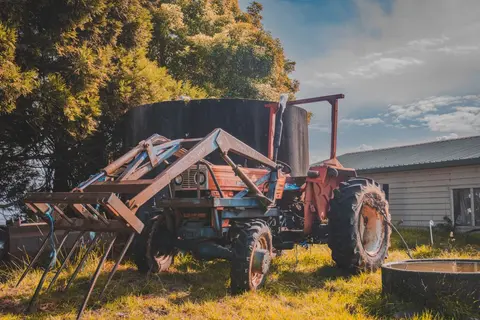
Explore how Owl Farm has lowered nitrogen fertiliser use and modelled nitrogen loss.
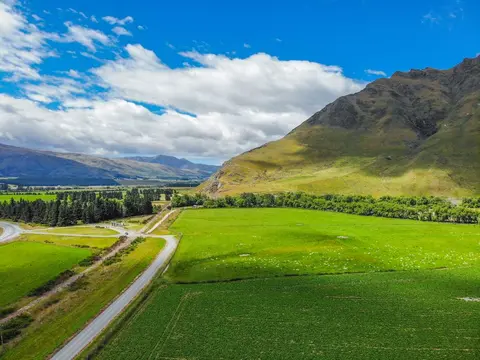
Discover which paddocks grow the most feed and why some fall short.
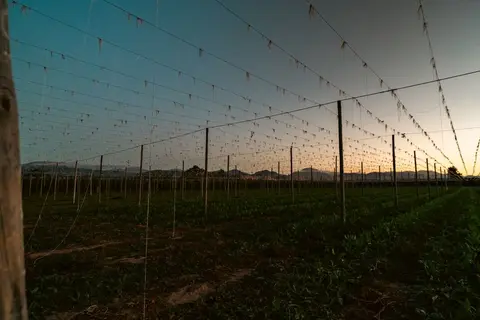
Find out how brassica crops are grown to fill the summer feed gap.
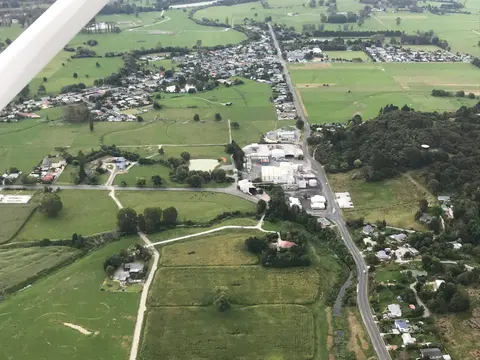
Compare season milksolids results against Owl Farm's production targets.
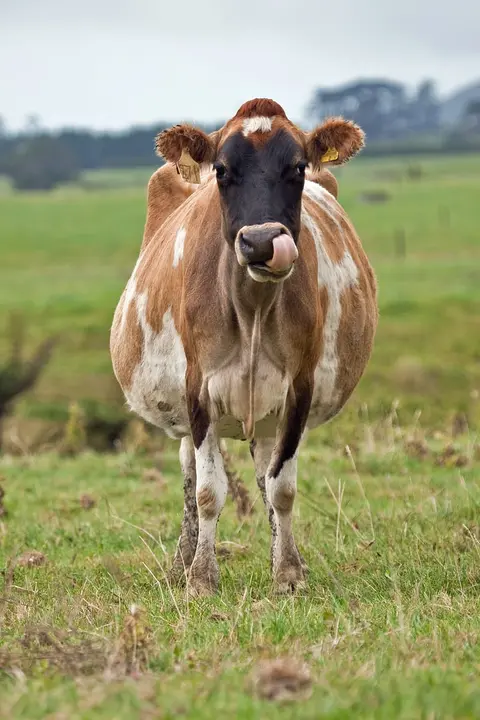
Track how a Waikato demonstration farm lifts its 6-week in-calf rate each season.
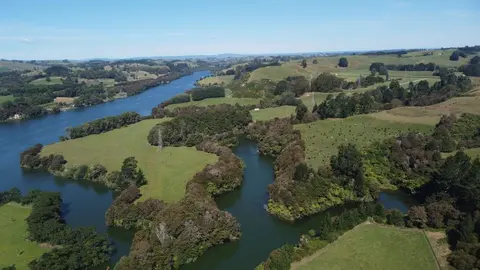
Find out how Owl Farm measures and reduces water use in its dairy shed.
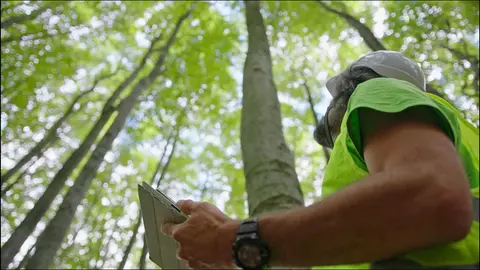
Read about a range of science projects related to the 1BT Programme.
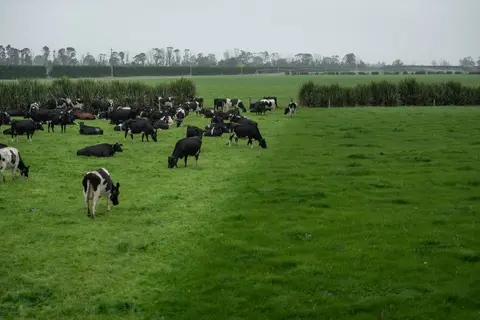
Review how fertiliser and grazing rotations are matched to feed demand.
Learn how feed budgets keep pasture cover and cow condition on target.
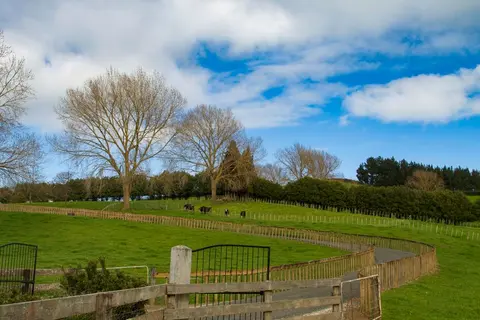
Learn how Owl Farm cut biological greenhouse gas emissions over a ten year period.
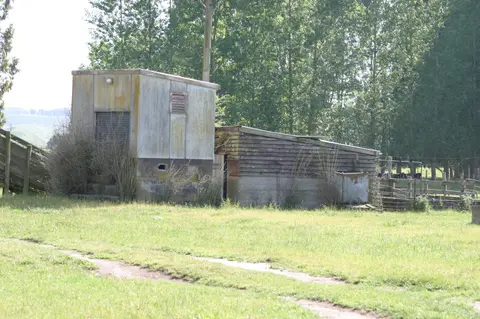
See what keeps Owl Farm's alert, grade and demerit counts falling.
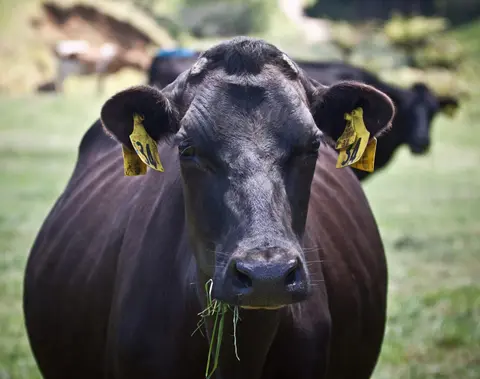
Read how genetic selection keeps Owl Farm's herd among the nation's best.
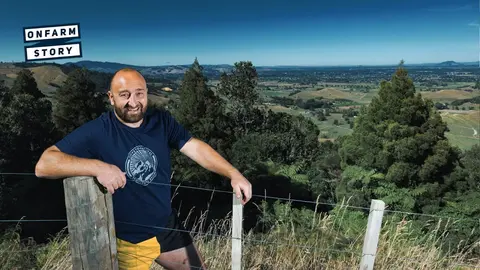
Adam Thompson helps farmers plant native trees on their land, promoting biodiversity and sustainability.
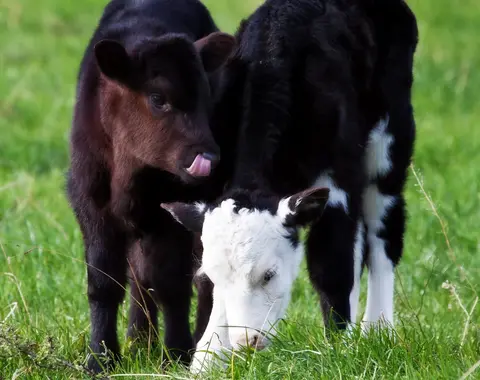
Explore how replacement calves are reared and grown out to entry weight.
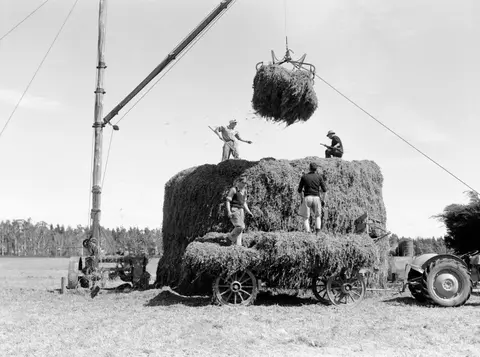
Check how imported feed is used strategically to lift milk from pasture.
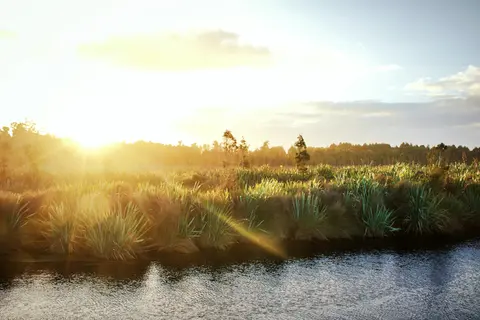
Learn how to plant and restore wetlands in New Zealand for better ecosystems.
Learn how Owl Farm halved its lameness rate by changing yard flow and race care.