Owl Farm case study - Mastitis control
Enterprise
Dairy
Livestock
Wellbeing
Discover how Owl Farm keeps mastitis cases and cell counts down in its herd.
This page from Owl Farm, the Waikato demonstration dairy farm run jointly by St Peter's School and Lincoln University, reports milk quality results against Fonterra's Co-operative Difference standard, including alerts, grades and demerit points by season.
It covers teat spraying and rapid mastitis testing practice, how herd test data is used to cull high somatic cell count cows before summer milking changes, and the plant hygiene checks run each season.
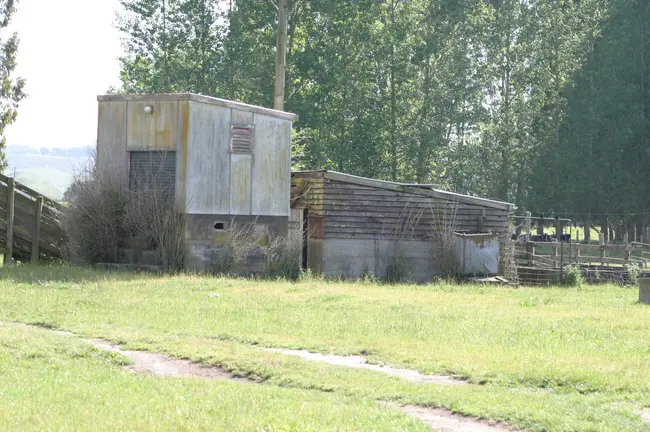
Photo: “Disused Dairy Milking Shed at Ngakuru” by DB Thats-Me, licensed for reuse under CC BY-SA 3.0
Discover how Owl Farm keeps mastitis cases and cell counts down in its herd.
See how preventing mastitis and lifting milk quality reduces treatment costs and lost production.
Compare season milksolids results against Owl Farm's production targets.
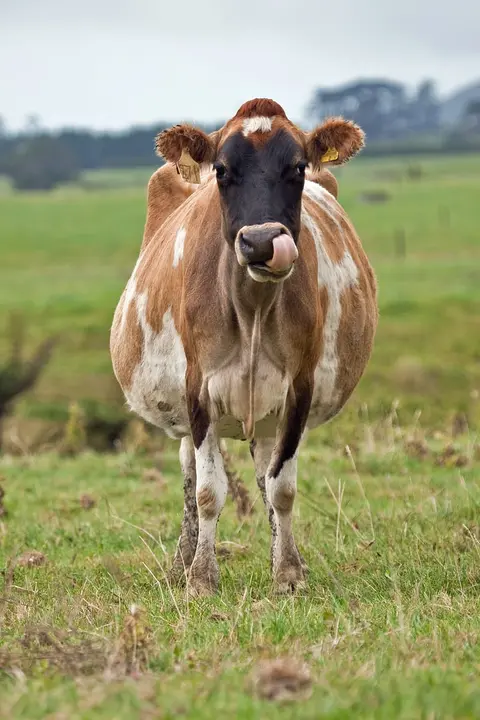
Track how a Waikato demonstration farm lifts its 6-week in-calf rate each season.
Learn how feed budgets keep pasture cover and cow condition on target.
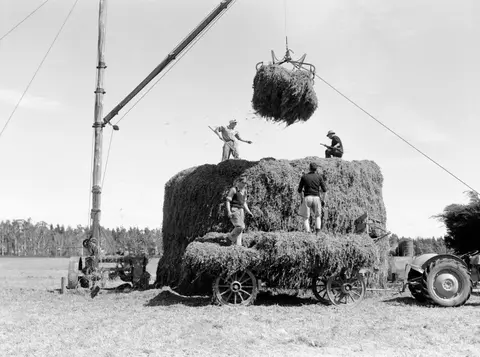
Check how imported feed is used strategically to lift milk from pasture.
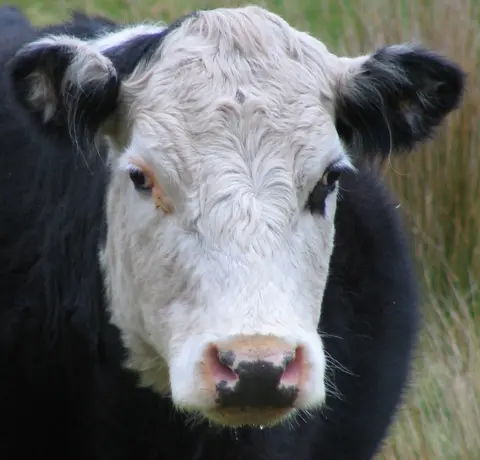
See how Owl Farm builds a seasonal well-being plan for its dairy herd with local vets.
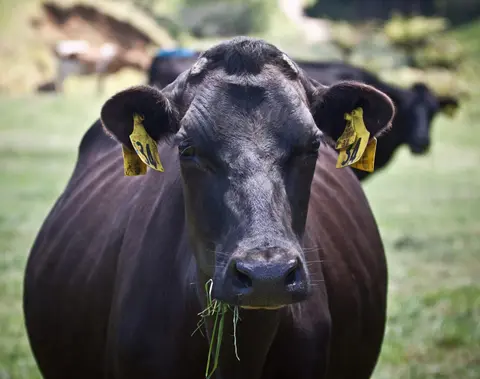
Read how genetic selection keeps Owl Farm's herd among the nation's best.
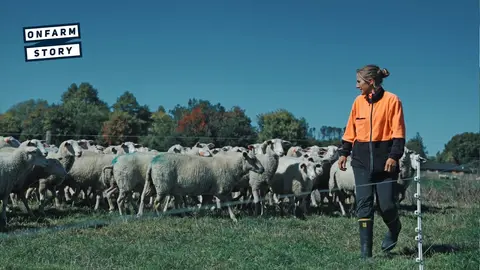
See how a Waikato farmer converted a cow dairy into a sheep milking operation.

Find out how Owl Farm measures and reduces water use in its dairy shed.
Discover how Owl Farm tests and protects its soil's physical, chemical and biological health.
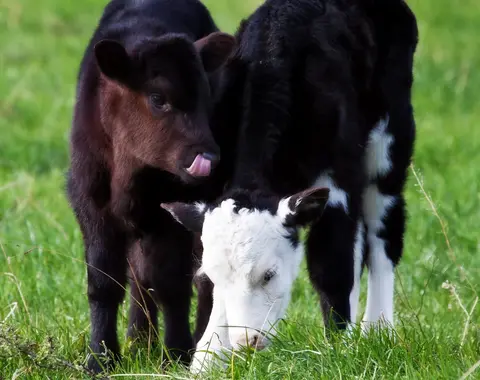
Explore how replacement calves are reared and grown out to entry weight.
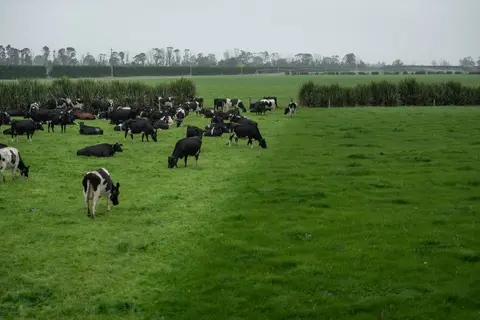
Review how fertiliser and grazing rotations are matched to feed demand.
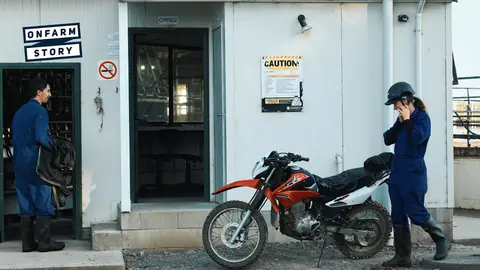
Hear from Waikato dairy farmer Ella Wharmby about a season of hard graft and lessons learned.
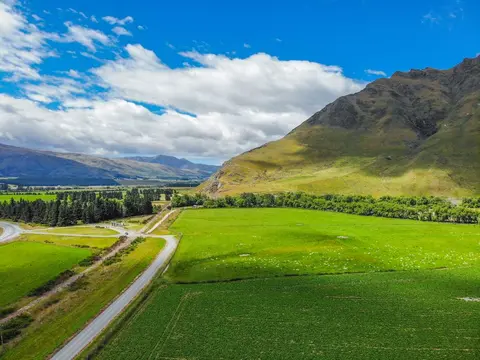
Discover which paddocks grow the most feed and why some fall short.
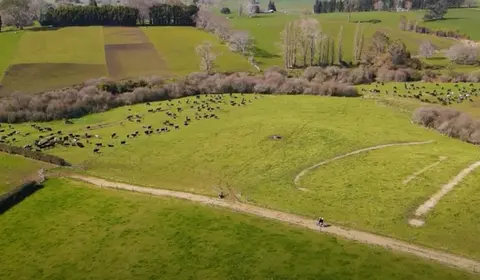
Find out how a Te Awamutu dairy farm used virtual fencing to run fewer, more productive cows.
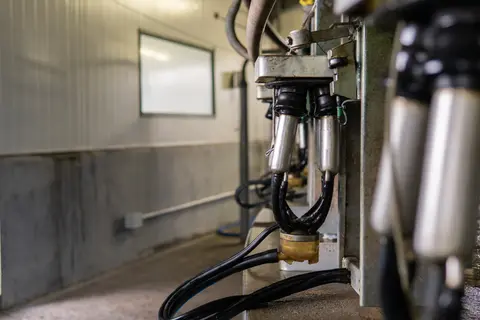
Find out about a no-cost method to reduce your dairy farm's greenhouse gas emissions.
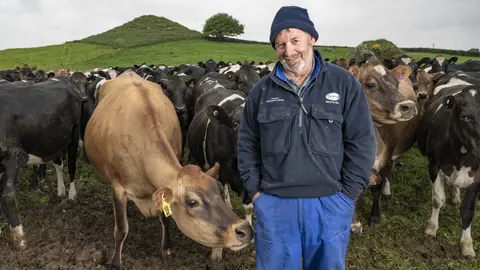
Meet the Waikato dairy farmers using their numbers to cut emissions and stay profitable.

Follow how Owl Farm's environment plan guides its land, water and effluent management.
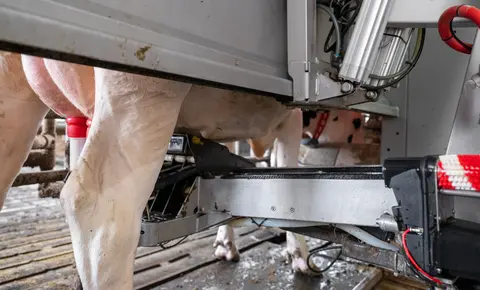
Read about the Greenfield Project which showed that automated milking can be successful within a New Zealand pastoral system.
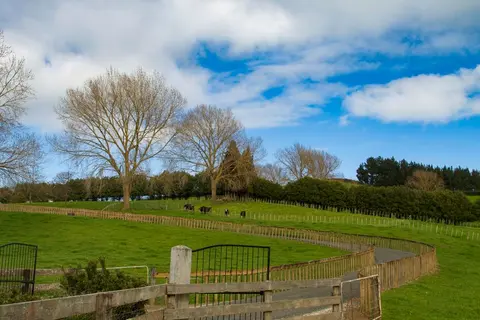
Learn how Owl Farm cut biological greenhouse gas emissions over a ten year period.
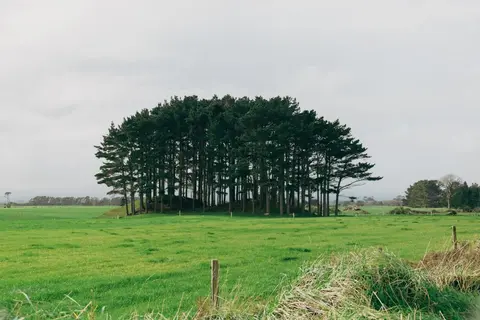
Read how Owl Farm cools its herd through hot Waikato summers with shade and sprinklers.
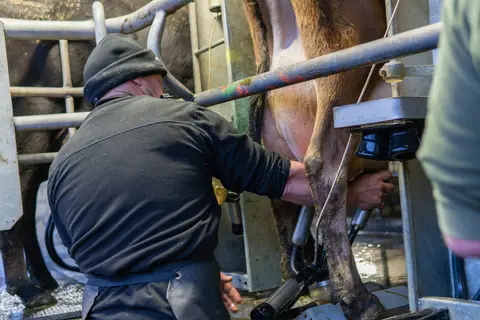
Evaluate switching to once-a-day (OAD) milking with this decision matrix tool.