People, planet and profit
Climate
Dairy
Methane
Profitability
Meet the Waikato dairy farmers using their numbers to cut emissions and stay profitable.
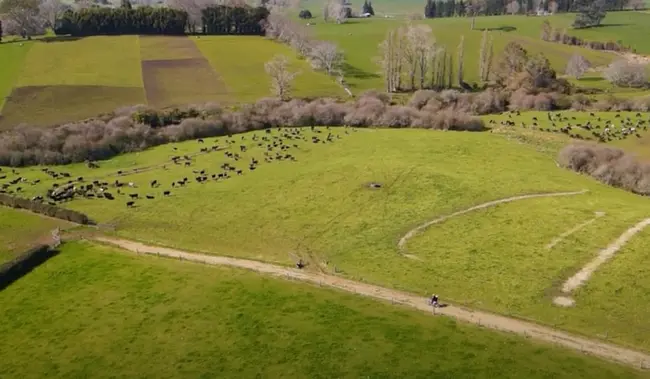
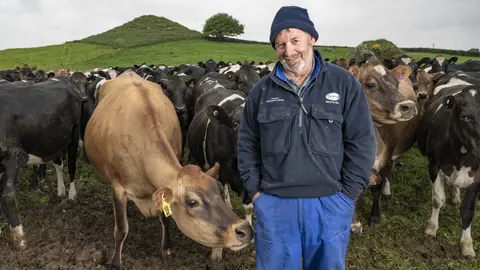
Pete Morgan and Ann Bouma closed one of the two milking sheds on their dairy farm southwest of Te Awamutu and brought in Halter virtual fencing at the same time. In this case study they explain how they reduced cow numbers, brought young stock home instead of grazing them off-farm, and lifted production per cow.
Pete and Ann report the resulting drop in the farm's emissions once the change in grazing arrangements is factored in, alongside gains for staff workload and animal management. Their focus on pasture growth and staff development has won them awards along the way.
Meet the Waikato dairy farmers using their numbers to cut emissions and stay profitable.
Find out about a no-cost method to reduce your dairy farm's greenhouse gas emissions.
Learn how feed budgets keep pasture cover and cow condition on target.
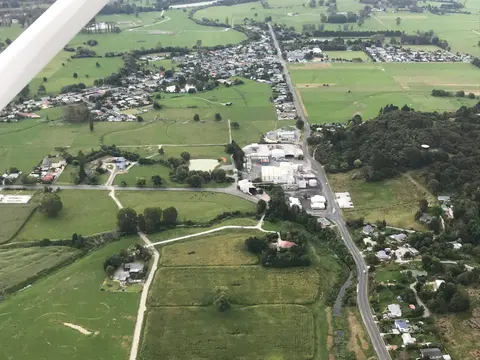
Compare season milksolids results against Owl Farm's production targets.
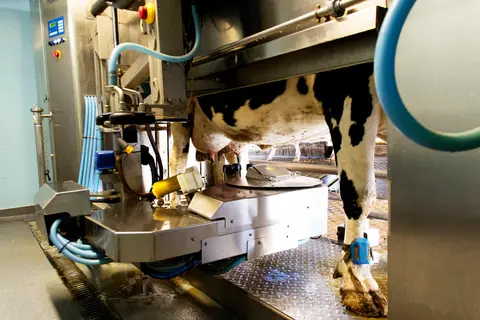
Learn about robotic milking and its impact on our dairy industry.
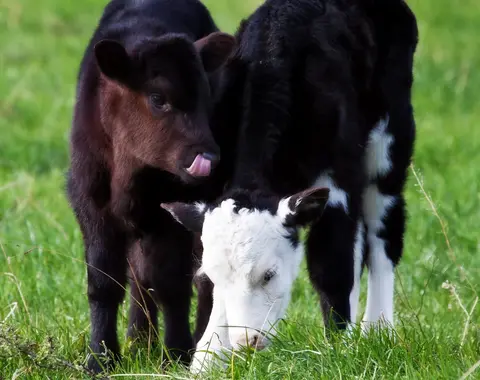
Explore how replacement calves are reared and grown out to entry weight.
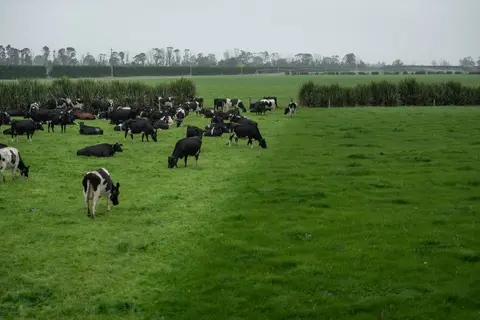
Review how fertiliser and grazing rotations are matched to feed demand.
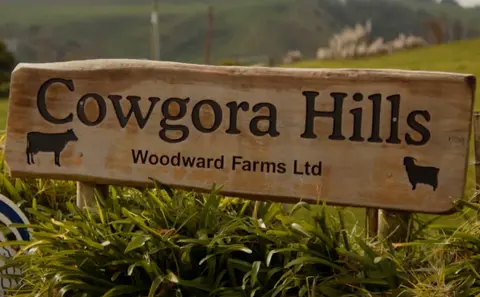
Follow the Woodward family's move to a lower-input Ōtorohanga dairy farm.

Find out how Owl Farm measures and reduces water use in its dairy shed.
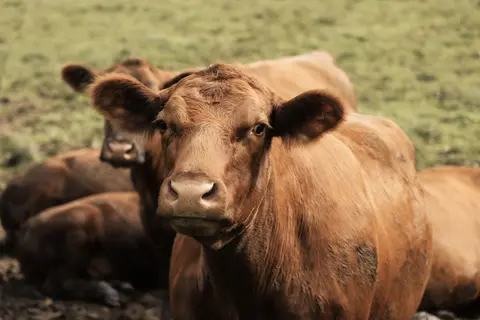
A Hawke's Bay grazing farm that moved to cell grazing and put its steep country into mānuka.
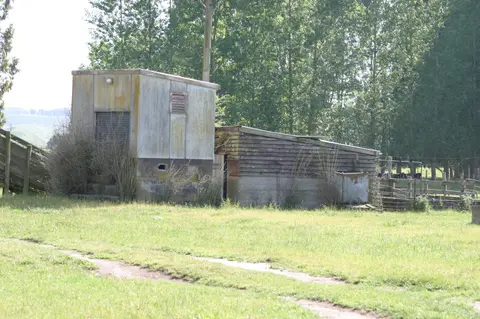
See what keeps Owl Farm's alert, grade and demerit counts falling.
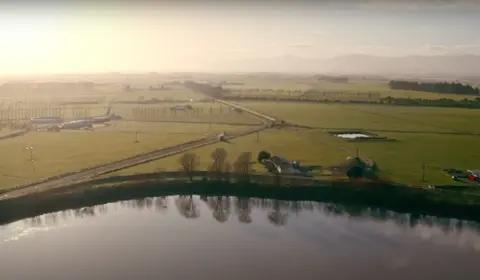
Discover how Pāmu's Tasman farm cut emissions by converting to certified organic milk.
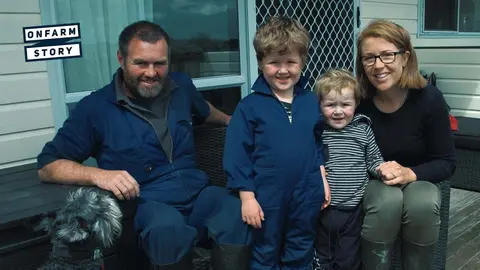
Explore how a Waikato sharemilking couple balances a young family with a 650-cow farm.
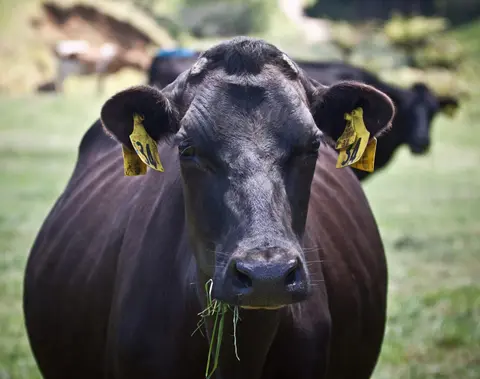
Read how genetic selection keeps Owl Farm's herd among the nation's best.
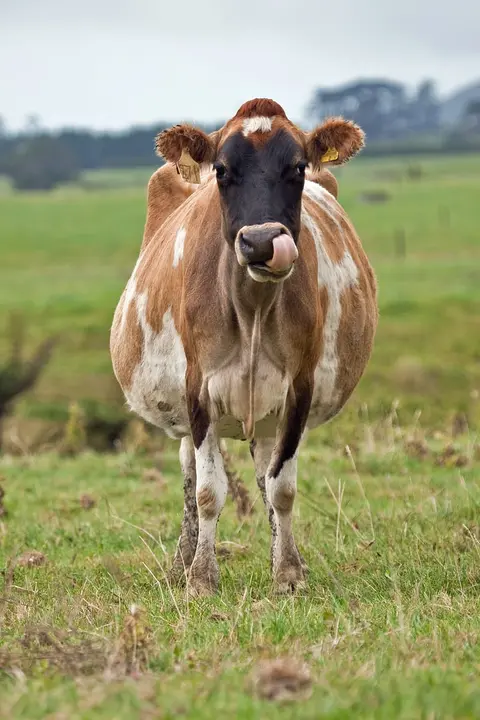
Track how a Waikato demonstration farm lifts its 6-week in-calf rate each season.
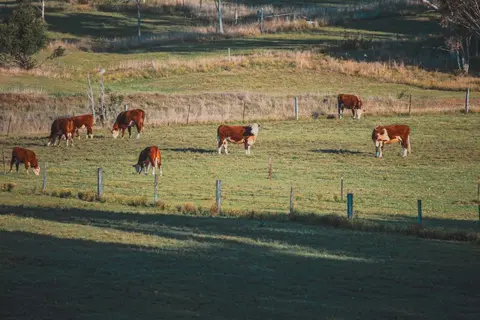
Learn how Woldwide Farms uses sustainable practices to reduce soil damage in high rainfall.
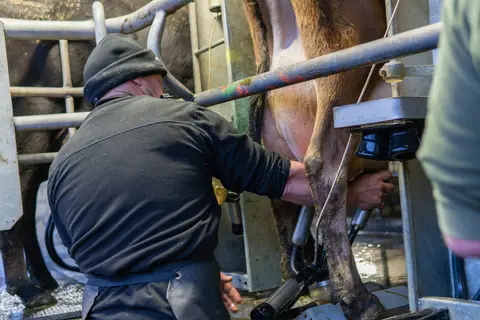
Evaluate switching to once-a-day (OAD) milking with this decision matrix tool.
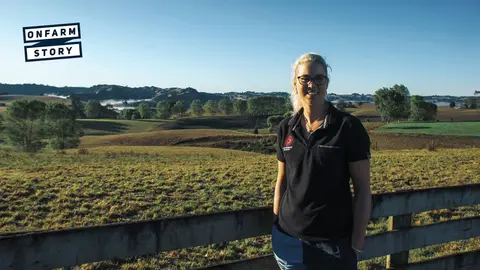
Chelsea Smith shares her experiences as a dairy farmer focused on sustainability and teamwork.
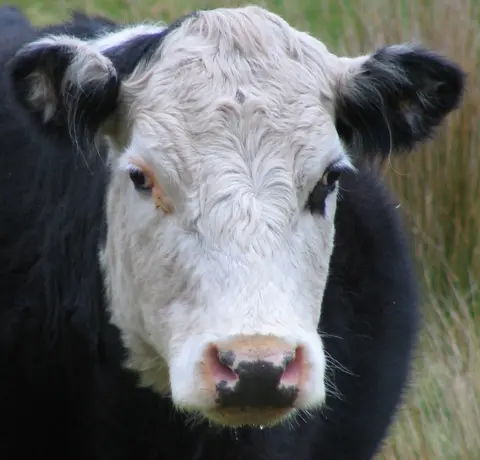
See how Owl Farm builds a seasonal well-being plan for its dairy herd with local vets.
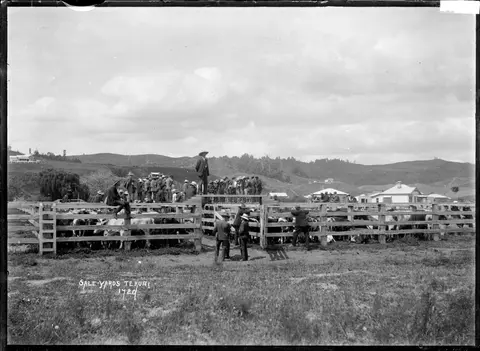
Track how Owl Farm's sexed semen and dairy beef mating plan lifted herd genetics.
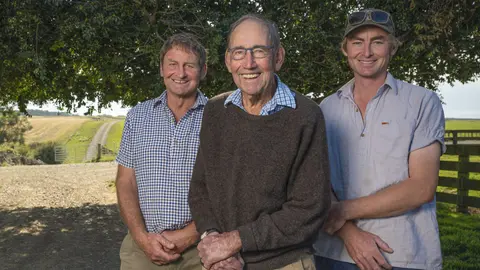
Discover how four generations of a Manawatū family farm cut emissions through soil care.
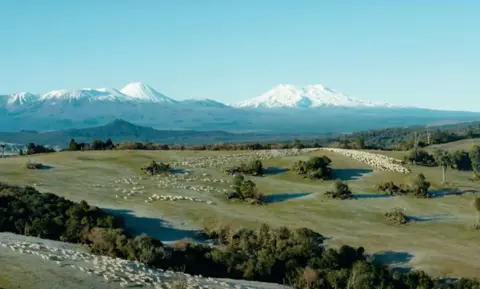
Explore how Tuatahi Farming Partnership cut emissions across its Pukeatua blocks.