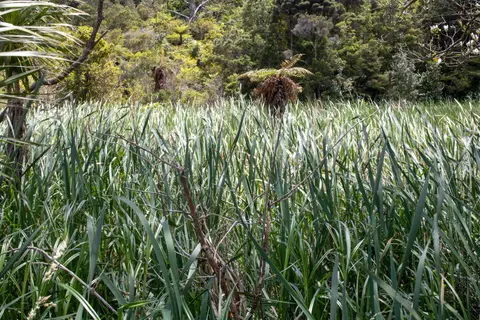
Owl Farm case study - Wetland performance
Climate
Biodiversity
Regeneration
Water
See how Owl Farm's constructed wetland strips nitrogen and sediment from farm runoff.
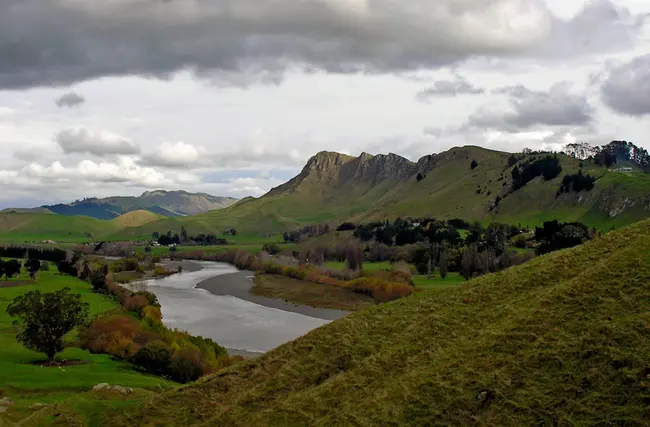
The Tukipo Catchment Care Group in Central Hawke's Bay was started by a local farmer in 2018 and became the first of the Tukituki sub-catchment groups. Most landowners in the catchment now take part, across sheep, beef, deer, dairy, poultry, vineyards and cropping. The group won the Catchment Group Award in 2022.
The story describes the large wetland the group built to monitor how much nutrient it removes, the riparian planting, the pest control and hunting competitions, the nursery grown from local seed, and the community workshops.
Photo: “Tukituki River and Te Mata Peak, Hawkes Bay, New Zealand, 12 May 2006 (145004910) (cropped)” by Phillip Capper, licensed for reuse under CC BY 2.0
See how Owl Farm's constructed wetland strips nitrogen and sediment from farm runoff.
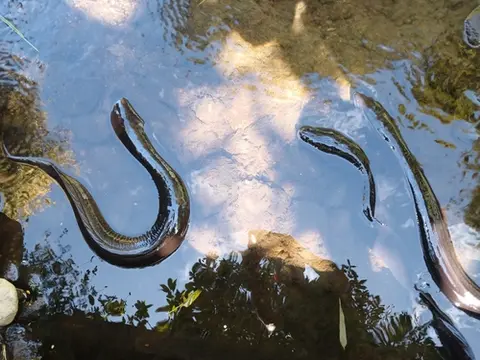
See how a Moutere community is planting and fencing to protect its waterways.
Compare rainfall, frost and dry-spell patterns across Te Matau-a-Māui Hawke's Bay.
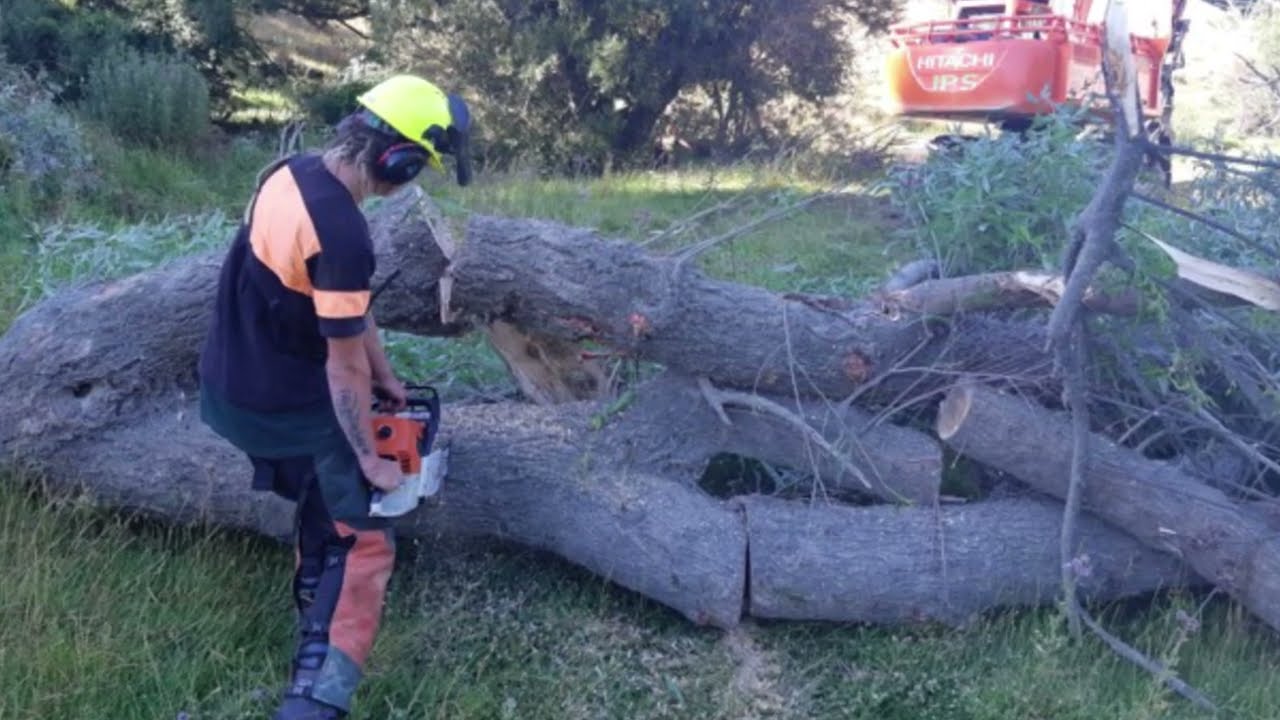
See how over 40 farms have worked together to improve the Wainuioru catchment.
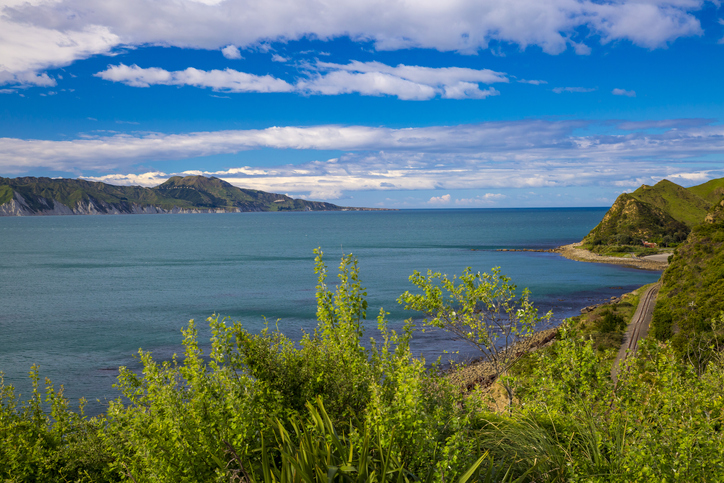
Learn how local groups improved the Whangawehi catchment and river health.

Using radiometrics and local knowledge to map how Southland's landscape affects water quality.
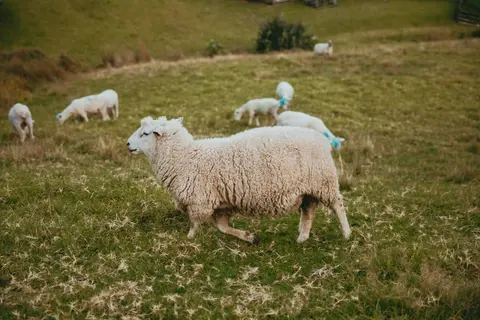
Waikato sheep breeders who select for low methane and lead their coastal catchment group.
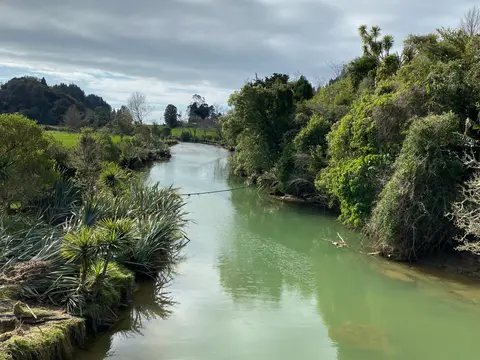
See how land owners and the local community worked together to restore the Motupipi River.
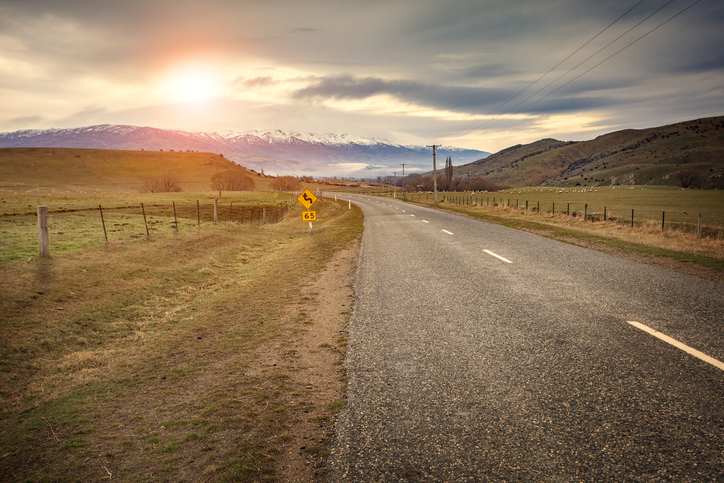
Thriving Southland supports local catchment groups to create a prosperous Southland.
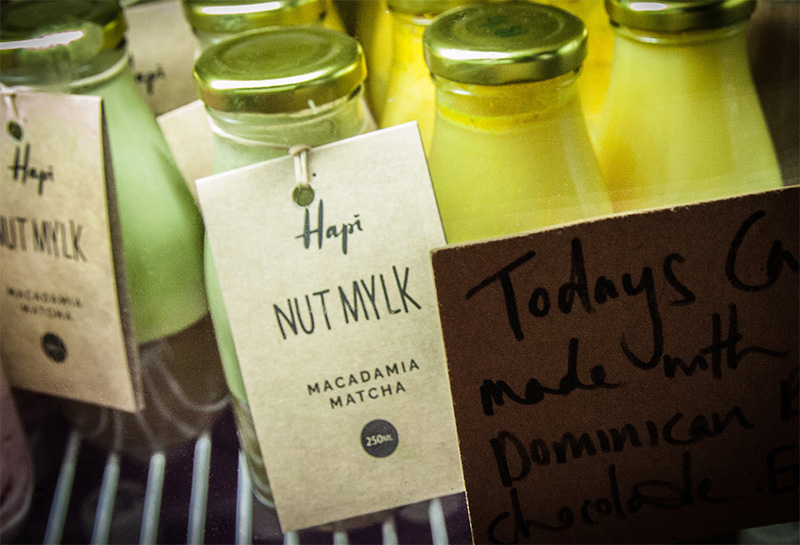
Hapī Clean Kai Co-op promotes healthy, ethical, organic food through Māori principles and community care.
See how Māori-led projects tackle GHG emissions while supporting thriving whānau and whenua.
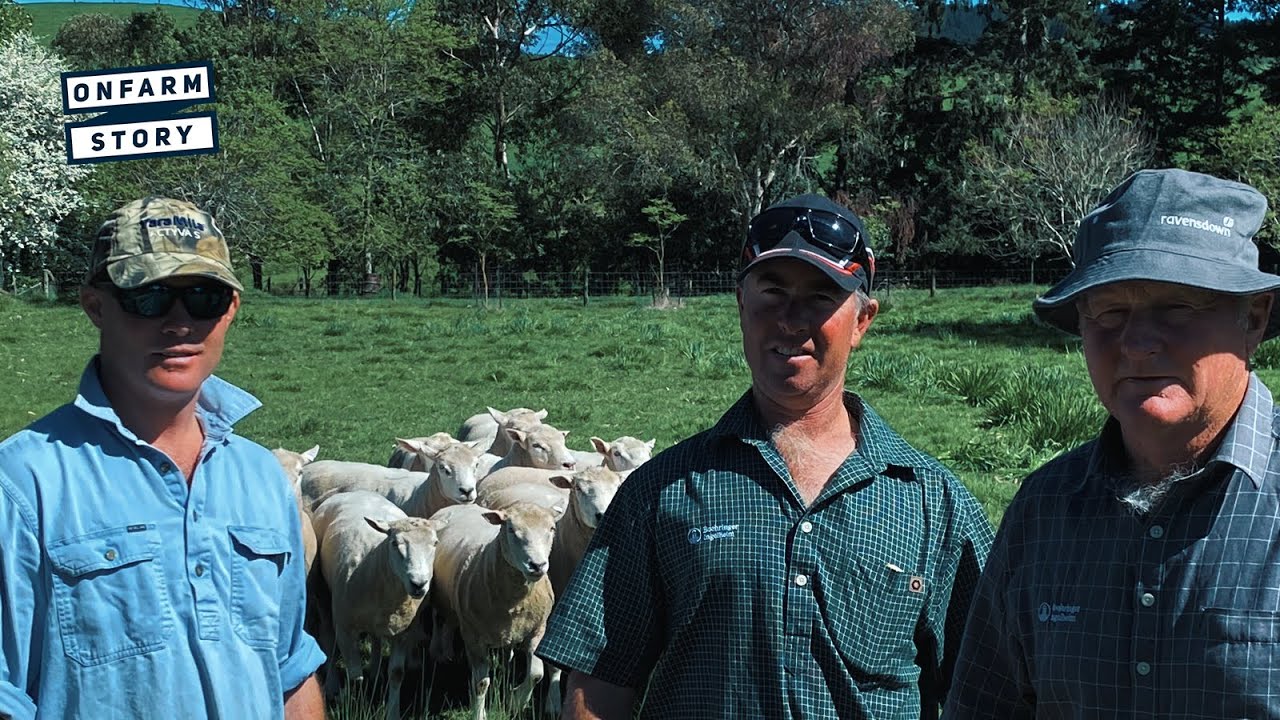
See how a Hawke's Bay family manages five farms of sheep, cattle and deer across generations.
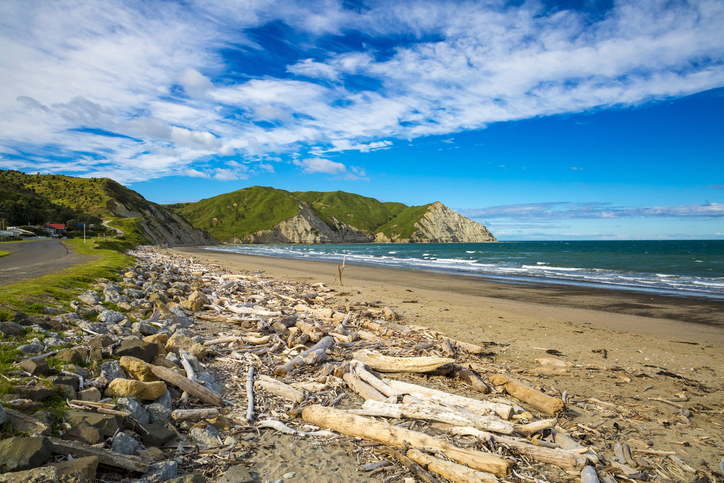
A local group improving water quality and environment in the Whangawehi catchment area.
See how a Central Hawke's Bay station blends sheep farming with glamping and bush care.
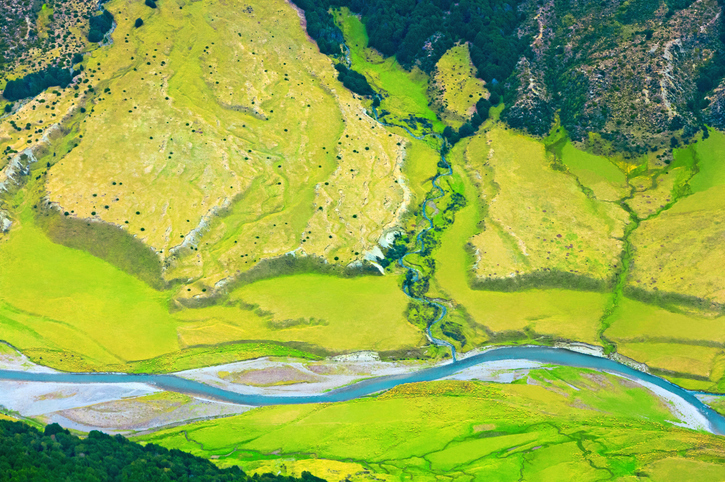
Learn how to start a catchment action group in your rohe.
Learn how to start a Catchment Community Group with tips from other farmers.
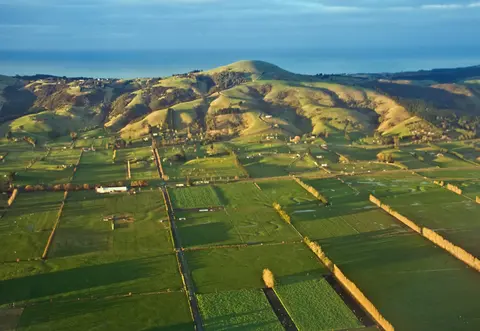
Explore Upper Taieri farm diversification through podcasts, workshops and a decision tool.
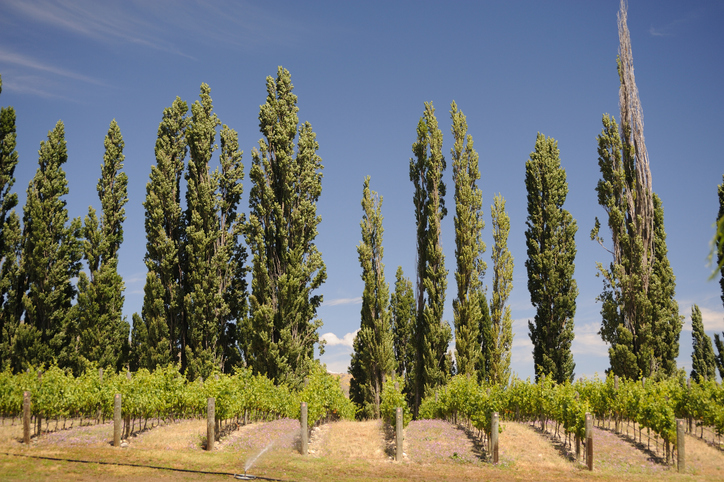
Source willow and poplar poles for erosion control in Hawke's Bay.
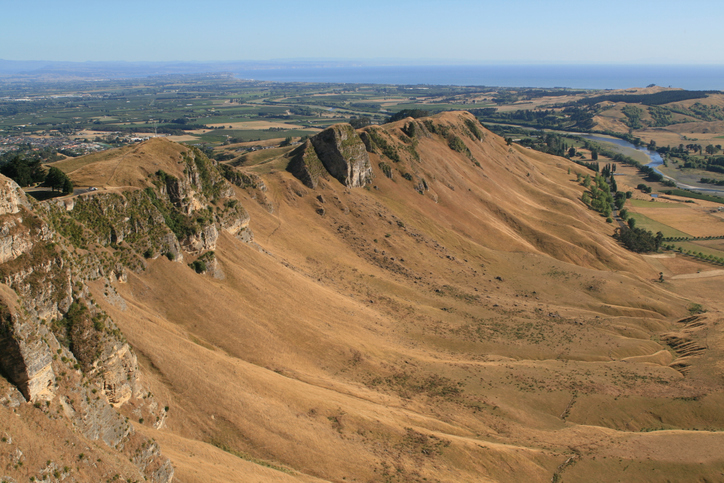
Hawke's Bay faces erosion issues. Planting trees can help prevent soil loss and improve water quality.
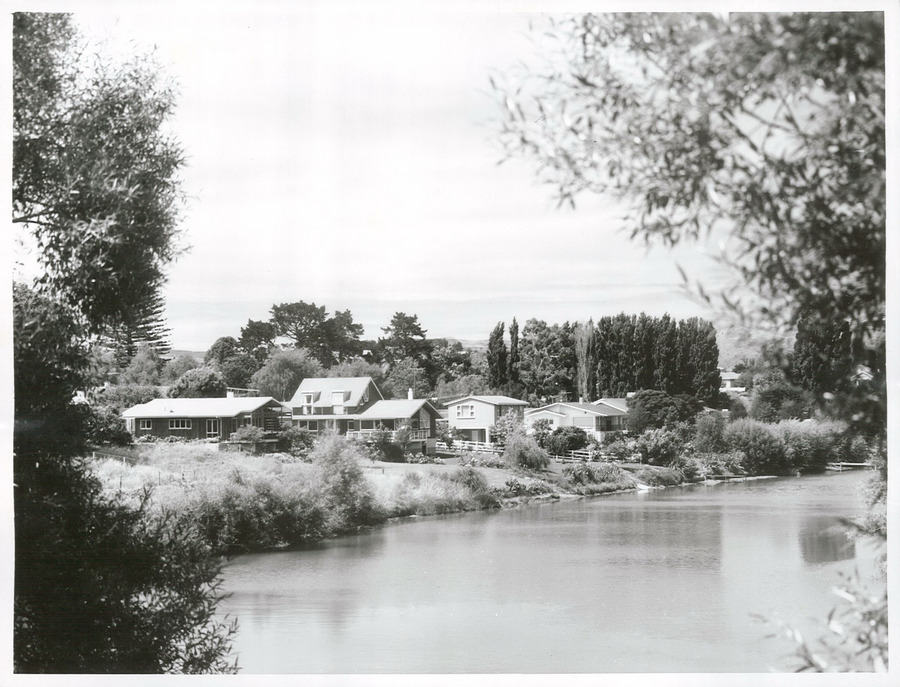
A project to restore the Waimatā River, focusing on ecology and community involvement.
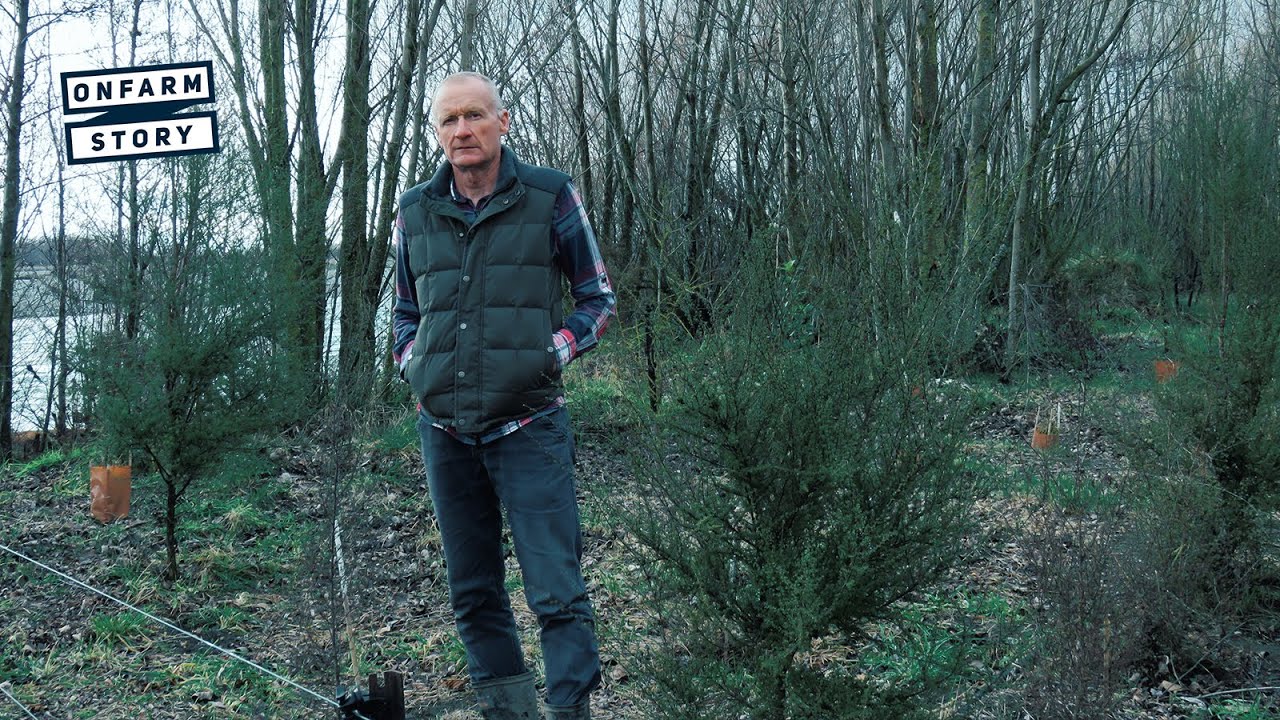
John Faulkner, a dairy farmer, aims to restore the Waiau Uwha River through planting and habitat preservation.
This case study explores what it means to farm in alignment with Māori values and how it can improve the environment.
Explore how Tohu ties its single vineyard wines to kaitiakitanga and native planting in Te Tauihu.