Tukipo Catchment Care Group
Whenua
Collaboration
Community
Water
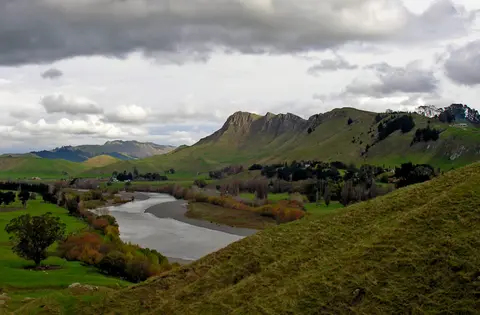
The first of the Tukituki sub-catchment groups, with a large wetland built to measure what it removes.
This case study showcases the Moutere Catchment Group which began about five years ago with one land owner and now has over 200 members. Together they have planted more than 500,000 native plants, built two large wetlands and put up over 50 km of fencing along waterways, with landowners' own money adding to the grant funding. Their aims are a healthier Moutere Inlet and its streams, more habitat, more recreation, and a community connected to the mana and mauri of its waterways.
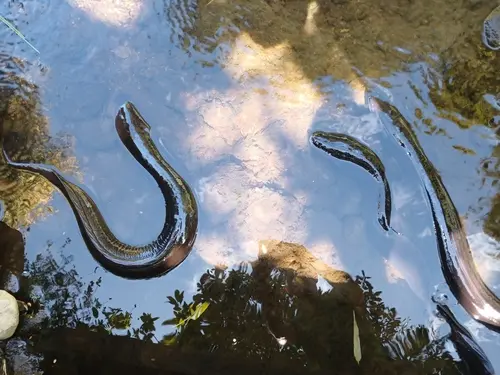
Photo: “New Zealand Longfin Eel” by Mike Bowie, licensed for reuse under Photo: (c) Mike Bowie, some rights reserved (CC BY)
The first of the Tukituki sub-catchment groups, with a large wetland built to measure what it removes.
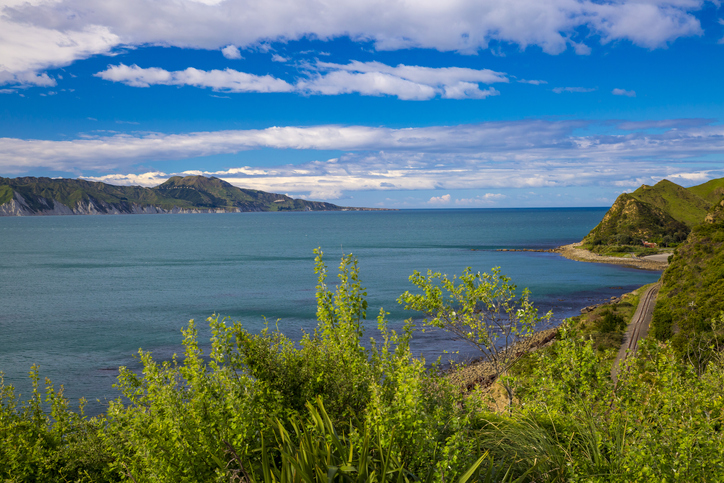
Learn how local groups improved the Whangawehi catchment and river health.
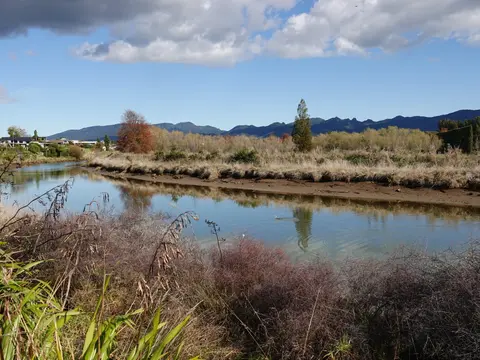
See real examples of waterway restoration actions underway in your rohe.
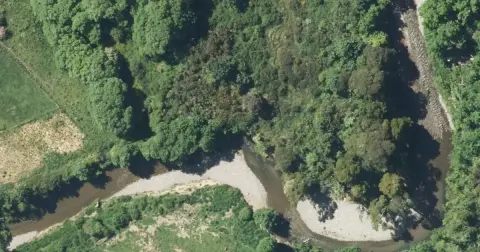
See how whānau and land owners restored this Nelson river by planting over 55,000 natives.
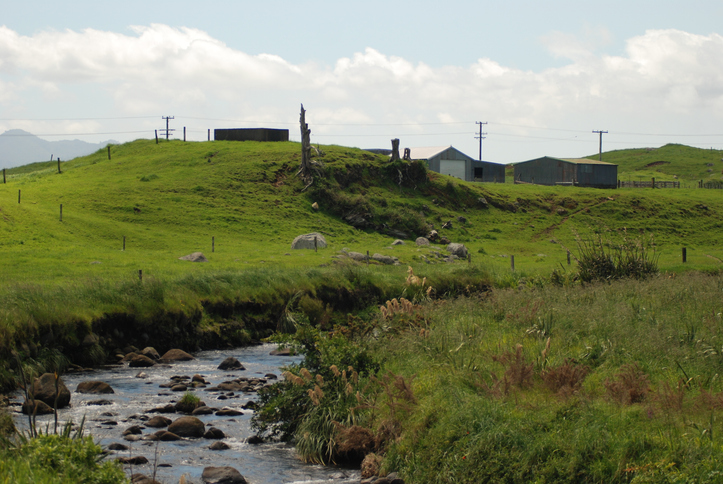
Get funding and advice to help protect and restore rivers on your whenua.
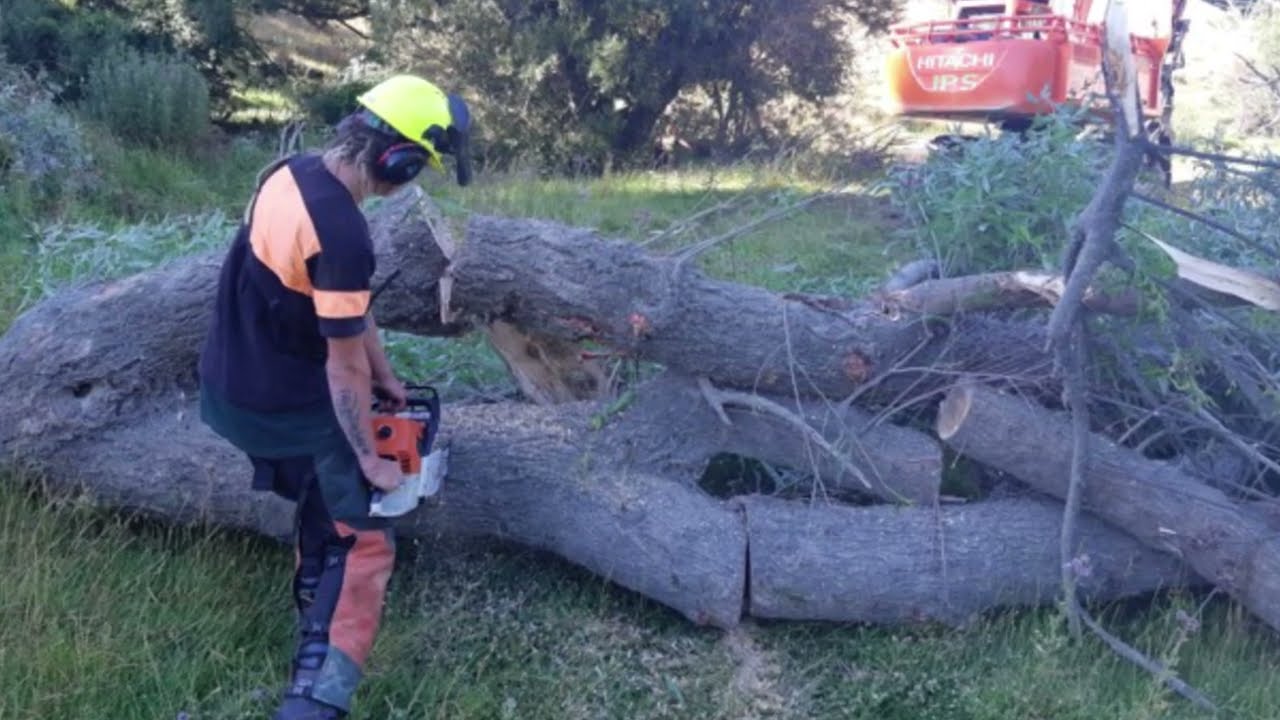
See how over 40 farms have worked together to improve the Wainuioru catchment.
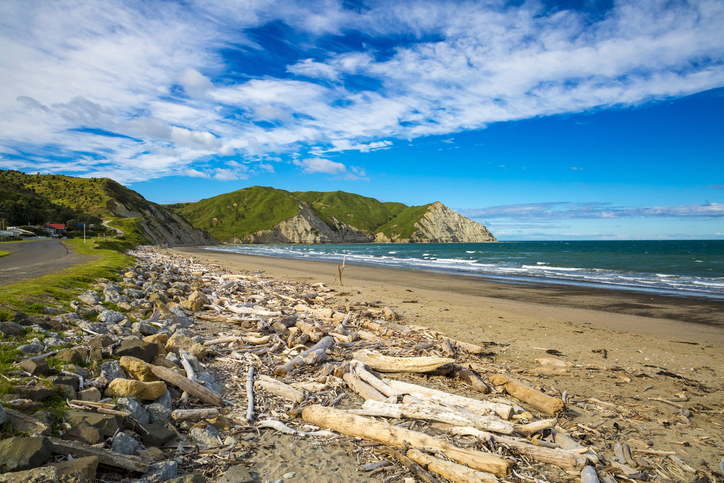
A local group improving water quality and environment in the Whangawehi catchment area.
Get help from Otago Regional Council with consents for restoration work.
Learn how to start a catchment action group in your rohe.
Hear how the Bowie family transitioned to farm ownership and their focus on succession planning.
Learn how to start a Catchment Community Group with tips from other farmers.
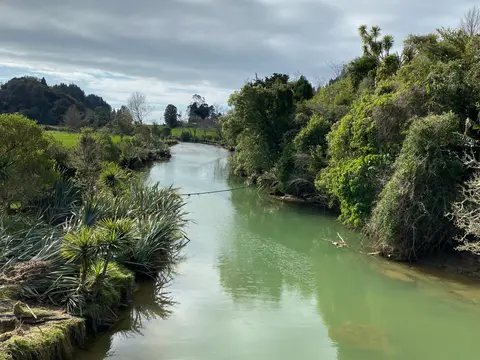
See how land owners and the local community worked together to restore the Motupipi River.
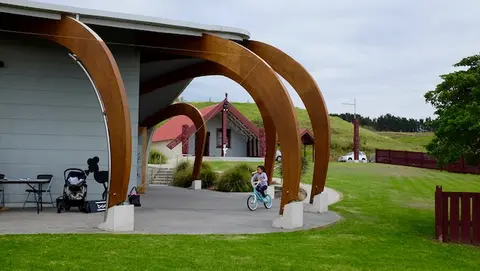
Search for funding opportunities for your whenua and get support from TPK.
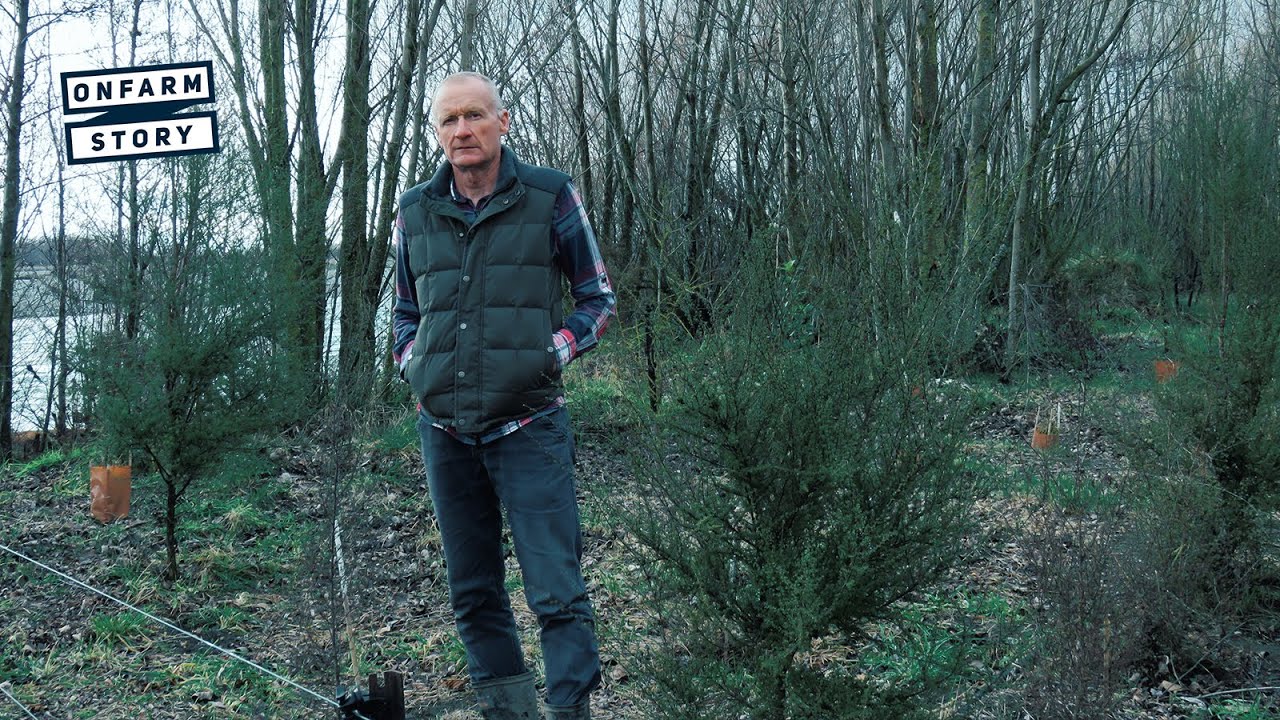
John Faulkner, a dairy farmer, aims to restore the Waiau Uwha River through planting and habitat preservation.
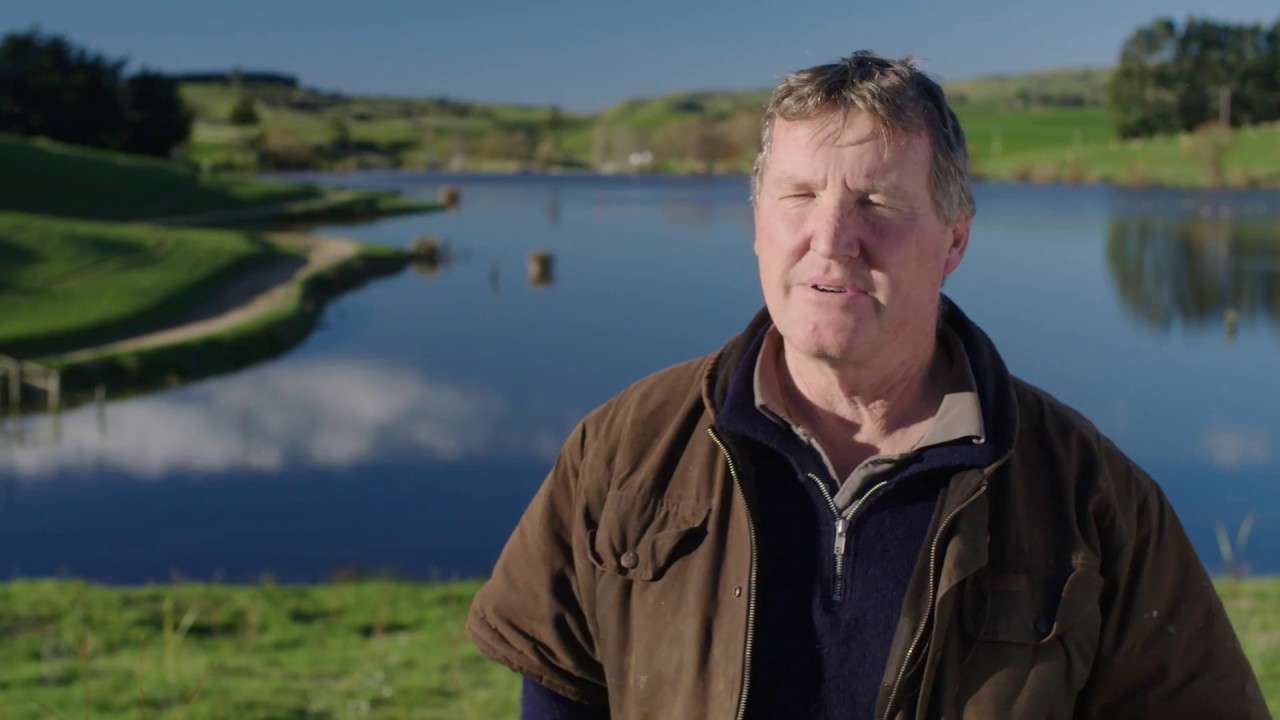
David Blackwood shares how he's using fencing and planting to improve water quality on his Wairarapa family farm.
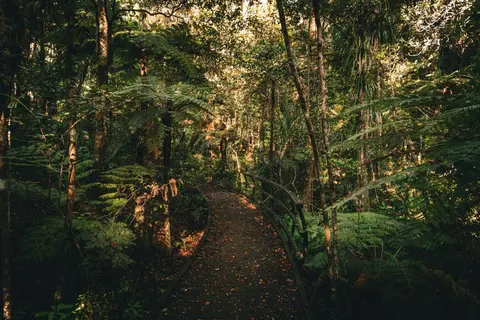
Explore how restoring bush, wetlands and waterways builds Northland's climate resilience.
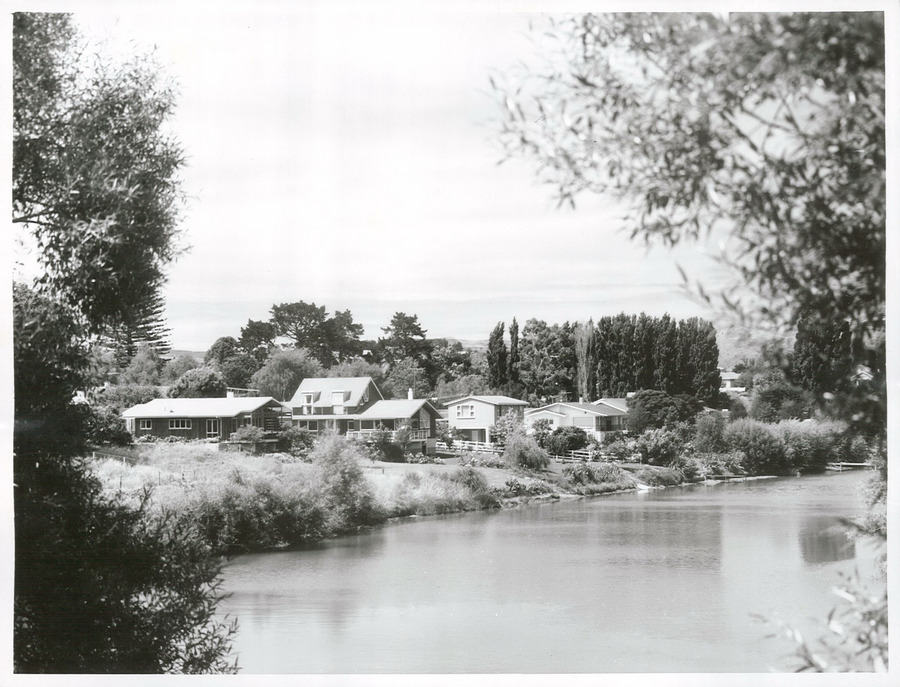
A project to restore the Waimatā River, focusing on ecology and community involvement.
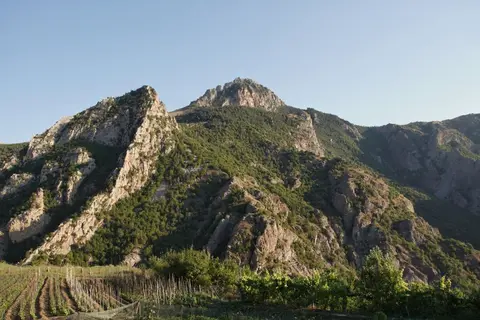
Compare Nelson's two grape growing areas, the Moutere Hills and Waimea Plains, and what each grows.
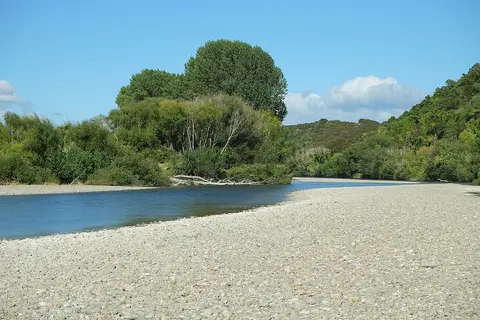
Learn how whaitua committees set the direction for freshwater in Wellington.
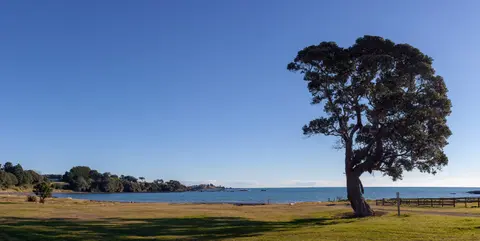
This case study explores what it means to farm in alignment with Māori values and how it can improve the environment.
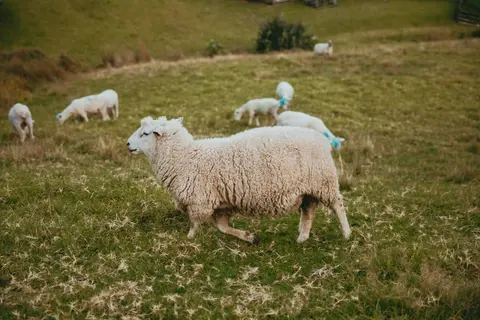
Waikato sheep breeders who select for low methane and lead their coastal catchment group.
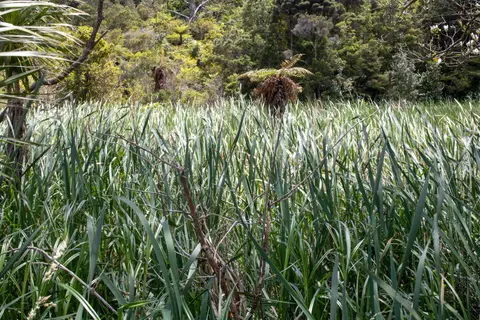
See how Owl Farm's constructed wetland strips nitrogen and sediment from farm runoff.

Discover how header tanks are protecting a Northland spring that has supplied water for 60 years.