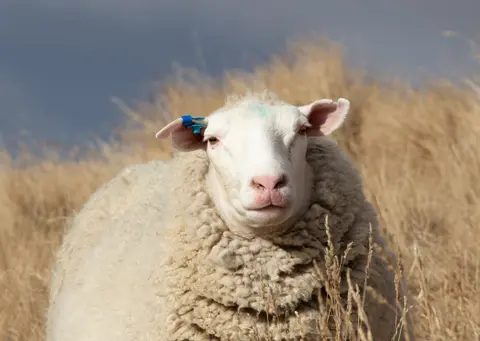
'Sheep of the Future' transformational for NZ sheep farming
Climate
Innovation
Methane
Sheep and beef
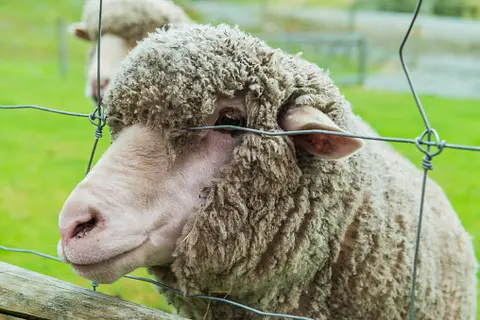
Breeding sheep that produce less methane, at Taupō and Kerikeri.
Alastair and Ann Reeves farm sheep and beef on Reeves Farms in the western Waikato, the fourth generation on the land. They breed rams for parasite tolerance and low methane, and the flock's methane output has dropped over the past few years. They were the Waikato Regional Supreme Winners in 2024.
The story looks at the breeding programme, the native and exotic planting at the head of the catchment, the fenced and planted stream corridors, and the possum control the Reeves run with neighbours across a wide area. It also describes their role in setting up the West Waikato Coastal Community Catchment Group.
Breeding sheep that produce less methane, at Taupō and Kerikeri.
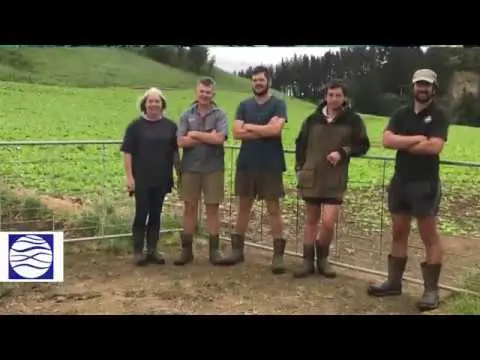
The winners of the 2020 Taranaki Supreme Award for sustainable sheep and beef farming share how they did it.
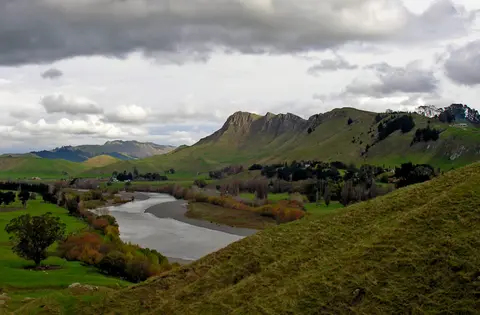
The first of the Tukituki sub-catchment groups, with a large wetland built to measure what it removes.
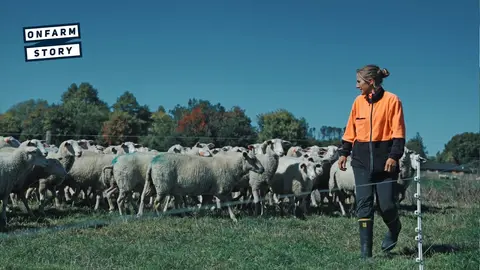
See how a Waikato farmer converted a cow dairy into a sheep milking operation.
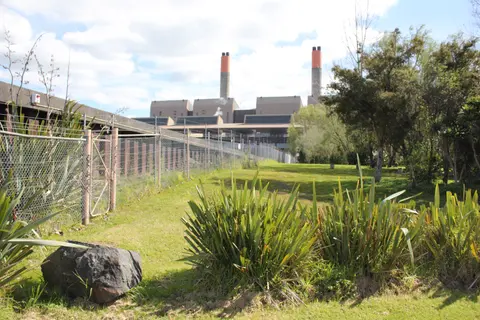
Learn how Waikato industry can switch process heat from gas to biomass and electricity.
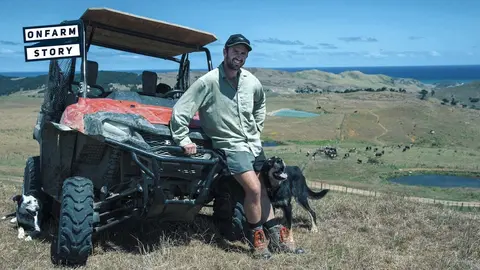
Meet a Waikato family running sheep, beef and a tepee hire business across generations.
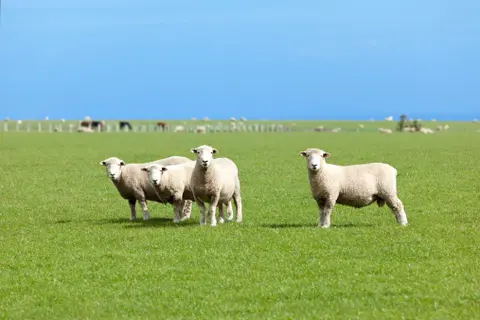
Arai Matawai shares methods to breed sheep resistant to facial eczema.
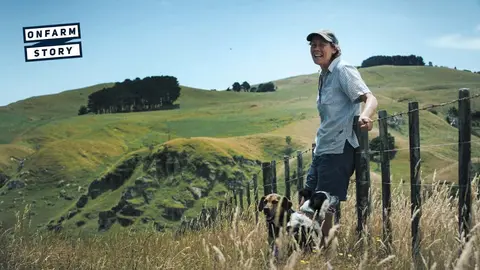
Kate Broadbent shares insights about how reducing drench use has improved breeding outcomes on her Waikato sheep and beef farm.
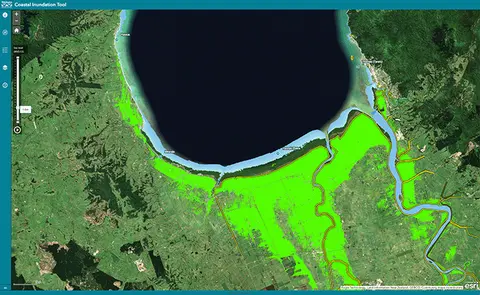
Understand coastal flooding risks in the Waikato region.
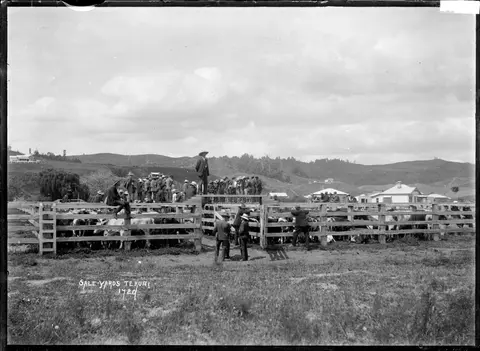
Track how Owl Farm's sexed semen and dairy beef mating plan lifted herd genetics.
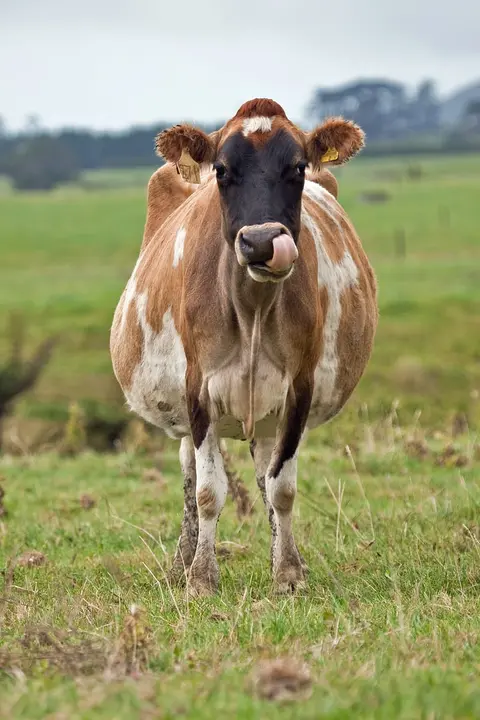
Track how a Waikato demonstration farm lifts its 6-week in-calf rate each season.

See how the Waikato climate changes from the Coromandel coast to the Central Plateau.
Discover how low-emissions farming could shape the future of sheep, beef, and dairy in Aotearoa.
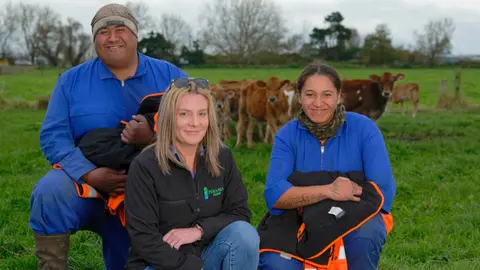
Step inside how five Hauraki iwi are reshaping Pouarua Farms for the long term.
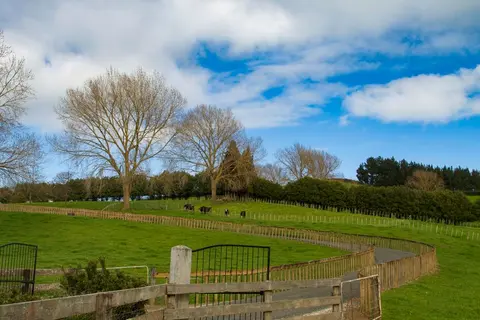
Learn how Owl Farm cut biological greenhouse gas emissions over a ten year period.
Learn about methane in agriculture and how NZ ag researchers are trying to reduce emissions.
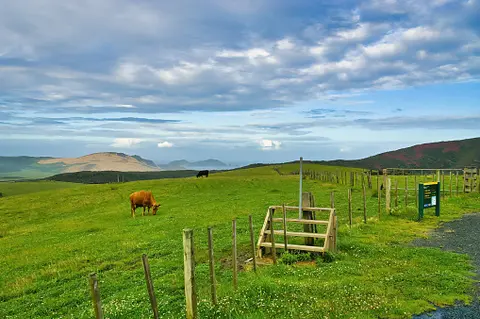
Learn about reducing methane emissions on your farm.
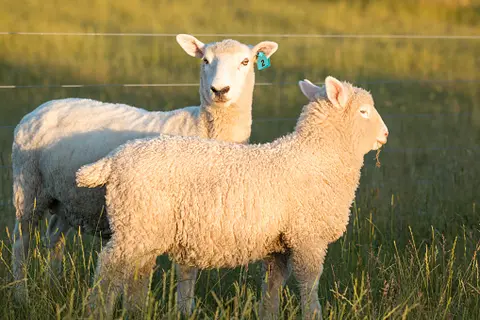
This paper explores how Aotearoa sheep and beef farms react to climate change policies.
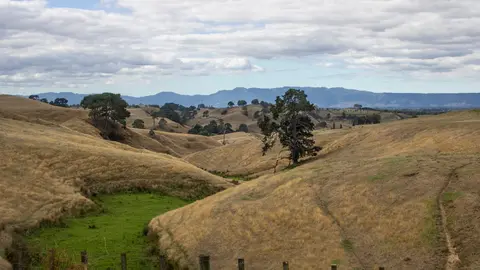
Learn about how climate change will impact Waikato and what communities can do.
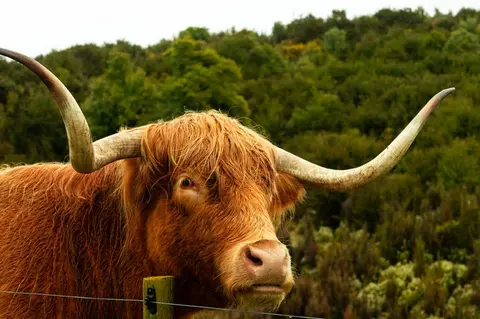
Wayne McNee discusses reducing methane emissions in agriculture and the opportunity it represents.
A report on New Zealand's livestock methane emissions and their impacts.
Find out how a Te Awamutu dairy farm used virtual fencing to run fewer, more productive cows.