Pāmu climate change response
Climate
Adaptation
Emissions reduction
Risk
How the state farmer plans to cut emissions and adapt farm by farm.
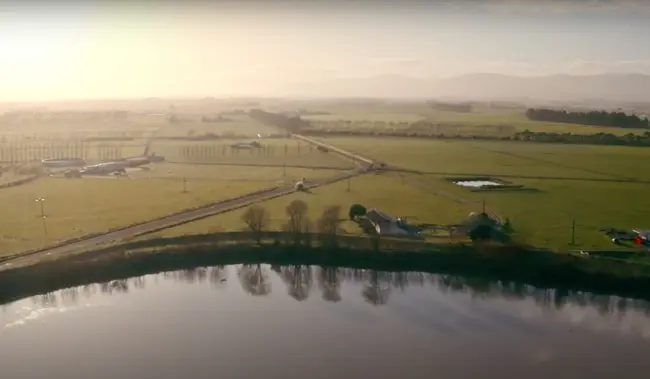
Pāmu's Tasman dairy farm, part of the Moutoa complex near Foxton, went from conventional to certified organic milk production, and this case study follows the conversion. Halving cow numbers during the three-year organic conversion, then rebuilding pasture and crop performance, allowed stocking rates to rise again while keeping to organic standards for feed, animal health and fertiliser.
The Pāmu team cover the resulting drop in emissions and nitrogen loss, the flooding the farm regularly faces, and their plans for cow housing to protect stock and water quality during wet weather.
How the state farmer plans to cut emissions and adapt farm by farm.
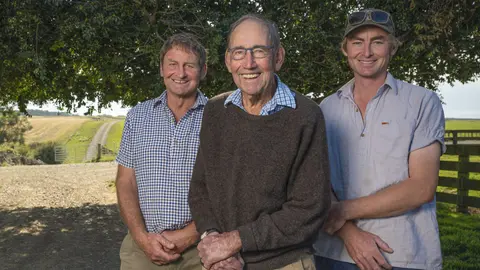
Discover how four generations of a Manawatū family farm cut emissions through soil care.
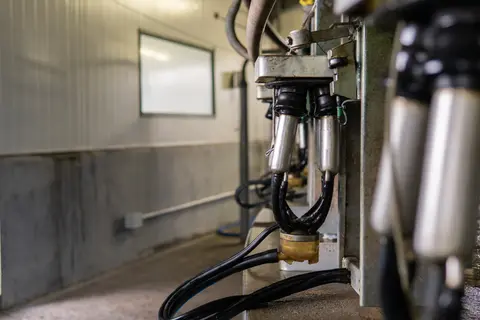
Find out about a no-cost method to reduce your dairy farm's greenhouse gas emissions.
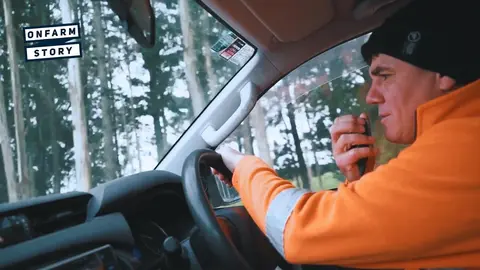
Balancing livestock production and environmental stewardship on Pamu's largest farm
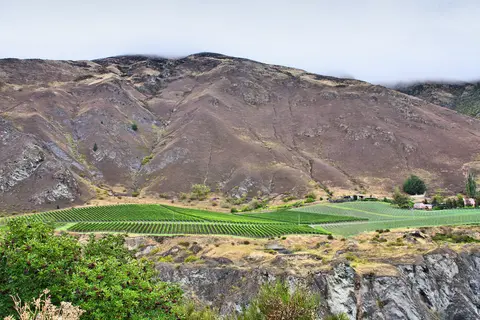
Discover how Amisfield converted to organics and cut water use with subsurface irrigation.
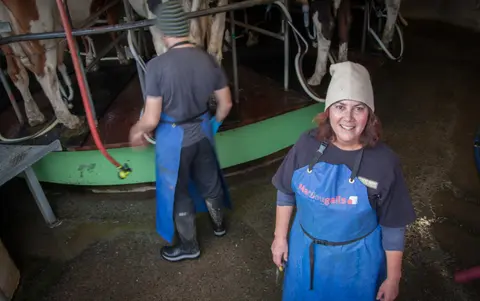
BioFarm is an organic dairy in Manawatū focused on sustainability and kaitiakitanga.
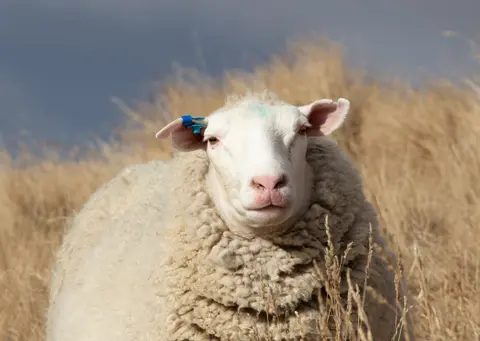
Breeding sheep that produce less methane, at Taupō and Kerikeri.
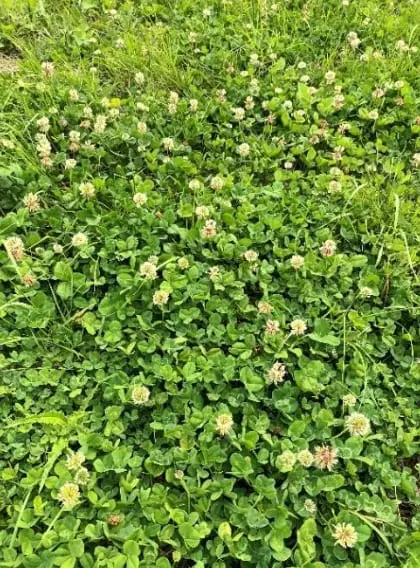
Learn how a Dargaville research farm is testing pasture and stocking changes to cut dairy emissions.
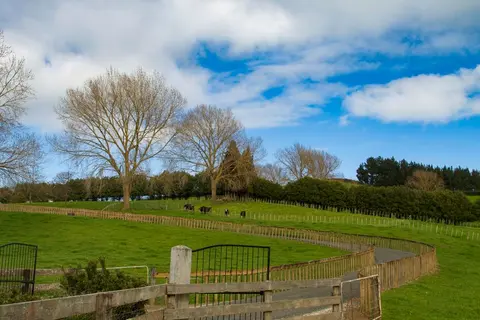
Learn how Owl Farm cut biological greenhouse gas emissions over a ten year period.
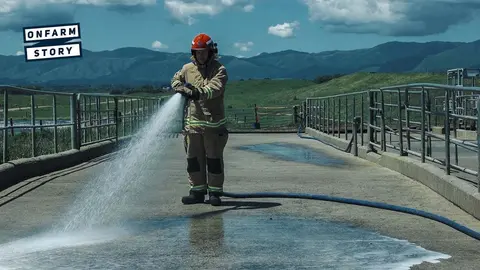
Tony Eade juggles dairy farming and volunteer firefighting in Foxton Beach.
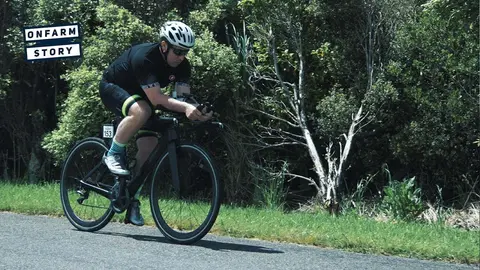
Find out how a Manawatū dairy farmer uses exercise to sharpen his farm decisions.

Te Morehu Whenua leads a project to restore Moutoa Island's health and culture amid climate change.
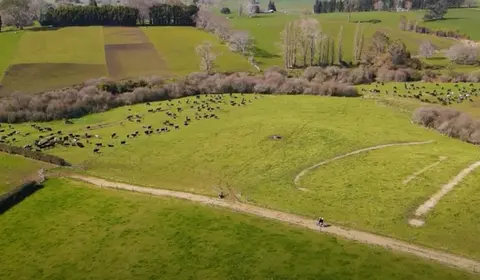
Find out how a Te Awamutu dairy farm used virtual fencing to run fewer, more productive cows.
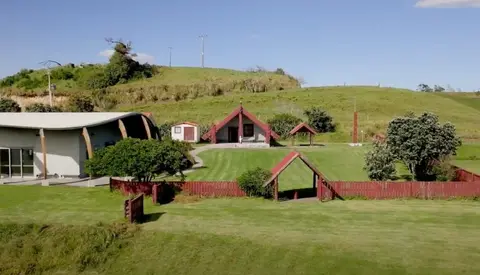
See how a Bay of Plenty Māori joint venture is converting dairy land into kiwifruit.
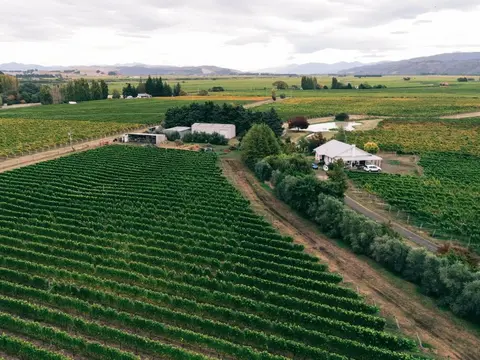
Learn how Nelson, Marlborough and Tasman industry can switch process heat from coal to biomass and electricity.
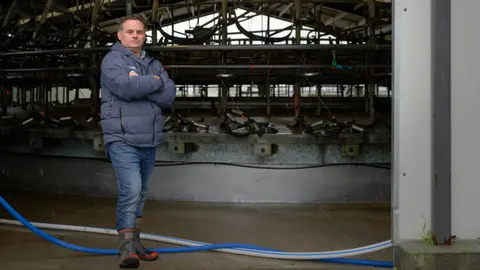
Find out how a Canterbury dairy farm lowered emissions by doing the basics well.
Learn how feed budgets keep pasture cover and cow condition on target.
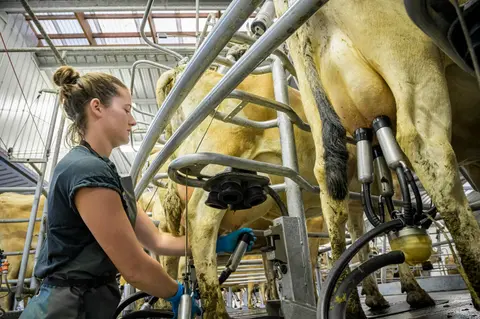
See how using feed, fertiliser and stock more efficiently can lower emissions per unit produced.
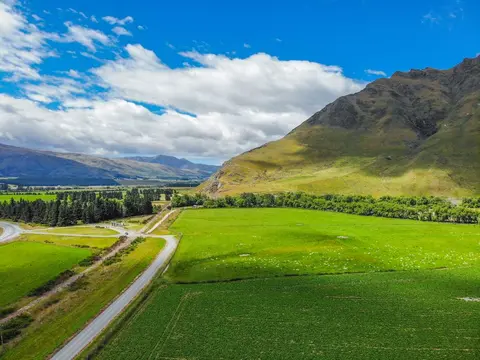
Discover which paddocks grow the most feed and why some fall short.
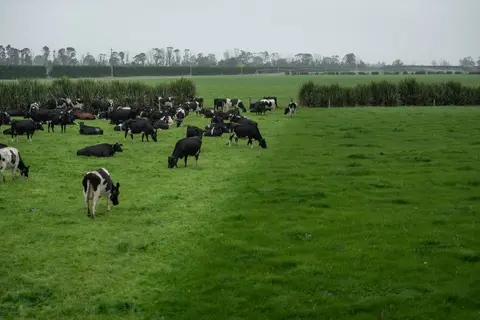
Review how fertiliser and grazing rotations are matched to feed demand.
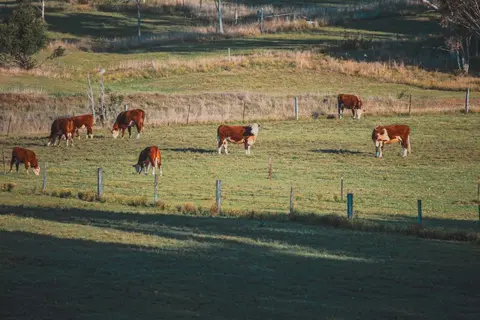
Learn how Woldwide Farms uses sustainable practices to reduce soil damage in high rainfall.
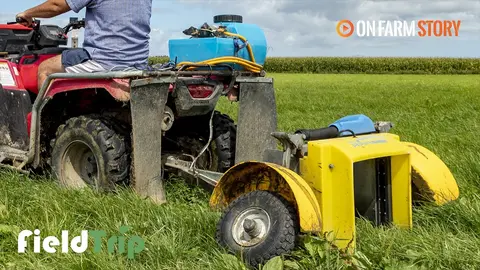
Discover an AI pasture management app by Aimer Farming for better dairy farm results.
Follow a Kaharoa dairy family's response to tighter nitrogen rules around Lake Rotorua.