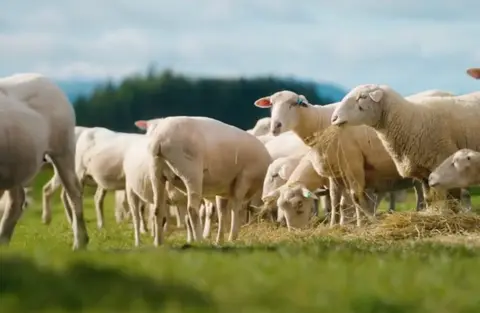
Ruby Mulinder and Sean Nixon, Waihora View
Climate
Alternative protein
Sheep and beef
Water
Compare a Lake Taupō farm's shift from beef finishing to sheep milking and lamb production.
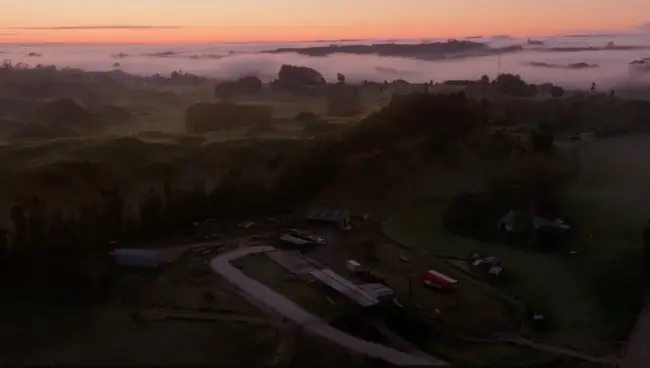
The Paterson family's Kaharoa dairy farm sits inside the Lake Rotorua catchment, and with it the catchment's nutrient management rules. In this case study the family explain what they did when those rules tightened: they lowered stocking rates, used nitrogen inhibitors, sowed plantain pastures and built a detainment bund to catch sediment and phosphorus.
The Patersons show the resulting fall in nitrous oxide emissions and nitrogen use over two decades, comparing farm data from 2002 with 2021. They describe how the changes have kept the farm operating within its allocated nitrogen discharge limits.
Compare a Lake Taupō farm's shift from beef finishing to sheep milking and lamb production.
Find out when work in a stream, drain or lake bed needs no consent.
Explore how dairy water-quality measures affect greenhouse gas emissions too.
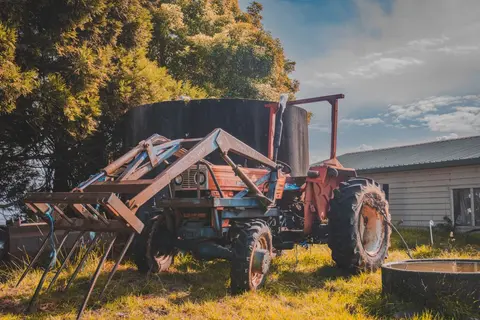
Explore how Owl Farm has lowered nitrogen fertiliser use and modelled nitrogen loss.
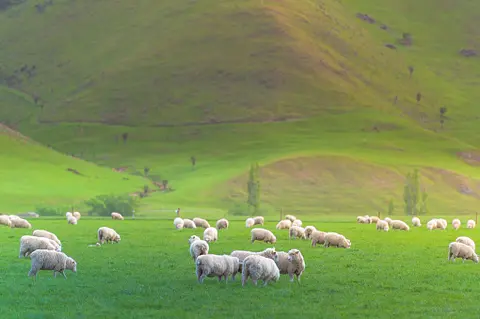
This research reviews how nitrification inhibitors can cut nitrous oxide emissions in pastures.
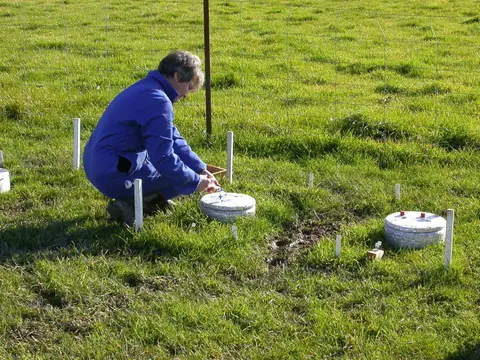
Learn how nitrogen management on farm can cut nitrous oxide losses.
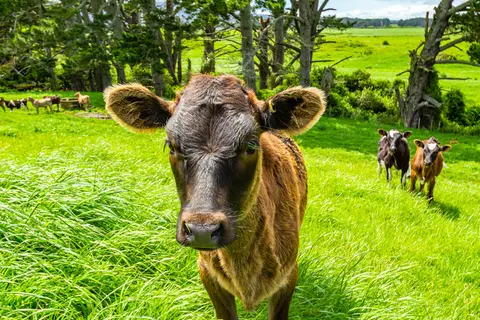
Compare nitrogen, phosphorus and greenhouse gas losses across dairy farm types.
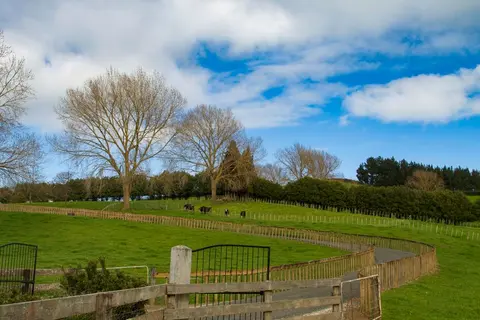
Learn how Owl Farm cut biological greenhouse gas emissions over a ten year period.
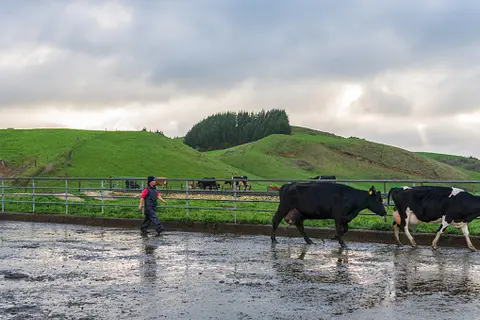
Map showing nitrate-nitrogen leaching from dairy farms, with spatial accuracy at 100m resolution.
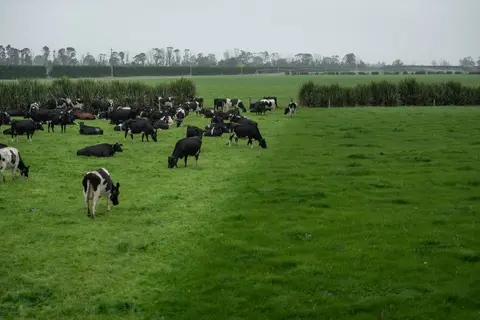
Review how fertiliser and grazing rotations are matched to feed demand.
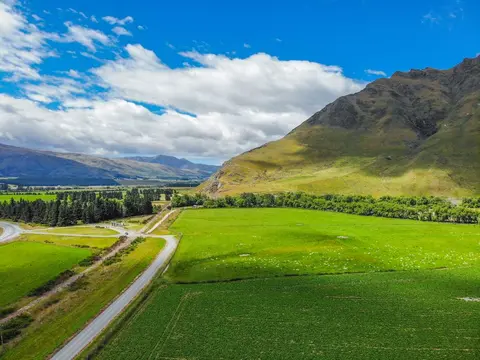
Discover which paddocks grow the most feed and why some fall short.
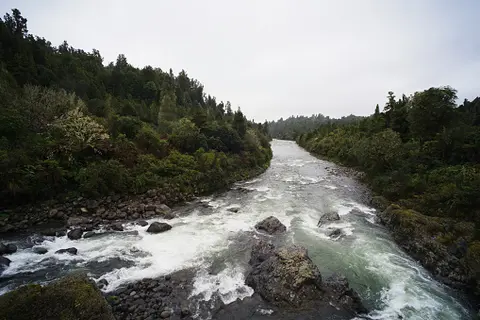
Compare nitrogen and phosphorus levels in your rivers against national bottom lines.
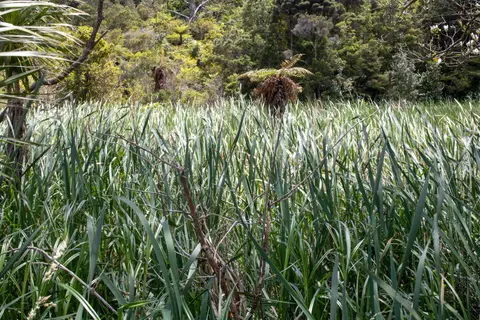
See how Owl Farm's constructed wetland strips nitrogen and sediment from farm runoff.
This guide explains how to cut nitrogen use, reducing nitrous oxide emissions on farms.
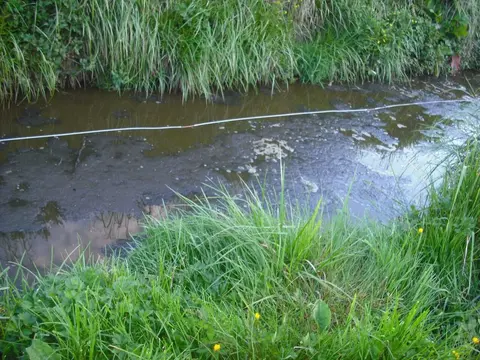
Learn the national rules for storing and spreading farm effluent.
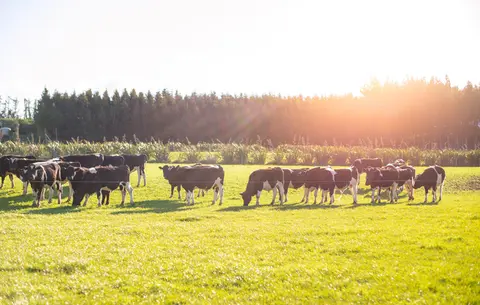
Learn about different on-farm solutions for reducing greenhouse gas emissions from dairy farms.
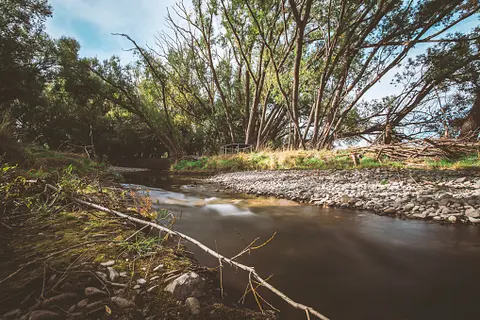
Guidance for dairy farmers on complying with the synthetic nitrogen fertiliser cap regulations.
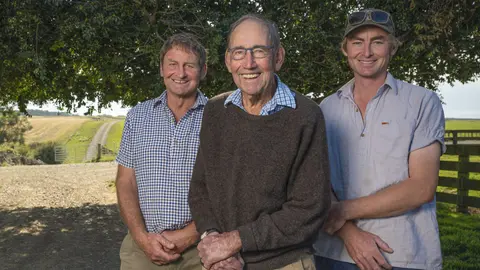
Discover how four generations of a Manawatū family farm cut emissions through soil care.
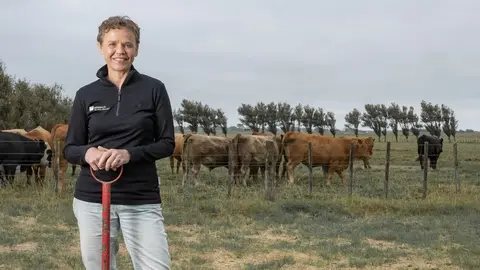
Learn about nitrous oxide, its effects, and ways to cut emissions in farming.
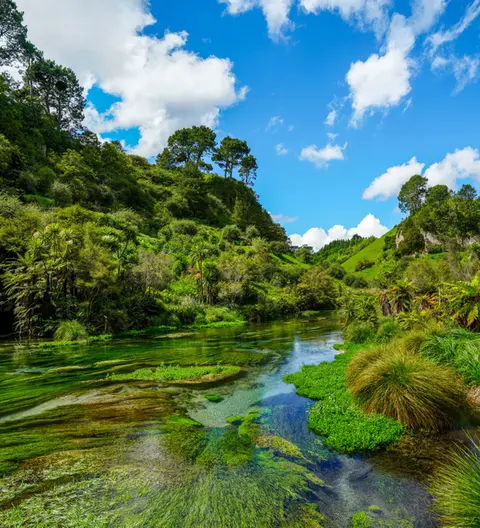
Read the report behind Aotearoa's freshwater E. coli, sediment and nutrient maps.
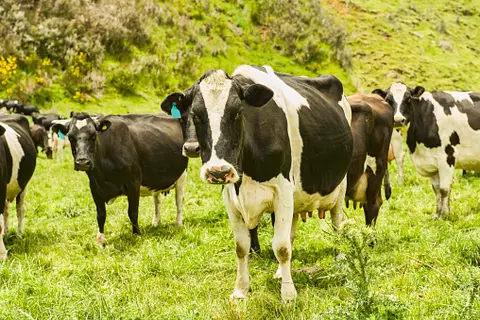
This guide explains the potential of gibberllins to reduce greenhouse gas emissions from dairy farms.
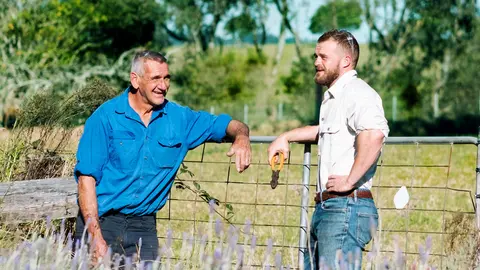
Learn how you can reduce your greenhouse gas emissions while staying profitable.
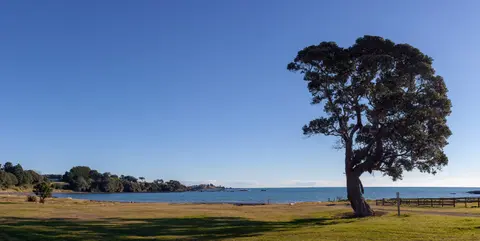
This case study explores what it means to farm in alignment with Māori values and how it can improve the environment.