On-farm actions - Rebalancing stocking rate and individual animal performance
Learn how to reduce farm emissions by improving animal performance and adjusting stocking rates.

Three things drive biological emissions on a farm: dry matter eaten, feed protein and nitrogen fertiliser. This guide shows how trimming any of them can reduce a farm's emissions while often lifting profitability at the same time. Practical starting points include improving feed quality, rebalancing stocking rate, reducing empty rates and using dairy-beef replacements.
The guide draws a clear line between emissions intensity and absolute emissions, warning that gains per unit of product can still be offset if the farm intensifies elsewhere. Several case studies show the idea in action, including Dion Gordon's small, cumulative efficiency gains and Hugh Ritchie's mixed arable and livestock operation in Hawke's Bay. Farm system modelling and good advice are the recommended place to start working out where the gains sit on your own farm.
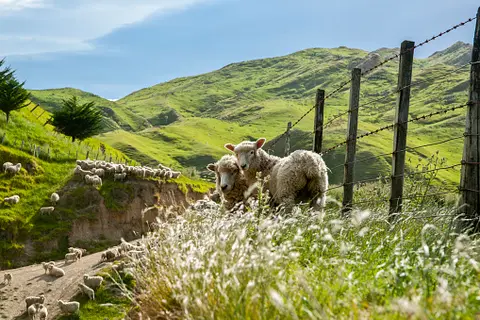
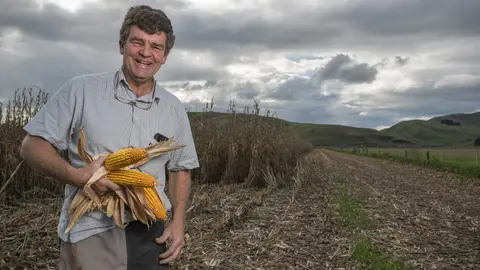
Explore how a Hawke's Bay cropping and finishing farm chips away at its emissions.

Learn how to manage greenhouse gas emissions on your farm.

Learn how sheep and beef farms can reduce greenhouse gas emissions and improve profits.

Discover ways to grow, manage and use pasture and crop for healthier, more efficient cows.

This research tries to understand why people won't adopt practices to reduce farm emissions, even if the change costs nothing.

Learn how dairy farmers in New Zealand can reduce greenhouse gas emissions effectively.

This guide explains how to cut nitrogen use, reducing nitrous oxide emissions on farms.

Explore how once-a-day milking can cut your emissions and increase your profits.

Learn how to plan, time and target nitrogen fertiliser so more of it ends up as pasture growth.

Learn about feed quantity, quality, and animal needs to increase your farm's profitability.

Explore the tools that help you map where your farm's emissions come from.

Read how balancing feed supply, demand and body condition helps cows use their feed better.