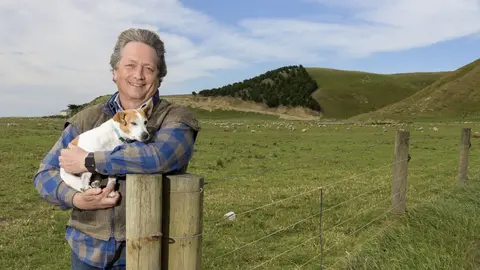
Reducing emissions without sacrificing profitability
Climate
Emissions reduction
Erosion
Profitability
Learn how a Wairarapa coastal station cut net emissions while lifting lambing and profit.
Hugh and Sharon Ritchie run Drumpeel Farms, a mixed cropping and drystock operation across two blocks in central Hawke's Bay. In this case study Hugh breaks the challenge of reducing emissions into manageable parts rather than treating it as one large problem to solve.
Reduced tillage, variable rate irrigation, livestock integration and the finishing system all contribute to the farm's efficiency gains. Hugh's view is that doing everything a little better adds up to meaningful progress on carbon.
Learn how a Wairarapa coastal station cut net emissions while lifting lambing and profit.
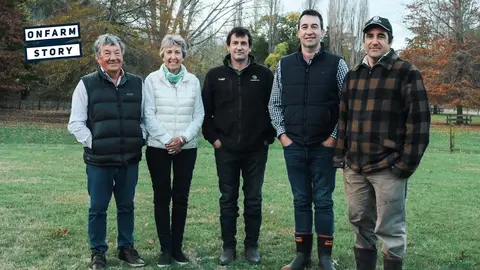
Find out how a Hawke's Bay family farm uses feed-intake data to breed lower-emission cattle.
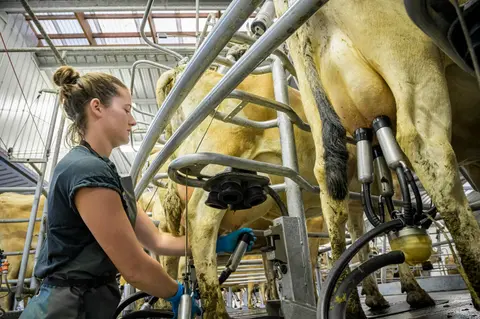
See how using feed, fertiliser and stock more efficiently can lower emissions per unit produced.
See how a Hawke's Bay cropping farm gets the most from limited water.
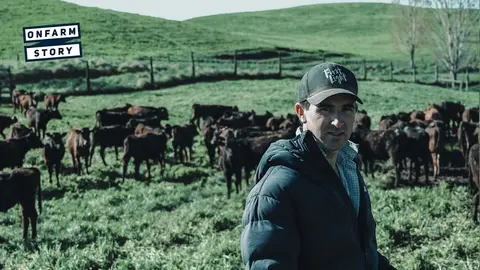
A Hawke's Bay family farm raises Wagyu beef sustainably on diverse pastures.
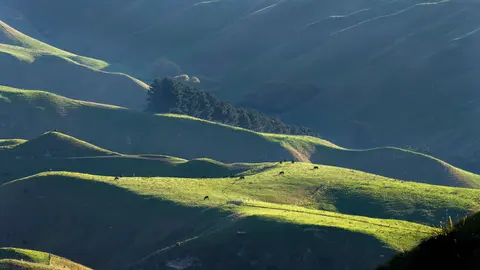
Find out how Trelinnoe farm is adapting to climate change by prioritising sustainability in farming practices.
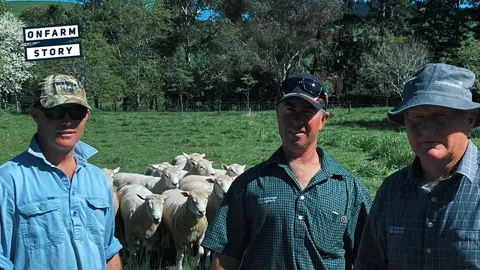
See how a Hawke's Bay family manages five farms of sheep, cattle and deer across generations.
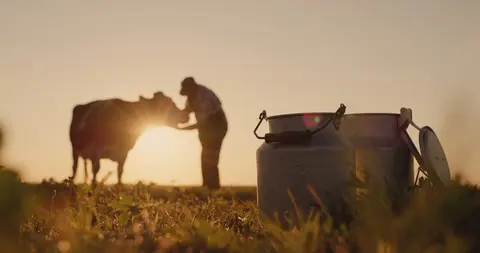
Learn how to create effective adaptation pathways for climate change in primary industries.
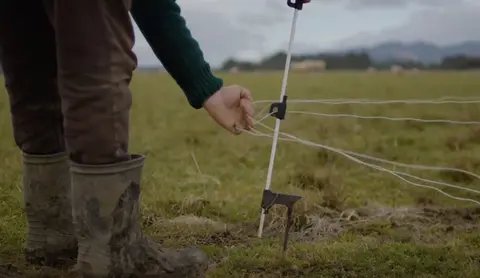
See how Kererū Station built a more flexible, resilient sheep and beef farm.
Meet a Hawke's Bay farmer who competes in showjumping while running the family farm.
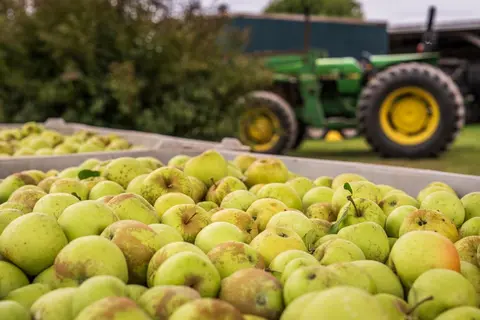
Learn how Hawke's Bay industry can switch process heat from gas to biomass and electricity.
Hugh Taylor discusses how rising carbon prices affect farming and forestry decisions in Canterbury.
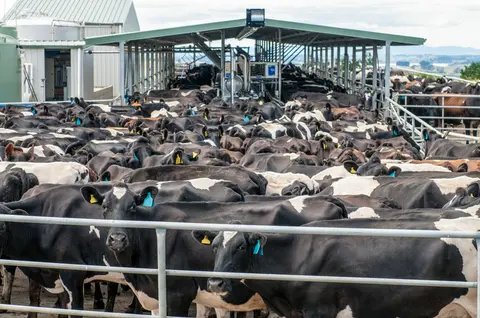
Learn about dairy farm emissions, their impacts, and ways to reduce them without affecting your profitability.
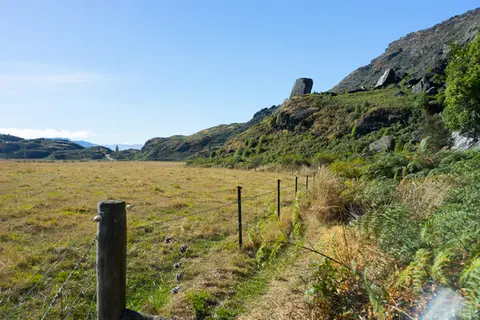
Learn how farm type and land structure influences GHG emissions on Māori farms.
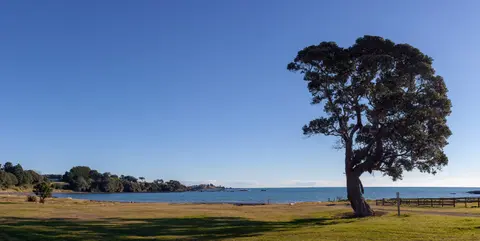
This case study explores what it means to farm in alignment with Māori values and how it can improve the environment.
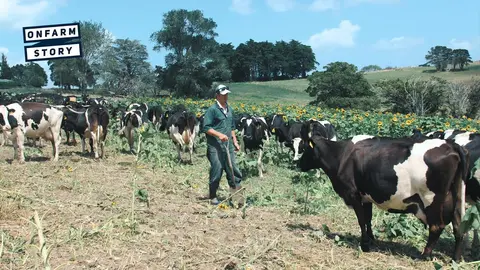
Explore how a Northland dairy farmer is rebuilding soil health with cover crops.

Uncover how an East Cape Māori incorporation is lowering emissions and easing pressure on waterways.
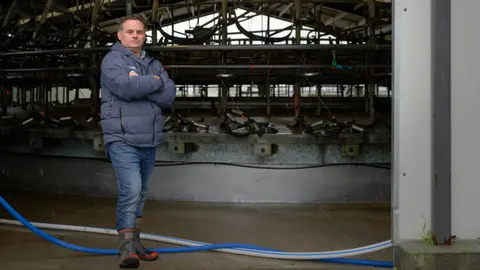
Find out how a Canterbury dairy farm lowered emissions by doing the basics well.
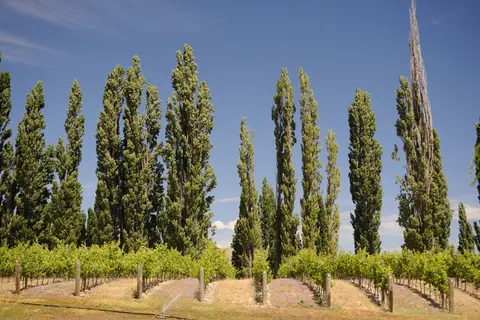
Source willow and poplar poles for erosion control in Hawke's Bay.
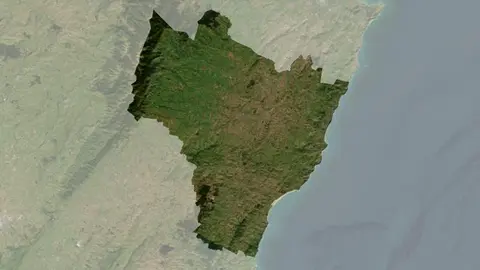
Understand climate event and variability trends for Central Hawke's Bay District.
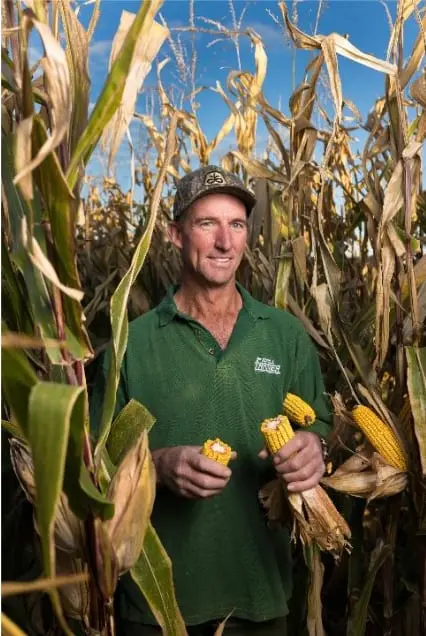
Discover how a North Waikato cropper cut nitrogen and emissions by switching to no-till maize.
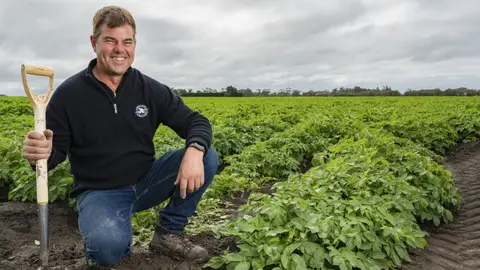
A Canterbury vegetable producer shares their experiences with precision agriculture and crop rotation to enhance soil and reduce emissions.