Reducing impacts of climate change
Climate
Biodiversity
Emissions reduction
Forestry
Regeneration
Sequestration
Sustainability
Learn about the role tree planting can play in reducing climate change impacts.
Hugh Taylor, a sheep and beef farmer in Canterbury, discusses the impact of rising carbon prices under New Zealand's Emissions Trading Scheme. He highlights how these changes have influenced his views on exotic forestry and native regrowth. With 300 hectares of redwoods on his property, Taylor explains the financial benefits derived from carbon credits, showcasing a shift towards balancing land use for livestock and reforesting poorer land. The conversation reflects the critical role of carbon credits in addressing global warming and the adaptation required for farmers.
Learn about the role tree planting can play in reducing climate change impacts.
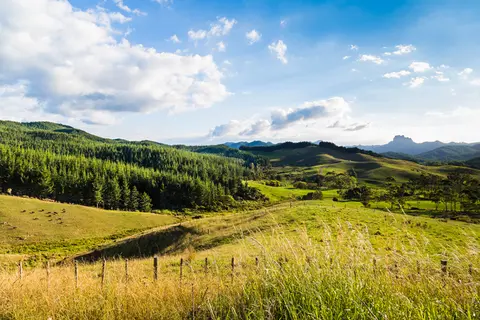
Find out more about tree farming for carbon credits.
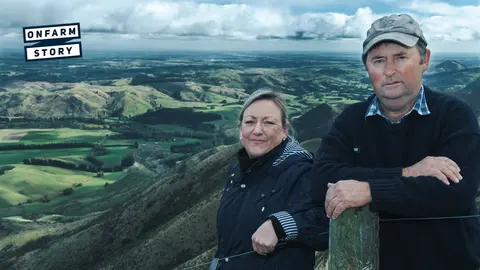
Watch how Canterbury farmers combine sheep and beef with carbon forestry.
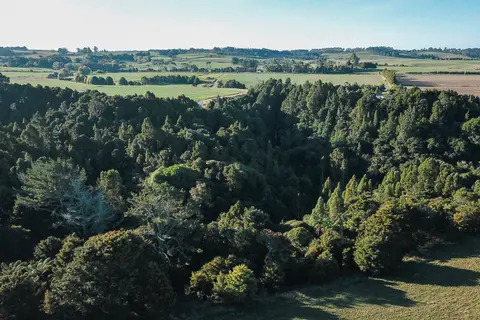
Learn how tree planting on farms can earn carbon credits in the Emissions Trading Scheme (ETS).
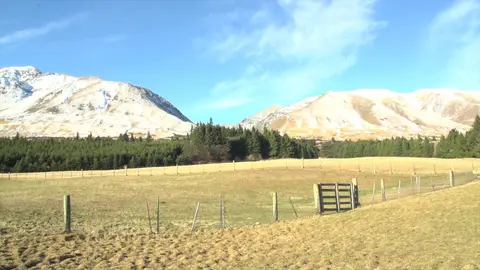
Discover how trees enhance a South Canterbury farm's income and environment.
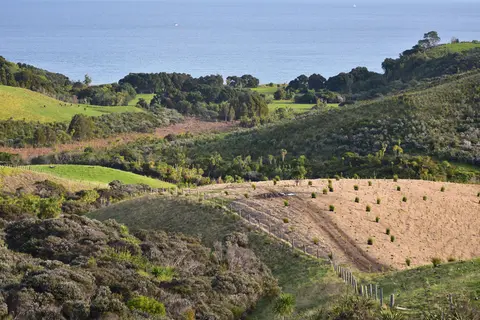
Find out how to convert marginal or depleted agricultural land into native forests for carbon farming.
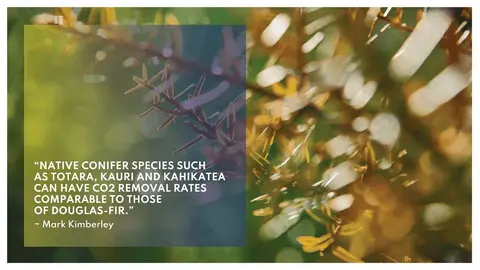
Find out about carbon sequestration rates in native forests and planting methods in New Zealand.
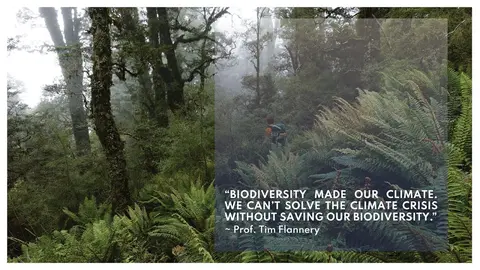
Professor Tim Flannery discusses native forests, carbon capture, and climate solutions in NZ.
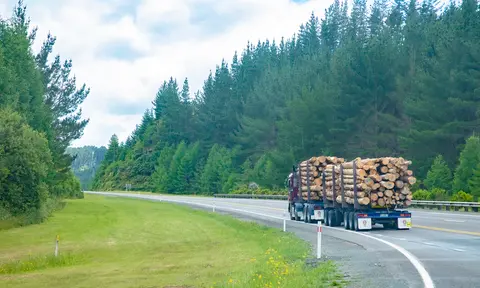
Learn about joining the forestry section of New Zealand's Emissions Trading Scheme (ETS).
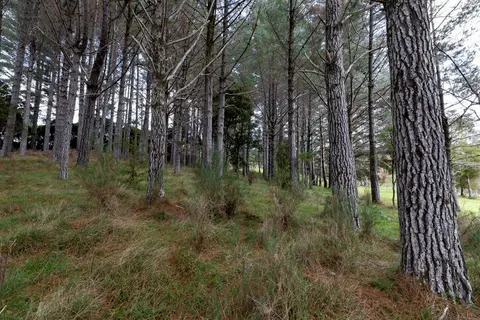
Learn about sustainable farming and forestry in North Canterbury for income and shelter.
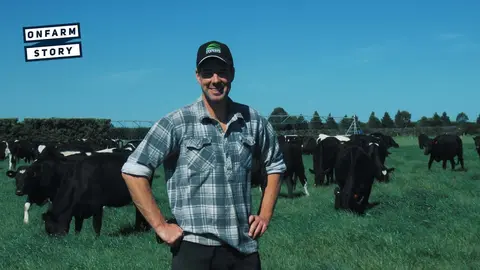
See how a Canterbury dairy farmer balances regulation, cost and sustainable practice.
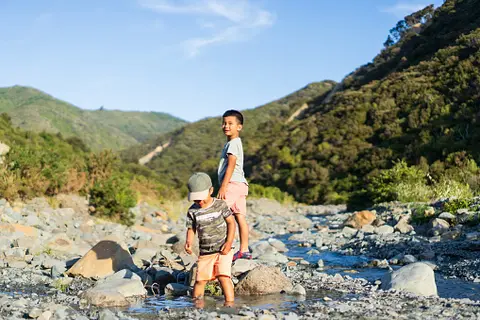
This report explores how Māori landowners decide on native forest regeneration and carbon farming.
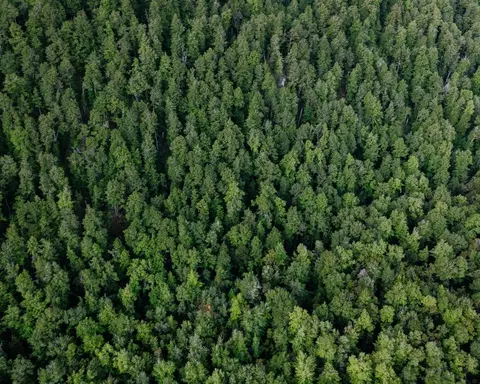
Look up expected carbon stock by forest age for small forests in the ETS.
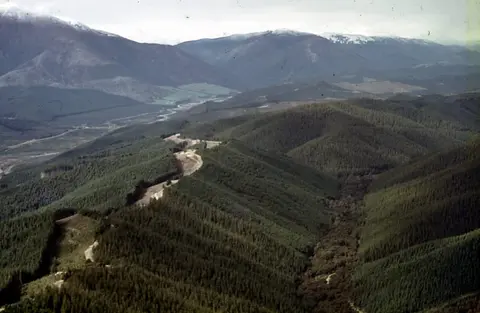
Understand the key considerations for land owners when considering entering the ETS.
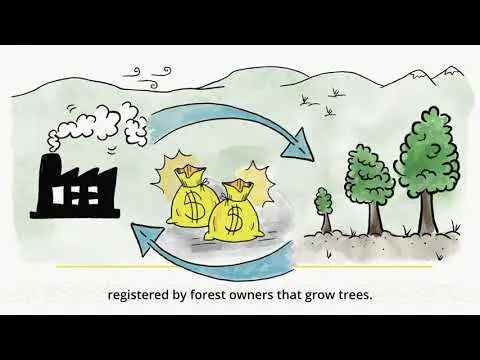
This video explains carbon farming and its benefits for Tairāwhiti’s environment and economy.
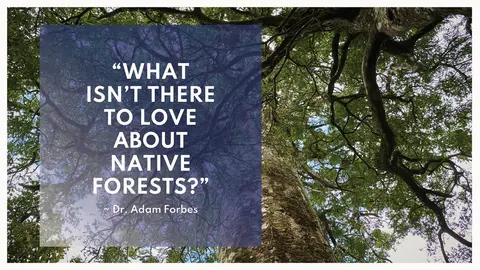
Dr. Adam Forbes discusses transitional forestry's role in shifting exotic forests to native ecosystems.
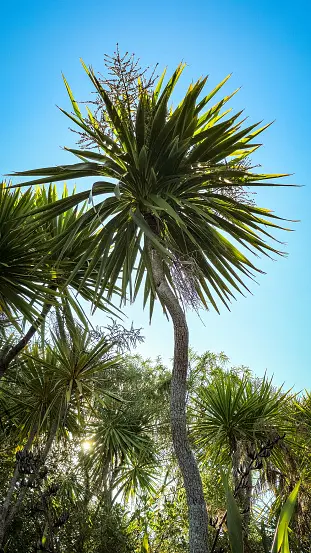
Learn how farms can use trees for carbon credits to boost income while enhancing te Taiao.
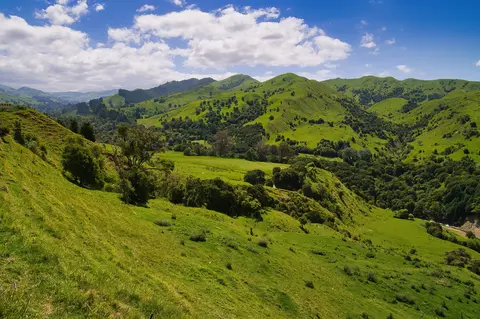
Learn about sustainable Māori forestry and agriculture for climate resilience on the East Coast.
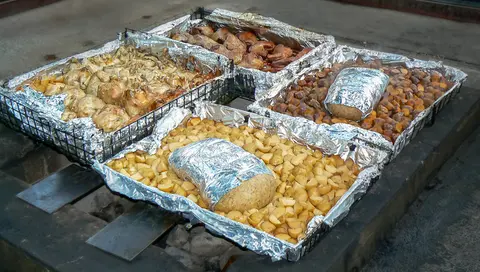
This project explores Māori food traditions and how climate change impacts cultural health.

Te Kapunga Dewes discusses Māori views on forestry, native trees, and carbon finance.

How the ETS and carbon forestry apply to whenua Māori.
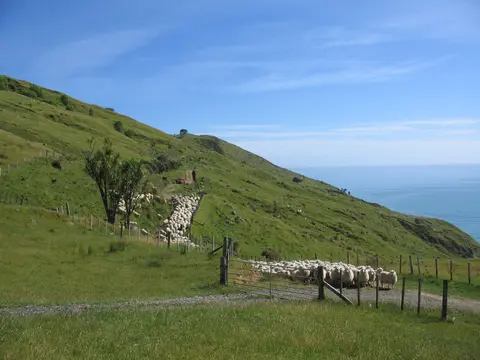
Explore how our beef and lamb farming can support wellbeing, the planet, and local communities.
Learn about how a Dipton catchment group aims for carbon neutrality through farming changes and community support.