
Carbon Farming on Māori land: Do governance structures matter?
Climate
Emissions reduction
Forestry
Governance
Sequestration
Whenua Māori
This study explores how different governance structures affect Māori land decisions on carbon farming.

Whenua Māori sits under its own rules for carbon forestry. Land held under Te Ture Whenua Māori, land converted to general land in the 1960s, and Treaty settlement land are exempt from the new limits on exotic forestry, and decisions usually run through a trust or incorporation and its owners.
This guide covers those exemptions, how governance and owner consultation shape a carbon decision, where the Māori Land Court can come in, and the extra income that can sit alongside carbon, such as mānuka honey and biodiversity credits. It also sets out the main challenges: governance load, capacity, price and policy risk, and competing uses for the land.
This study explores how different governance structures affect Māori land decisions on carbon farming.
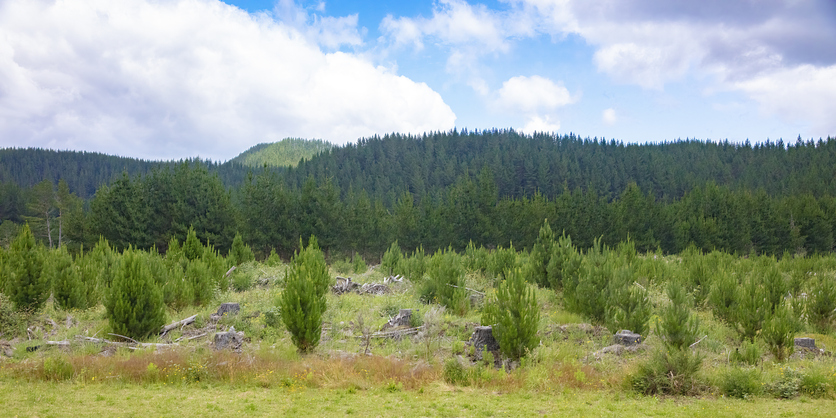
This paper discusses carbon farming on Māori land, its benefits, and decision-making challenges.

This paper explores challenges and opportunities for Māori landowners in native forestry.

Plan the steps to set up a whenua Māori trust or incorporation.

Learn about governance options for Māori land and how to set up trusts or incorporations to govern them.

Connect with whānau, get involved with your land, and find out about your rights and responsibilities on the whenua.

Learn about succession, which is the legal process for becoming a Māori land owner.

Learn about Māori land laws and court processes.
This guide explains how to set up a Māori land trust and what to think about.
Learn about the different Māori land structures created by Te Ture Whenua Māori Land Act 1993.
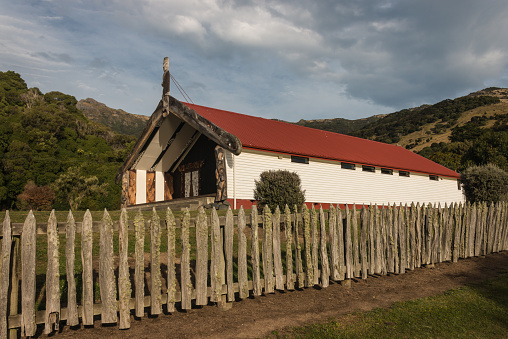
Learn about whenua Māori governance, its structures, and why it's important.

This report explores how Māori landowners decide on native forest regeneration and carbon farming.

Learn about Māori land ownership, its history, and how it works today.

Learn how to manage Māori land through trusts and incorporations for your whānau.
Learn how to choose trustees for Māori land trusts.
Find out how to access information about Māori land and its ownership and governance.

Find out about the legal process of succeeding to whenua Māori.

Learn about how the Māori land succession process works for whāngai.

Learn about trustee obligations, governance, and running effective hui for Māori land trusts.


Explore 12 governance principles guiding Māori land trustees in decision-making.