On-farm actions - Rebalancing stocking rate and individual animal performance
Learn how to reduce farm emissions by improving animal performance and adjusting stocking rates.

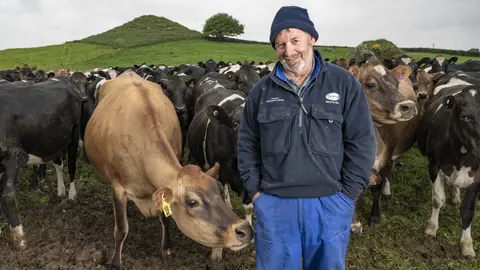
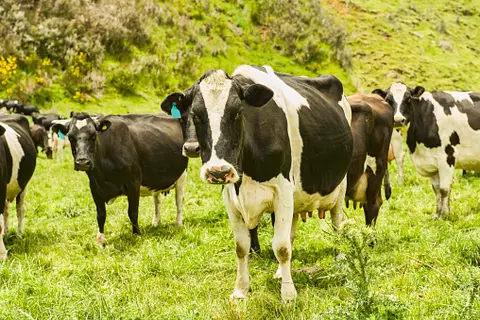
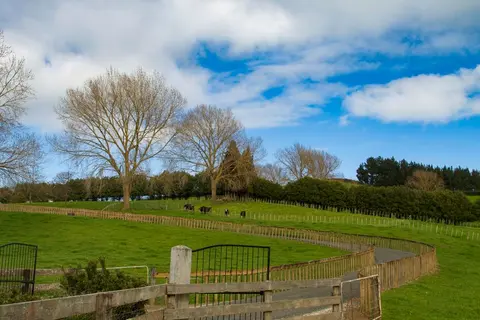
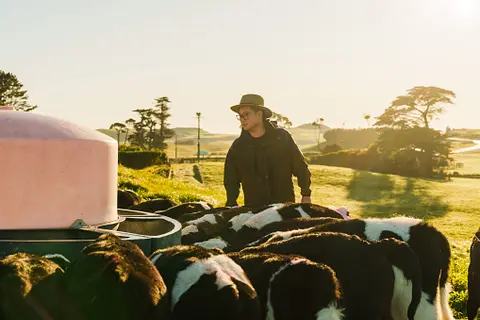
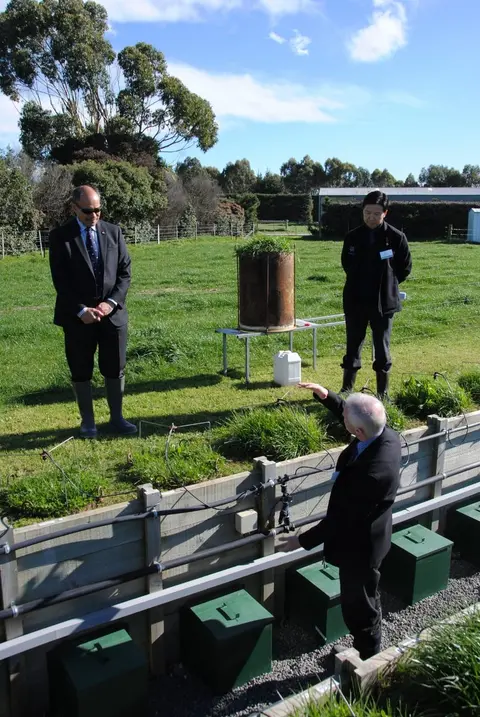
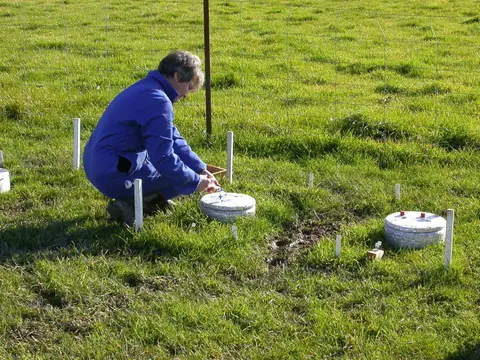
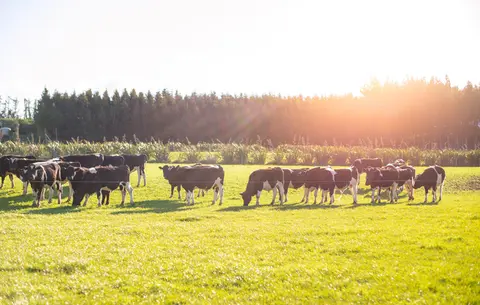
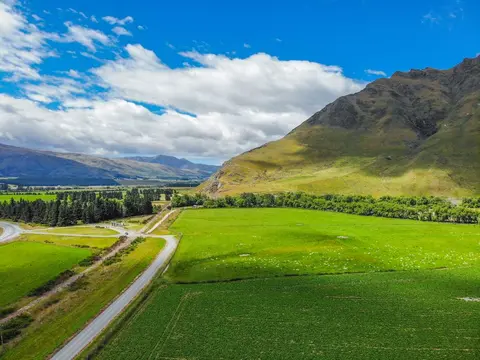
NARF is an 85-hectare dairy research farm near Dargaville, owned by Northland's dairy farmers. This case study covers its Future Farming Systems trial, which compares three farmlets over four years. A standard kikuyu and ryegrass system is run alongside alternative pasture species and a low-input, reduced-stocking system.
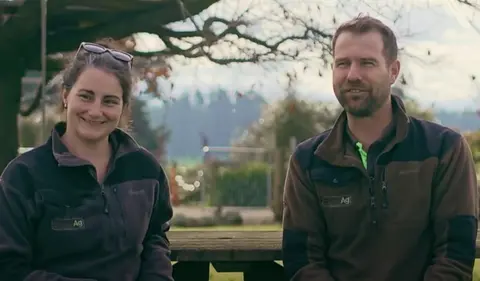
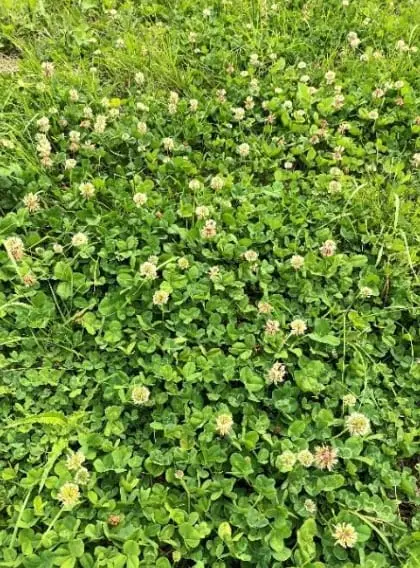
The research team report the trial's early results, including a large cut in methane and nitrous oxide on the low emissions farmlet and the swing in clover content that helped sustain milk production without nitrogen fertiliser. The trial continues for several more seasons, and the team point readers to where they can follow ongoing results.
Explore how dairy water-quality measures affect greenhouse gas emissions too.

What the Ngāi Tahu regenerative dairy trial measures, from nitrate to sleep.

Explore new technologies for reducing on-farm greenhouse gas emissions from your farm.

Take a look at the new technologies Fonterra is trialling to cut methane on dairy farms.

Learn how nitrogen management on farm can cut nitrous oxide losses.

This resource outlines methods to reduce agricultural greenhouse gas emissions in New Zealand.

Follow the Woodward family's move to a lower-input Ōtorohanga dairy farm.

Explore innovative farming practices to harvest pasture proteins for human use in Aotearoa.

Tour a Wairarapa dairy farm where a feed pad and compost barn help cut nitrogen loss.

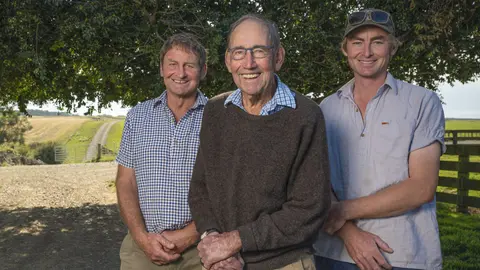
Discover how four generations of a Manawatū family farm cut emissions through soil care.

Learn about different on-farm solutions for reducing greenhouse gas emissions from dairy farms.

Discover which paddocks grow the most feed and why some fall short.