Co-benefits and trade-offs of water quality mitigation measures on greenhouse gas emissions from New Zealand dairy systems
Explore how dairy water-quality measures affect greenhouse gas emissions too.

Te Whenua Hou Te Whenua Whitiora is the largest single-farm regenerative trial in the country. Ngāi Tahu Farming aims to cut water use, greenhouse gas emissions and nitrate leaching on the regenerative farm by a fifth by 2030 while keeping production and animal health up.
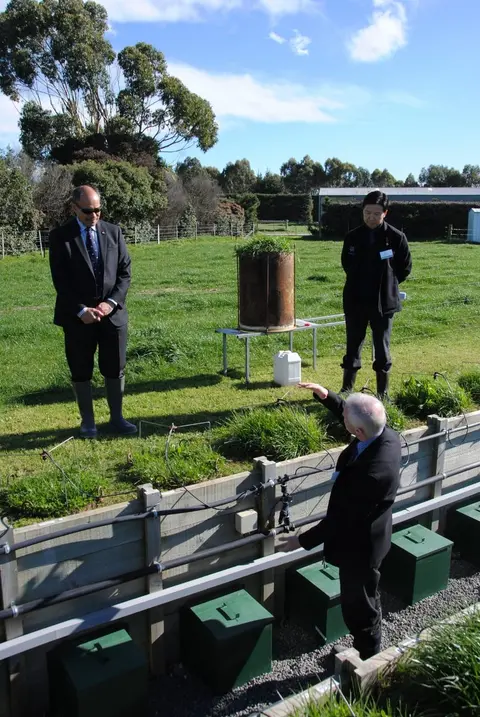
This feature from Te Rūnanga o Ngāi Tahu covers what is different on the regenerative farm, such as diverse pastures, less synthetic fertiliser and longer grazing rounds, and how the results are measured: lysimeters under the paddocks for nitrate, halters on the cows for health data, and sleep rings on the kaimahi to track their wellbeing.
This resource highlights the importance of whenua for identity, wellbeing, and connection.

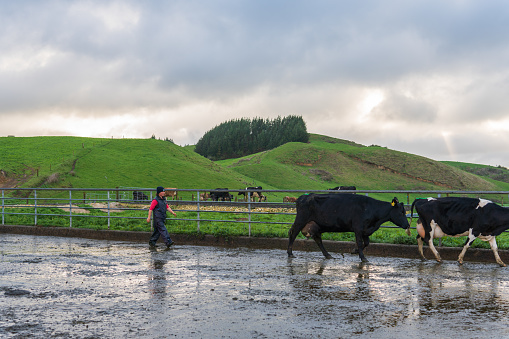
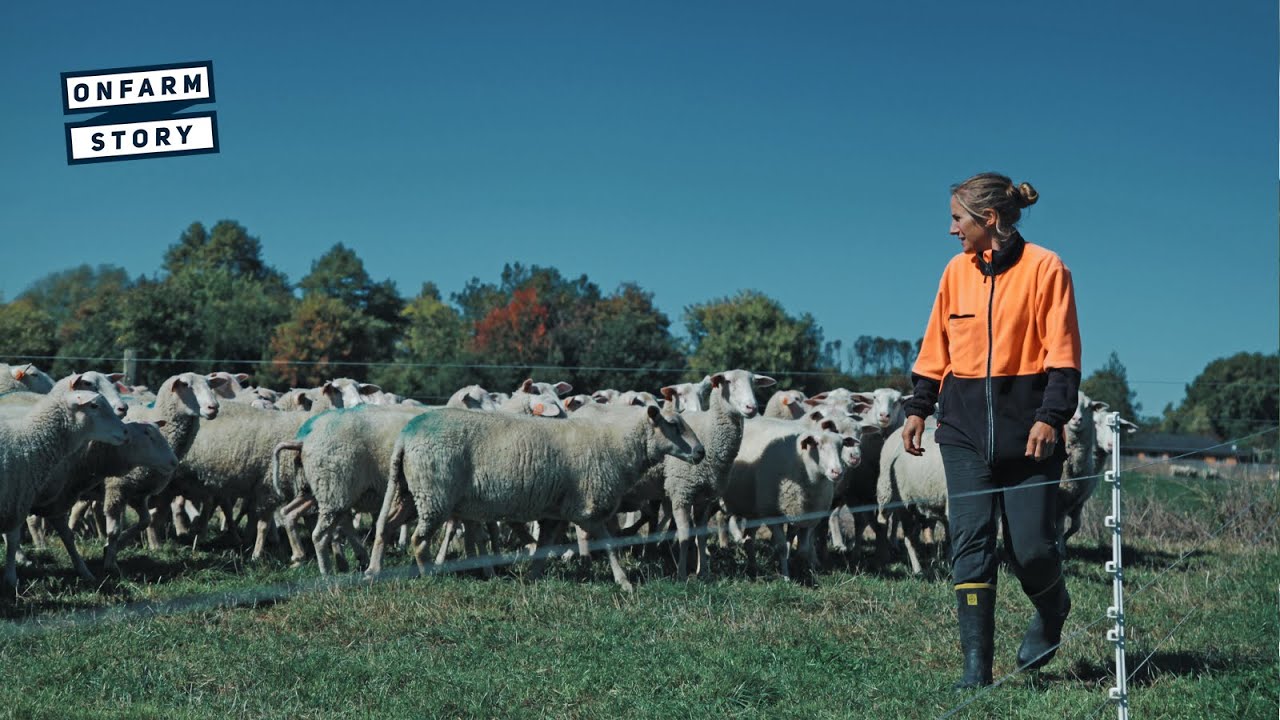
See how a Waikato farmer converted a cow dairy into a sheep milking operation.

Take a look at the new technologies Fonterra is trialling to cut methane on dairy farms.

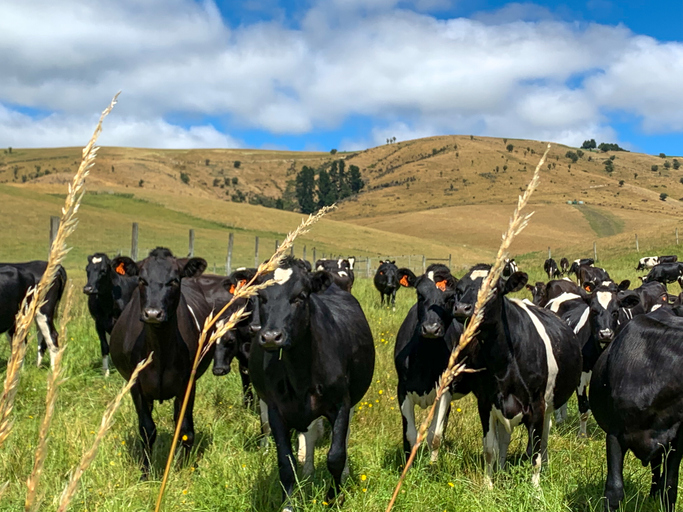
See how many hot days dairy cows in your rohe could face as the climate warms.

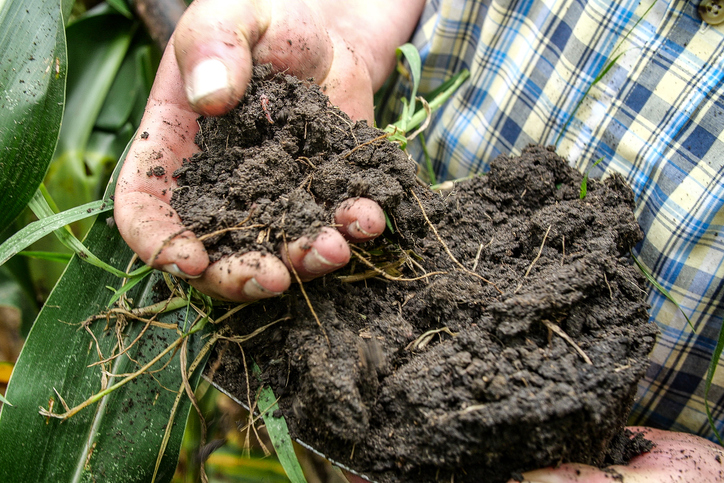
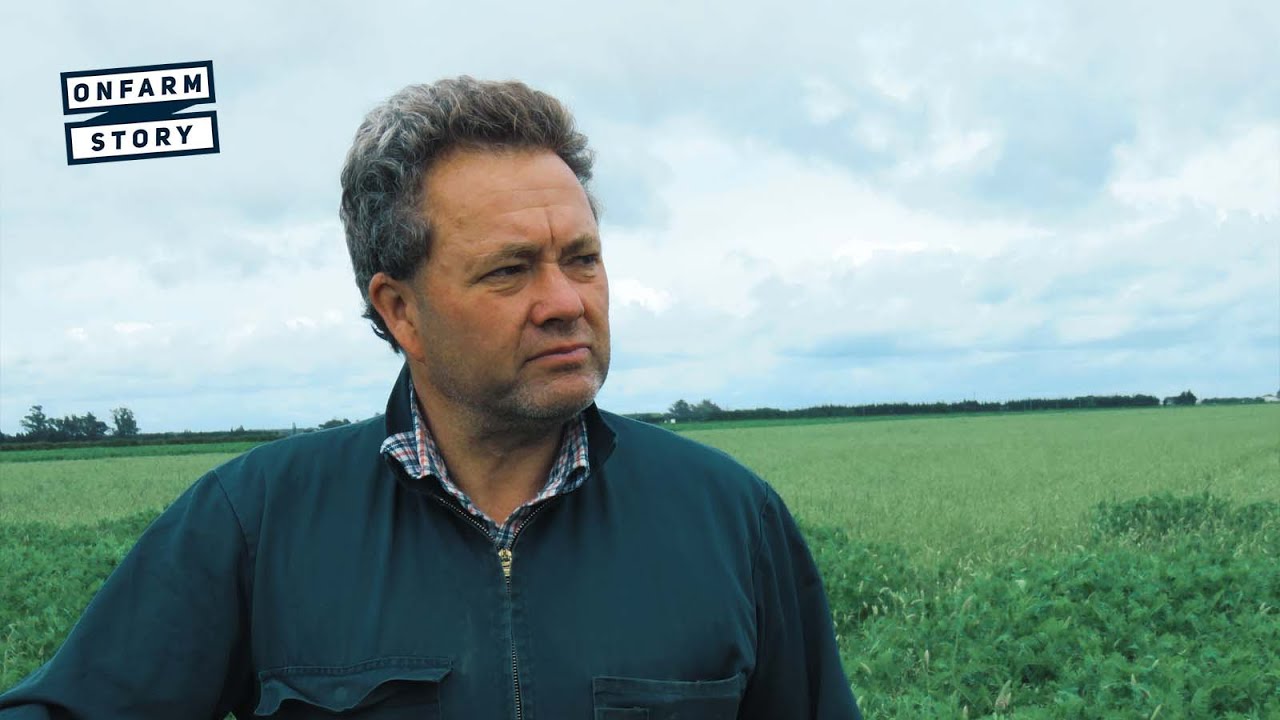
Discover why a Canterbury cropping farmer put soil health ahead of tradition.

Review how fertiliser and grazing rotations are matched to feed demand.

This resource outlines methods to reduce agricultural greenhouse gas emissions in New Zealand.

Find out about a no-cost method to reduce your dairy farm's greenhouse gas emissions.

Explore actions New Zealand farmers can take to reduce greenhouse gas emissions effectively.

Learn how Owl Farm cut biological greenhouse gas emissions over a ten year period.

See which sheep and beef mitigation measures cut nutrient loss and emissions.

Learn about methane in agriculture and how NZ ag researchers are trying to reduce emissions.