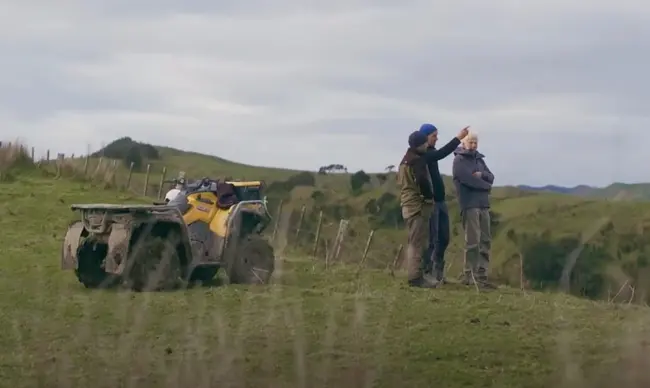
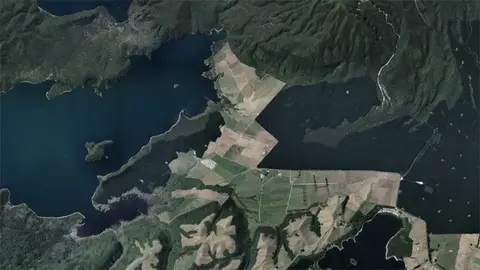
Farm Systems Modelling for GHG Reduction on Multiple Enterprise Māori Farms
This report uses two case studies to illustrate different ways that diversified Māori agribusinesses can reduce greenhouse gas emissions and increase profits.
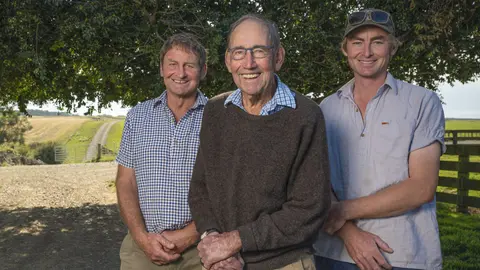
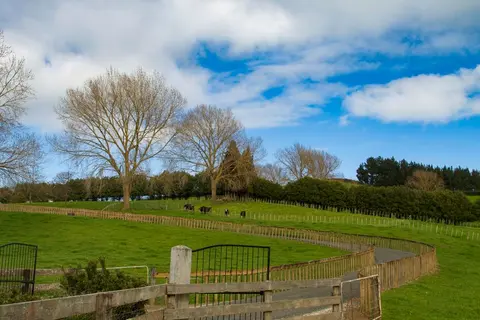
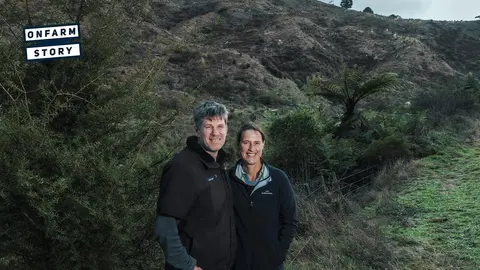
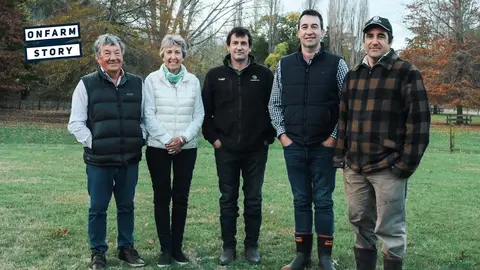
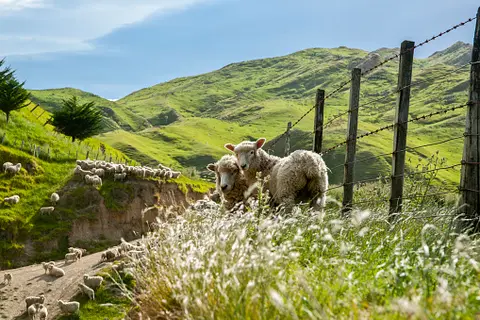
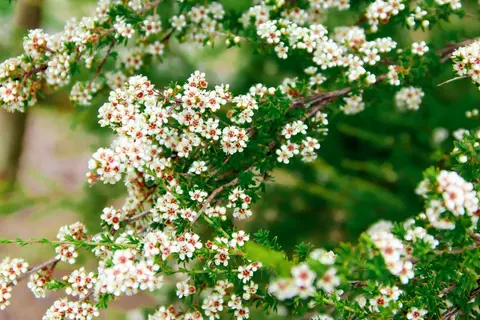
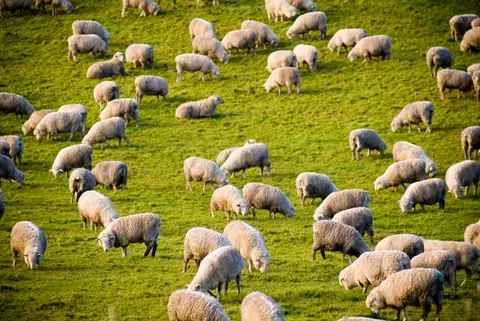
Oxton Farm is Tripe family hill country between Whanganui and Hunterville, and ownership is passing from Nick Tripe to his son Johnny and daughter-in-law Emmeline. In this case study the family explain how planting and retiring land in mānuka for honey and carbon credits, alongside genetic gains in the ewe flock, is projected to cut net emissions by more than half.
The Tripes frame the changes as building a farm system that suits the land itself, supporting the wider river catchment and the generations of Tripes still to come.

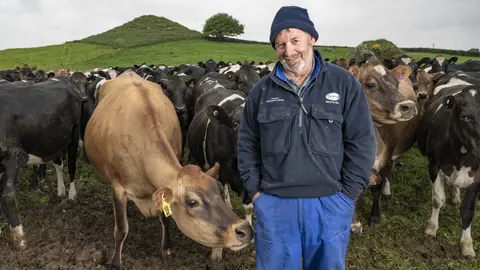
Find out how a Hawke's Bay family farm uses feed-intake data to breed lower-emission cattle.

See how using feed, fertiliser and stock more efficiently can lower emissions per unit produced.

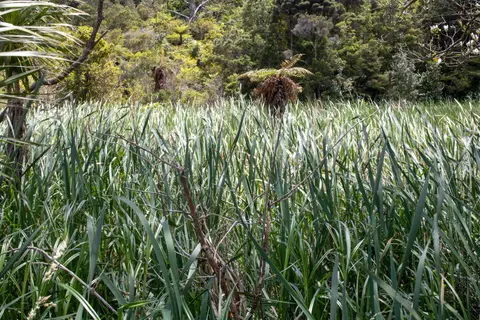
See how Owl Farm's constructed wetland strips nitrogen and sediment from farm runoff.

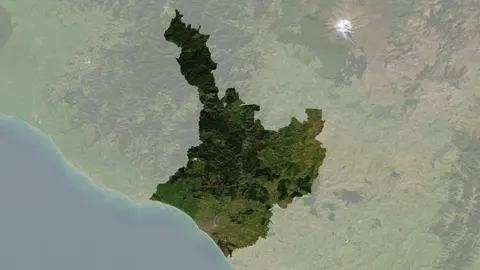
Understand climate event and variability trends for Whanganui District.

Learn how to reduce farm emissions by improving animal performance and adjusting stocking rates.

Learn about how a Dipton catchment group aims for carbon neutrality through farming changes and community support.

Use this handbook to help you set up a profitable and sustainable mānuka honey operation.

How the ETS and carbon forestry apply to whenua Māori.

Meet the Waikato dairy farmers using their numbers to cut emissions and stay profitable.

Compare your sheep and beef farm's performance with regional benchmarks.

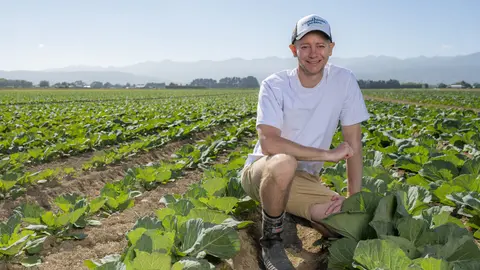
See how a Horowhenua vegetable grower nearly halved fertiliser use and cut emissions.

Discover how much mānuka honey the whenua in your rohe could produce each year.