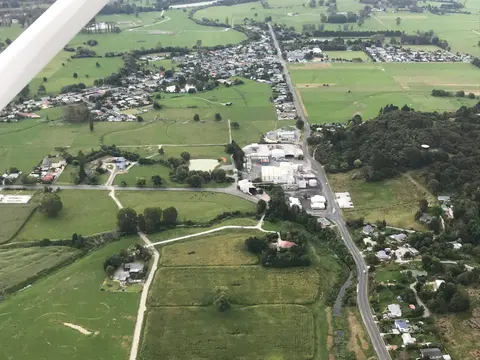
Owl Farm case study - Milk production
Enterprise
Dairy
Productivity
Profitability
Compare season milksolids results against Owl Farm's production targets.
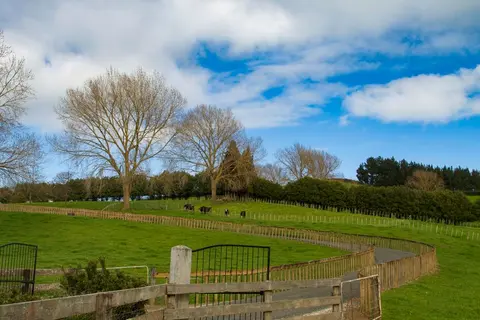
Owl Farm is a 160 hectare demonstration dairy farm at St Peter's School in Cambridge, Waikato. It has run since 2015 as a joint venture between the school and Lincoln University, with funding partners Ravensdown, DairyNZ, Fonterra, PGG Wrightson Seeds and Westpac.
The farm trades as a commercial business and reports its real results in public. It publishes its own figures on greenhouse gases, soil, water, nutrients, pasture, herd performance, animal well-being and farm finances, and opens the gate for focus days, farm walks and school visits.
Compare season milksolids results against Owl Farm's production targets.
Learn how feed budgets keep pasture cover and cow condition on target.
Discover which paddocks grow the most feed and why some fall short.
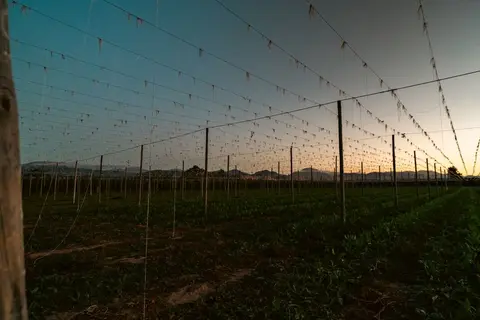
Find out how brassica crops are grown to fill the summer feed gap.
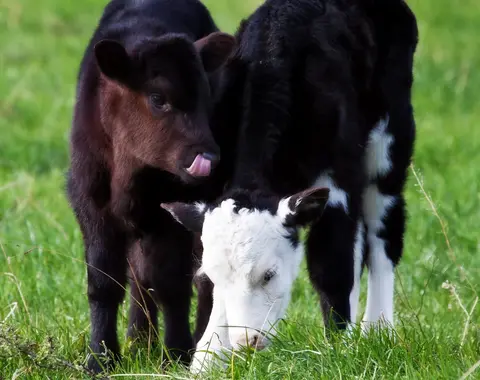
Explore how replacement calves are reared and grown out to entry weight.
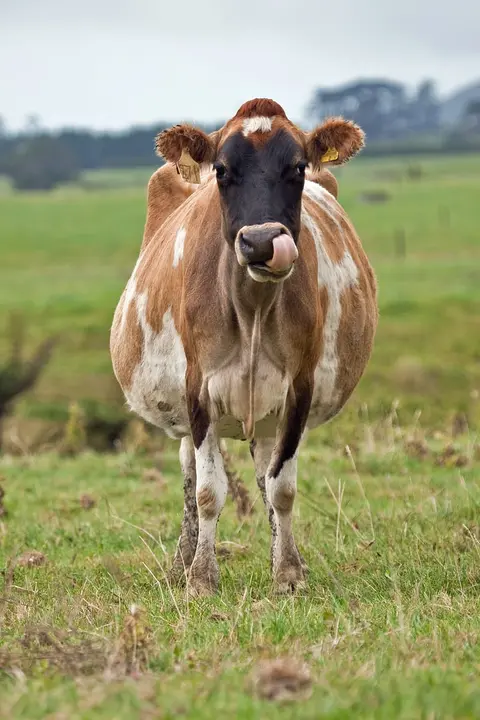
Track how a Waikato demonstration farm lifts its 6-week in-calf rate each season.
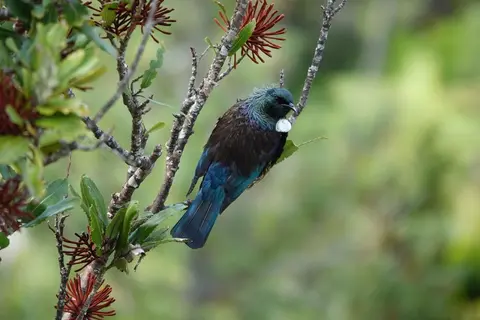
Track the native species and planting programme behind Owl Farm's biodiversity.
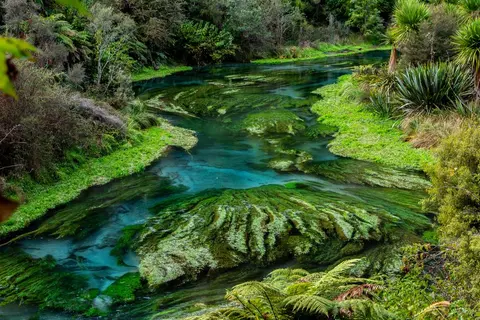
Follow how Owl Farm's environment plan guides its land, water and effluent management.
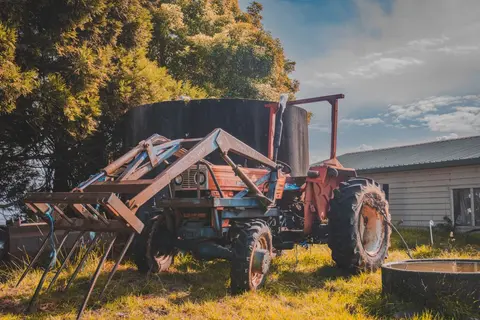
Explore how Owl Farm has lowered nitrogen fertiliser use and modelled nitrogen loss.
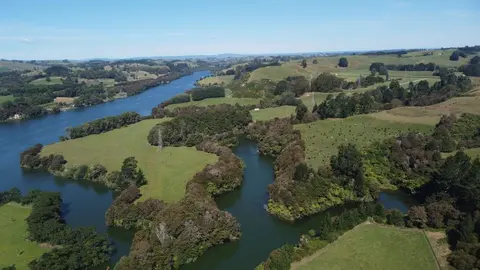
Find out how Owl Farm measures and reduces water use in its dairy shed.
Discover how Owl Farm tests and protects its soil's physical, chemical and biological health.
Learn how Owl Farm cut biological greenhouse gas emissions over a ten year period.