Averaging vs Stock Change Accounting
Climate
Compliance
Forestry
Sequestration
The two ways the ETS counts a forest's carbon, and which applies.
The ETS uses many terms of its own: averaging age, carbon accounting area, cost containment reserve, look-up table, temporary adverse event suspension, land use capability class. This glossary defines them in plain words.
This guide lists the terms alphabetically, covers the difference between pre-1990 and post-1989 forest and between the two accounting methods, and ends with a quick reference to the acronyms that turn up in every ETS document.
The two ways the ETS counts a forest's carbon, and which applies.
Learn how tree planting on farms can earn carbon credits in the Emissions Trading Scheme (ETS).
Look up expected carbon stock by forest age for small forests in the ETS.
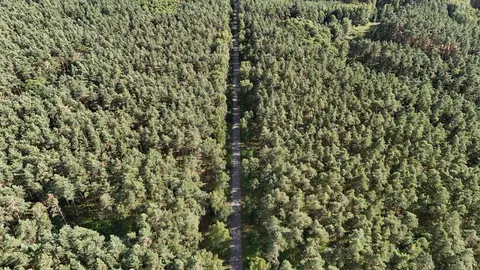
How the Emissions Trading Scheme works and who is in it.
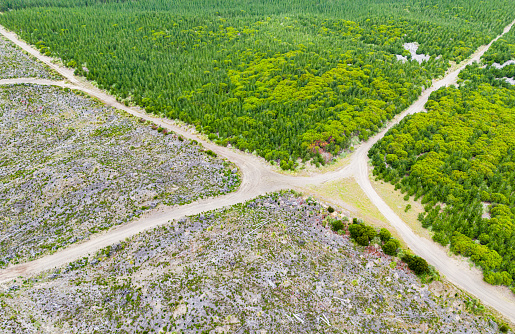
Learn about planning forest land for the Emissions Trading Scheme (ETS).
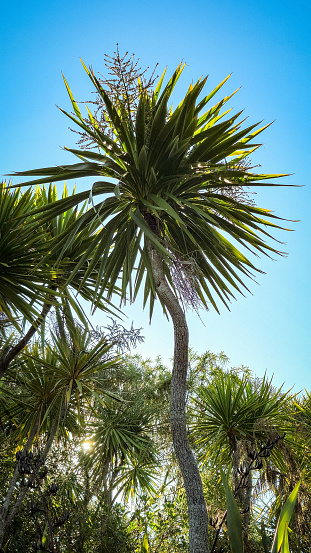
Learn how farms can use trees for carbon credits to boost income while enhancing te Taiao.
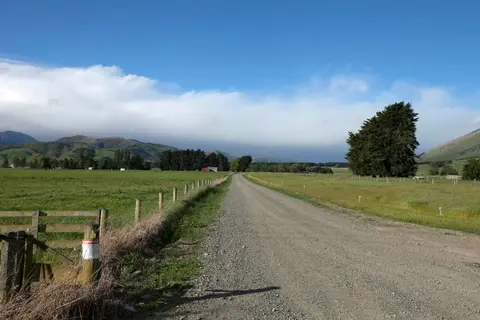
What the 2025 law on forestry conversions means for landowners.
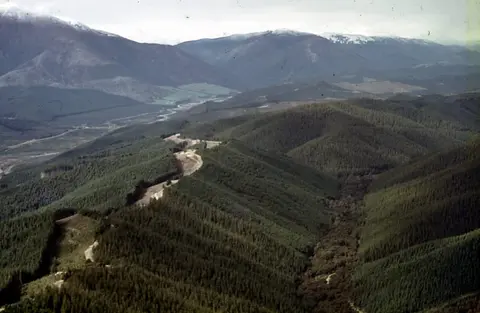
Understand the key considerations for land owners when considering entering the ETS.
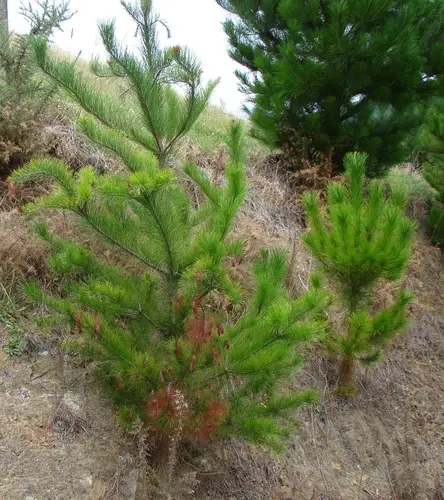
The clash between carbon credits and controlling wilding conifers.
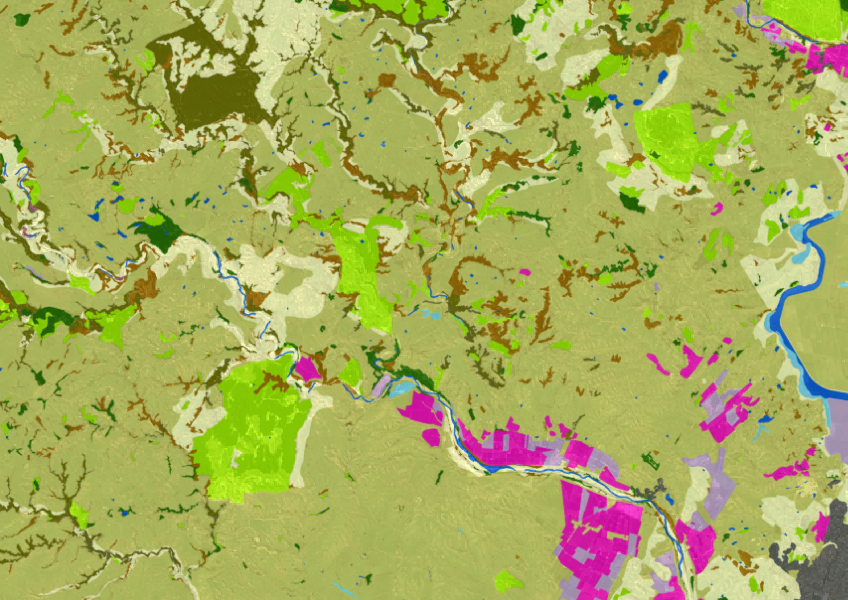
LUCAS is a national dataset that tracks carbon sequestration and land use change over time.
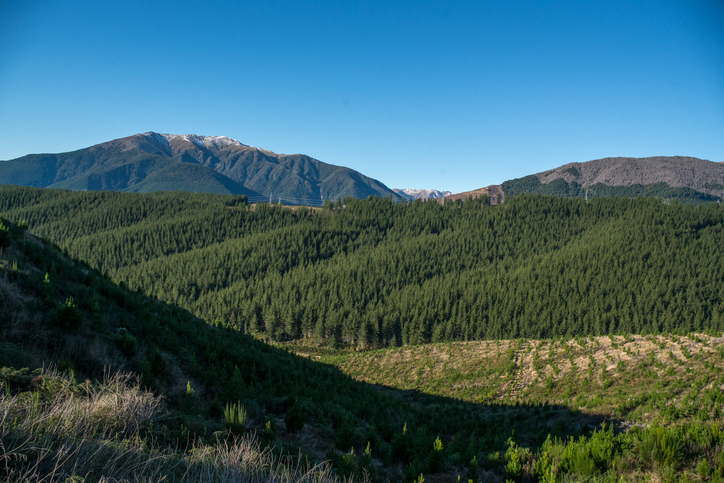
Get guidance on mapping your forest areas to assess eligibility for the Emissions Trading Scheme.
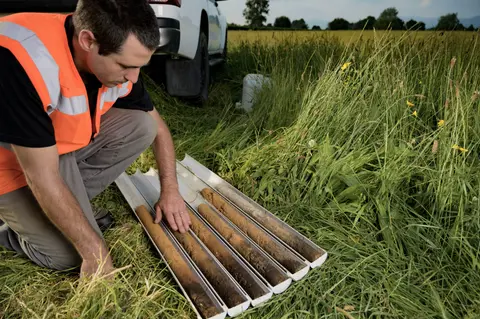
Find out what's involved in benchmarking your farm's soil carbon stocks over time.
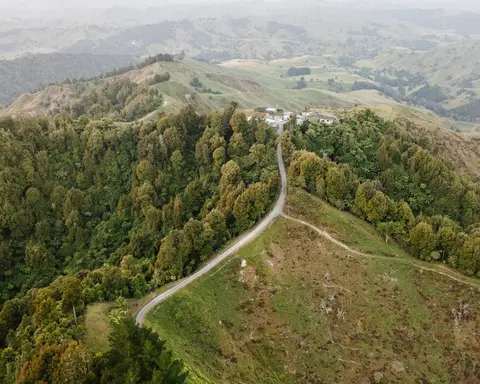
The standard tables that set a smaller forest's carbon earnings.
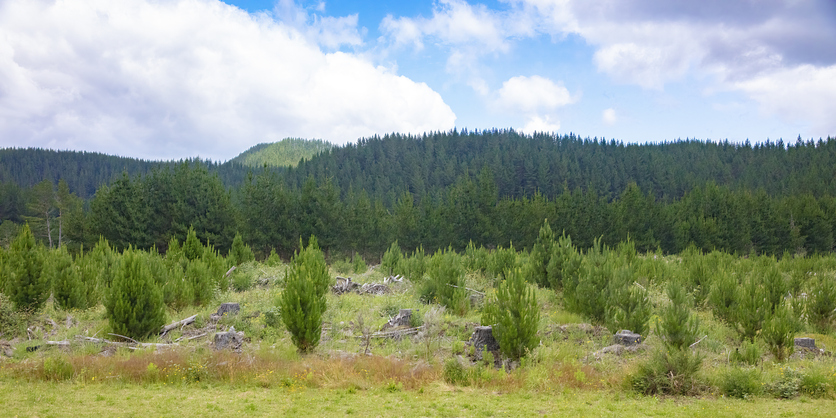
This paper discusses carbon farming on Māori land, its benefits, and decision-making challenges.

When carbon units are taxed, and how to plan the sales.

Learn about the role tree planting can play in reducing climate change impacts.
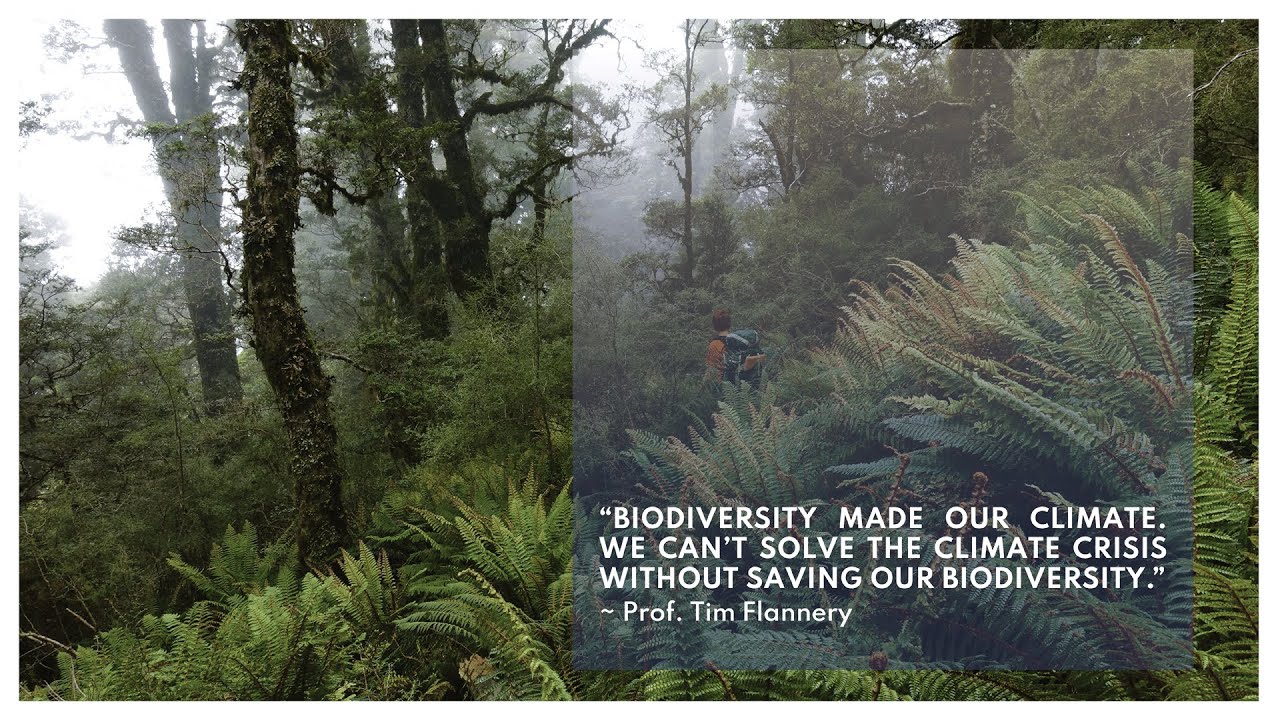
Professor Tim Flannery discusses native forests, carbon capture, and climate solutions in NZ.
Timber, carbon or both: how the returns compare and when each wins.
Learn key words and concepts relating to Māori land ownership.
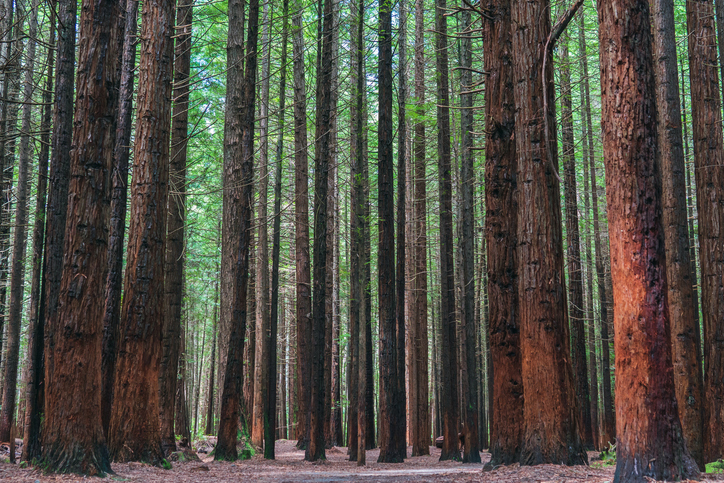
See how much carbon coast redwood could store on your whenua by age and stocking.
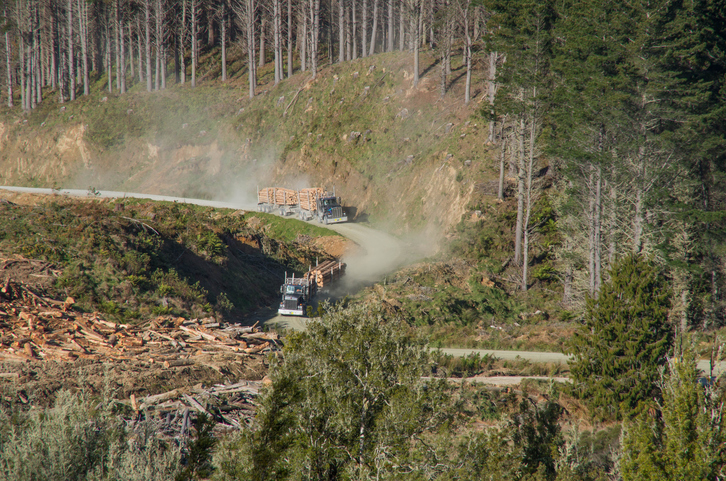
Compare how much carbon radiata pine could store on your whenua by age and stocking.
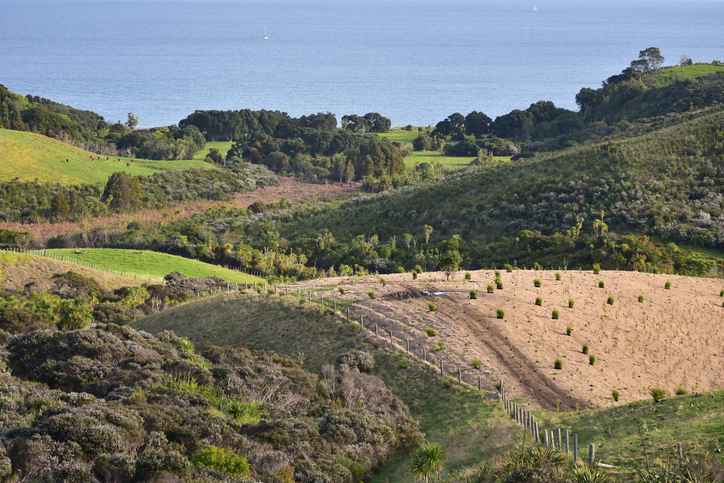
Find out how to convert marginal or depleted agricultural land into native forests for carbon farming.

The maps a registration needs and how carbon is counted on them.