Owl Farm case study - Environment plan
Whenua
Farm environment plan
Farm planning
On-farm actions
Follow how Owl Farm's environment plan guides its land, water and effluent management.
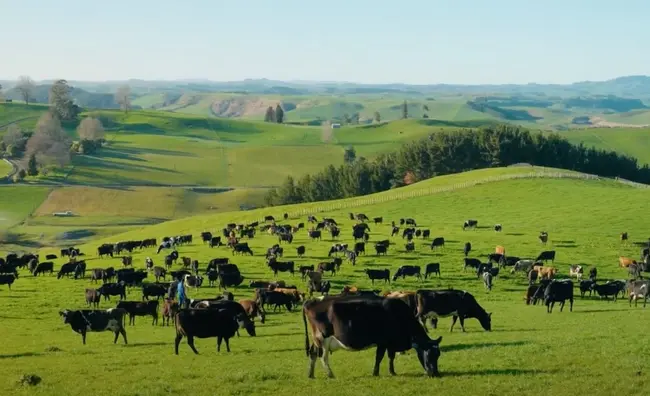
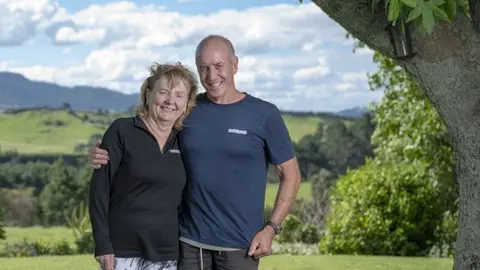
Doug and Kathy Wallace grew Taumata Farming Partnership near Pukeatua by converting former dry stock land back into dairying, under Waikato Regional Council's land use rules. In this case study they explain how a required farm environment plan set the direction for a lower stocking rate, a swap from grass to maize silage, and ongoing native and riparian planting on the steeper hill blocks.
Doug and Kathy's own advice rounds it out: get expert help with compliance, break changes into manageable steps, and take time away from the farm to think clearly.
Follow how Owl Farm's environment plan guides its land, water and effluent management.
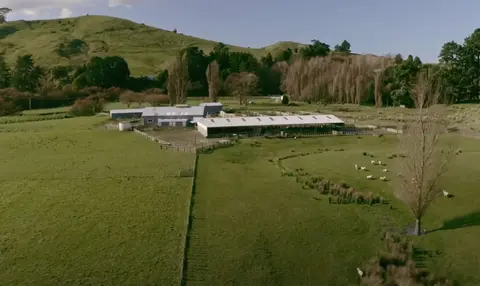
Explore how a Wairarapa sheep and beef farm cuts nitrogen while restoring wetlands and natives.
Learn how a Bay of Plenty farm used Farm Environment Planning to transform its operations and reduce its environmental impact.
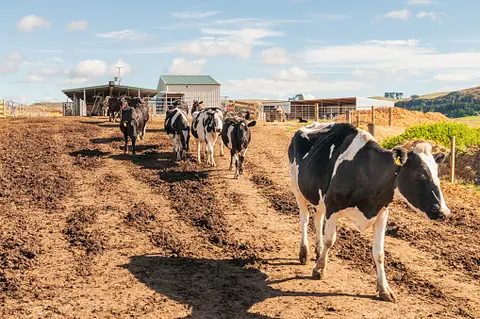
Get guidance on reducing emissions on your fairy farm.
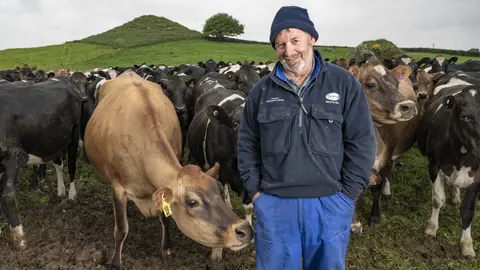
Meet the Waikato dairy farmers using their numbers to cut emissions and stay profitable.
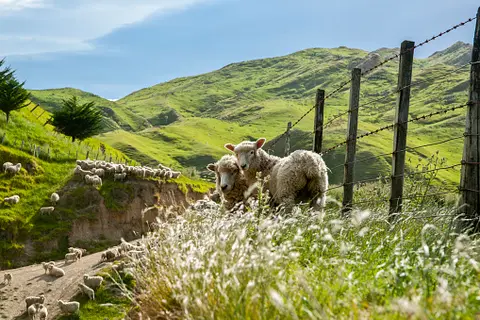
Learn how to reduce farm emissions by improving animal performance and adjusting stocking rates.
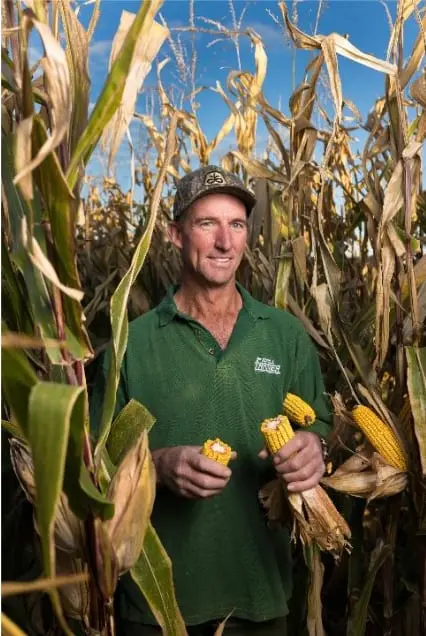
Discover how a North Waikato cropper cut nitrogen and emissions by switching to no-till maize.
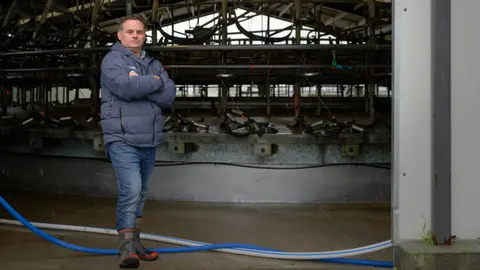
Find out how a Canterbury dairy farm lowered emissions by doing the basics well.
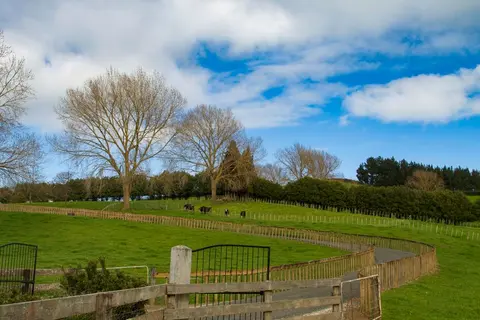
Learn how Owl Farm cut biological greenhouse gas emissions over a ten year period.
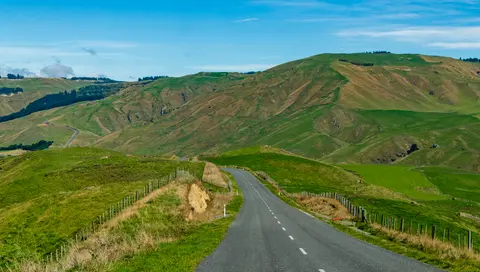
Dairy farmers in Waikato adapt to floods, droughts, and climate change impacts.
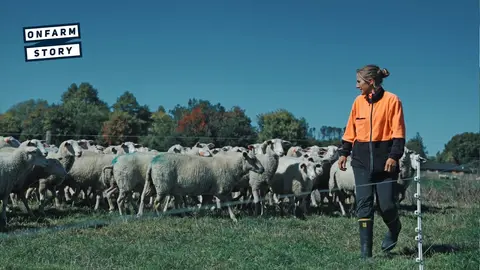
See how a Waikato farmer converted a cow dairy into a sheep milking operation.
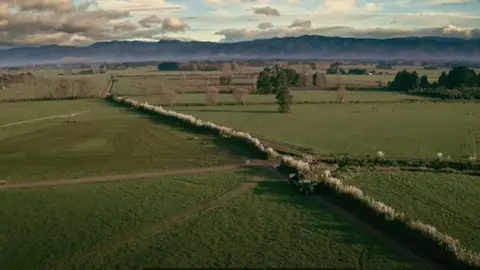
Compare four small changes that cut Kaiwaiwai Dairies' emissions by 14 percent.
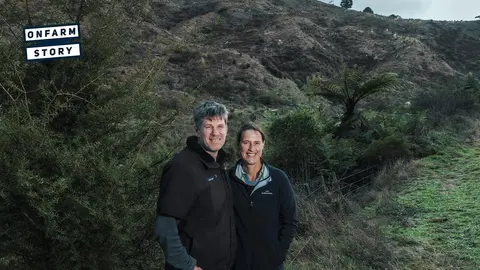
Farmers Fiona and Jon Sherlock are adapting to climate change by converting marginal land into forestry.
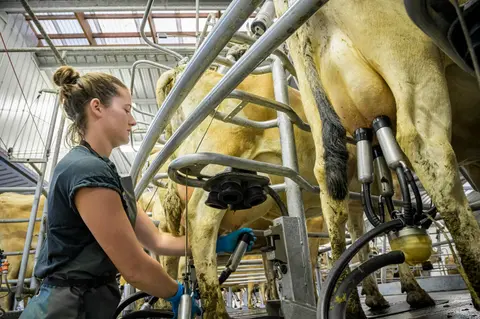
See how using feed, fertiliser and stock more efficiently can lower emissions per unit produced.

Uncover how an East Cape Māori incorporation is lowering emissions and easing pressure on waterways.
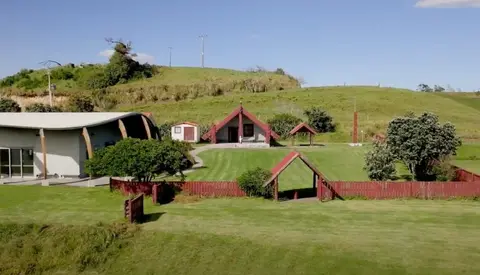
See how a Bay of Plenty Māori joint venture is converting dairy land into kiwifruit.
Kate Broadbent shares insights about how reducing drench use has improved breeding outcomes on her Waikato sheep and beef farm.
Practical steps for planning, boosting, and caring for native biodiversity on your farm.
Learn about integrated farm planning for compliance, productivity, and environmental outcomes.
Check the Waikato rules for putting farm effluent on land or near water.