Farming, kaitiakitanga, and environmental outcomes in Bay of Plenty
This case study explores what it means to farm in alignment with Māori values and how it can improve the environment.
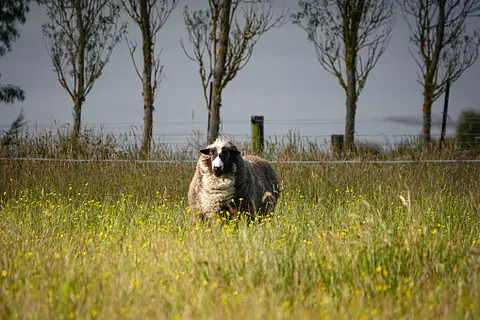
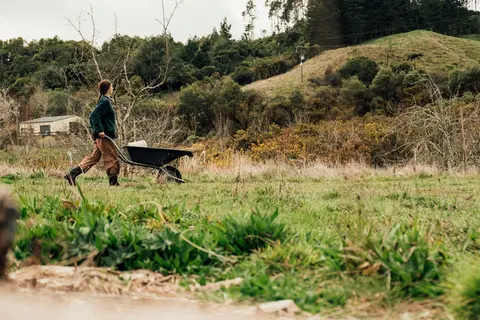
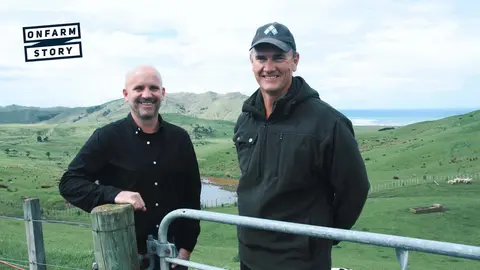
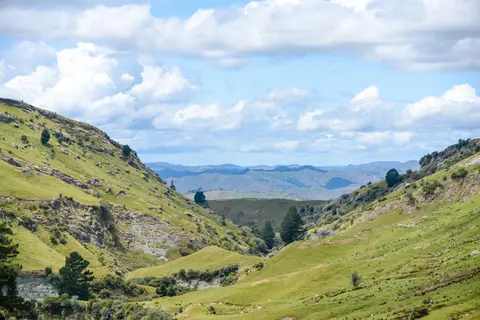
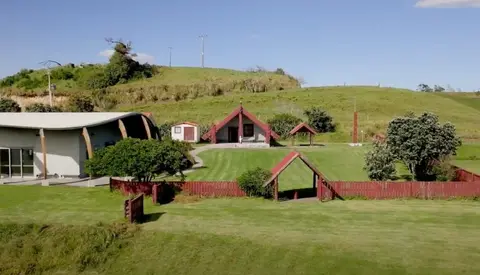
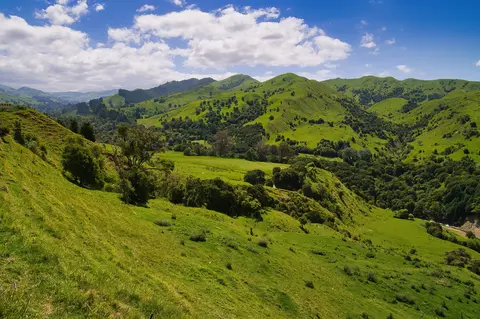
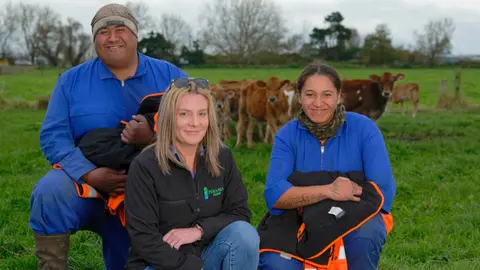
For Orete No. 2 and Other Blocks Incorporation, which farms dairy, kiwifruit and forestry land around Waihau Bay on the eastern Bay of Plenty coast, an effluent breach and the fine that followed became a turning point in how the committee approaches compliance and the environment.
In this case study the committee walk through the greenhouse gas assessment they have since completed, and members describe how they balance day-to-day farming pressures with a longer view of what they owe to their whakapapa, their waterways and future generations connected to the whenua.

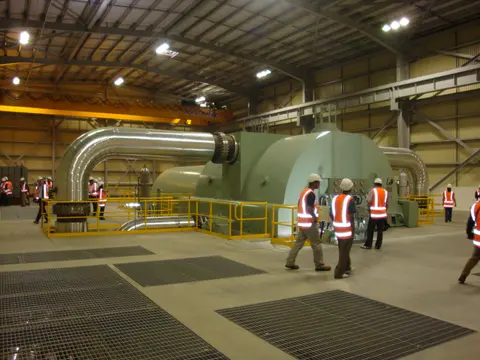
Learn how Bay of Plenty industry can switch process heat from gas to geothermal, biomass and electricity.

Learn about sustainable Māori forestry and agriculture for climate resilience on the East Coast.

A report on measuring greenhouse gas emissions on Māori farms.

Explore how Tuatahi Farming Partnership cut emissions across its Pukeatua blocks.

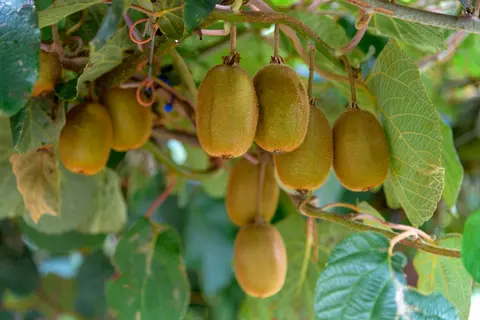
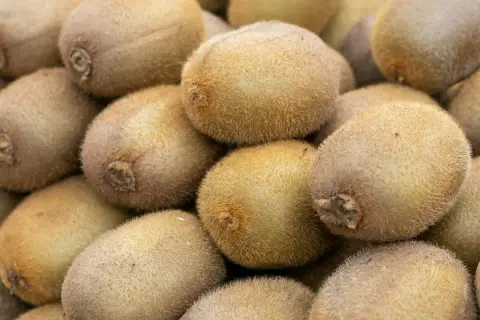
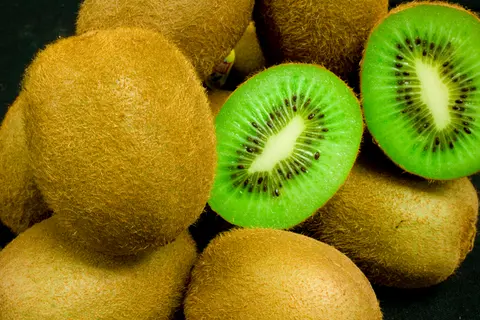
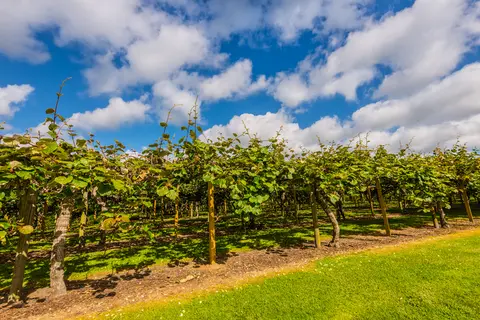
Find out how much kiwifruit the whenua in your rohe could produce each year.

Step inside how five Hauraki iwi are reshaping Pouarua Farms for the long term.

See what might be coming for the Bay of Plenty region, including rising seas and flooding.

Learn how to manage Māori land through trusts and incorporations for your whānau.

This resource highlights the importance of whenua for identity, wellbeing, and connection.

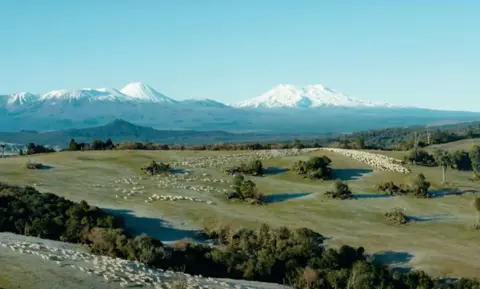
Discover how low-emissions farming could shape the future of sheep, beef, and dairy in Aotearoa.

Learn how farm type and land structure influences GHG emissions on Māori farms.

Understand climate event and variability trends for Western Bay of Plenty District.