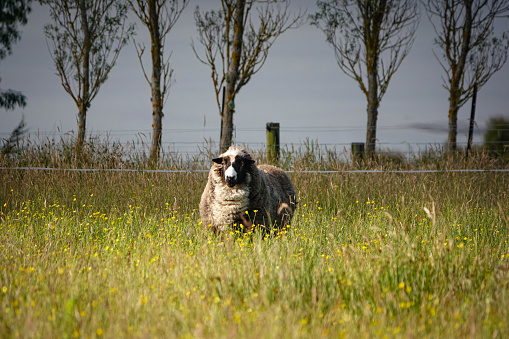
Mitigating greenhouse gas emissions on Māori farms
Climate
Emissions reduction
Greenhouse gas
Sustainability
Whenua Māori
Research about reducing greenhouse gas emissions on Māori farms in New Zealand.
This is a report of a project that measured greenhouse gas emissions from Māori pastoral farms. It sets out a typology for Māori farming, profiles 29 dairy and sheep and beef farm entities, and compares greenhouse gas emissions, emission intensity, and nutrient leaching across those farms.
The report also describes four focus farms used for deeper modelling work. It covers governance structures, farm system characteristics, and mitigation scenarios modelled with farm planning tools to examine how changes might affect emissions and nutrient losses.
Research about reducing greenhouse gas emissions on Māori farms in New Zealand.
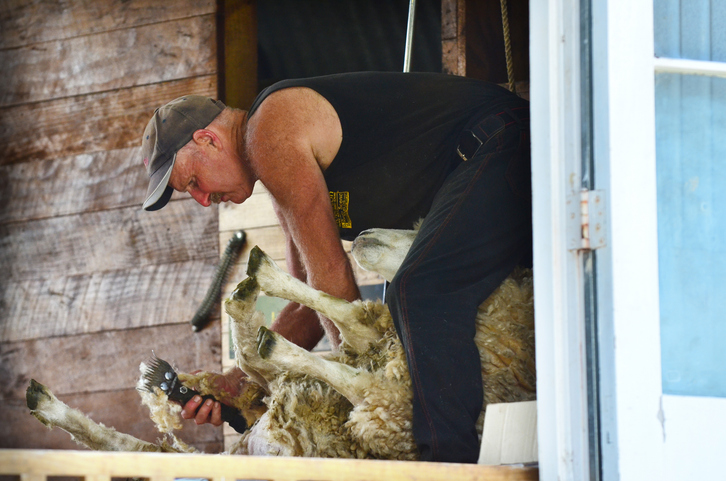
Learn how sheep and beef farms can reduce greenhouse gas emissions and improve profits.
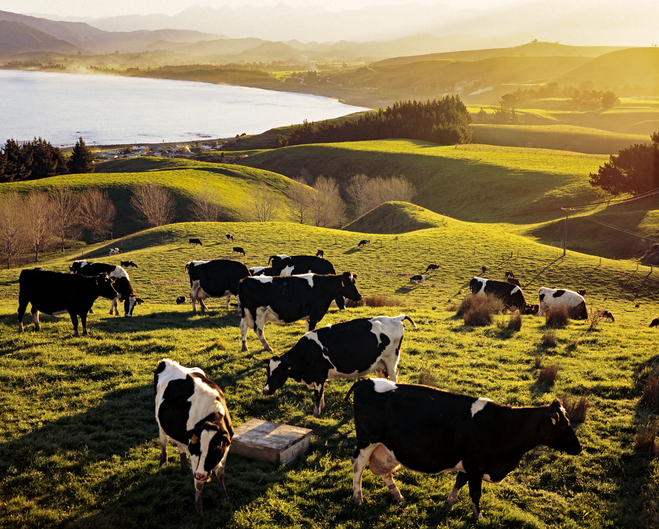
See which sheep and beef mitigation measures cut nutrient loss and emissions.
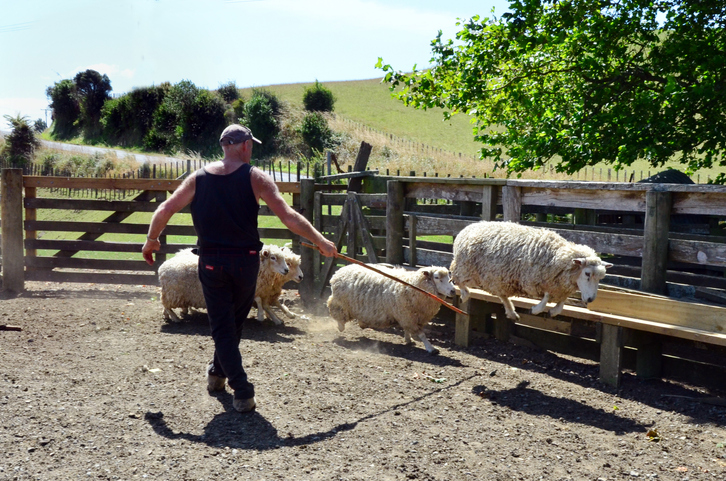
A tool for farmers to track and report on farm GHG emissions and sequestration.
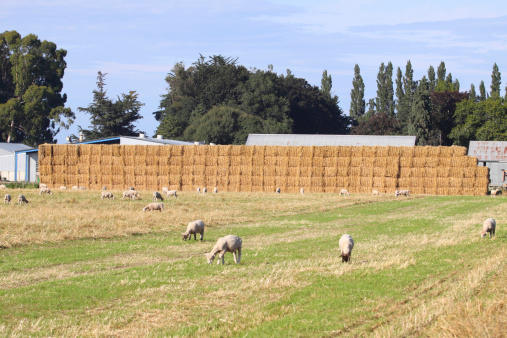
Learn how NZ's sheep and beef farms are improving efficiency while reducing greenhouse gas emissions.
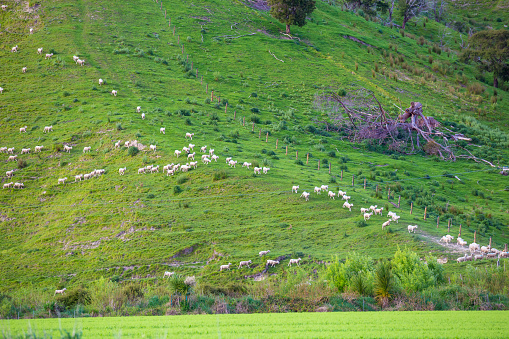
Browse Aotearoa agricultural greenhouse gas emissions reports by topic.

Learn about methane in agriculture and how NZ ag researchers are trying to reduce emissions.
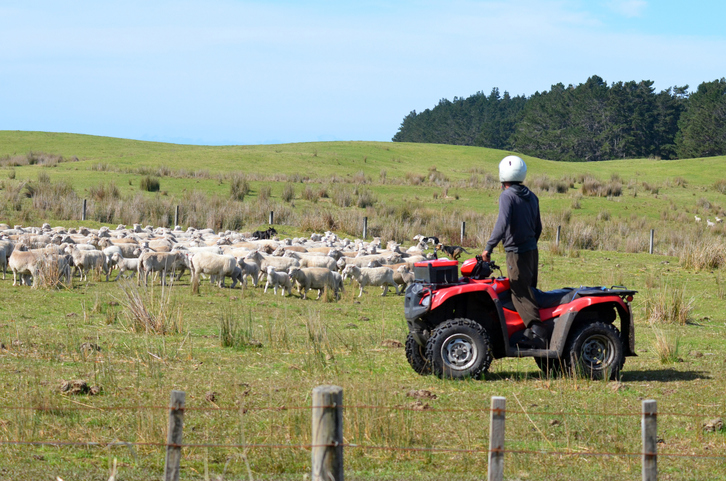
This resource outlines methods to reduce agricultural greenhouse gas emissions in New Zealand.
Factsheets about farm greenhouse gas emissions, feeds, methane control, soil carbon, and more.

Learn about governance options for Māori land and how to set up trusts or incorporations to govern them.

Learn about Māori land ownership, its history, and how it works today.
Compare nitrogen, phosphorus and greenhouse gas losses across dairy farm types.

This study explores how different governance structures affect Māori land decisions on carbon farming.
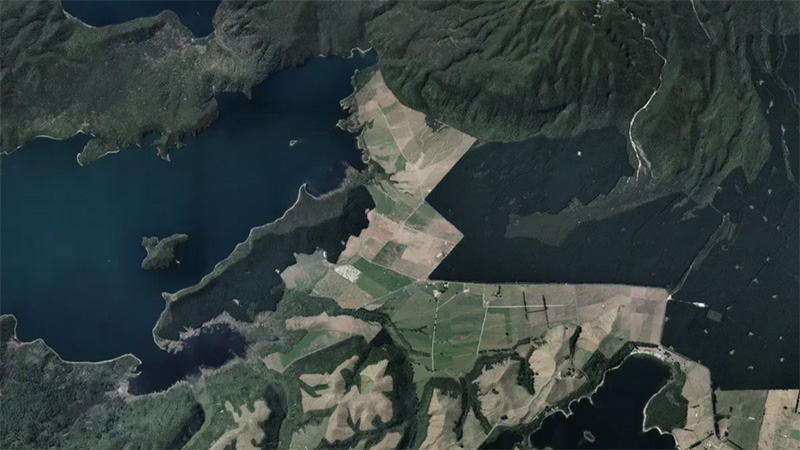
This report uses two case studies to illustrate different ways that diversified Māori agribusinesses can reduce greenhouse gas emissions and increase profits.
Training for rural professionals on climate change and agricultural geenhouse gas emissions in NZ.
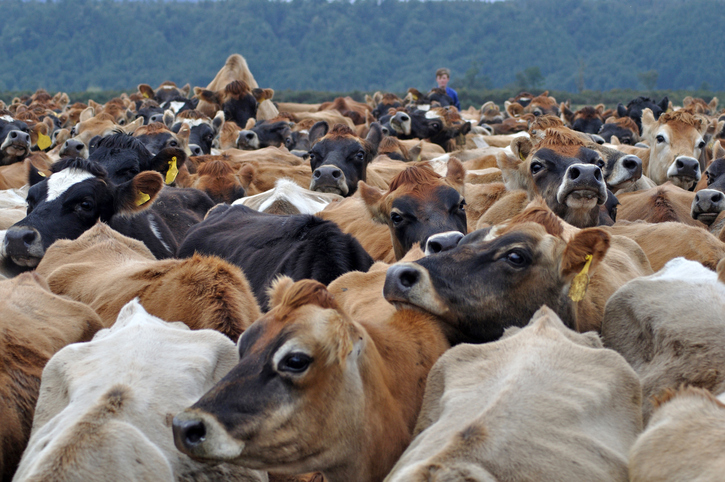
Learn how dairy farmers in New Zealand can reduce greenhouse gas emissions effectively.
Learn how farm type and land structure influences GHG emissions on Māori farms.
Strategies for Māori farms to reduce greenhouse gases to meet the Zero Carbon targets.
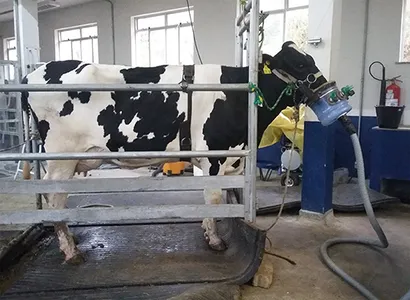
Learn how greenhouse gases are measured and their impact on climate change.
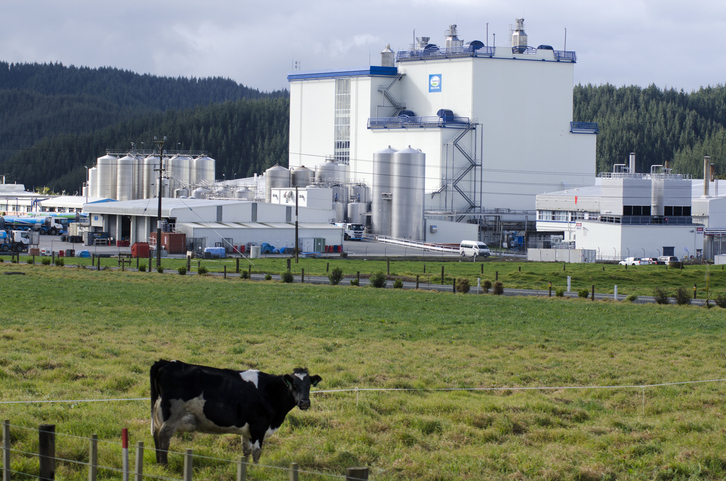
Learn how to manage greenhouse gas emissions on your farm.

Discover how low-emissions farming could shape the future of sheep, beef, and dairy in Aotearoa.
Research assessing the greenhouse gas emissions impacts of different types of feed.
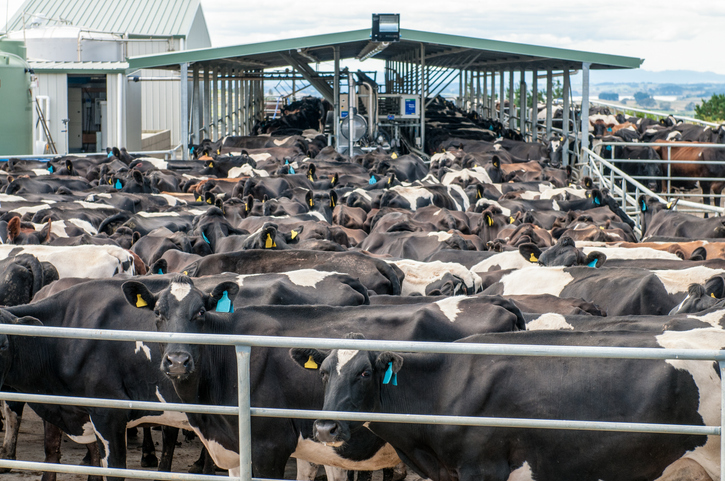
Learn about dairy farm emissions, their impacts, and ways to reduce them without affecting your profitability.