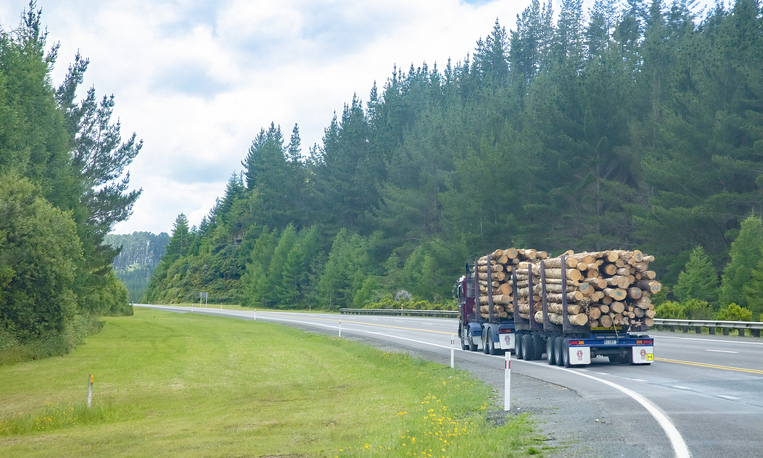
What to consider when joining the ETS for forestry
Climate
Emissions reduction
Forestry
Greenhouse gas
Sequestration
Learn about joining the forestry section of New Zealand's Emissions Trading Scheme (ETS).
New Zealand's scheme is unusual: it lets forestry earn without a cap, it covers all gases, and it is not linked to any other market. Europe's scheme has a hard cap and higher prices. Australia dropped its carbon price and later built a different kind of scheme.
This guide compares prices and design across the main schemes and carbon taxes, explains why the scheme was cut off from international units after the price collapse, and looks at the Paris Agreement route to a future link and which countries might be partners.
Learn about joining the forestry section of New Zealand's Emissions Trading Scheme (ETS).
How the Emissions Trading Scheme works and who is in it.
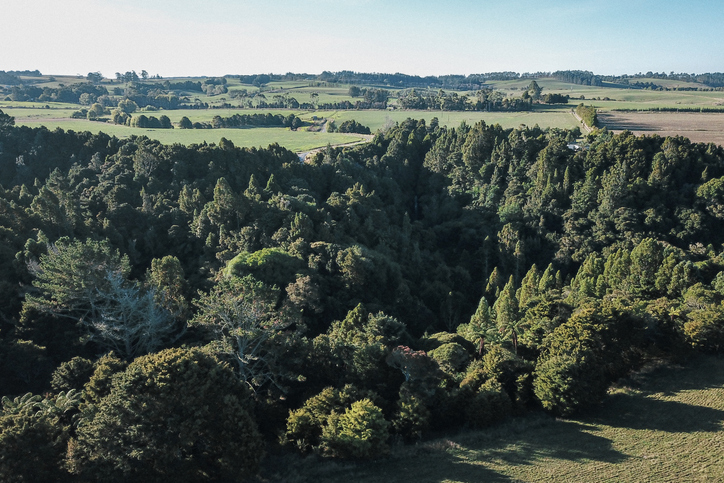
Learn how tree planting on farms can earn carbon credits in the Emissions Trading Scheme (ETS).

Learn about New Zealand's climate action, emissions targets, and agricultural pricing strategy.
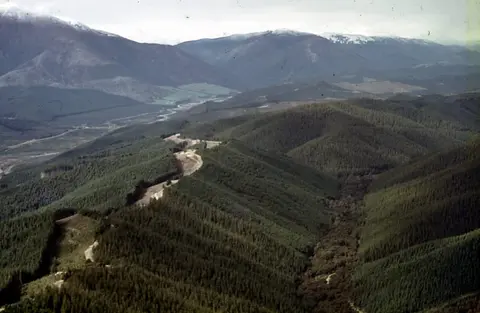
Understand the key considerations for land owners when considering entering the ETS.
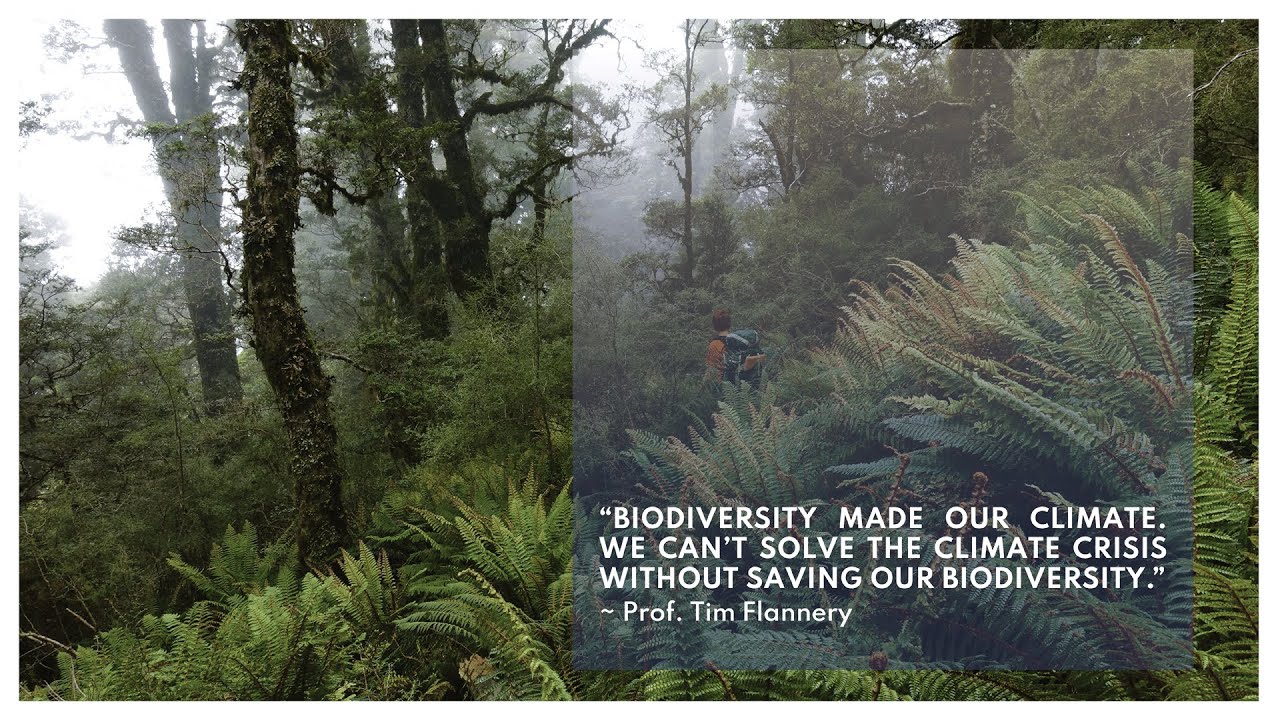
Professor Tim Flannery discusses native forests, carbon capture, and climate solutions in NZ.

Learn about the role tree planting can play in reducing climate change impacts.
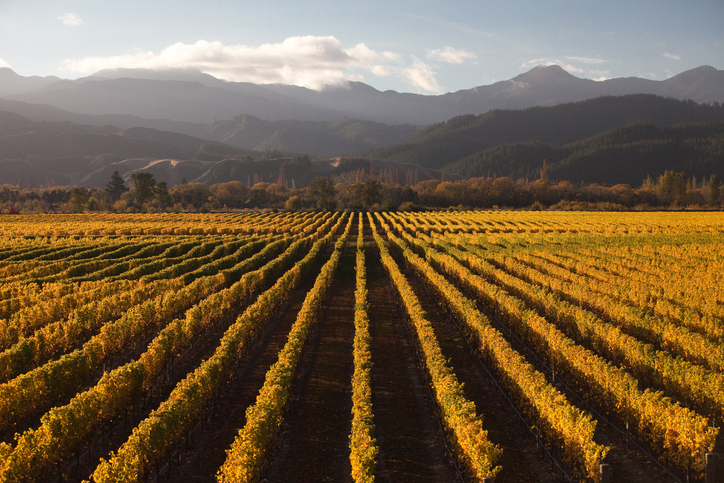
The New Zealand Wine Company shares its journey to carbon neutrality and sustainable practices.
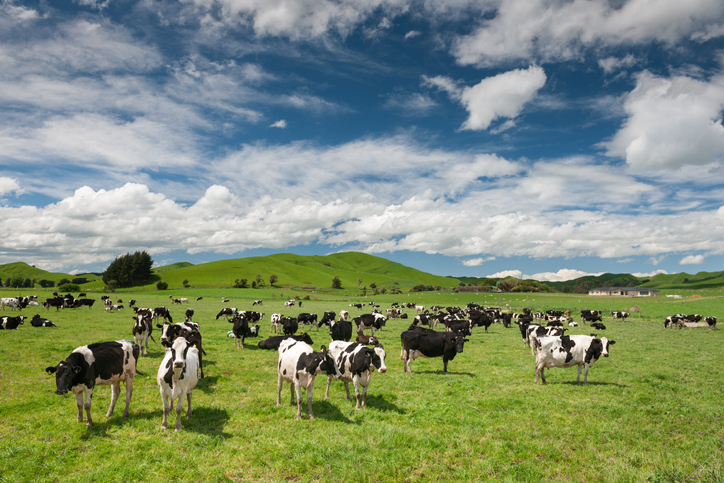
The a2™ Farm Sustainability Fund supports eco-friendly dairy farm projects in NZ and Australia.
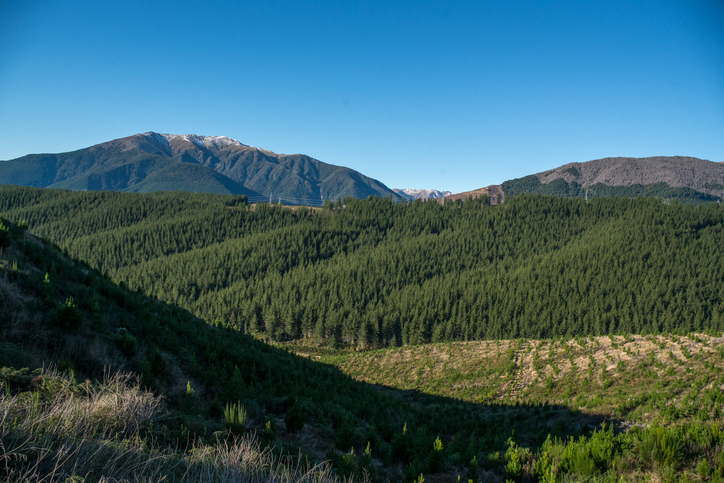
Get guidance on mapping your forest areas to assess eligibility for the Emissions Trading Scheme.
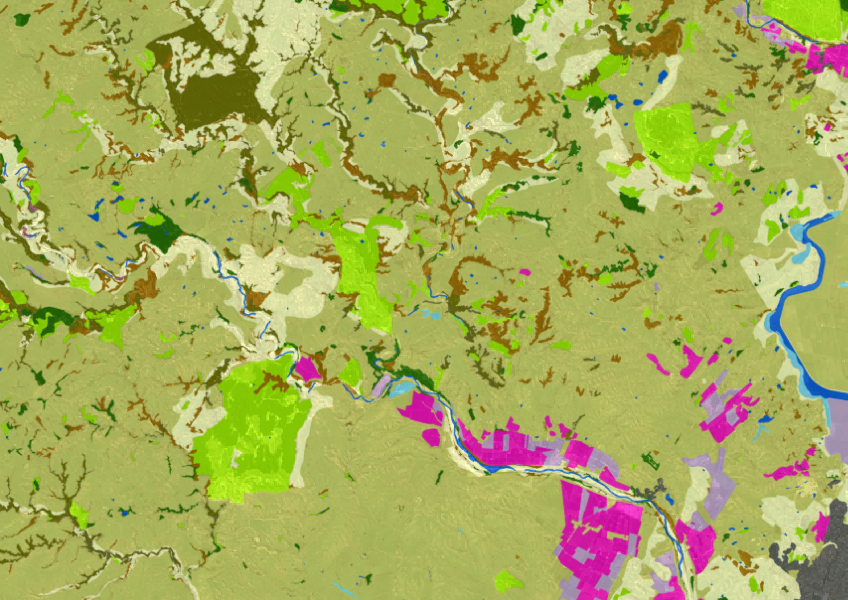
LUCAS is a national dataset that tracks carbon sequestration and land use change over time.
The two ways the ETS counts a forest's carbon, and which applies.
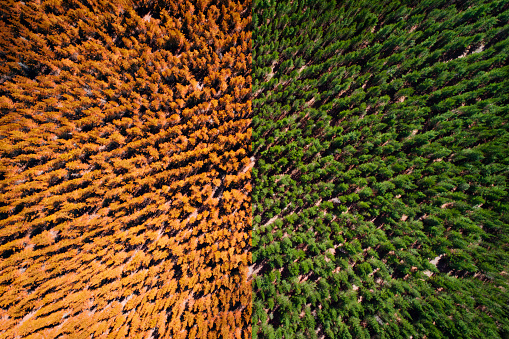
View monthly trends in New Zealand's Emissions Trading Scheme (ETS) transactions.

Te Kapunga Dewes discusses Māori views on forestry, native trees, and carbon finance.
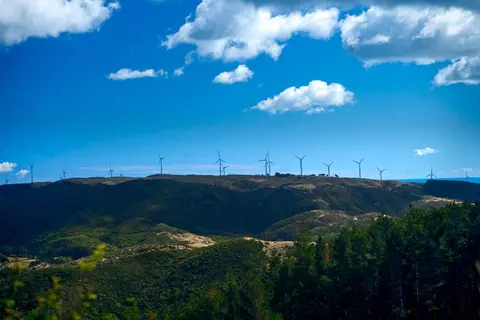
See how independent analysts rate New Zealand's climate policy as highly insufficient
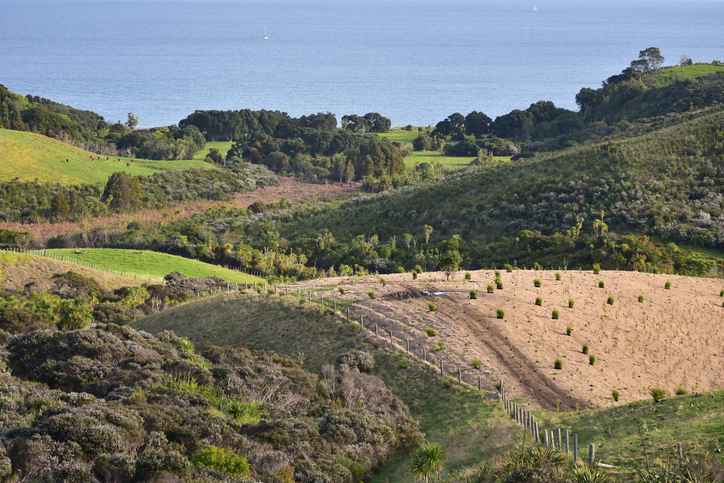
Find out how to convert marginal or depleted agricultural land into native forests for carbon farming.

Find out about carbon sequestration rates in native forests and planting methods in New Zealand.
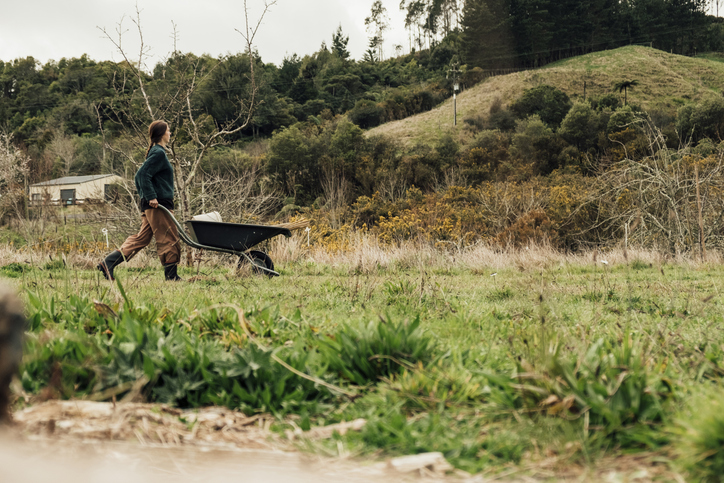
Read NZAGRC's recommendations

When carbon units are taxed, and how to plan the sales.
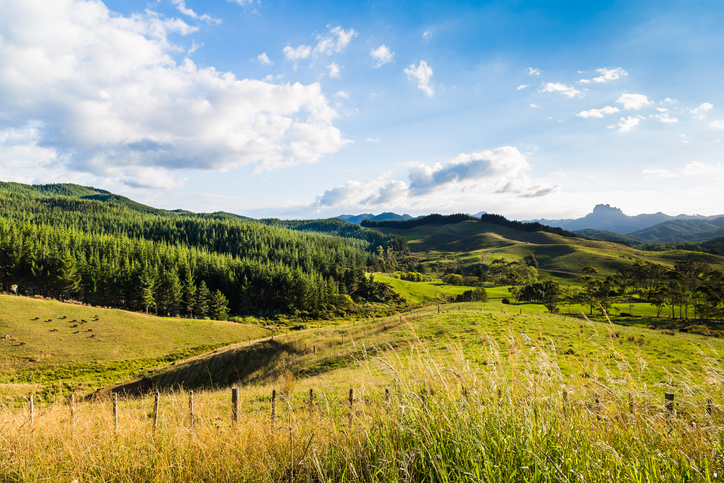
Find out more about tree farming for carbon credits.
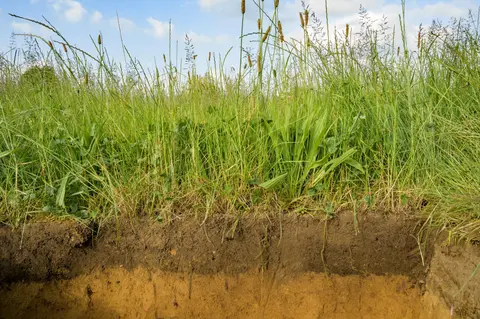
Discover why New Zealand's soil already holds so much carbon, and why more is hard to add.
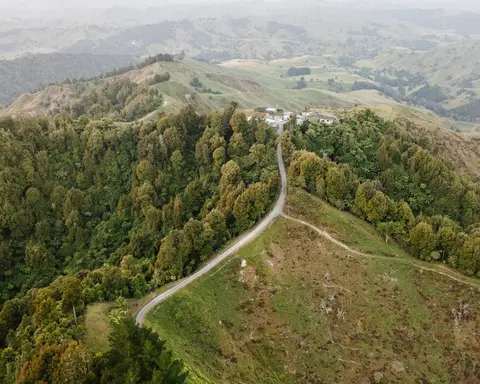
The standard tables that set a smaller forest's carbon earnings.

This paper explores challenges and opportunities for Māori landowners in native forestry.