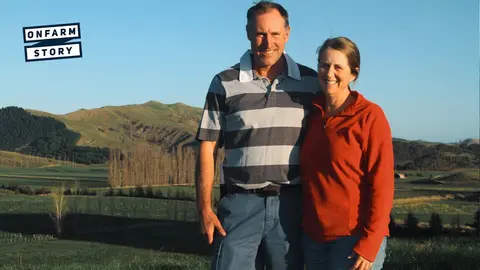
Greg and Rachel Hart's Journey to Regenerative Agriculture
Whenua
Biodiversity
Regeneration
Soil
Discover how Hawke's Bay farmers use regenerative methods to rebuild soil and biodiversity.
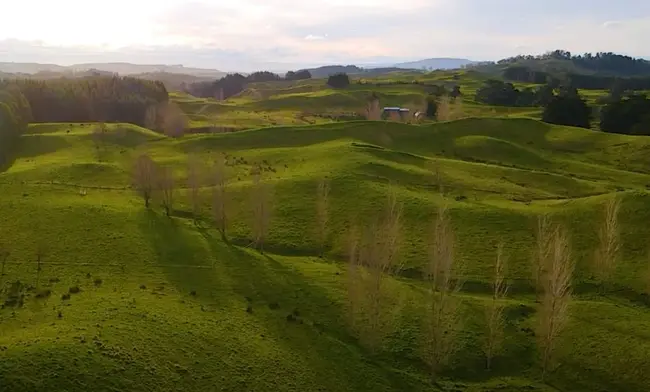
At Mangarara, a 600-hectare Hawke's Bay hill country property, Greg and Rachel Hart have moved from conventional sheep breeding towards regeneratively farmed beef supplied directly to butchers. In this case study they look back on two decades of change built around silvopasture, extensive tree planting and a lakeside eco lodge.
The Harts describe how integrating trees through the grazing platform has lifted animal welfare, cut fertiliser needs and pushed the farm's emissions into negative territory once carbon sequestration is counted. They close by describing farming as a long-term, evolving relationship with the land.
Discover how Hawke's Bay farmers use regenerative methods to rebuild soil and biodiversity.
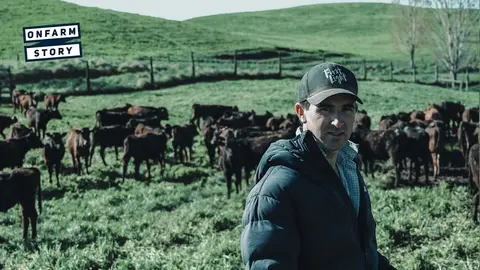
A Hawke's Bay family farm raises Wagyu beef sustainably on diverse pastures.
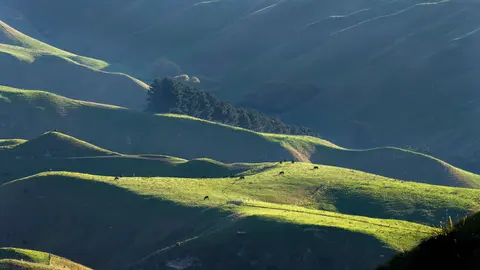
Find out how Trelinnoe farm is adapting to climate change by prioritising sustainability in farming practices.
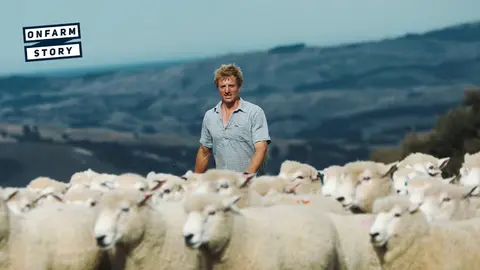
Harry and Kate de Lautour share their farming journey towards sustainable sheep farming.
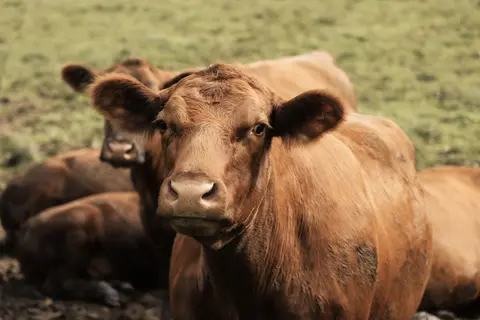
A Hawke's Bay grazing farm that moved to cell grazing and put its steep country into mānuka.
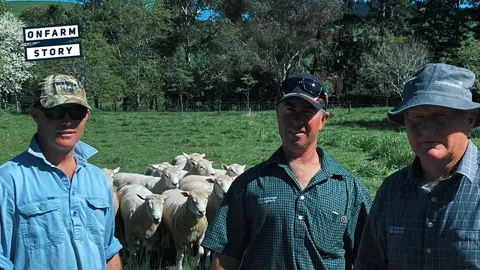
See how a Hawke's Bay family manages five farms of sheep, cattle and deer across generations.
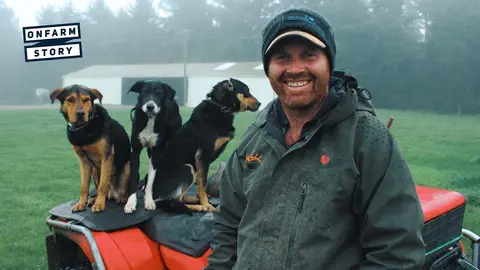
The McNaughton's share their manaaki whenua, manaaki tangata farming philosophy.
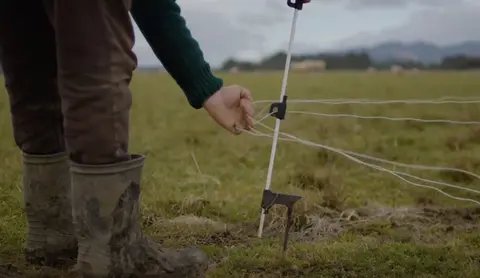
See how Kererū Station built a more flexible, resilient sheep and beef farm.
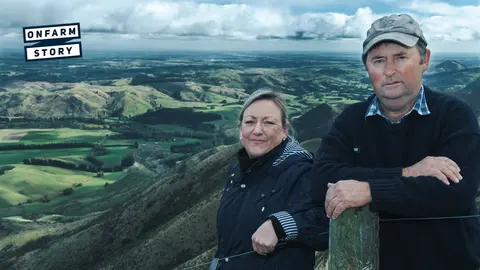
Watch how Canterbury farmers combine sheep and beef with carbon forestry.
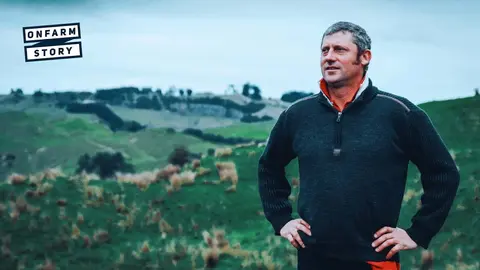
See how a Rangitīkei farmer uses social media to share 150 years of family history on the land.
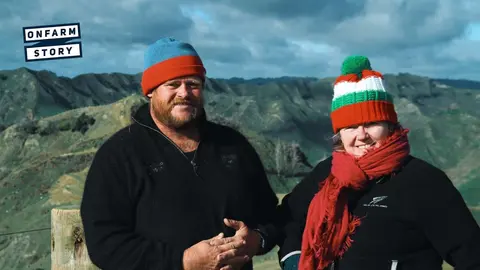
Discover farming life and hospitality on a third-generation Taranaki sheep and beef farm.
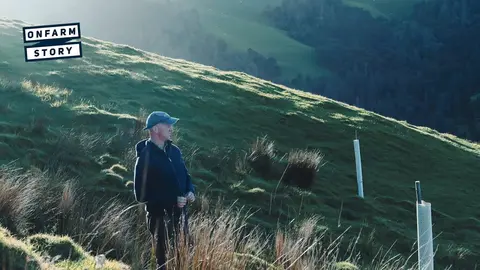
See how a Central Hawke's Bay station blends sheep farming with glamping and bush care.
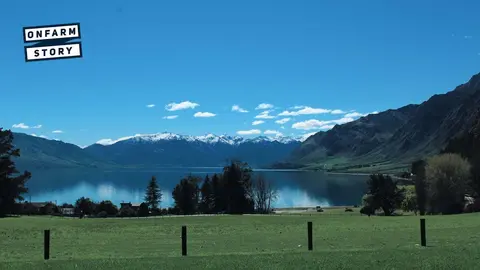
Learn how Lake Hawea Station became NZ's first carbon zero farm.
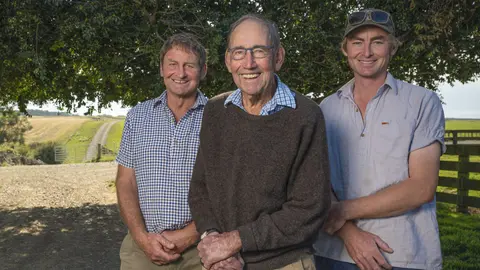
Discover how four generations of a Manawatū family farm cut emissions through soil care.
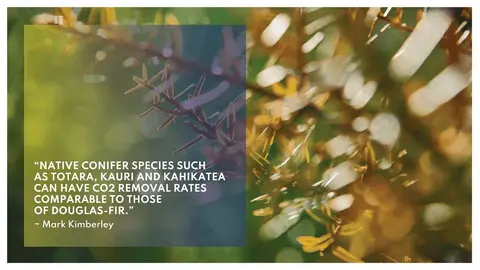
Find out about carbon sequestration rates in native forests and planting methods in New Zealand.
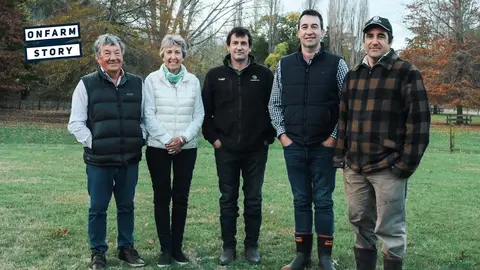
Find out how a Hawke's Bay family farm uses feed-intake data to breed lower-emission cattle.
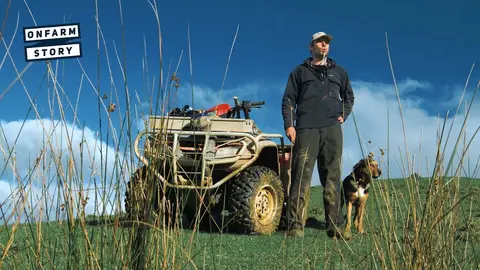
Rob and Rachel Cashmore share their farming journey, conservation efforts, and their plans to diversify into tourism.
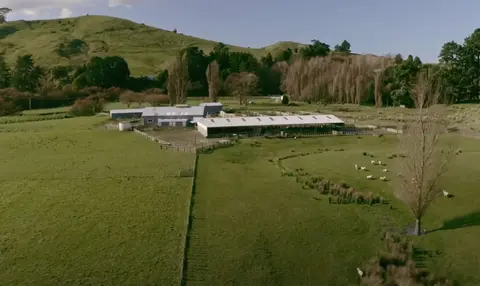
Explore how a Wairarapa sheep and beef farm cuts nitrogen while restoring wetlands and natives.
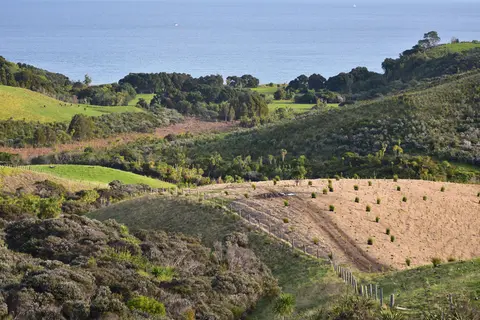
Find out how to convert marginal or depleted agricultural land into native forests for carbon farming.
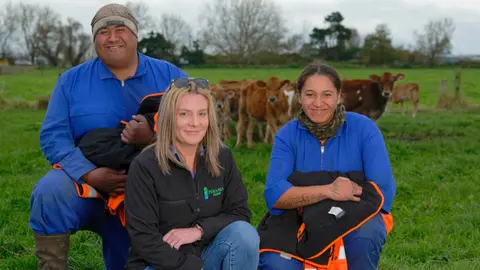
Step inside how five Hauraki iwi are reshaping Pouarua Farms for the long term.
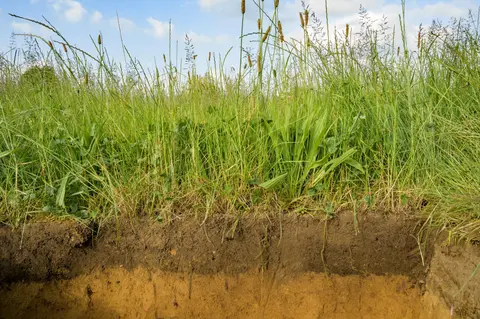
Discover why New Zealand's soil already holds so much carbon, and why more is hard to add.
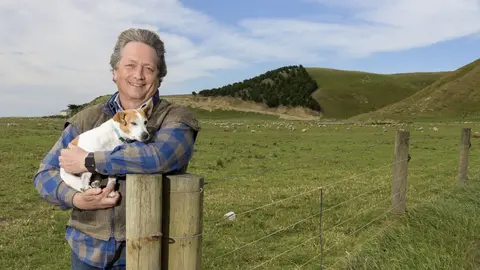
Learn how a Wairarapa coastal station cut net emissions while lifting lambing and profit.
The Hawke's Bay Farmers Hub offers support and resources for Hawke's Bay farmers and land owners.