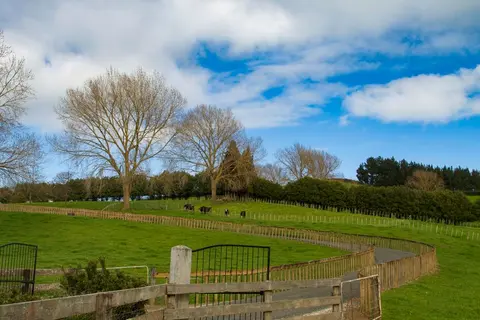
Owl Farm case study - Greenhouse gas performance
Climate
Emissions reduction
Greenhouse gas
Methane
Learn how Owl Farm cut biological greenhouse gas emissions over a ten year period.
George and Sharon Moss run two adjoining dairy farms near Tokoroa in South Waikato, and in this case study they show how they use the farm's greenhouse gas figures alongside profitability data to decide where to focus their efforts each season.
Genetics, nitrogen management and herd size decisions sit behind their falling methane and nitrogen leaching numbers, and George is frank about weighing environmental gains against milk price and production. He also points to the tools farmers can use to find their own numbers.
Learn how Owl Farm cut biological greenhouse gas emissions over a ten year period.
Learn about methane in agriculture and how NZ ag researchers are trying to reduce emissions.
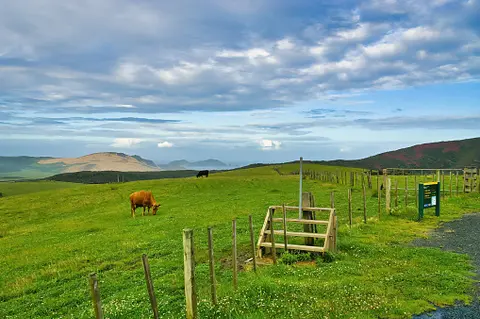
Learn about reducing methane emissions on your farm.
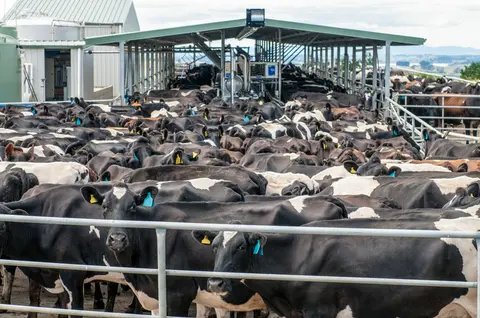
Learn about dairy farm emissions, their impacts, and ways to reduce them without affecting your profitability.
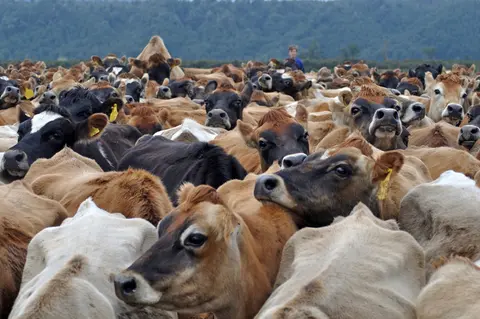
Learn how dairy farmers in New Zealand can reduce greenhouse gas emissions effectively.
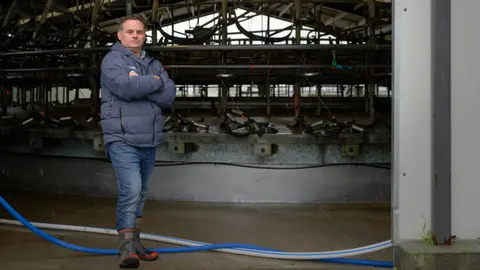
Find out how a Canterbury dairy farm lowered emissions by doing the basics well.
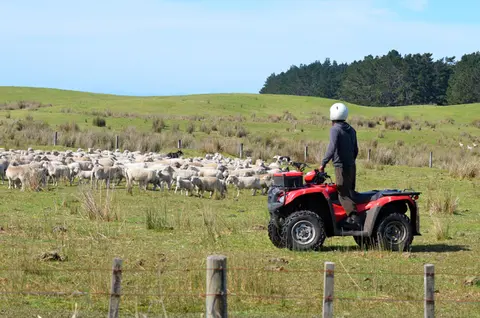
This resource outlines methods to reduce agricultural greenhouse gas emissions in New Zealand.
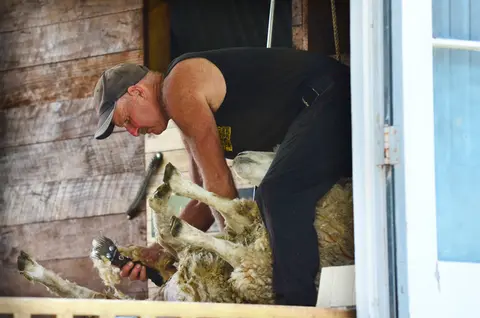
Learn how sheep and beef farms can reduce greenhouse gas emissions and improve profits.
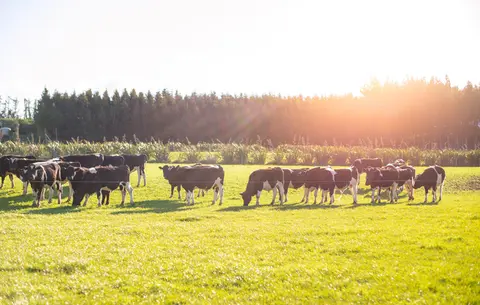
Learn about different on-farm solutions for reducing greenhouse gas emissions from dairy farms.
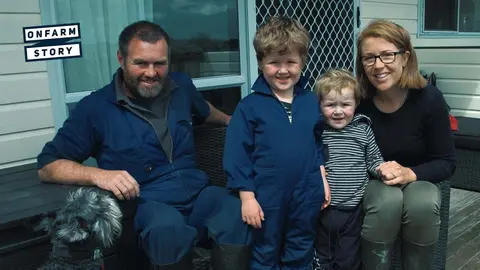
Explore how a Waikato sharemilking couple balances a young family with a 650-cow farm.
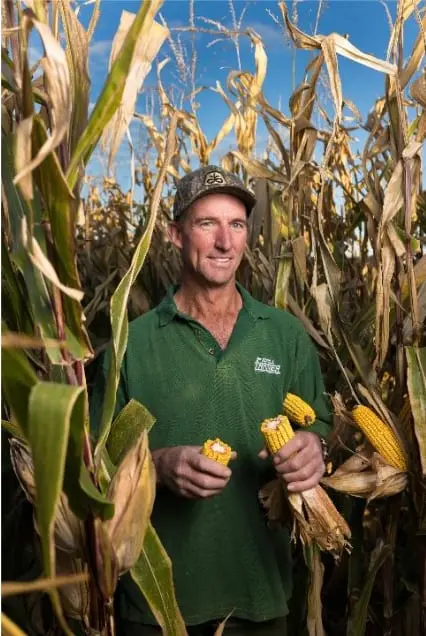
Discover how a North Waikato cropper cut nitrogen and emissions by switching to no-till maize.
Research into different ways to reduce greenhouse gas emissions from New Zealand agriculture.
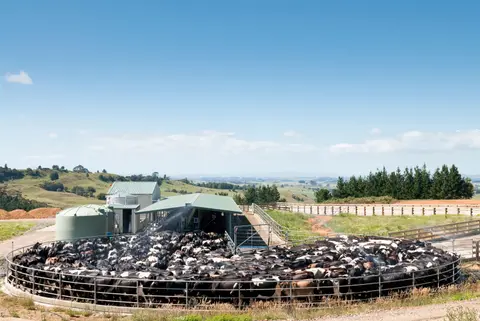
See data and advice on balancing dairy profits with lower greenhouse gas emissions.
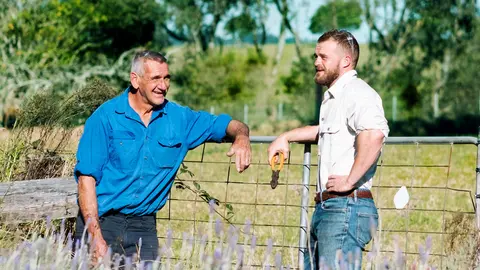
Learn how you can reduce your greenhouse gas emissions while staying profitable.
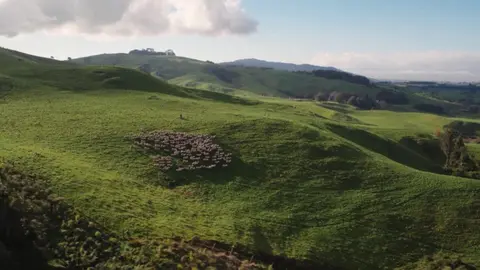
Learn ways to lower greenhouse gas emissions on your farm with practical steps and tips.
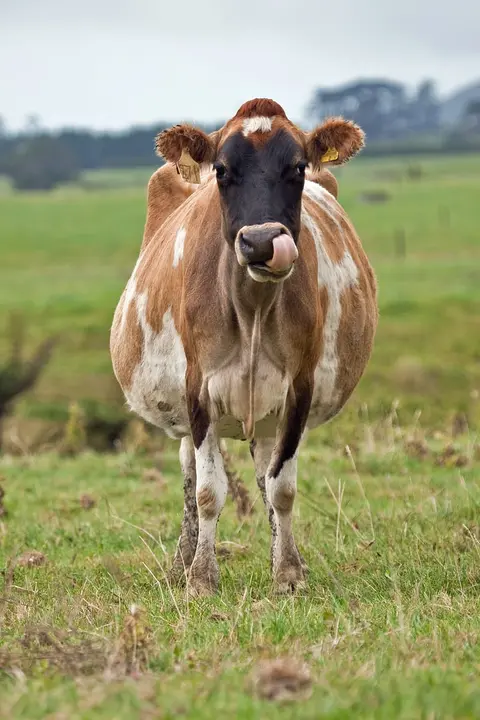
Track how a Waikato demonstration farm lifts its 6-week in-calf rate each season.
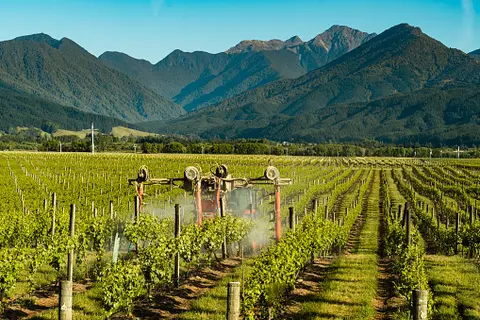
Find out how much greenhouse gas a typical cropping farm produces.
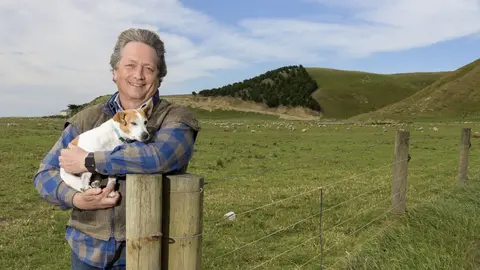
Learn how a Wairarapa coastal station cut net emissions while lifting lambing and profit.
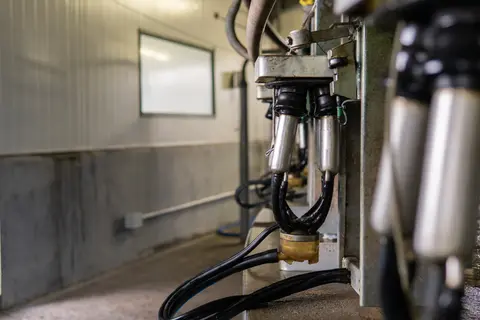
Find out about a no-cost method to reduce your dairy farm's greenhouse gas emissions.
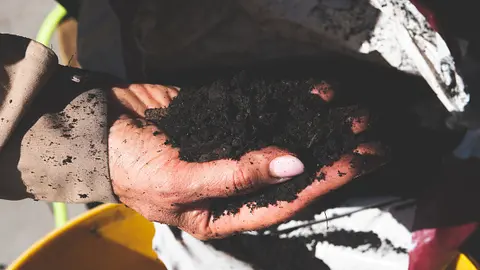
A report on measuring greenhouse gas emissions on Māori farms.
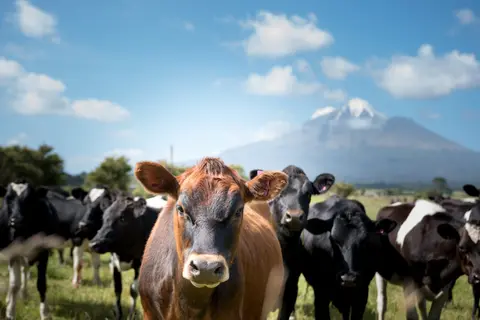
Agriculture in Aotearoa faces emission challenges but has tools to stay competitive globally.
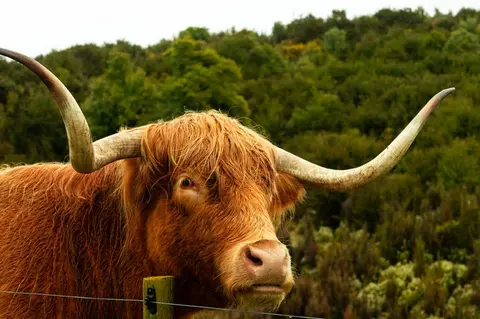
Wayne McNee discusses reducing methane emissions in agriculture and the opportunity it represents.