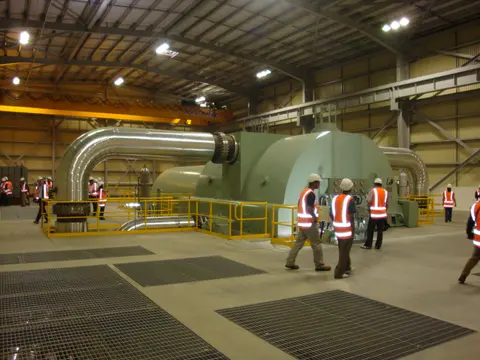
Bay of Plenty Regional Energy Transition Accelerator report
Climate
Emissions reduction
Energy
Forestry
Learn how Bay of Plenty industry can switch process heat from gas to geothermal, biomass and electricity.
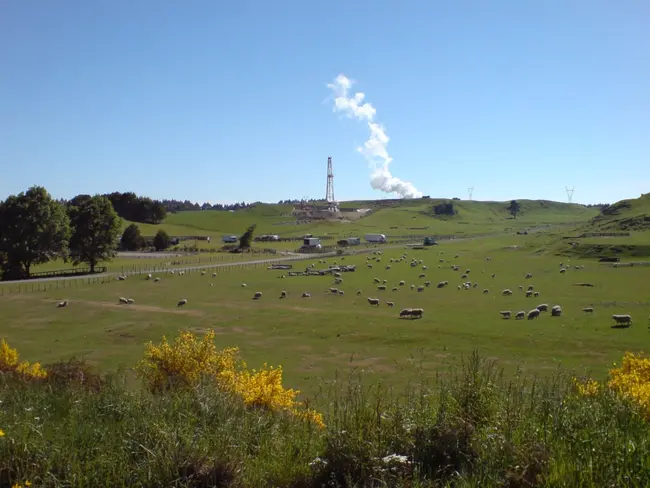
Miraka was founded in 2010 by an alliance of Māori trusts, with Vietnamese dairy company Vinamilk as a partner, and set up its plant beside the Mōkai geothermal field. Geothermal steam powers the factory and also heats greenhouses, while dairy by-products feed a worm farm whose compost grows native seedlings for the local whenua.
This Te Hono profile covers that closed-loop system, the company's export business and staff, the Te Ara Miraka programme that pays suppliers a premium for how they care for land, animals, water and people, and the plan to run trucks on hydrogen from shareholder Tuaropaki Trust.
Learn how Bay of Plenty industry can switch process heat from gas to geothermal, biomass and electricity.
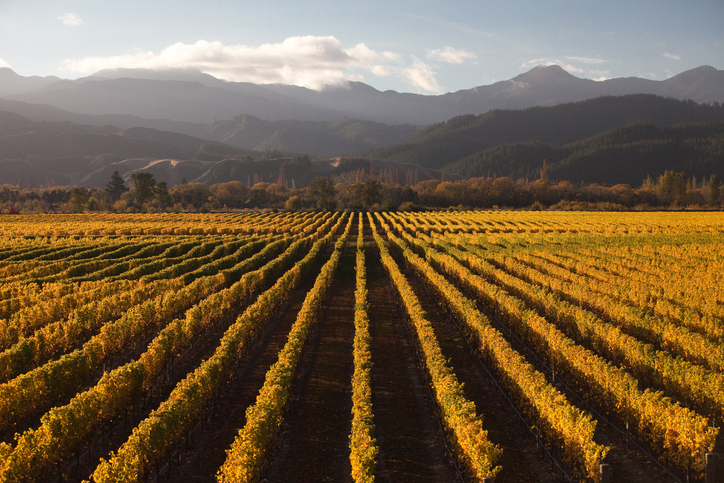
The New Zealand Wine Company shares its journey to carbon neutrality and sustainable practices.
Compare four small changes that cut Kaiwaiwai Dairies' emissions by 14 percent.
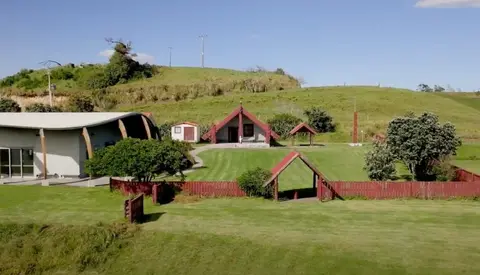
See how a Bay of Plenty Māori joint venture is converting dairy land into kiwifruit.

Explore how Māori ethics can enhance sustainability and collaboration in business.
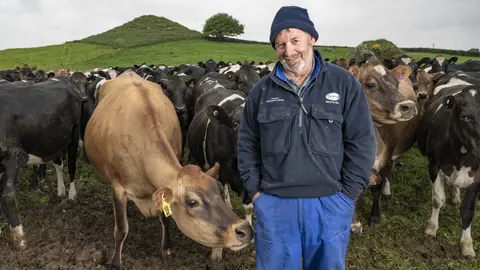
Meet the Waikato dairy farmers using their numbers to cut emissions and stay profitable.
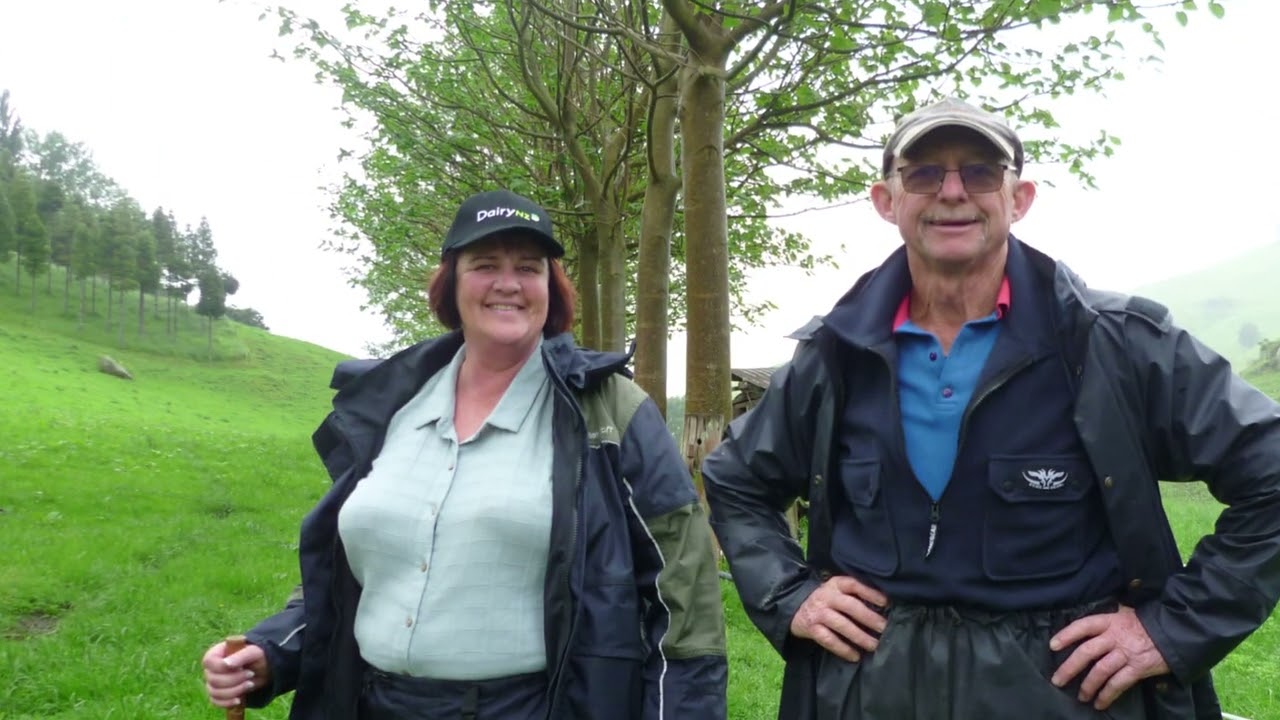
Graham and Tess Smith share how green dairy farming works on their Waikato farm.
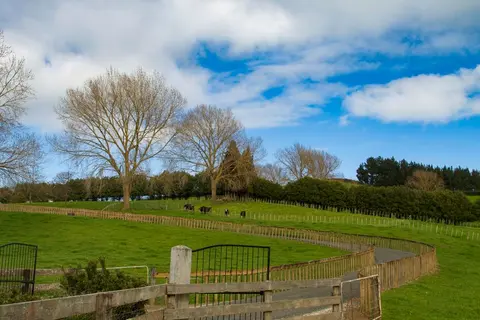
Learn how Owl Farm cut biological greenhouse gas emissions over a ten year period.
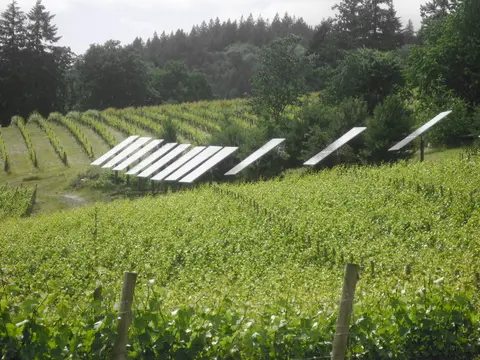
Find out how Wakatū Incorporation is cutting energy use and emissions at its Tohu winery.
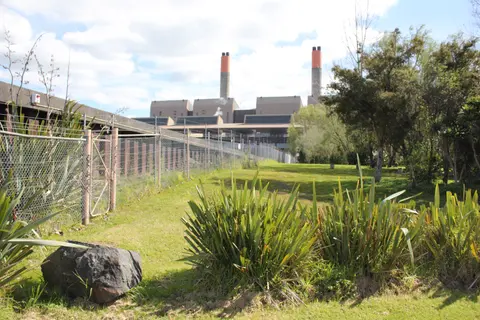
Learn how Waikato industry can switch process heat from gas to biomass and electricity.
This case study explores what it means to farm in alignment with Māori values and how it can improve the environment.
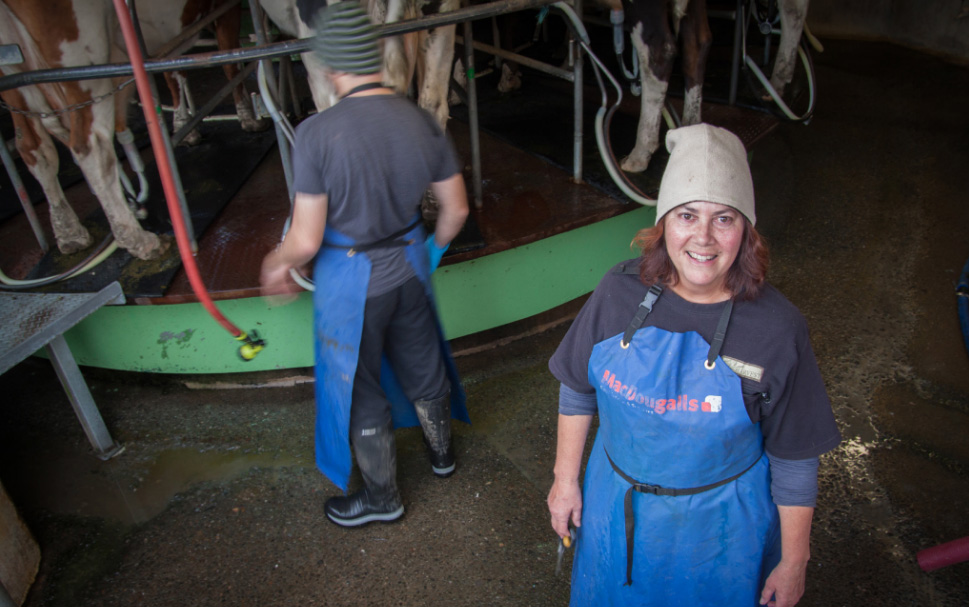
BioFarm is an organic dairy in Manawatū focused on sustainability and kaitiakitanga.
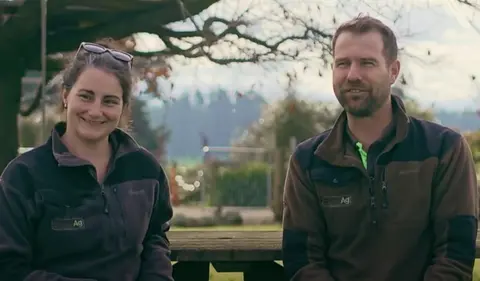
Tour a Wairarapa dairy farm where a feed pad and compost barn help cut nitrogen loss.
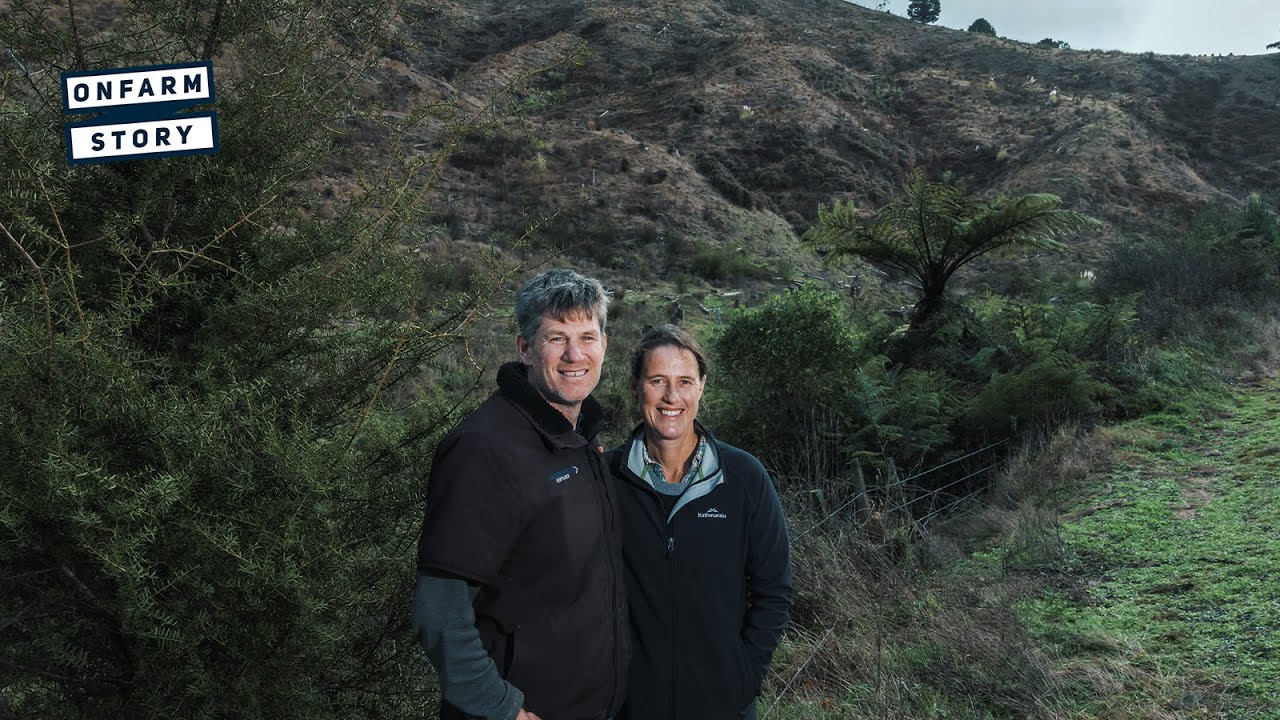
Farmers Fiona and Jon Sherlock are adapting to climate change by converting marginal land into forestry.
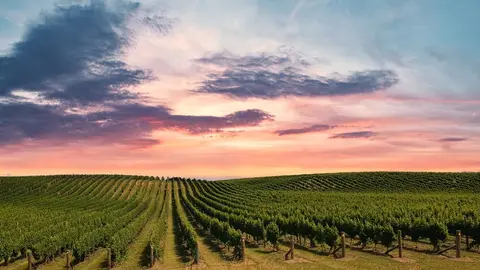
Meet the Māori winemakers collective built on kaitiakitanga, whakapapa and manaakitanga.
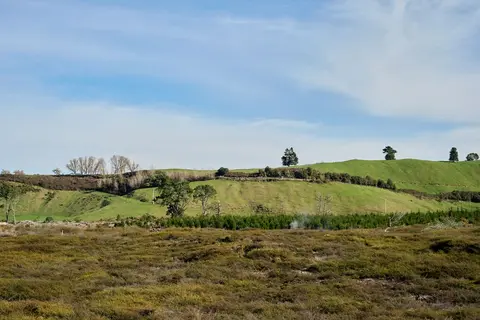
How the state farmer plans to cut emissions and adapt farm by farm.
This study explores how different governance structures affect Māori land decisions on carbon farming.
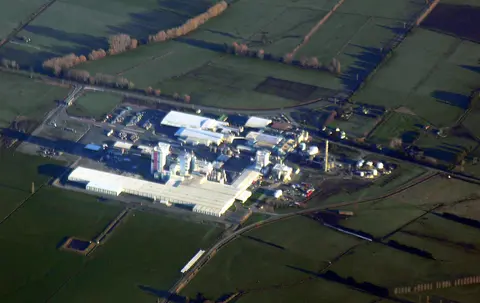
Learn how North Canterbury industry can switch process heat from coal to biomass and electricity.
Find out how each region can switch industrial heat from coal and gas to electricity, biomass and geothermal.
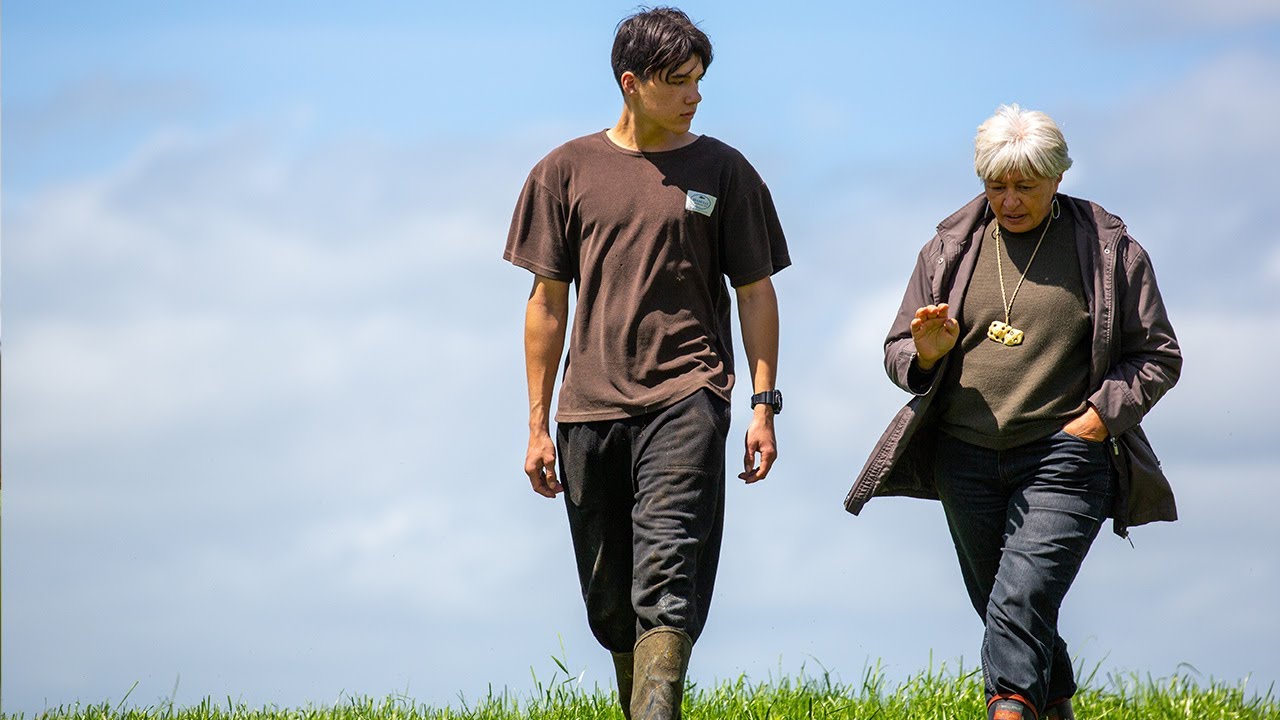
Learn how four Taranaki Ahu Whenua trusts united to form a successful dairy farming operation.
Follow how Owl Farm's environment plan guides its land, water and effluent management.