Decision trees: Forestry in the New Zealand Emissions Trading Scheme post-2020
Climate
Emissions reduction
Forestry
Policy
Sequestration
Sustainability
Understand the key considerations for land owners when considering entering the ETS.
A 2025 amendment to the Climate Change Response Act limits new exotic forestry on better farmland by land use capability class, while native forestry stays open on any class. Some land is exempt, including Māori land, unfarmed land, erosion-prone land and land where planting was already under way.
The guide explains the class-by-class limits, the allowance that lets a landowner still plant a share of better land in exotics, the six exemption categories, what the change means for different kinds of landowner, and what has not changed. It also notes the drop in the annual participation fee.
Understand the key considerations for land owners when considering entering the ETS.
Plain definitions of the ETS and carbon forestry terms.

Te Kapunga Dewes discusses Māori views on forestry, native trees, and carbon finance.

Learn about New Zealand's climate action, emissions targets, and agricultural pricing strategy.
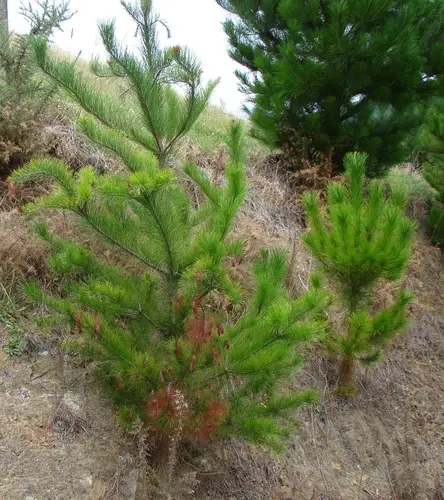
The clash between carbon credits and controlling wilding conifers.

A short regulatory note on changes affecting trusts under Te Ture Whenua Māori Act.

How the ETS and carbon forestry apply to whenua Māori.
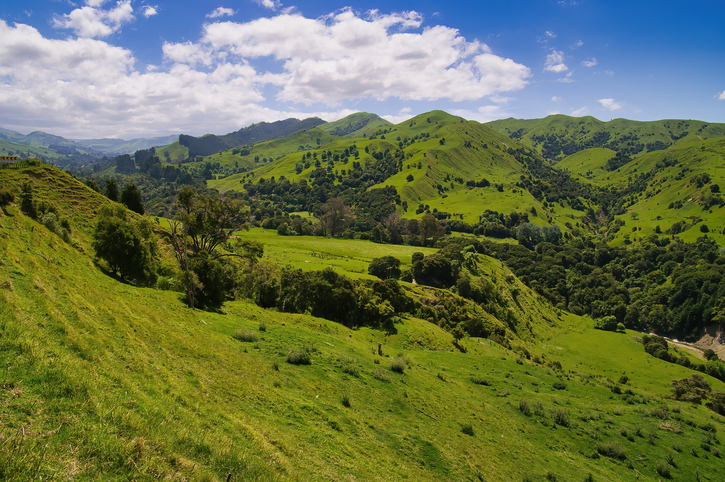
Learn about sustainable Māori forestry and agriculture for climate resilience on the East Coast.

This paper explores challenges and opportunities for Māori landowners in native forestry.

Learn about different trustee roles and duties for Māori land trusts.

Get tips for more effective communication with trustees and stakeholders.
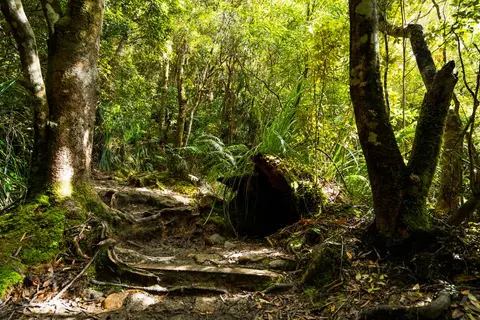
Earning carbon from native bush, planted or regenerating.

Learn about the role tree planting can play in reducing climate change impacts.
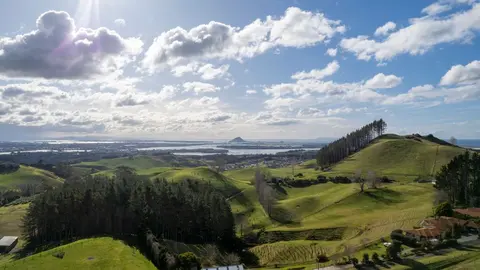
How and why land use in Aotearoa has to change.

Learn key words and concepts relating to Māori land ownership.
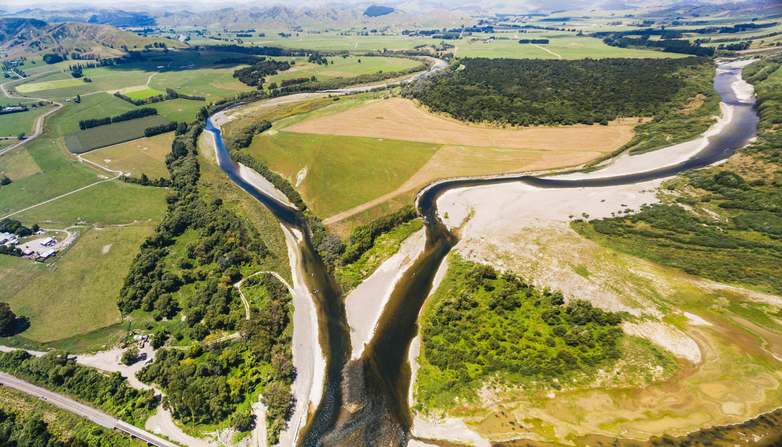
This report explores factors affecting land use change in New Zealand, targeting economic, social, and environmental aspects.
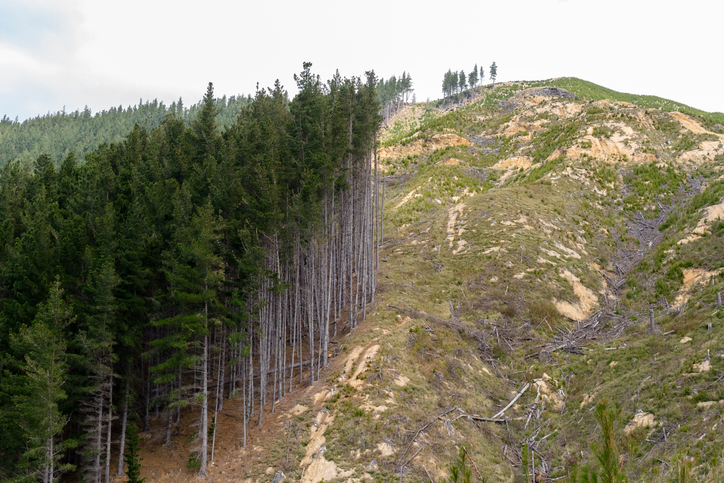
Learn about planting on erodible land for better resilience and productivity.
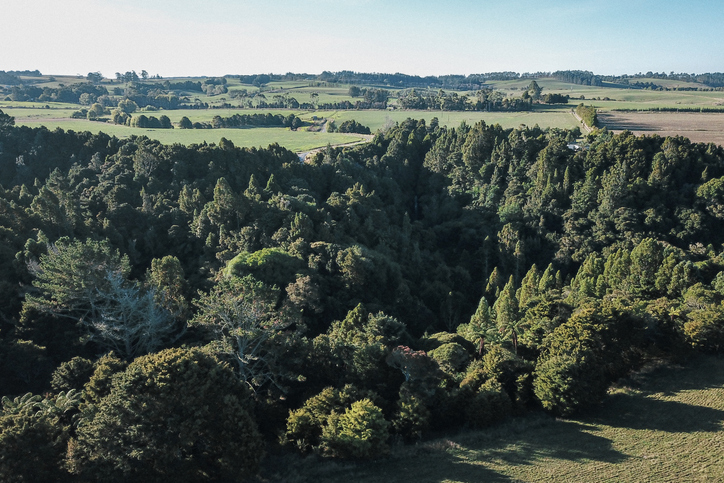
Learn how tree planting on farms can earn carbon credits in the Emissions Trading Scheme (ETS).
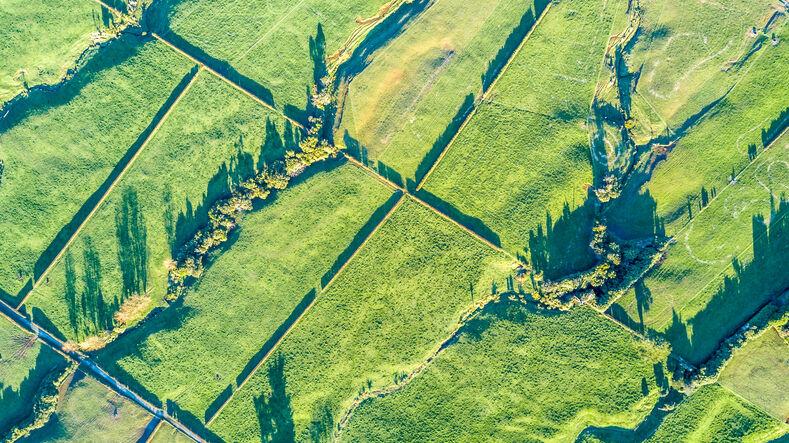
Read about the impacts different Aotearoa land use change scenarios might have on cliamte and socio-economic outcomes.
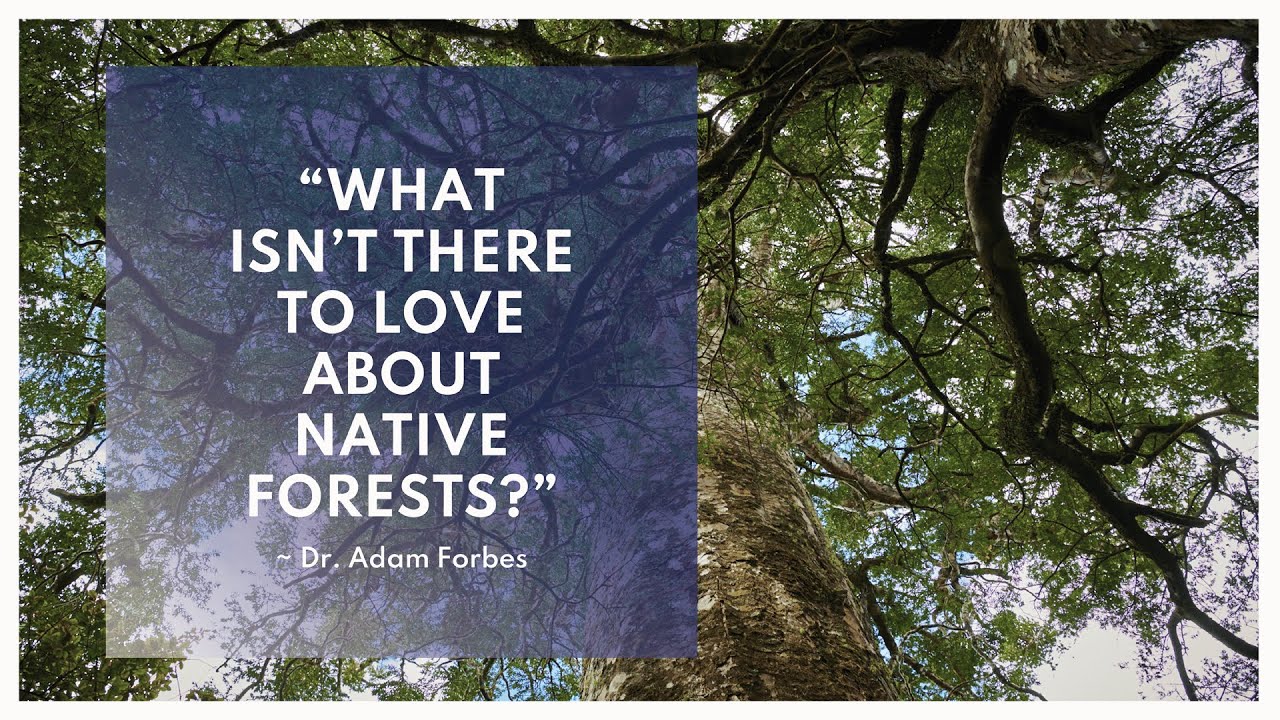
Dr. Adam Forbes discusses transitional forestry's role in shifting exotic forests to native ecosystems.

This report explores how Māori landowners decide on native forest regeneration and carbon farming.
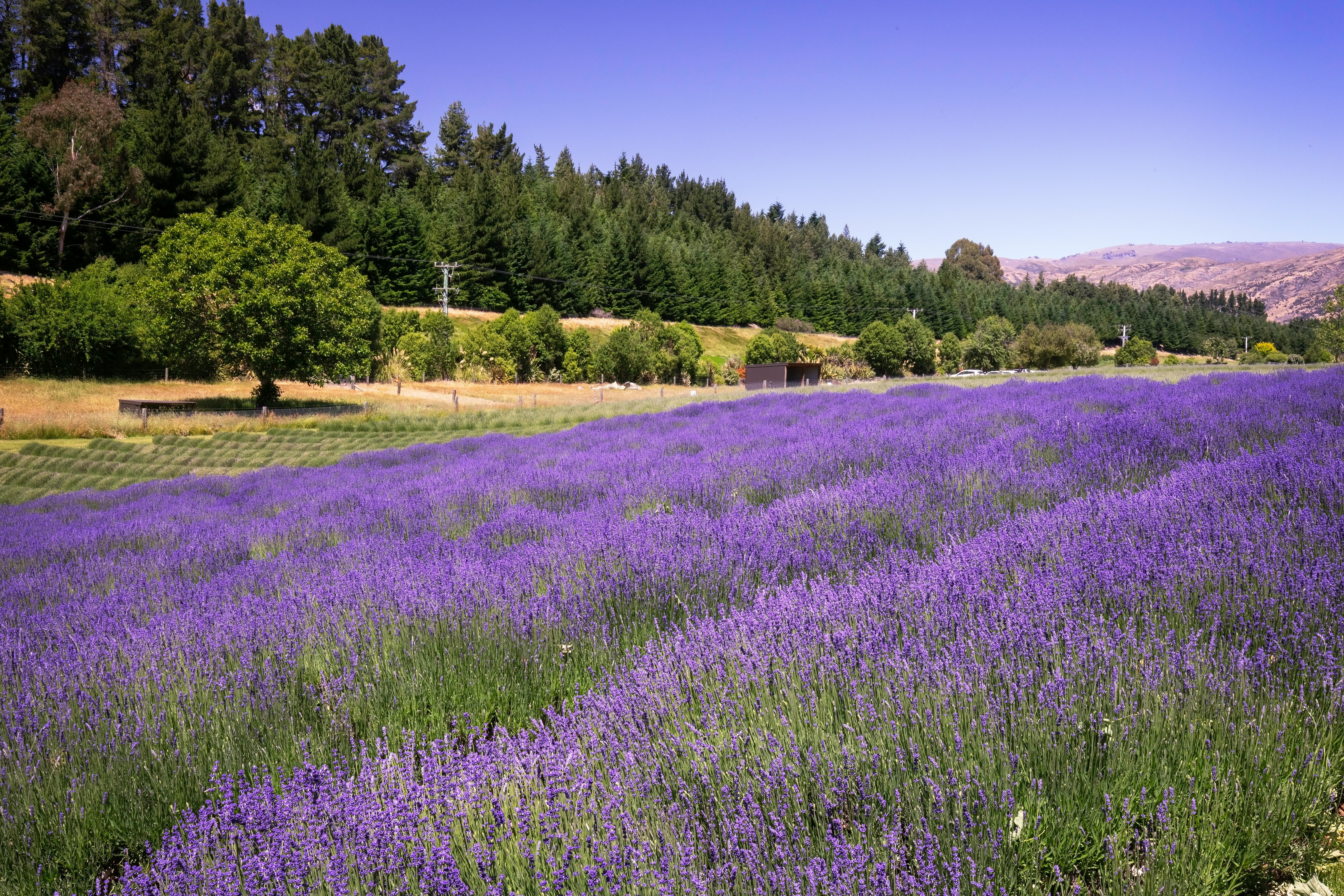
Understand how land use change can lower greenhouse gas emissions on farms.
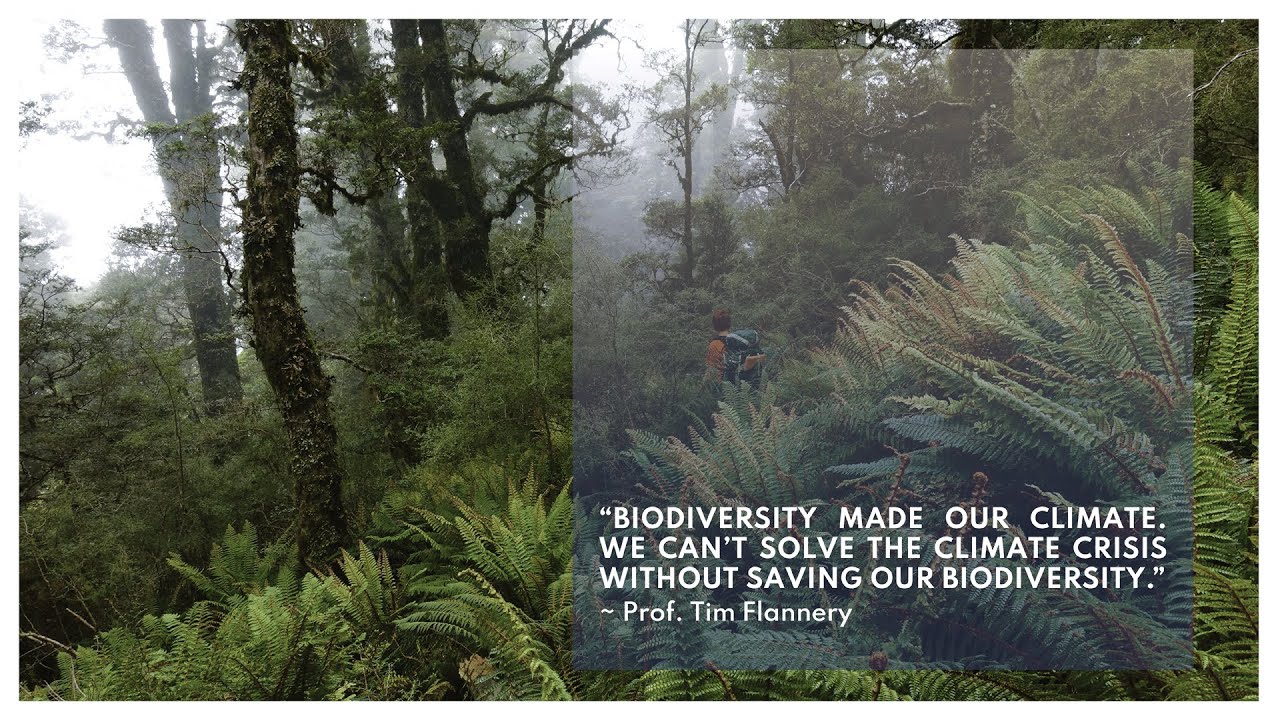
Professor Tim Flannery discusses native forests, carbon capture, and climate solutions in NZ.