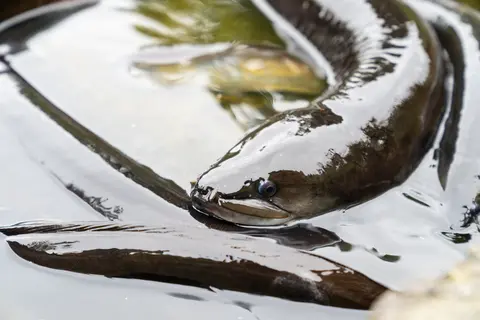
Managing impacts on tuna using a kaupapa māori approach
Climate
Biodiversity
Community
Conservation
Mātauranga
Resilience
Whenua Māori
This case study explores how Ngāti Raukawa is using mātauranga Māori to protect tuna (eel) from climate change.

This case study follows Te Waiariki, Ngāti Kororā, Ngāti Takapari Hapū Iwi Trust as they build their own climate adaptation plan, Te Ngātaki. Using the He Kōrero Rapunga research framework, they identified coastal erosion, flooding and loss of traditional food sources as the main risks facing their whānau and whenua.
The plan combines mātauranga with climate data, giving the trust a model for adaptation planning that is led by the hapū rather than handed down to it.
Photo: “NZ - Tutukaka Harbour” by Genet (Diskussion), licensed for reuse under CC BY-SA 4.0
This case study explores how Ngāti Raukawa is using mātauranga Māori to protect tuna (eel) from climate change.
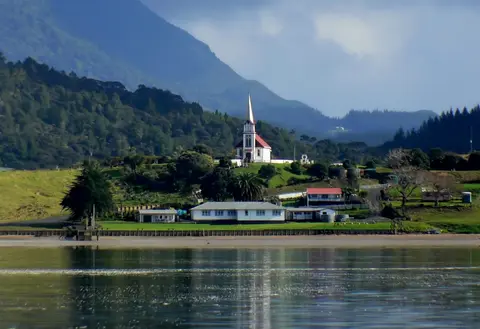
Learn how to build a plan so your community can look after itself in an emergency.
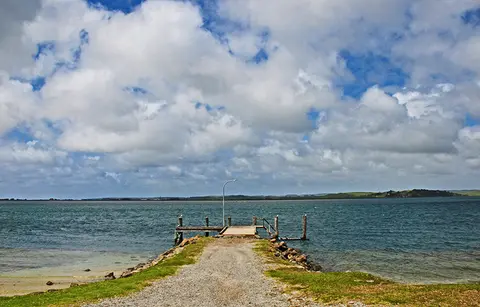
Explore how the iwi of Te Hāpua and Muriwhenua have drawn on whakapapa and mātauranga to develop a proactive climate adaptation plan.
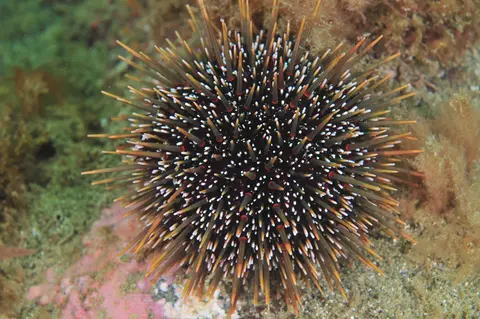
Learn how warmer ocean temperatures are affecting ngā tohu tuku iho o te mahinga kai.
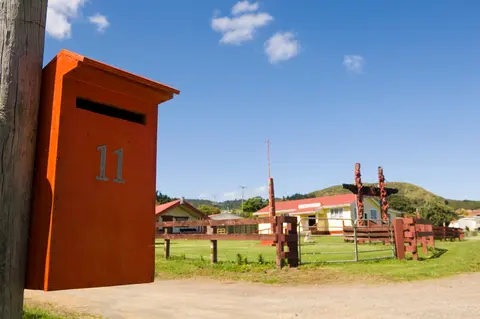
Search for iwi, hapū, and marae info by region or local authority.
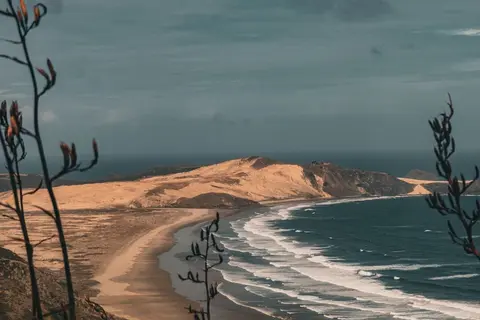
Learn how sea level rise, coastal erosion and river flooding are changing Northland.
This report analyzes climate risks in Northland, focusing on impacts, perspectives, and management strategies.
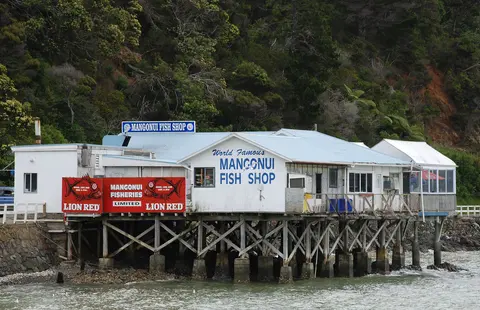
Learn about a free course that helps small businesses plan for climate change.
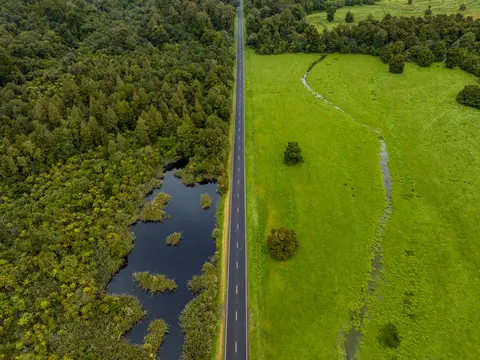
Explore how communities adapt to climate change with real examples and resilience strategies.
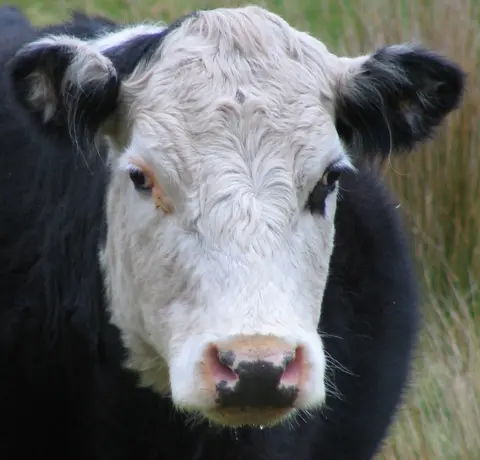
See how Owl Farm builds a seasonal well-being plan for its dairy herd with local vets.

Don and Kirsten Watson share their journey of running a dairy farm together.
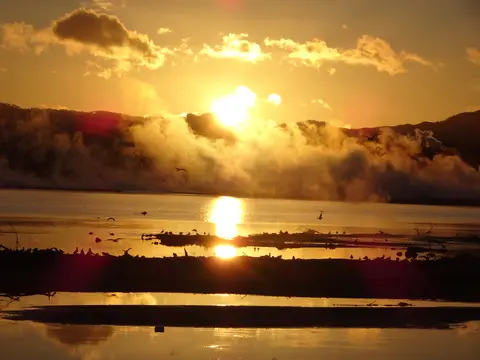
See how Māori-led projects tackle GHG emissions while supporting thriving whānau and whenua.
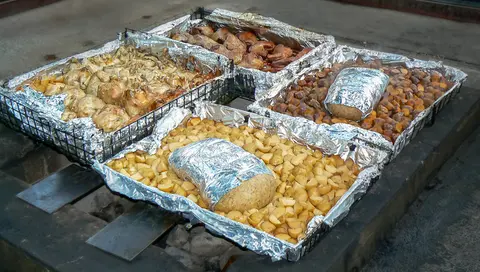
This project explores Māori food traditions and how climate change impacts cultural health.
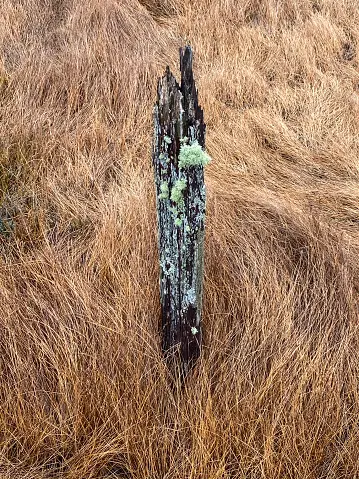
See how Ngai Te Rauhikihiki ki Taumutu is planning for climate change as a community.
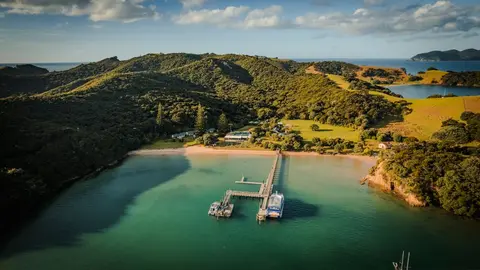
See a plain-English summary of NIWA's climate change projections for Northland.
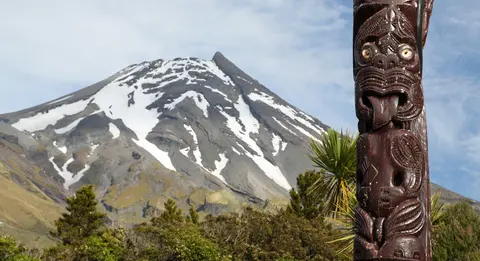
Research on Taranaki biodiversity tohu and climate resilience planning
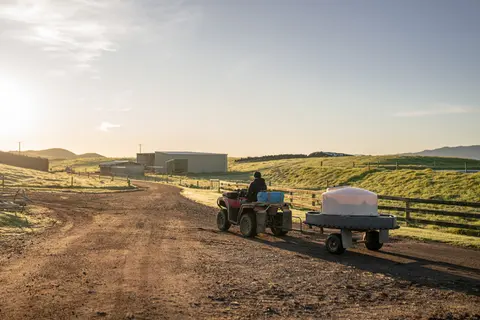
Blending mātauranga Māori and science to support whenua-based enterprises.

Explore how regenerative agriculture can enhance nature's ability to help us adapt to climate change.
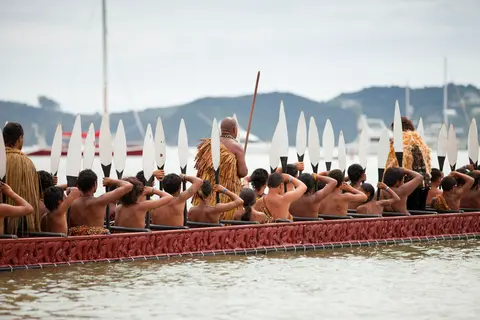
This resource focuses on community engagement for adapting to climate change in New Zealand.

Explore how restoring bush, wetlands and waterways builds Northland's climate resilience.
Watch a community restore mussel populations using mātauranga Māori mixed with Western science.
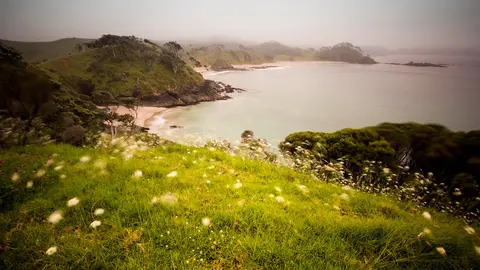
View rainfall data for Northland, showing monthly averages and percentages from gauges.
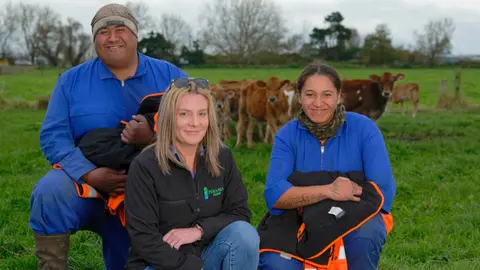
Step inside how five Hauraki iwi are reshaping Pouarua Farms for the long term.