Action on agricultural emissions: Evidence, analysis and recommendations
Climate
Emissions reduction
Livestock
Methane
On-farm actions
Policy
Sequestration
Sustainability
Read NZAGRC's recommendations
This country profile from the Climate Action Tracker, an independent scientific project run by Climate Analytics and NewClimate Institute, rates New Zealand's climate targets, policies and finance against the Paris Agreement's 1.5°C goal. The most recent full assessment on this page is dated 7 March 2023, so the ratings and figures shown are now more than three years old and may not reflect any policy changes since then.
The tracker rates New Zealand's overall climate action as "highly insufficient". At the time of assessment it found the country's policies were not on track to meet its 2030 target, which itself leans heavily on purchased international offsets and on forestry carbon sinks rather than cuts to emissions from agriculture, energy and industry. It also rated New Zealand's 2050 net zero target as "poor", largely because biogenic methane from agriculture and waste sits outside that target and stays exempt from the Emissions Trading Scheme.
Read NZAGRC's recommendations

Learn about New Zealand's climate action, emissions targets, and agricultural pricing strategy.

Learn how the NZ Emissions Trading Scheme works and who has to pay.
Explore New Zealand's greenhouse gas emissions by sector, gas and year from 1990 onward.
A science and mātauranga Māori based plan to reduce our agricultural greenhouse gas emissions.
A report on New Zealand's livestock methane emissions and their impacts.
Explore New Zealand's plans for reducing greenhouse gas emissions by 2050.
How the Emissions Trading Scheme works and who is in it.
The science behind agricultural methan, nitrous oxide emissions, and climate change.
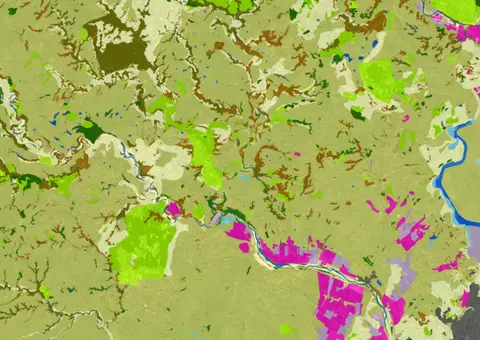
LUCAS is a national dataset that tracks carbon sequestration and land use change over time.
The DairyNZ Econ Tracker summarises key economic data for New Zealand dairy farmers.
See how the wine industry plans to cut emissions in vineyards and wineries by 2050.
Learn about methane in agriculture and how NZ ag researchers are trying to reduce emissions.
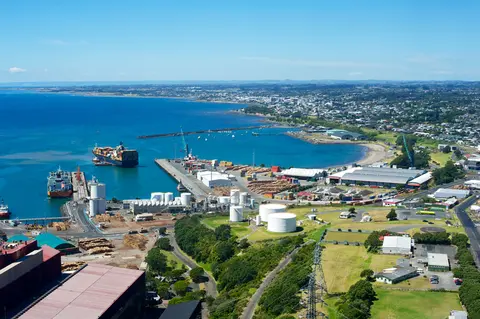
A strategy for Taranaki aiming for carbon neutrality by 2030 through community action and industry change.

Watch the sessions from the 2024 agriculture and climate change conference.

Explore projected temperature and rainfall changes for Aotearoa online.
How the NZ ETS compares with schemes in Europe, Australia and elsewhere.
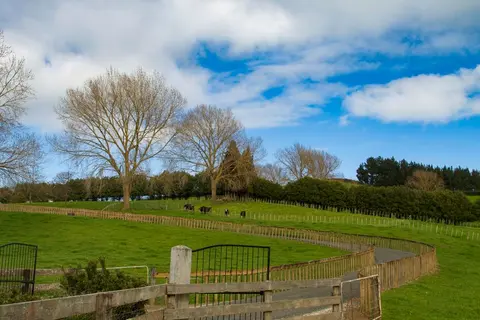
Learn how Owl Farm cut biological greenhouse gas emissions over a ten year period.
Look up expected carbon stock by forest age for small forests in the ETS.
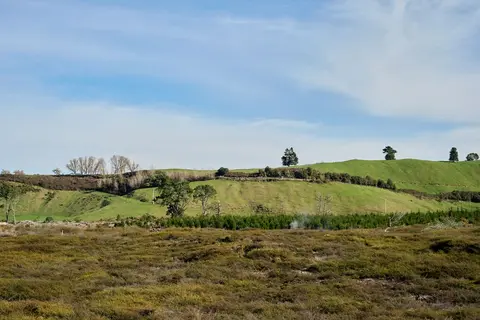
How the state farmer plans to cut emissions and adapt farm by farm.
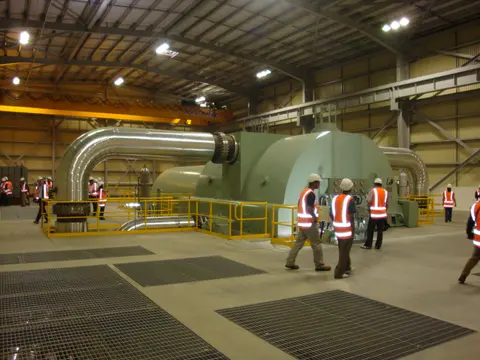
Learn how Bay of Plenty industry can switch process heat from gas to geothermal, biomass and electricity.
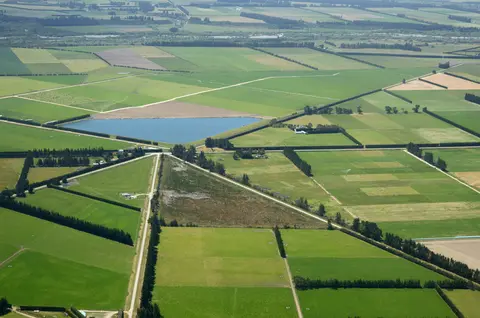
Learn about farming's impact on greenhouse gases and MPI's efforts to reduce emissions in New Zealand.
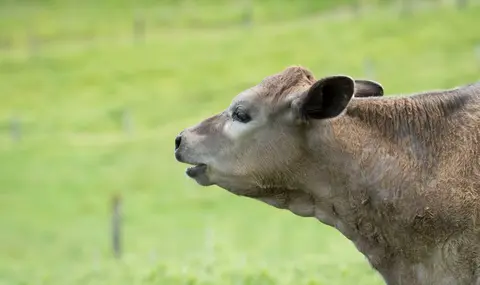
This resource discusses methane inhibitors to reduce greenhouse gas emissions from agriculture.