Farm Diversification – The Wairarapa Farmers Showcasing Life on the Land | On Farm Story
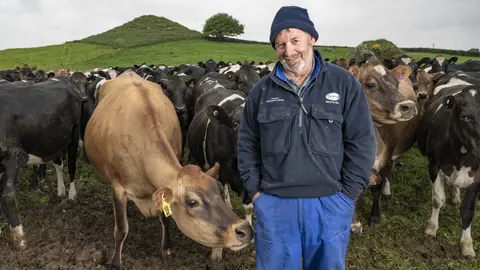
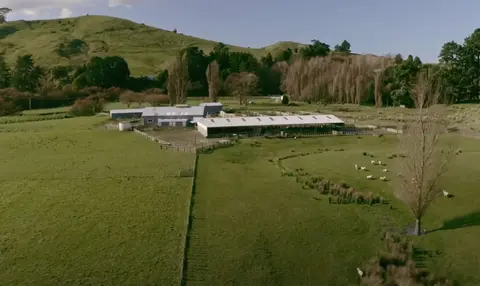
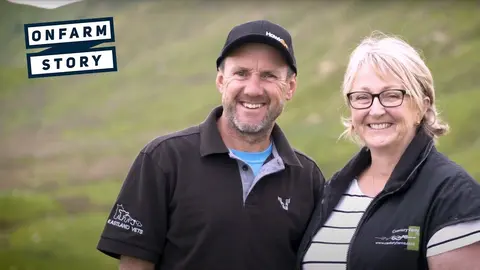
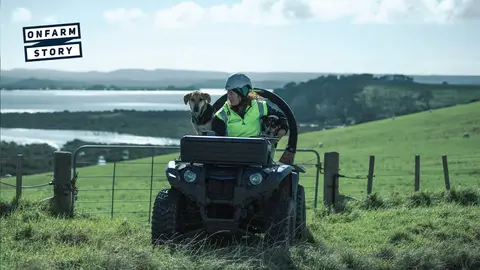
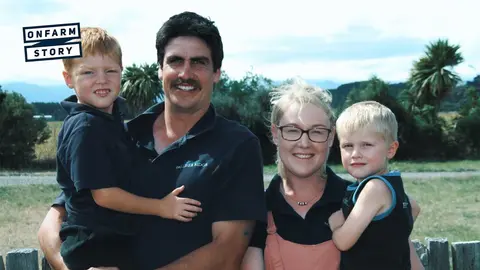
Lisa and Kurt Portas share how they're diversifying their Wairarapa farm.
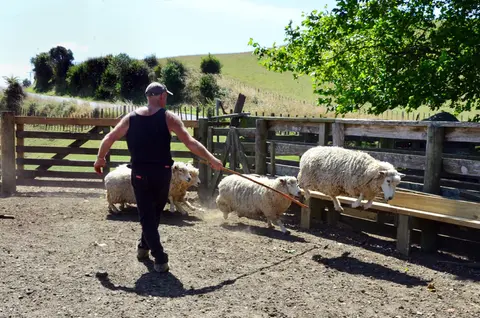
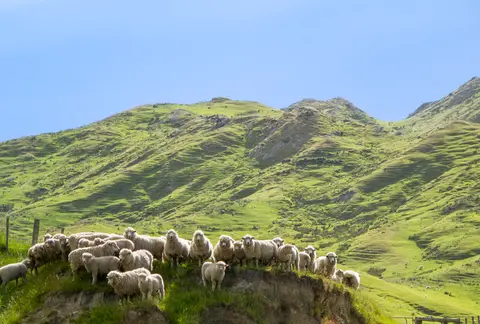
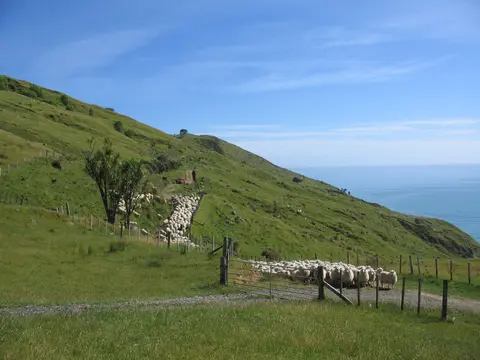
Castlepoint Station is Anders and Emily Crofoot's 3,700 hectare sheep, beef and forestry property on the exposed Wairarapa coast. In this case study the Crofoots match land use to land capability, direct drill, and plant targeted forestry so they work with steep, wind-prone country rather than against it.
They share the farm's emissions figures over nearly two decades, showing a large fall in net greenhouse gases alongside gains in lambing percentage and weaning weights. The changes behind those numbers include reduced tillage, poplar and willow planting for erosion control, and closer management of stock numbers and fertiliser.
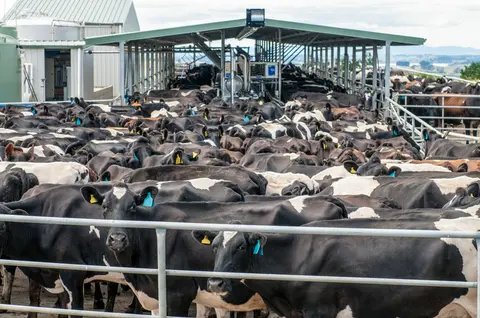
See data and advice on balancing dairy profits with lower greenhouse gas emissions.

Understand how land use change can lower greenhouse gas emissions on farms.

Research into different ways to reduce greenhouse gas emissions from New Zealand agriculture.

How grazing compares with pine and native forestry profitability on steep Northland hills.

Learn about how Te Kupe Station is transforming its sheep, beef, and forestry operation to be more sustainable.

See what a nationwide study found about balancing farm emissions and making a good profit.

Learn how Owl Farm cut biological greenhouse gas emissions over a ten year period.

This report uses two case studies to illustrate different ways that diversified Māori agribusinesses can reduce greenhouse gas emissions and increase profits.

Explore how our beef and lamb farming can support wellbeing, the planet, and local communities.

Discover how trees enhance a South Canterbury farm's income and environment.

Compare four small changes that cut Kaiwaiwai Dairies' emissions by 14 percent.

Learn how a Northland station manages 14,000 hectares with an environment-first approach.