Kaitiakitanga in action: Wakatū’s low emission winemaking journey
Climate
Emissions reduction
Energy
Viticulture
Whenua Māori
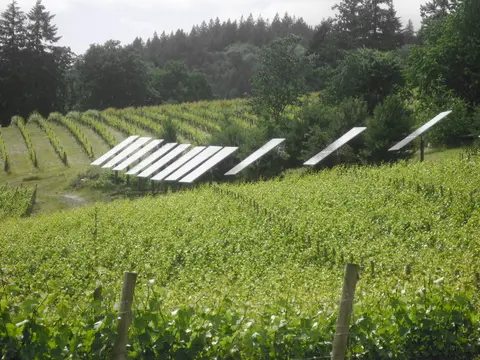
Find out how Wakatū Incorporation is cutting energy use and emissions at its Tohu winery.
Wakatū Incorporation belongs to about four thousand owners descended from the whānau and hapū of Whakatū, Motueka and Mohua. Its food and wine arm, Kono, makes Tohu Wines, and the business plans in five-hundred-year terms under its Te Pae Tawhiti strategy.
This EECA case study covers the energy transition plan the agency co-funded for the winery and vineyards, which found diesel for tractors, irrigation and frost fans to be the main emissions source. It covers the first changes made, including a heat scavenger to replace LPG, insulated glycol pipes and LED lighting, and the advice the team gives to other businesses: get expert help, start small, and do the projects that pay first.
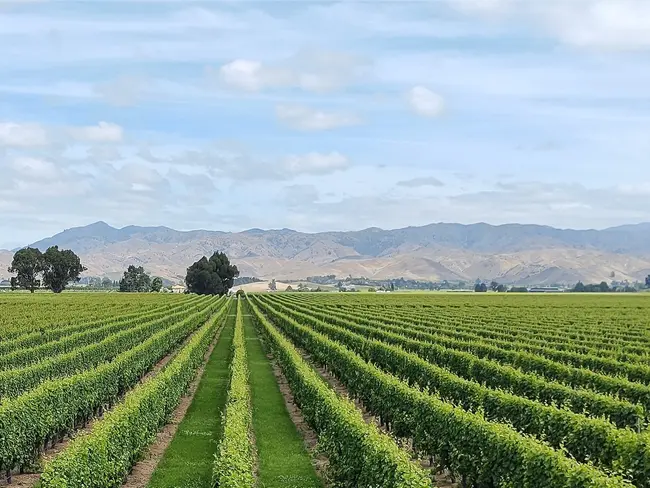
Photo: “Wairau Valley vineyards in Marlborough, New Zealand” by Jonathan Harker, licensed for reuse under CC BY 4.0
Find out how Wakatū Incorporation is cutting energy use and emissions at its Tohu winery.
Learn how Waikato industry can switch process heat from gas to biomass and electricity.
Learn how Manawatū-Whanganui industry can switch process heat from gas to biomass and electricity.
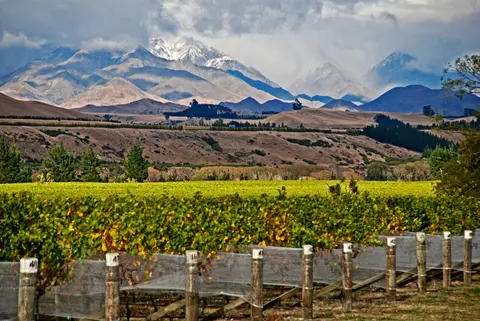
Explore how Tohu ties its single vineyard wines to kaitiakitanga and native planting in Te Tauihu.
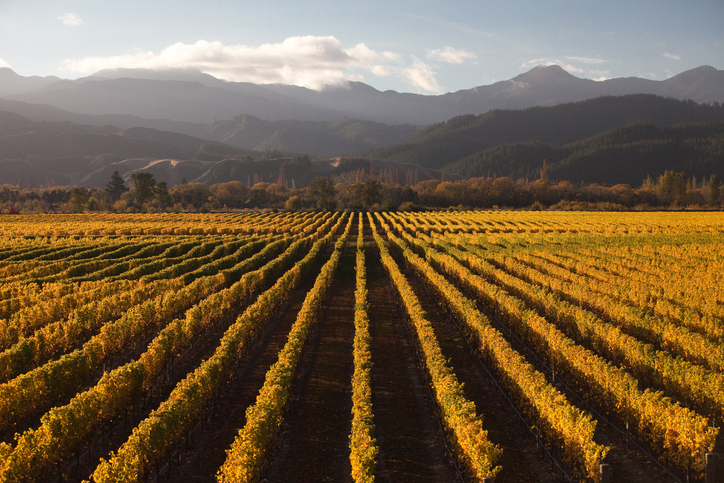
The New Zealand Wine Company shares its journey to carbon neutrality and sustainable practices.
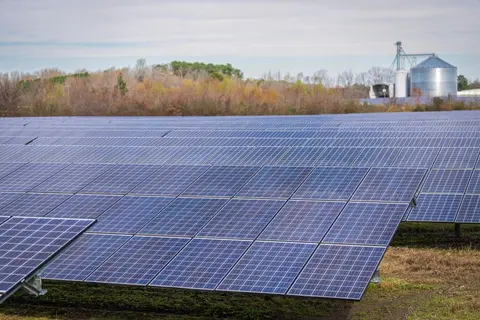
See how the wine industry plans to cut emissions in vineyards and wineries by 2050.

Learn how Wellington's commercial buildings and industry can switch heat from gas to electricity and biomass.
Learn how Mid and South Canterbury industry can switch process heat from coal to biomass and electricity.
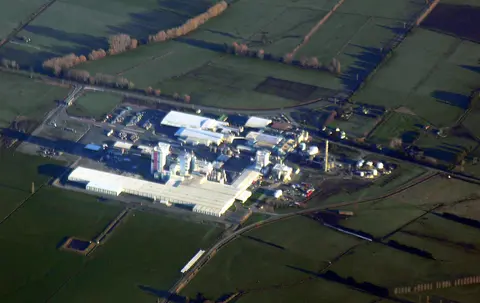
Learn how North Canterbury industry can switch process heat from coal to biomass and electricity.
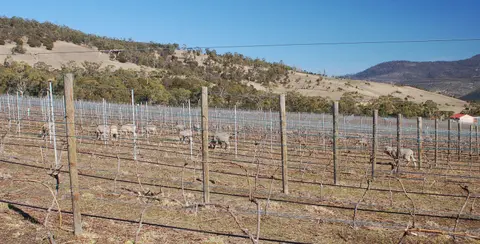
See how leading growers use cover crops, compost and grazing sheep to rebuild vineyard soils.
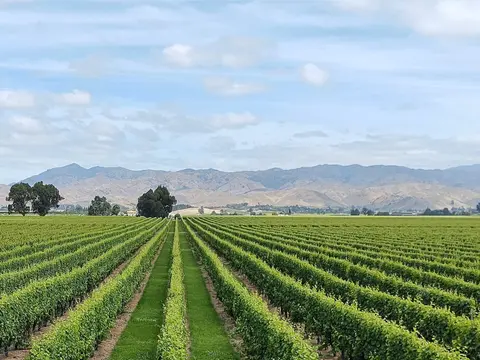
Find the climate, soils, sub-regions and main grape varieties for each New Zealand wine region.
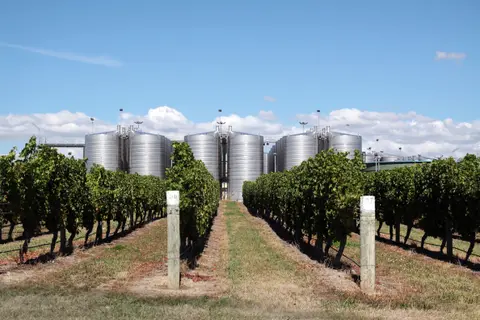
Learn how a small Nelson winery uses a carbon audit to set a baseline for cutting its footprint.
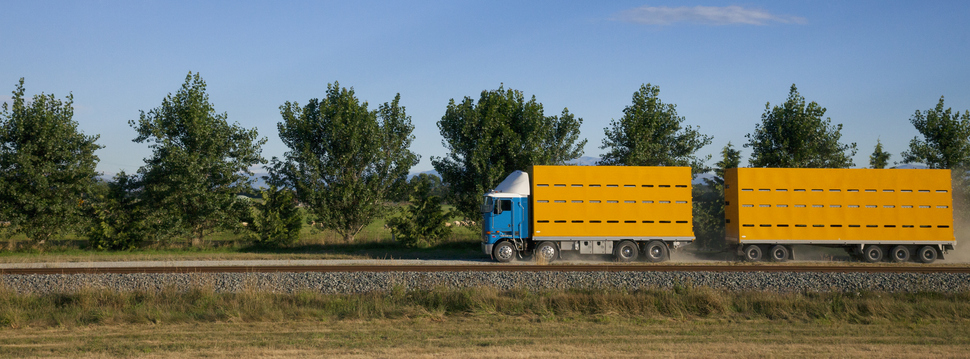
Calculate CO2 emissions from fuels and learn ways to reduce them for vehicles.
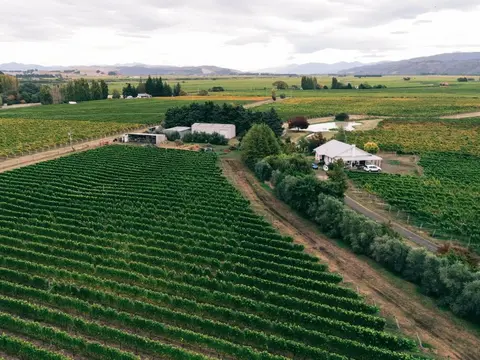
Learn how Nelson, Marlborough and Tasman industry can switch process heat from coal to biomass and electricity.
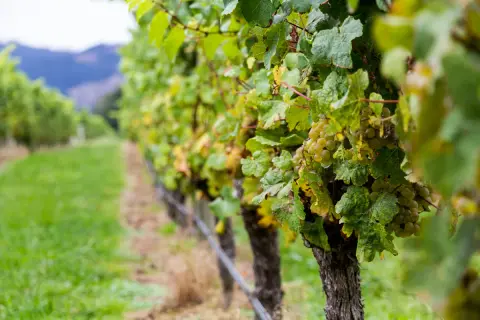
Growing wine grapes on your whenua.
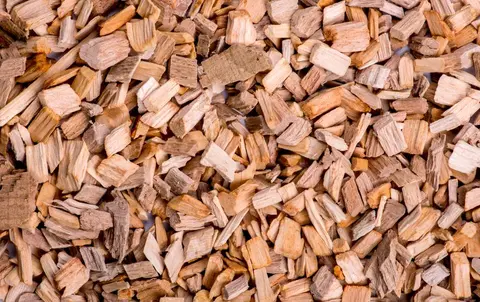
Find out how each region can switch industrial heat from coal and gas to electricity, biomass and geothermal.
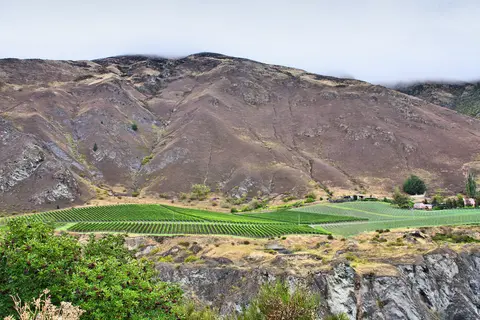
Discover how Amisfield converted to organics and cut water use with subsurface irrigation.
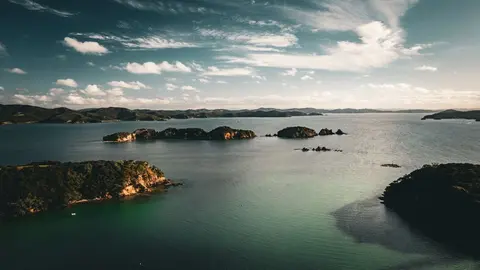
Discover where Northland's greenhouse gas emissions come from and how to cut yours.
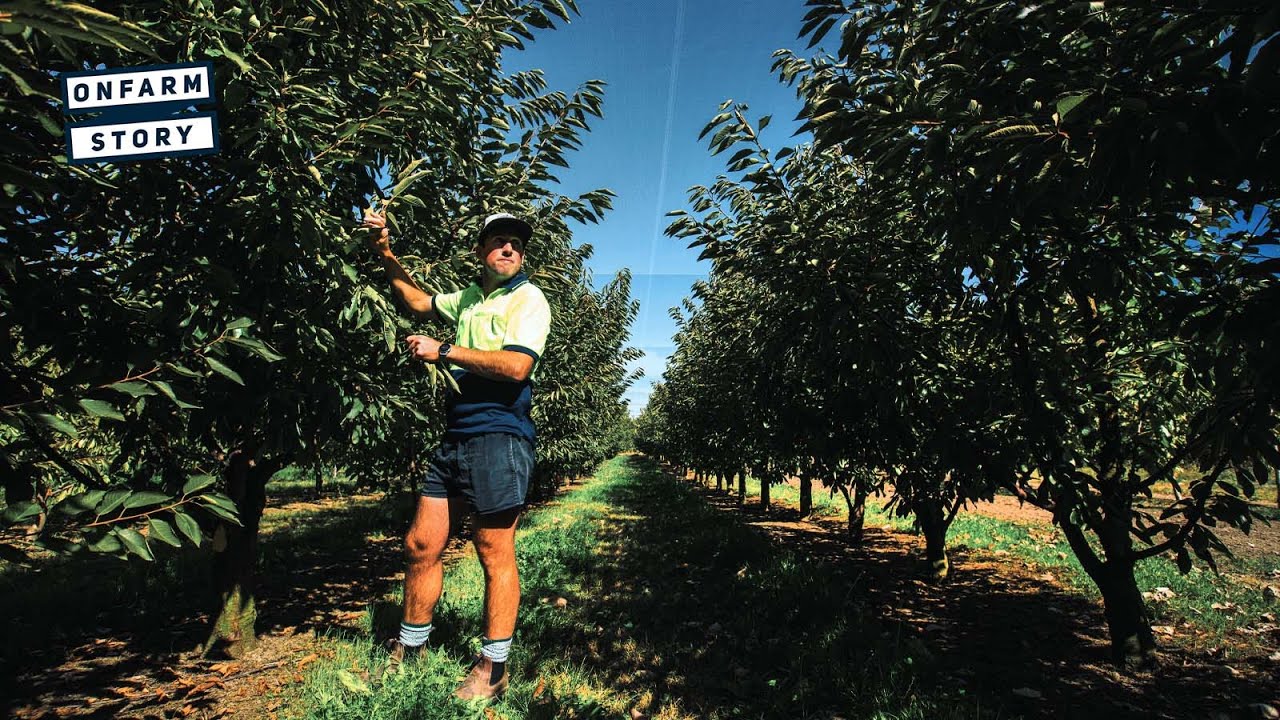
Learn how a Marlborough family farm grows grapes, cherries and hay across generations.
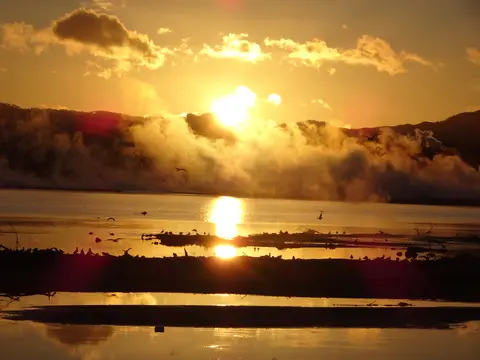
See how Māori-led projects tackle GHG emissions while supporting thriving whānau and whenua.
This case study explores what it means to farm in alignment with Māori values and how it can improve the environment.
Discover how many jobs green kiwifruit could support on the whenua in your rohe.
See how a Northland hapū iwi trust is leading its own climate adaptation planning.