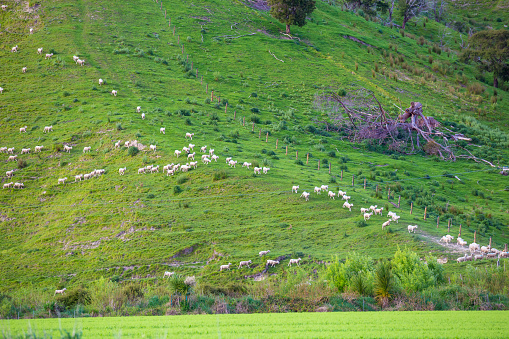
Agricultural Greenhouse Gas Inventory reports
Climate
Emissions reduction
Greenhouse gas
Browse Aotearoa agricultural greenhouse gas emissions reports by topic.

This page from Climate Adaptation Te Tai Tokerau draws on the Te Tai Tokerau Emissions Inventory to show where the region's greenhouse gas emissions come from. Agriculture is the largest source, followed by transport and energy.
It sets out ways individuals and businesses can track and reduce their own emissions, so readers can see where their impact sits and where to focus first.
Browse Aotearoa agricultural greenhouse gas emissions reports by topic.
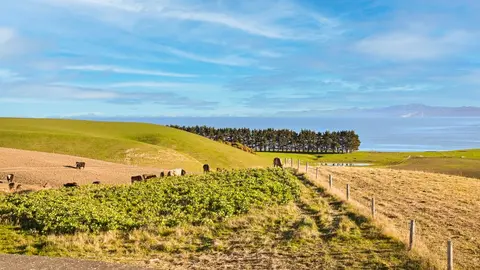
Explore New Zealand's greenhouse gas emissions by sector, gas and year from 1990 onward.
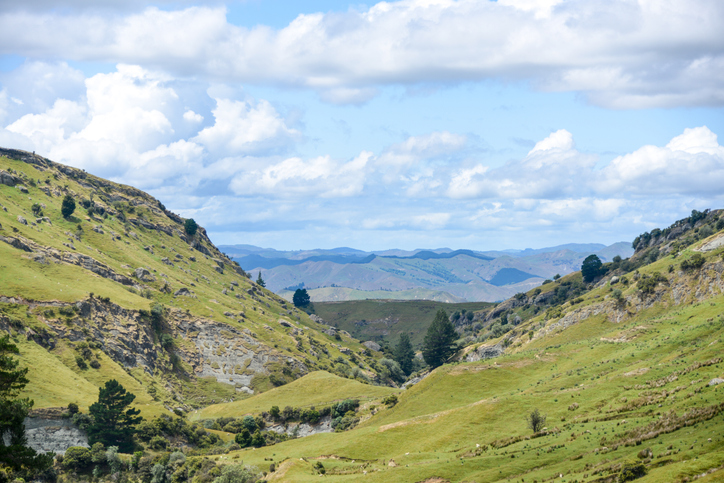
This report explores land use changes in New Zealand to cut greenhouse gas emissions.
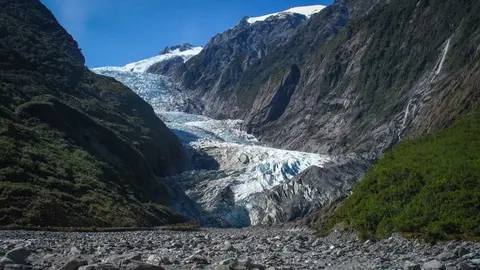
Learn how climate change works, through both science and te ao Māori.
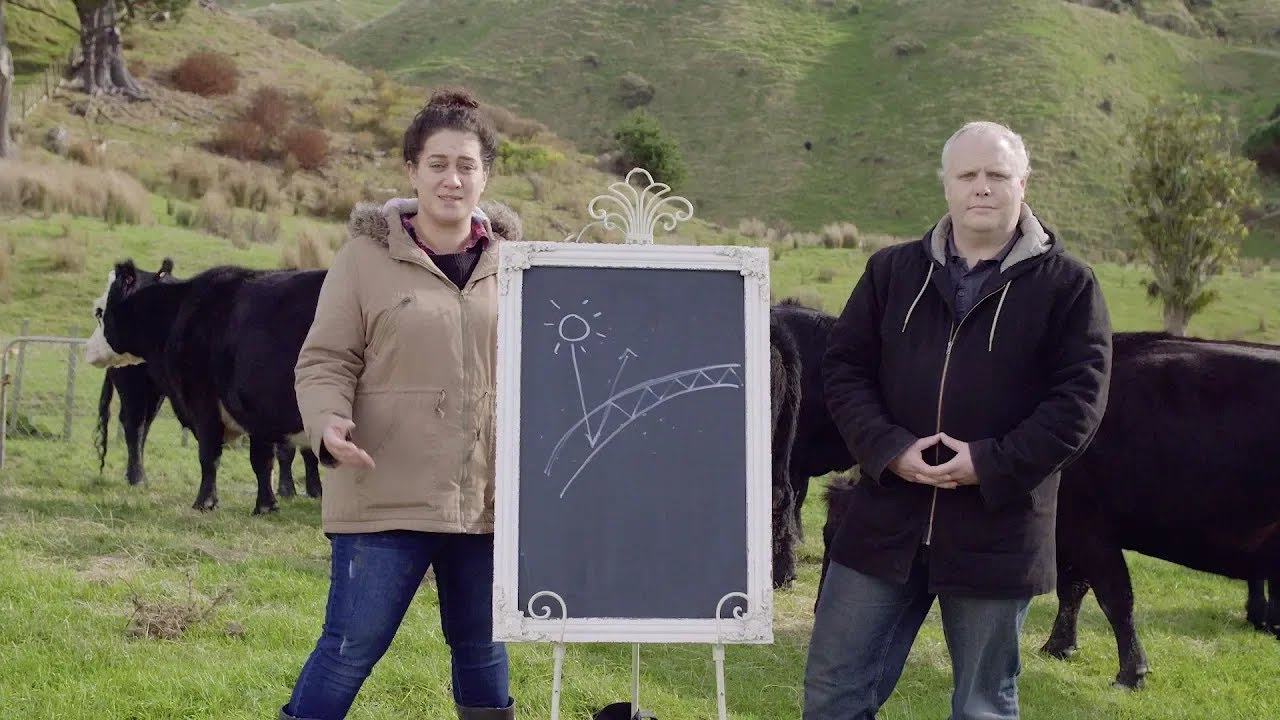
Learn how human actions change our climate and impact farming through greenhouse gases.
Learn how soil carbon impacts climate change and things you can do on your farm to offset your emissions.
See different climate change scenarios for New Zealand and their potential impacts.

Learn about methane in agriculture and how NZ ag researchers are trying to reduce emissions.
Factsheets about farm greenhouse gas emissions, feeds, methane control, soil carbon, and more.

Learn how to accurately calculate your vehicle's fuel economy and costs.
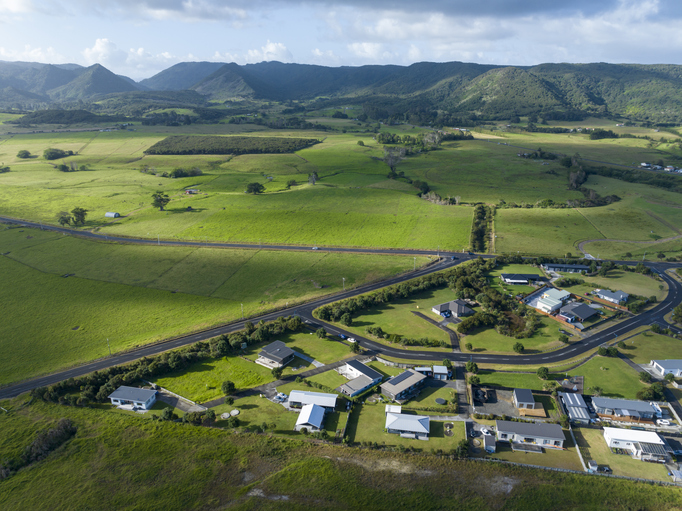
A toolkit for Ngāpuhi to develop papakāinga housing on Māori land, focusing on community needs.

See how Māori-led projects tackle GHG emissions while supporting thriving whānau and whenua.
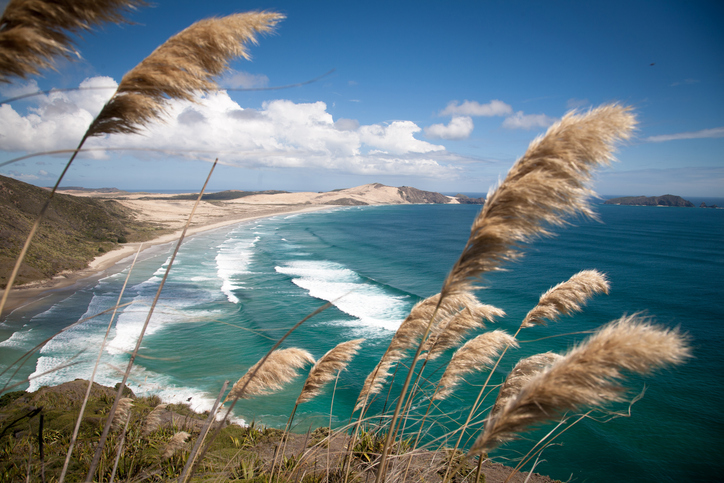
Te Tai Tokerau's Climate Adaptation Strategy outlines key actions for climate resilience.
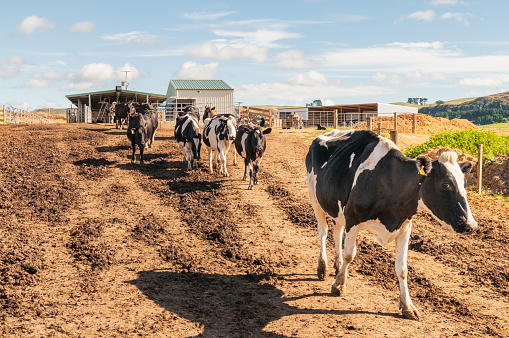
Get guidance on reducing emissions on your fairy farm.
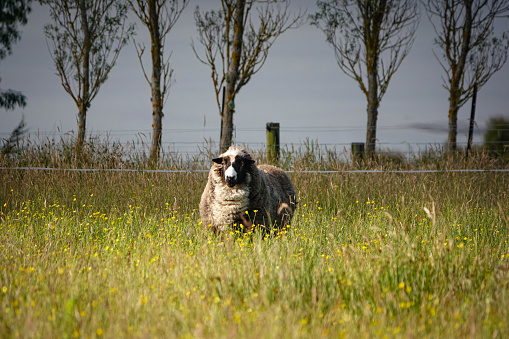
Research about reducing greenhouse gas emissions on Māori farms in New Zealand.
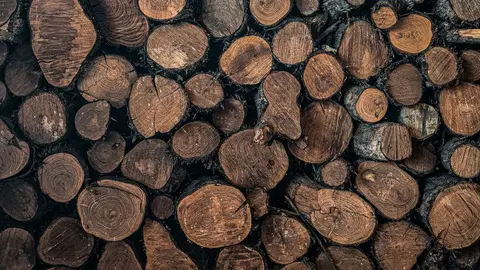
Learn how Northland industry can switch process heat from coal to biomass and electricity.
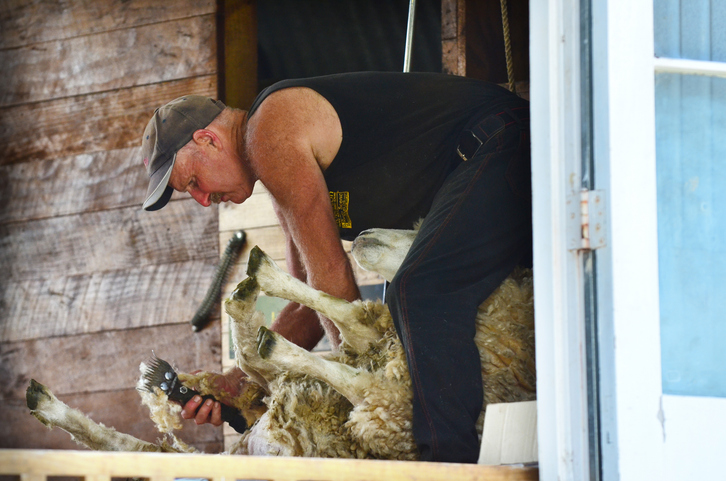
Learn how sheep and beef farms can reduce greenhouse gas emissions and improve profits.
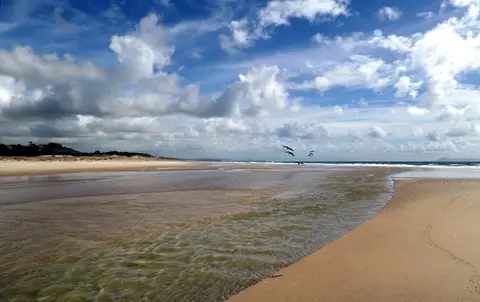
Find out how Northland community groups can apply for climate resilience funding.

See a plain-English summary of NIWA's climate change projections for Northland.
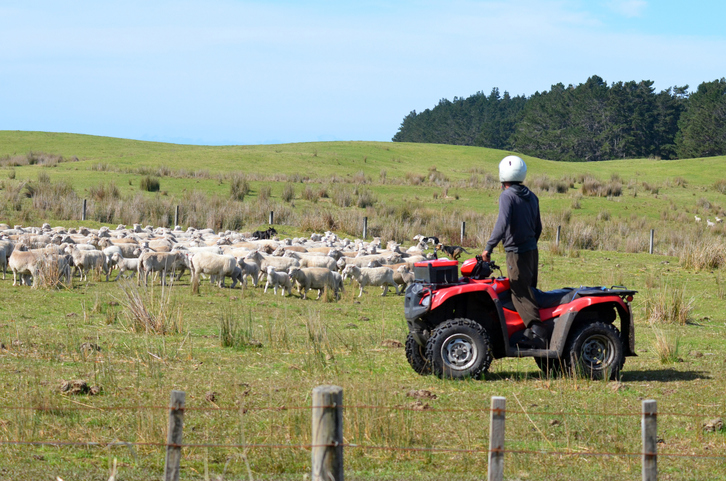
This resource outlines methods to reduce agricultural greenhouse gas emissions in New Zealand.
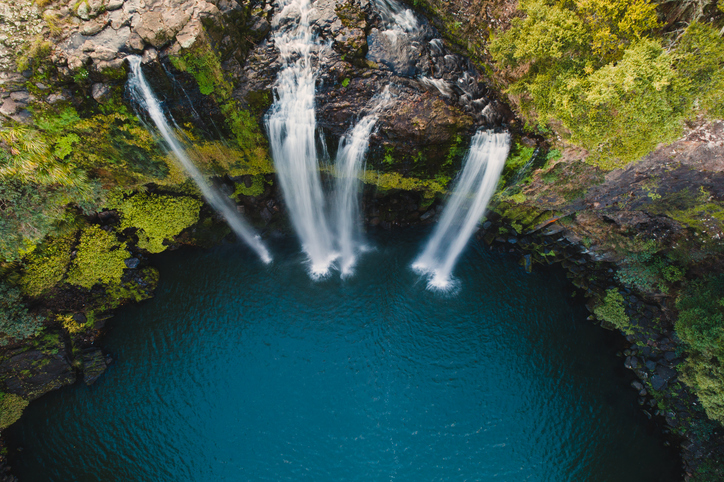
This report analyzes climate risks in Northland, focusing on impacts, perspectives, and management strategies.
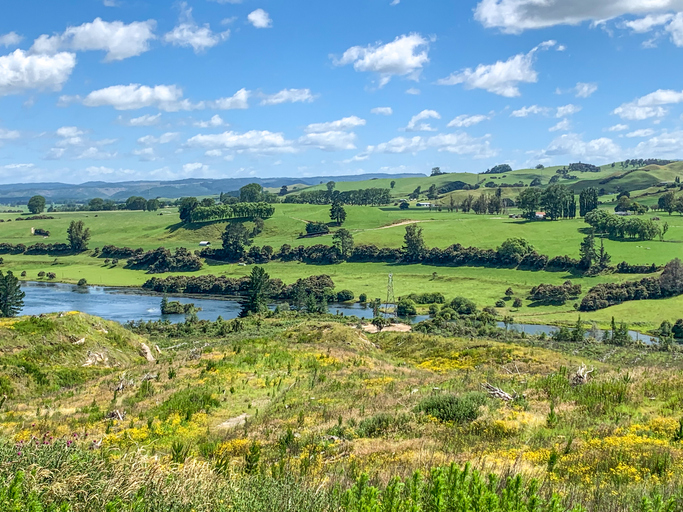
These reports break down Aotearoa's greenhouse gas emissions by sector and type.
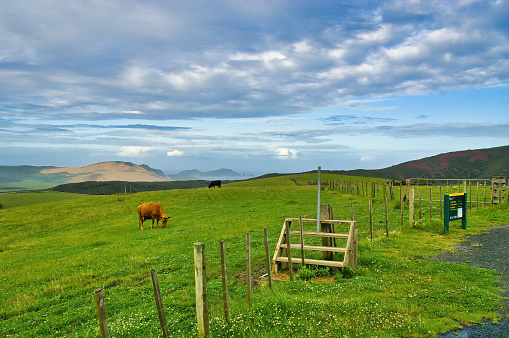
Learn about reducing methane emissions on your farm.