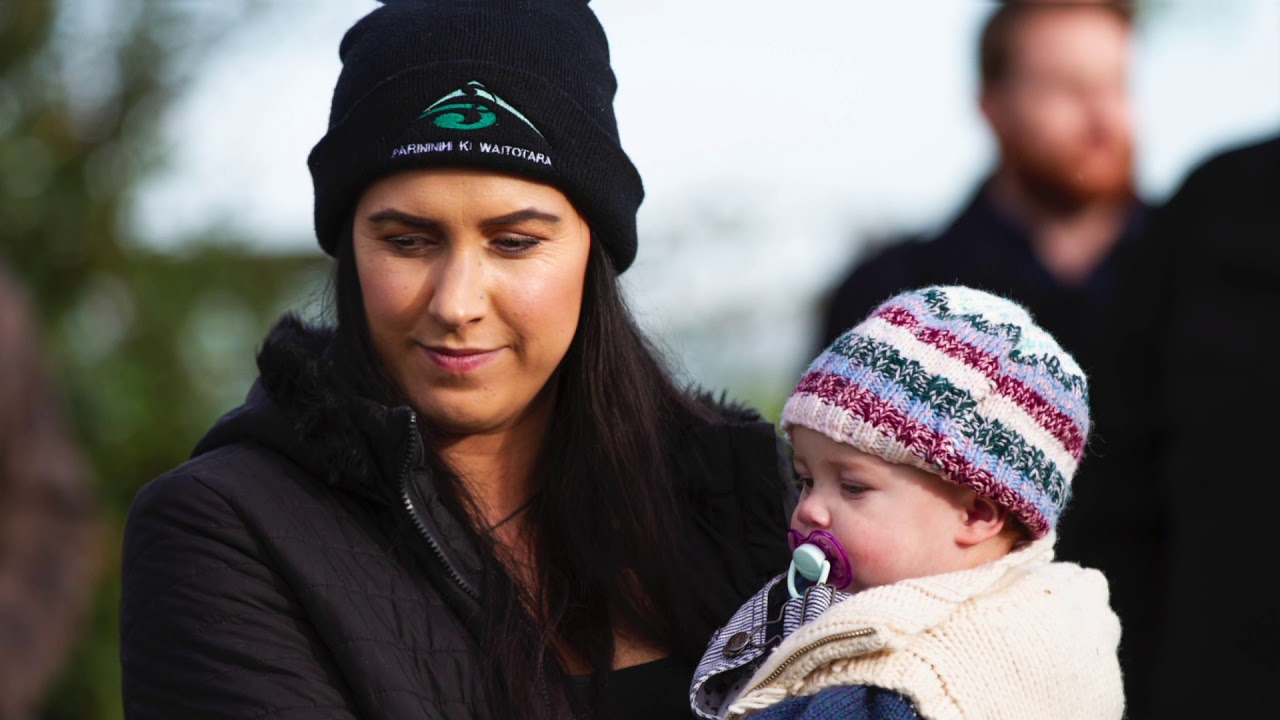
Parininihi ki Waitotara: strengthening ties to whānau and whenua
Whenua
Collaboration
Community
Whenua Māori
Parininihi ki Waitotara helps Taranaki Māori reconnect with their land and whānau.
Parininihi ki Waitotara is a Māori incorporation that farms a large area of Taranaki on behalf of its shareholders. Its kaitiakitanga hub maps the environmental projects under way across those farms.
The hub is an ArcGIS site with maps and project pages for the incorporation's stewardship work. It sits alongside PKW's part in trials of feed crops that cut methane, run with the Ag Emissions Centre.
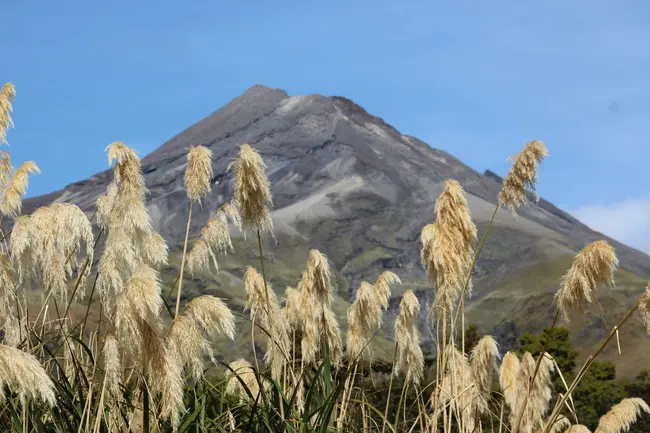
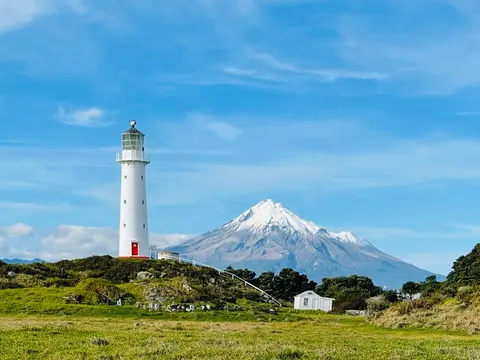
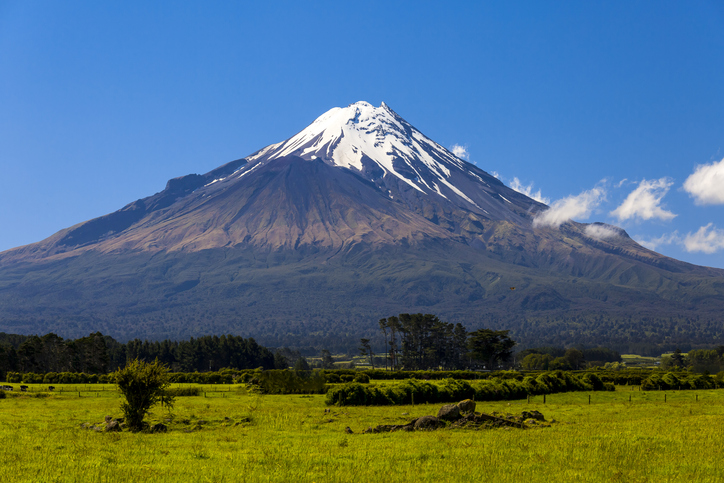
Photo: “Mount Taranaki and Tui Tui (7087589543)” by Takver, licensed for reuse under CC BY-SA 2.0
Parininihi ki Waitotara helps Taranaki Māori reconnect with their land and whānau.
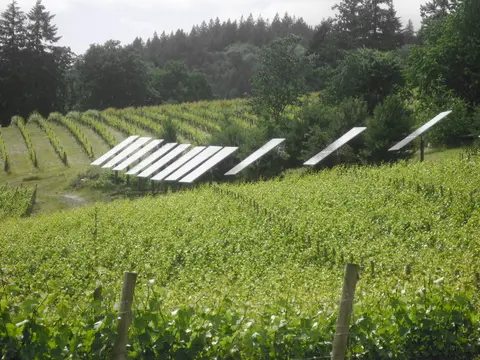
Find out how Wakatū Incorporation is cutting energy use and emissions at its Tohu winery.
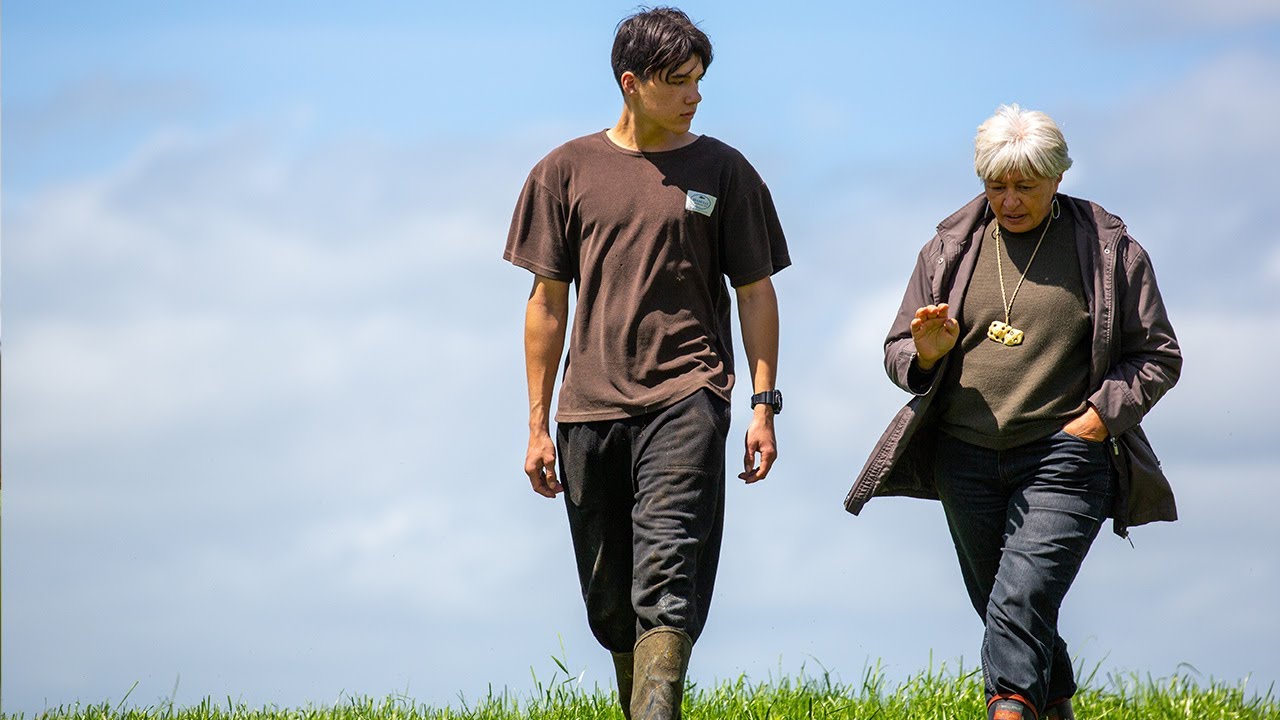
Learn how four Taranaki Ahu Whenua trusts united to form a successful dairy farming operation.
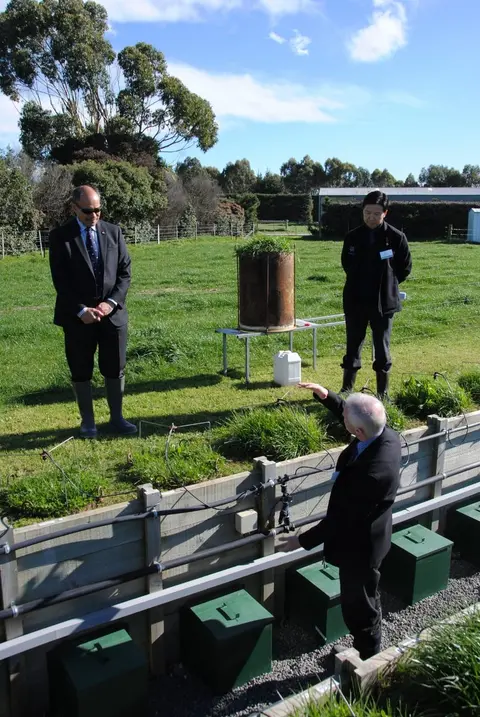
Take a look at the new technologies Fonterra is trialling to cut methane on dairy farms.
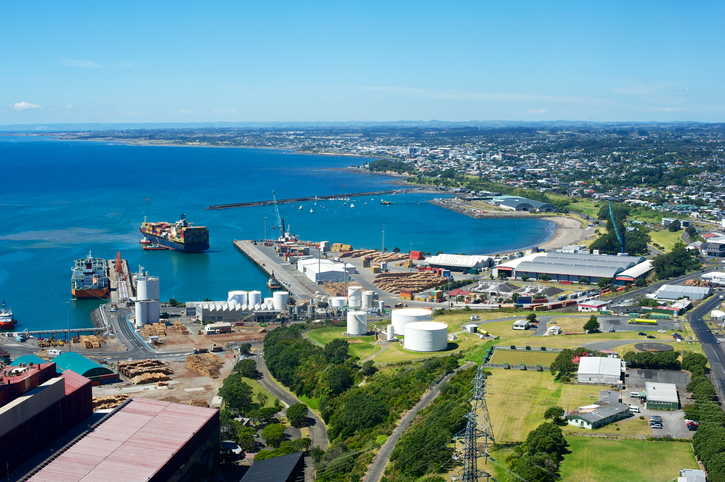
A strategy for Taranaki aiming for carbon neutrality by 2030 through community action and industry change.
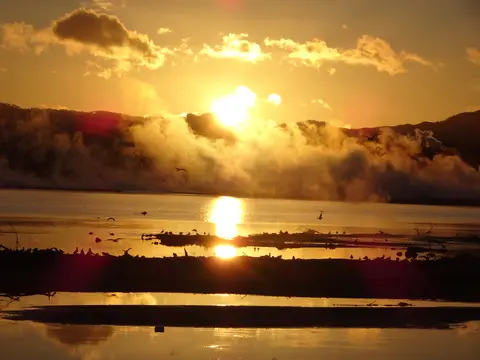
See how Māori-led projects tackle GHG emissions while supporting thriving whānau and whenua.
Check live rainfall, river level and water quality readings across Taranaki.
Learn about rules for activities near Taranaki wetlands.
Access monthly and yearly climate summaries for Taranaki from the regional council.
Discover ways to grow, manage and use pasture and crop for healthier, more efficient cows.
Meet the Māori winemakers collective built on kaitiakitanga, whakapapa and manaakitanga.
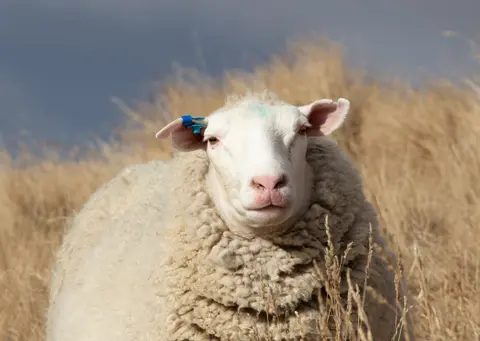
Breeding sheep that produce less methane, at Taupō and Kerikeri.
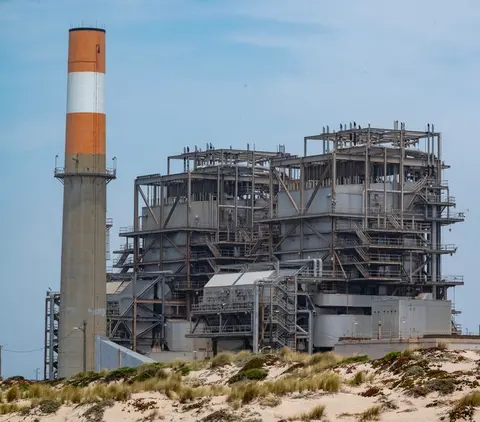
Learn how Taranaki industry can switch process heat from gas to biomass and electricity.
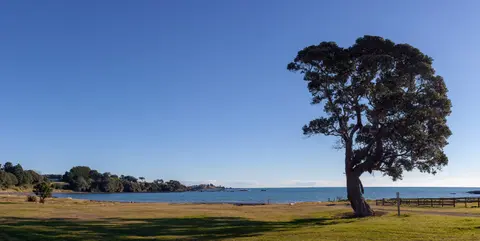
This case study explores what it means to farm in alignment with Māori values and how it can improve the environment.
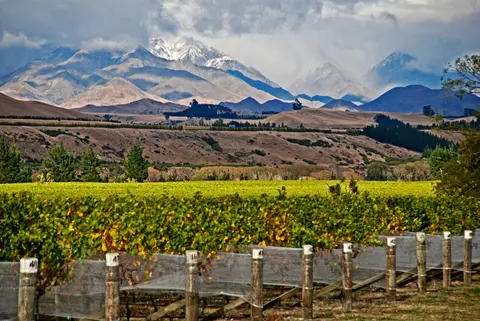
Explore how Tohu ties its single vineyard wines to kaitiakitanga and native planting in Te Tauihu.
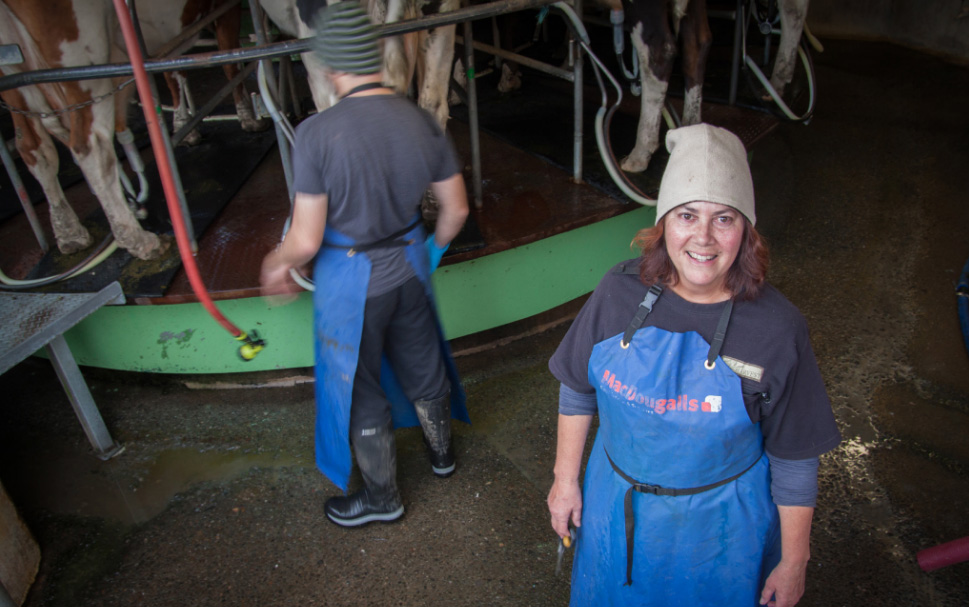
BioFarm is an organic dairy in Manawatū focused on sustainability and kaitiakitanga.
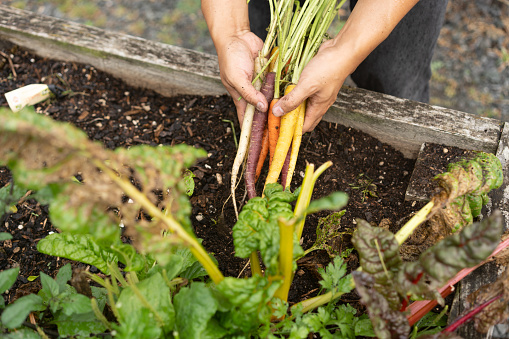
Kaitiakitanga, kiwifruit, and what a Māori food story actually means.
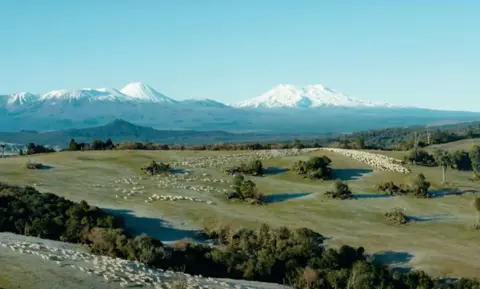
Explore how Tuatahi Farming Partnership cut emissions across its Pukeatua blocks.
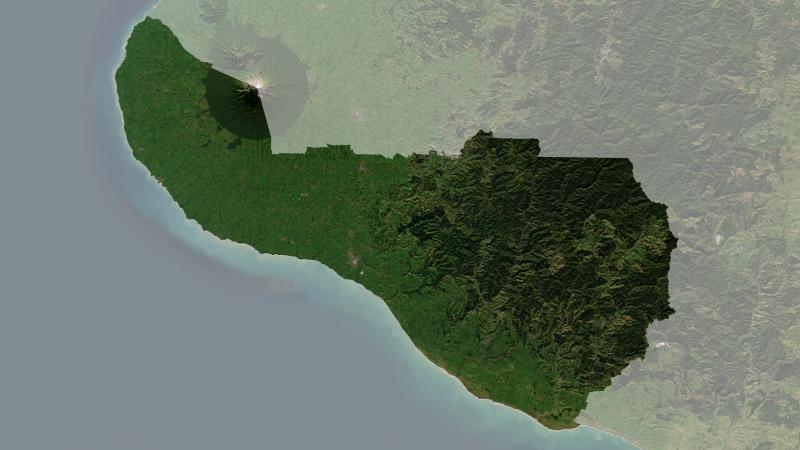
Understand climate event and variability trends for South Taranaki District.
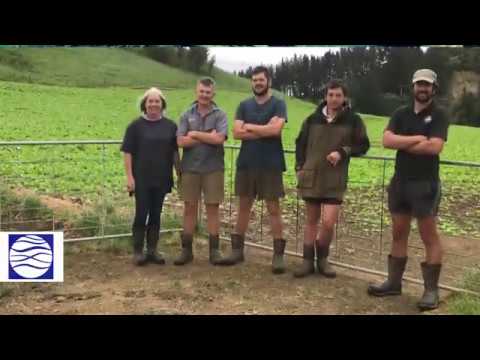
The winners of the 2020 Taranaki Supreme Award for sustainable sheep and beef farming share how they did it.

Watch the sessions from the 2024 agriculture and climate change conference.
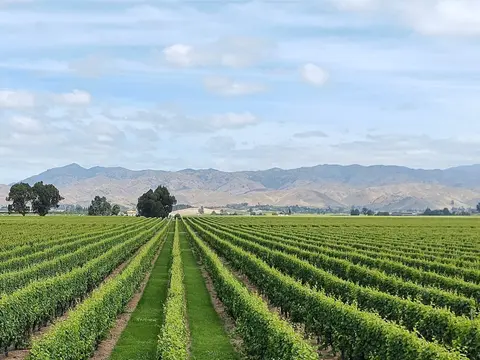
How Tohu Wines is cutting diesel and LPG across its vineyards and winery.
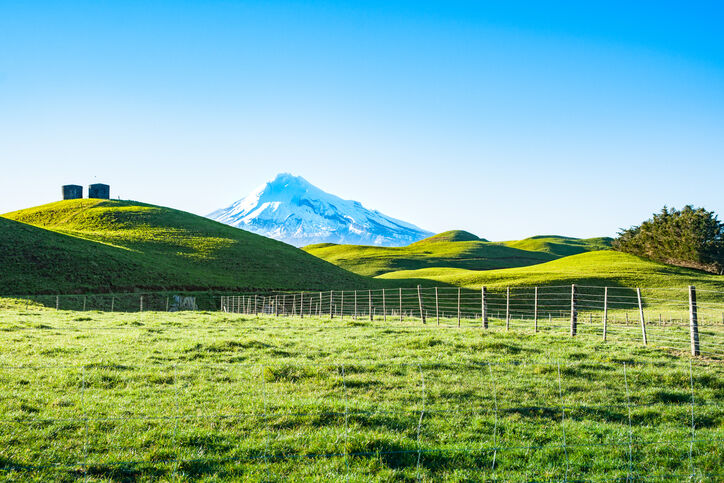
A report produced by NIWA, details climate change impacts and projections for Taranaki until 2100.