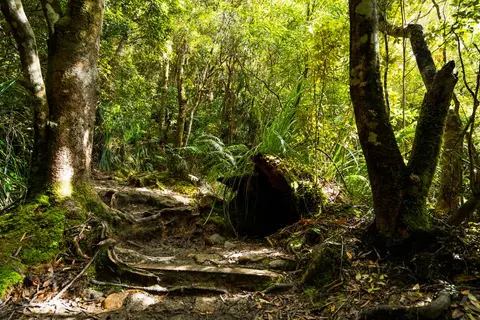
Native Forestry and Regeneration
Climate
Biodiversity
Forestry
Regeneration
Earning carbon from native bush, planted or regenerating.
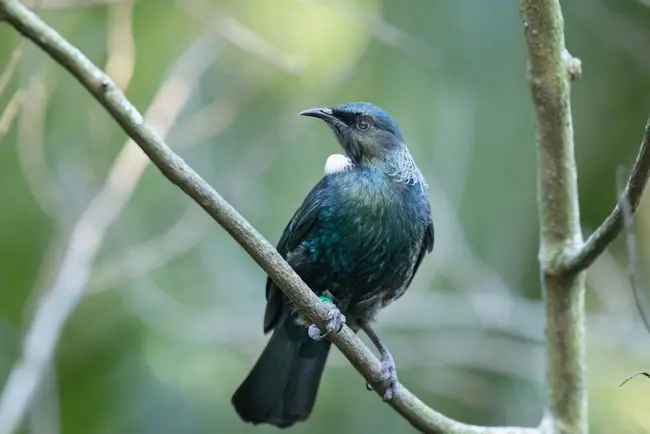
A forest planted for carbon also shelters wildlife, filters runoff and holds erosion-prone slopes together. Native forest does far more of this than pine, but even an exotic block can be improved with native strips along waterways, an understorey and pest control.
The guide covers the benefits for biodiversity, water quality, erosion and climate resilience, the cultural values of native forest, the early markets that pay for these outcomes, and the surveys and monitoring needed to claim them.
Earning carbon from native bush, planted or regenerating.

Learn about the value of New Zealand's native forests and the services they provide to biodiversity and ecosystems.
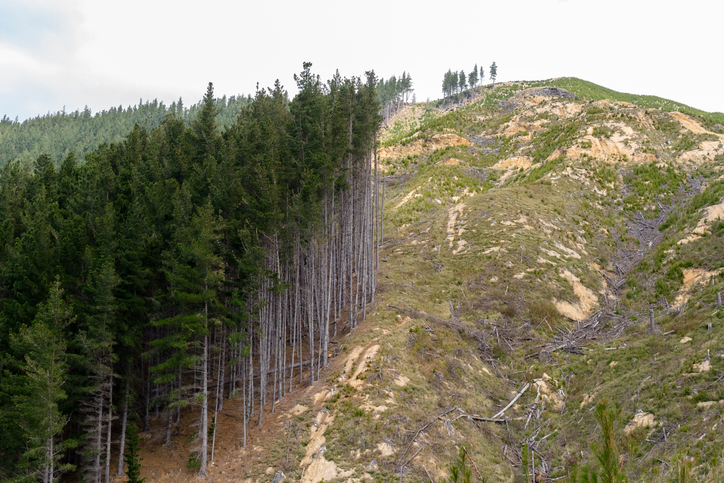
Learn about planting on erodible land for better resilience and productivity.
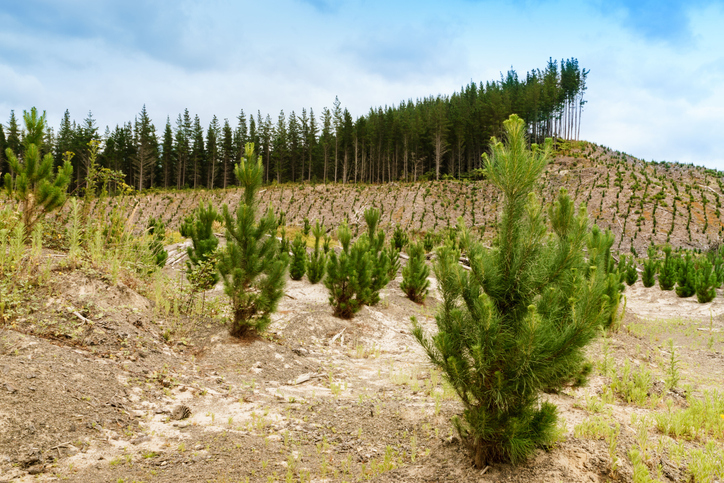
This resource challenges myths about planted forests, especially radiata pine, in New Zealand.
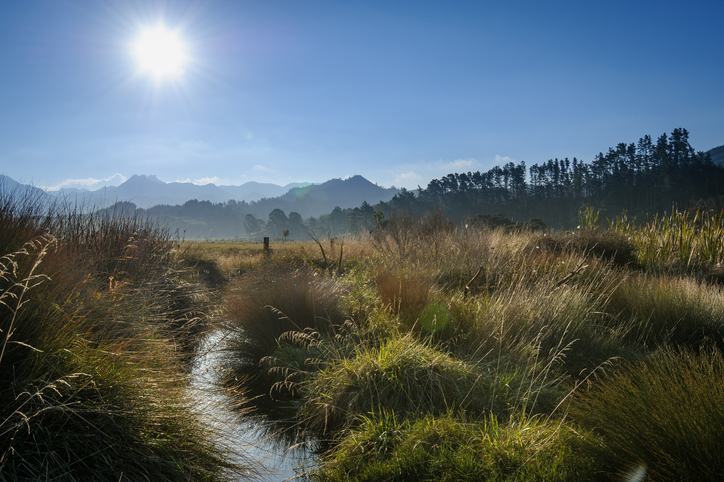
Learn about planting trees along waterways to enhance nature and prevent erosion.
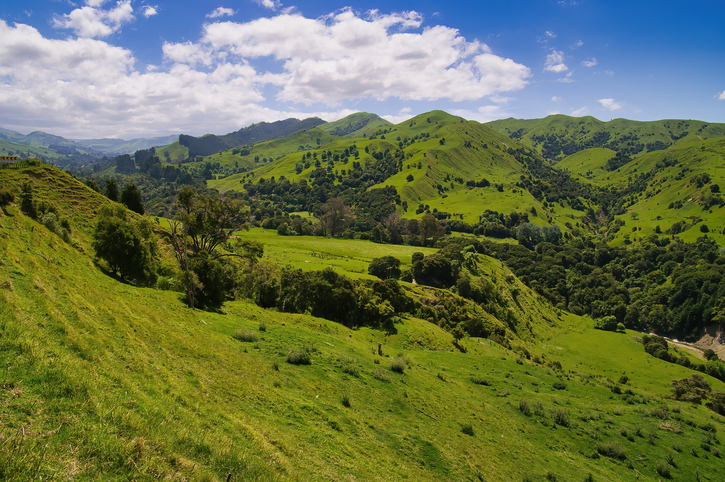
Learn about sustainable Māori forestry and agriculture for climate resilience on the East Coast.
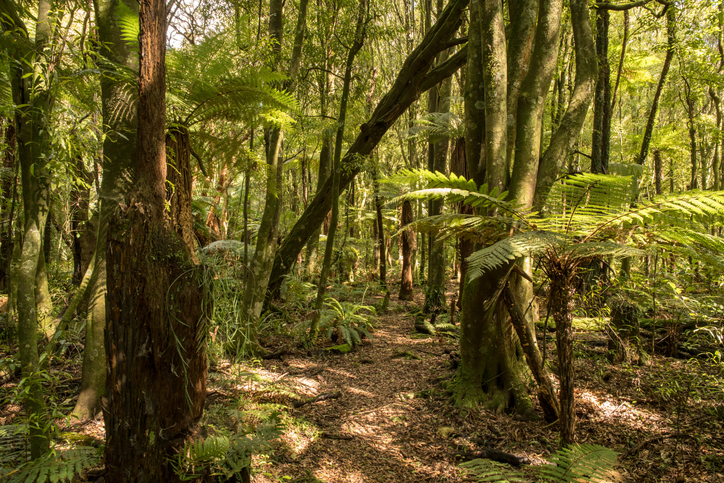
This innovative seed-island project is helping to speed up native forest restoration.
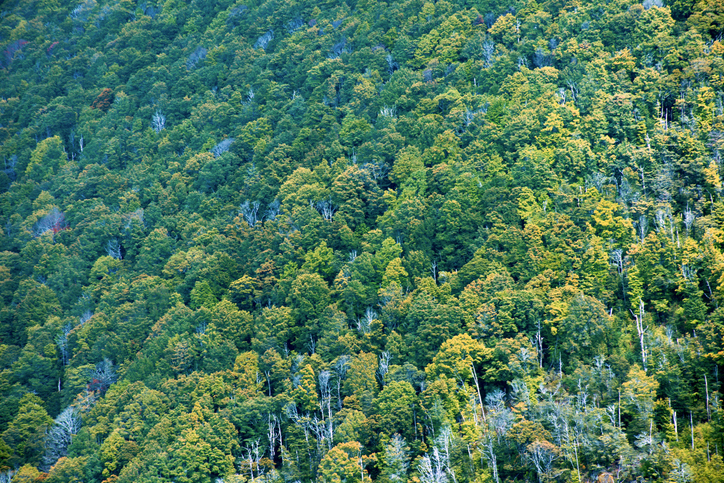
Learn about the best tree species for reducing erosion on steep slopes in different parts of Aotearoa.
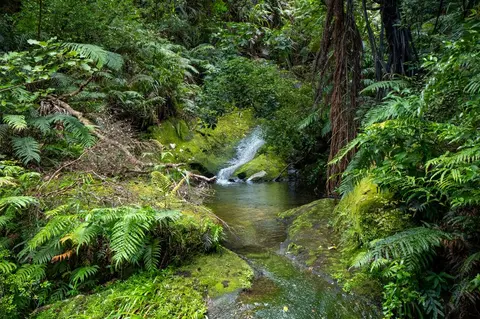
Uncover options for riparian planting, native trees and shelter that boost farm biodiversity.
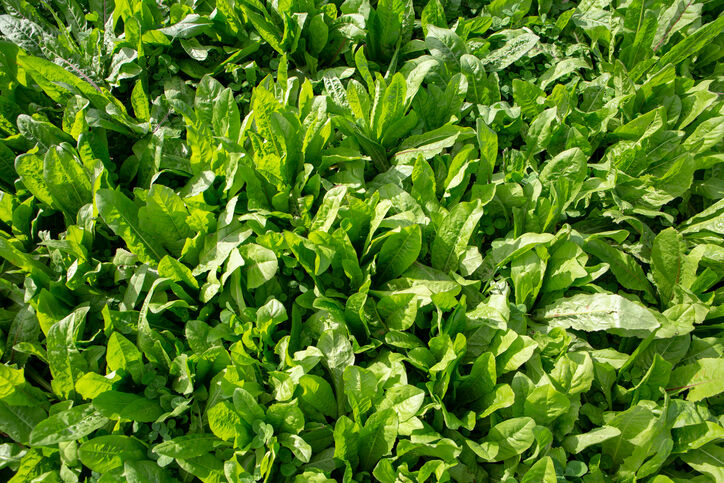
This guide explains effective forage cropping management for livestock.
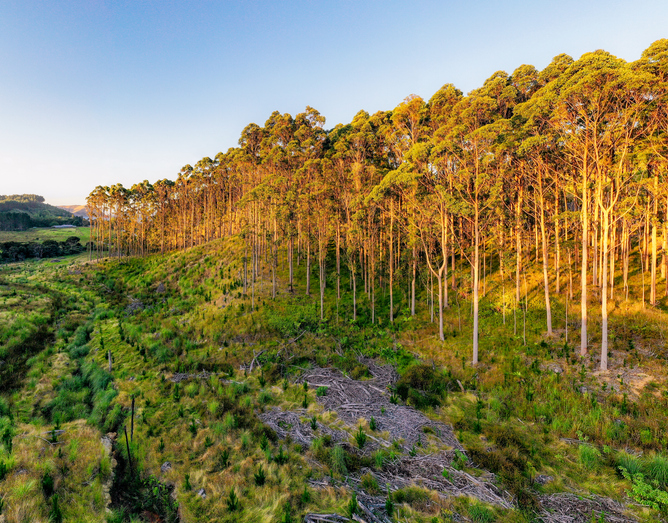
Explore exotic forest species for diverse timber uses.
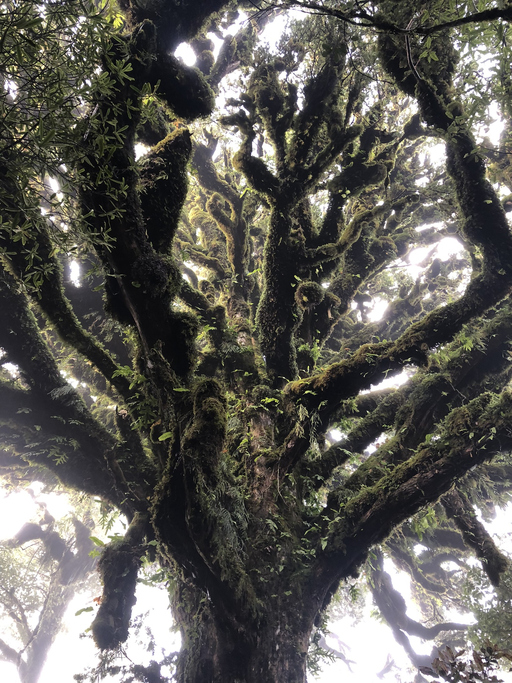
Practical steps for planning, boosting, and caring for native biodiversity on your farm.
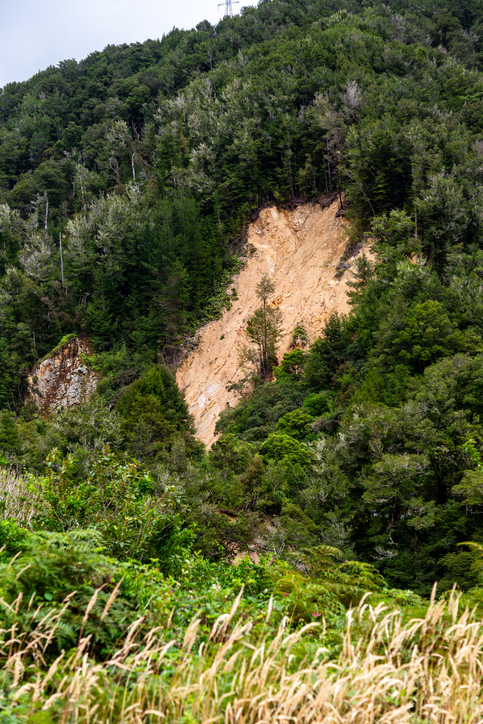
Learn how to control erosion in forestry through careful planning and tree selection.
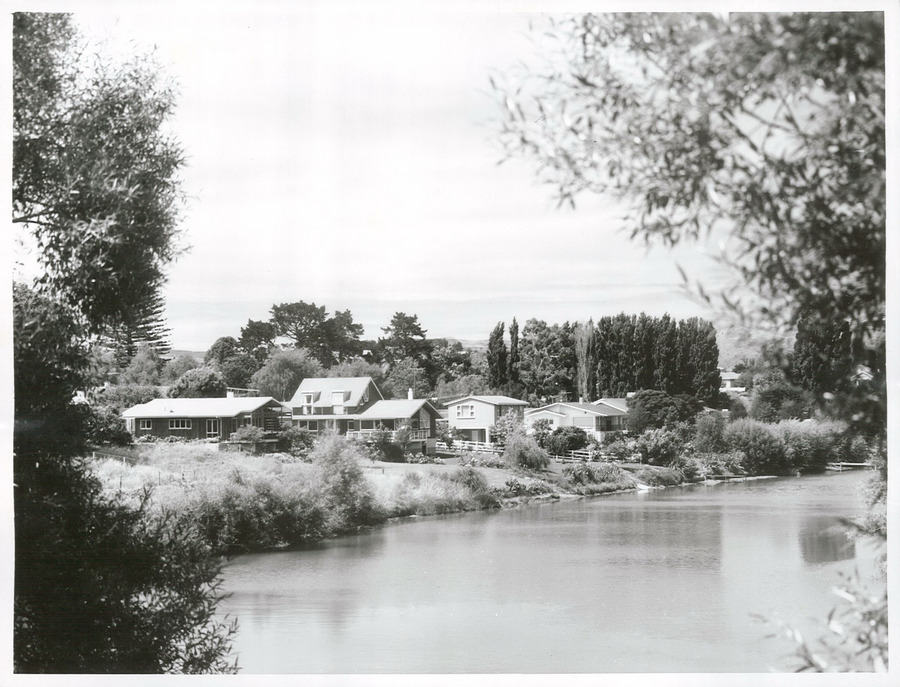
A project to restore the Waimatā River, focusing on ecology and community involvement.
Paying for the first years before a carbon forest earns.
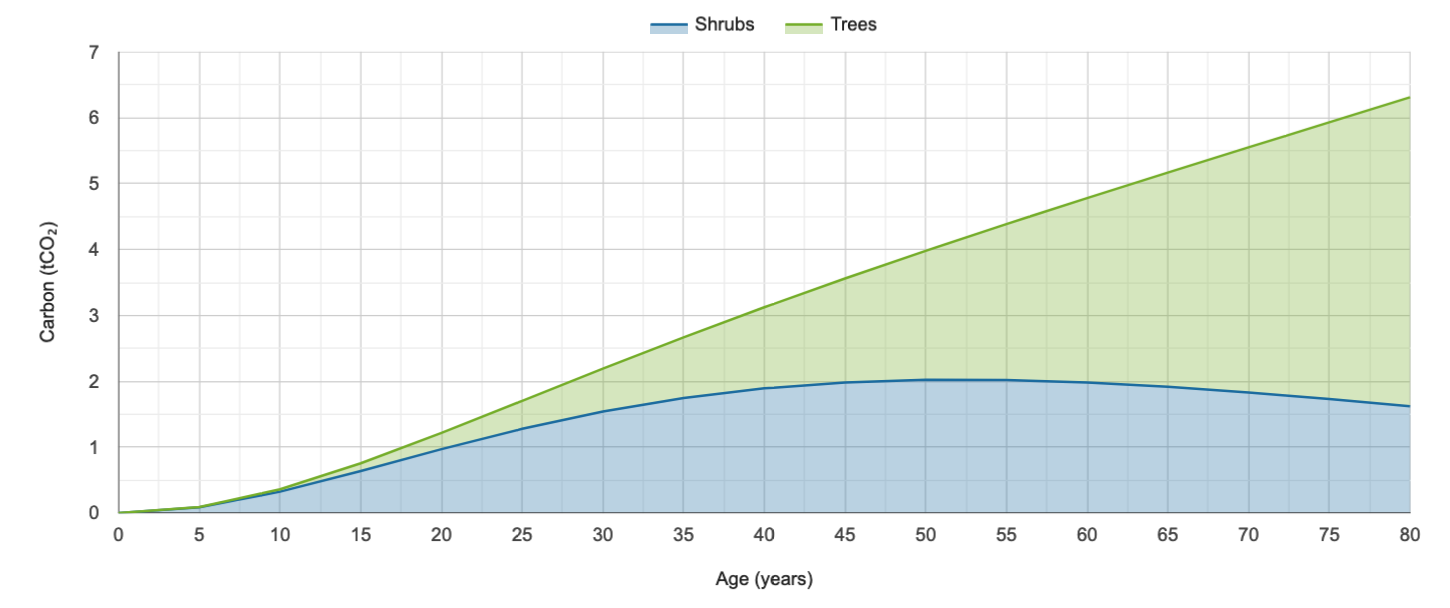
Calculate carbon storage in native forests and find planting needs to offset your footprint.
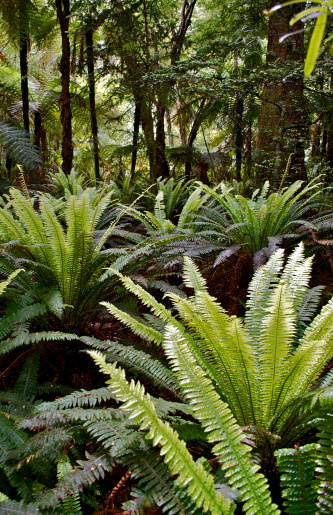
Get a better understandinf of what it takes to transition from exotic forests to natives.
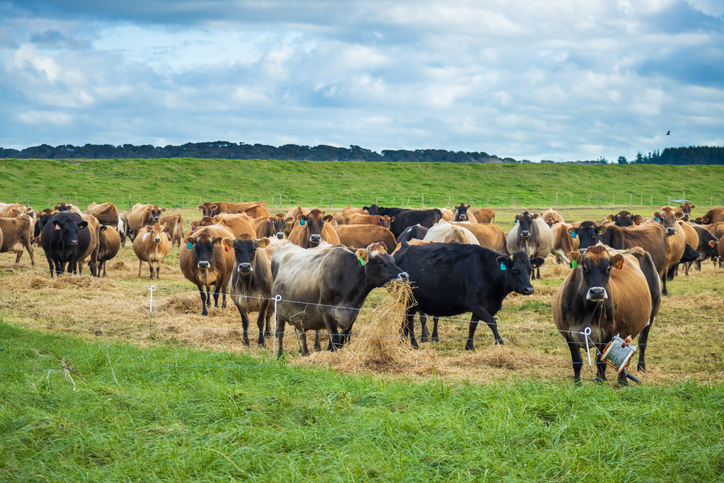
This guide can help you minimise the impact of intensive winter grazing on water quality and animal welfare.
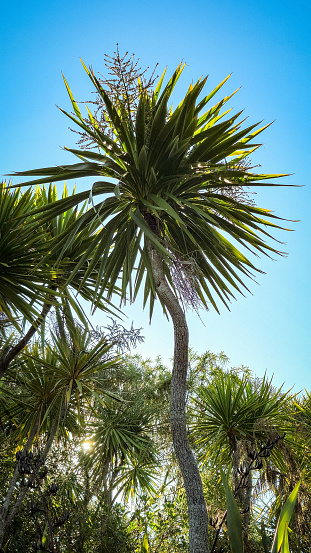
Learn how farms can use trees for carbon credits to boost income while enhancing te Taiao.
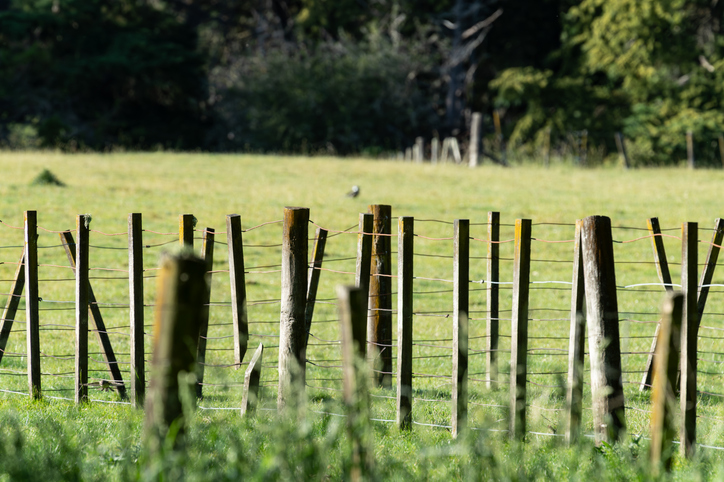
Turn hard-to-graze slopes and riparian strips into an asset rather than a headache.
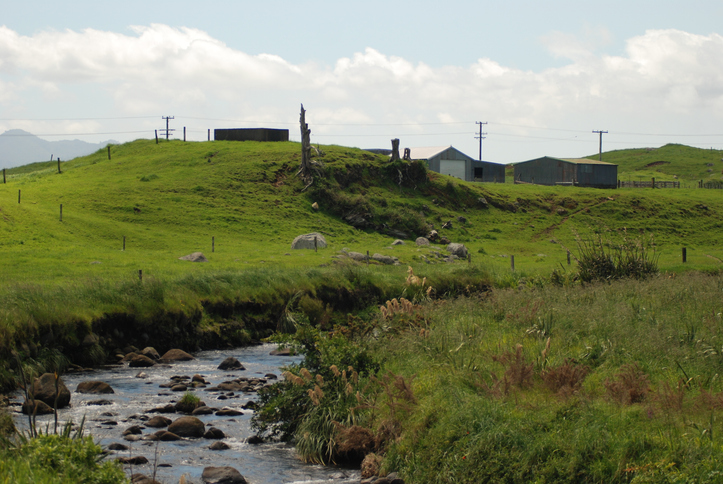
Get funding and advice to help protect and restore rivers on your whenua.

Learn how to manage environmental impacts when harvesting your forests.
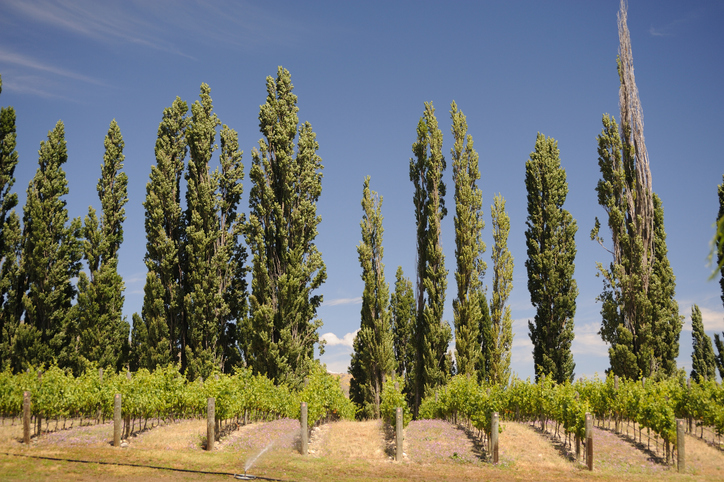
Source willow and poplar poles for erosion control in Hawke's Bay.