Environmental impacts of harvesting forests
Whenua
Erosion
Forestry
Risk
Sustainability
Learn how to manage environmental impacts when harvesting your forests.
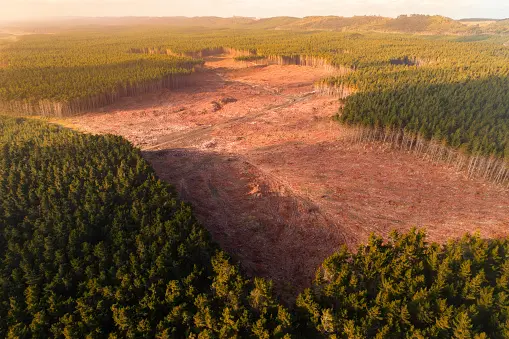
The National Environmental Standards for Commercial Forestry (NES-CF) set clear rules for managing the environmental impacts of commercial forestry. These regulations apply to both plantation forests and carbon forests. They aim to protect the environment while allowing forestry activities to take place. Councils can now control where new forests are planted and ensure that practices like harvesting and earthworks are done safely.
Learn how to manage environmental impacts when harvesting your forests.
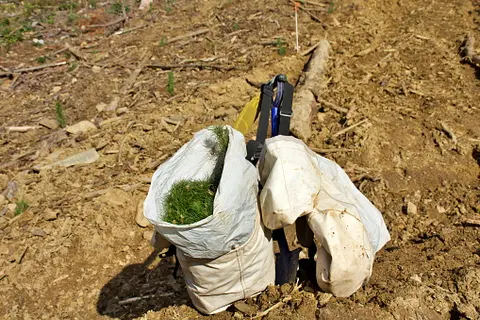
Find out about the resource consents needed for forestry activities in your rohe.
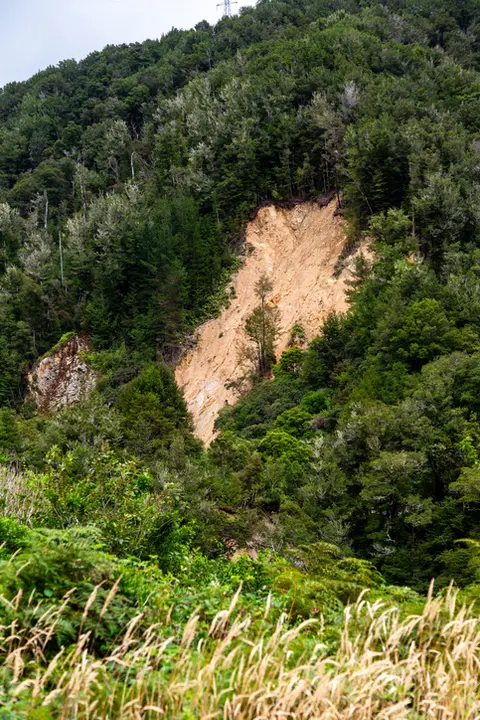
Learn how to control erosion in forestry through careful planning and tree selection.
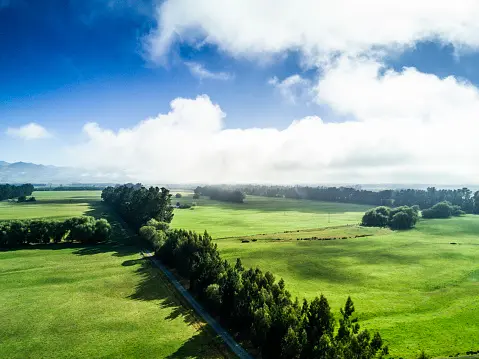
Learn how national planning standards impact iwi/Māori in local resource management.
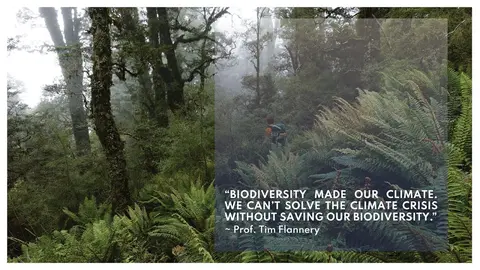
Professor Tim Flannery discusses native forests, carbon capture, and climate solutions in NZ.
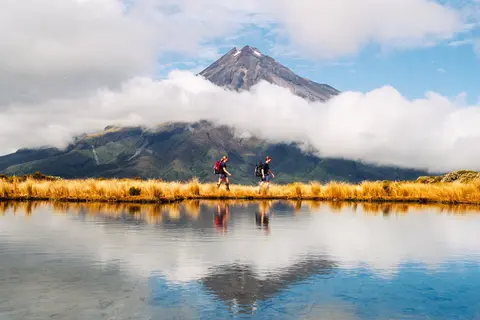
Learn about rules for activities near Taranaki wetlands.
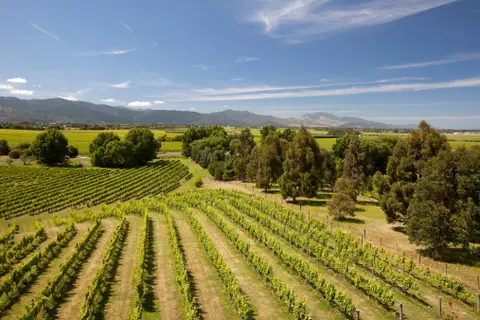
Get guidance about sustainable horticulture practices.
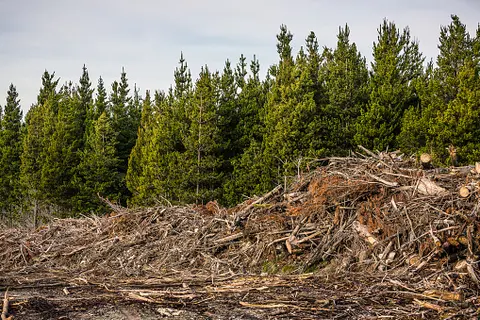
Guides for forest owners to meet environmental laws and best practices.
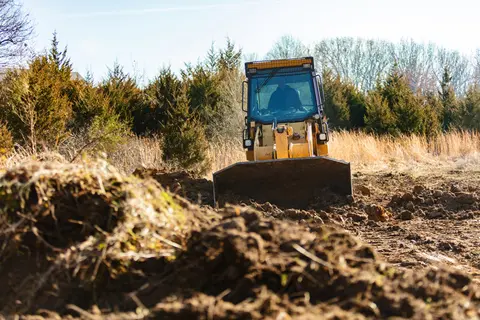
This resource details how to manage the impacts of earthworks on land and water quality, focusing on regulations and best practices.
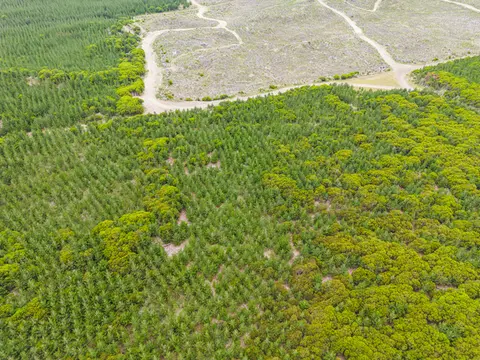
Guidance on creating forest harvest plans, including legal and safety requirements.
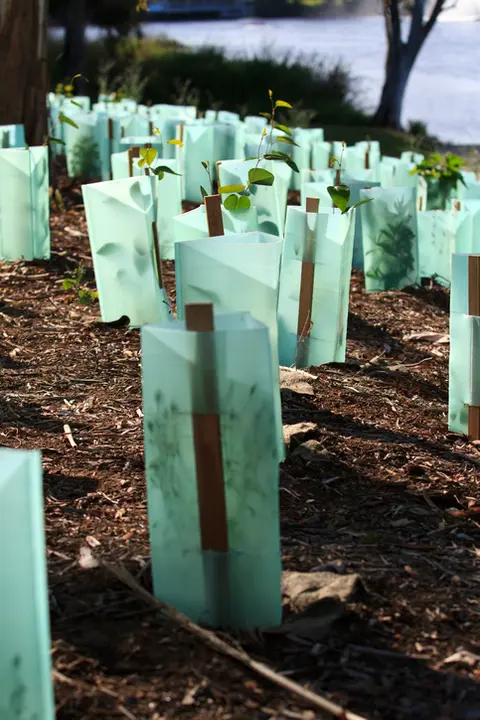
Learn how planting trees on farms can increase your farm's profit and support the environment.
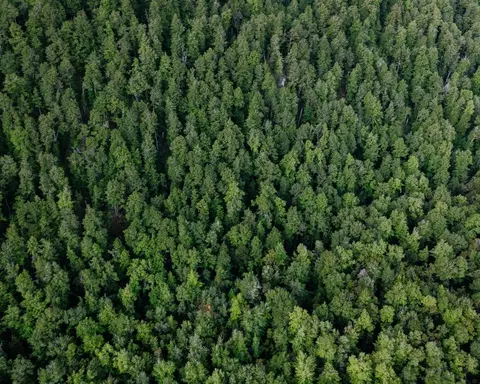
Look up expected carbon stock by forest age for small forests in the ETS.
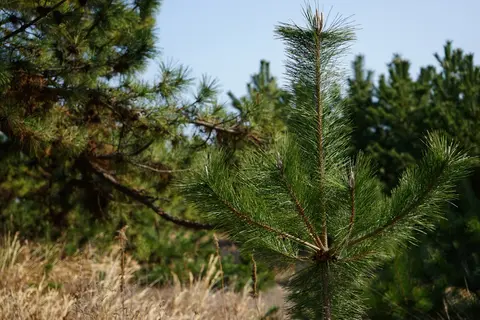
See where Otago's forestry rules are stricter than the national standard.
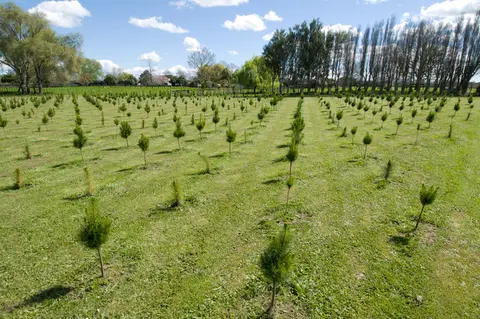
Get free forestry advice to grow trees, manage forests, and understand your responsibilities.
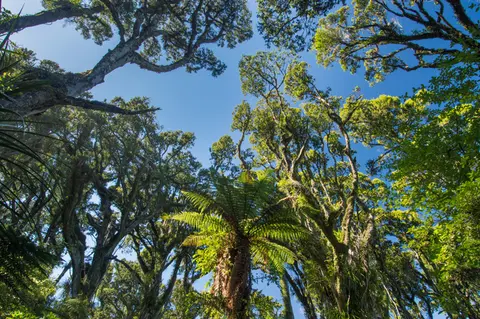
Explore New Zealand's forests, their history, importance, and management efforts.
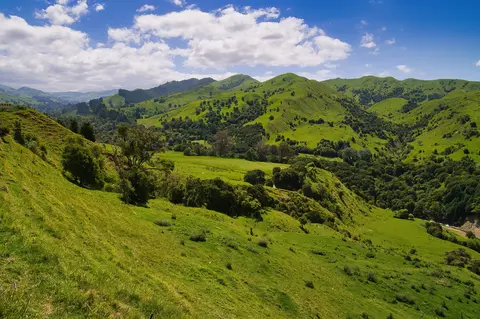
Learn about sustainable Māori forestry and agriculture for climate resilience on the East Coast.
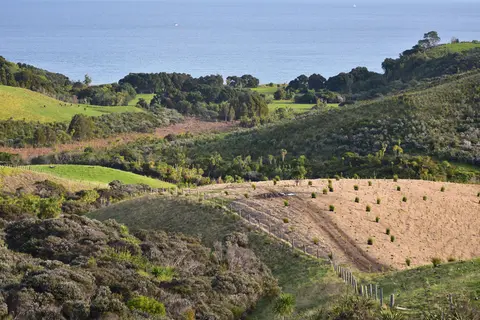
Find out how to convert marginal or depleted agricultural land into native forests for carbon farming.
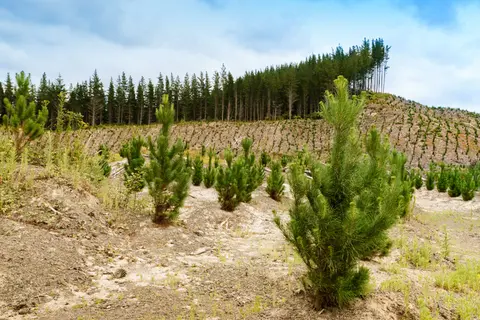
This resource challenges myths about planted forests, especially radiata pine, in New Zealand.
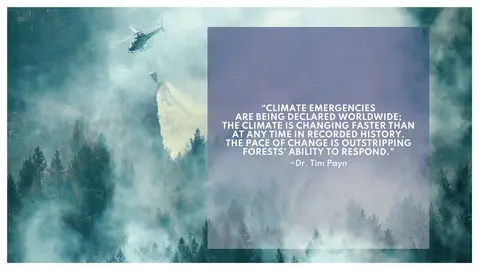
Hear about the effects of climate change on Aotearoa forests and learn strategies for resilience.
Find out about carbon sequestration rates in native forests and planting methods in New Zealand.
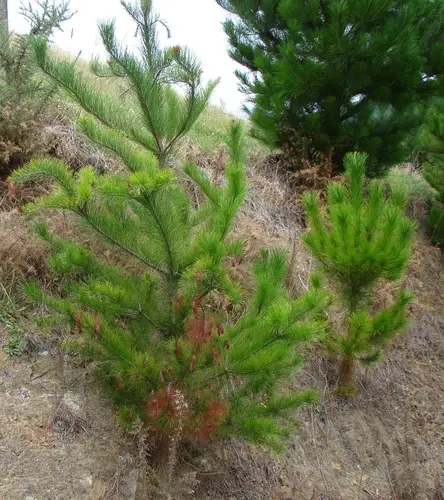
The clash between carbon credits and controlling wilding conifers.

This project explores Māori food traditions and how climate change impacts cultural health.
Explore the potential of managing secondary native forests for timber production