Nelson and Tasman regional climatology
Climate
Adaptation
Farm planning
Resilience
Risk
Water
Discover the sunshine, dry spells and mild temperatures of Whakatū Nelson and Tasman.
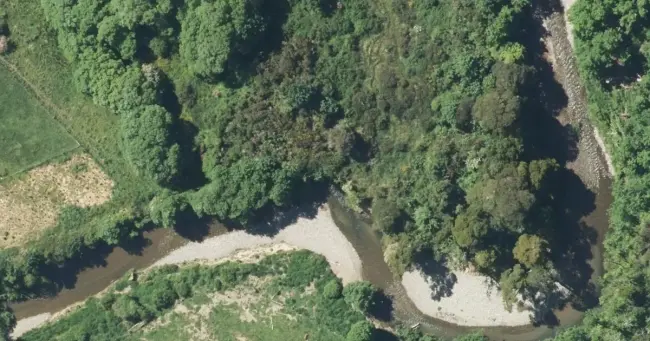
Wakapuaka Mouri is a hands-on restoration project just outside Whakatū (Nelson). Local whānau and landowners are planting over 70,000 native trees and shrubs along river and stream edges (riparian margins) to help improve water quality and bring back native birds and fish.
The crew has already planted 55,000 trees, put up new fences, created access tracks, and set up predator traps. They’re also growing their own plants from seed. Even after a big flood slowed things down, you can now spot young forest growing where paddocks once were.
Photo: LINZ Aerial Basemap licensed for reuse under CC BY 4.0.
Discover the sunshine, dry spells and mild temperatures of Whakatū Nelson and Tasman.
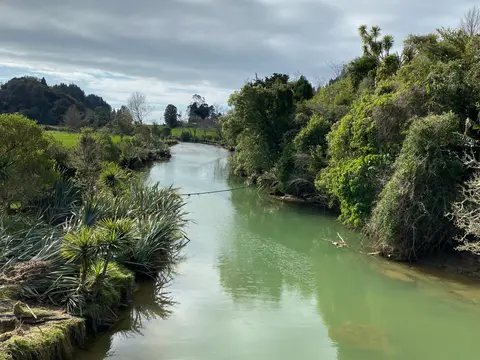
See how land owners and the local community worked together to restore the Motupipi River.
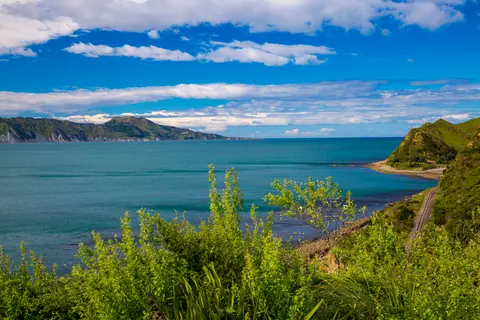
Learn how local groups improved the Whangawehi catchment and river health.
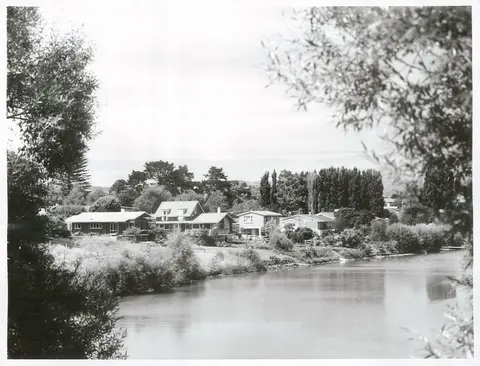
A project to restore the Waimatā River, focusing on ecology and community involvement.
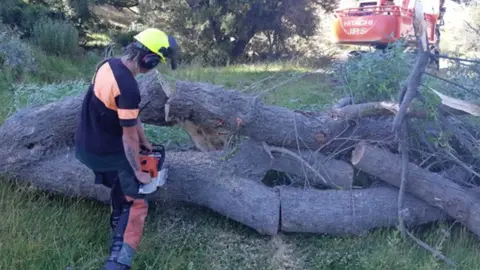
See how over 40 farms have worked together to improve the Wainuioru catchment.
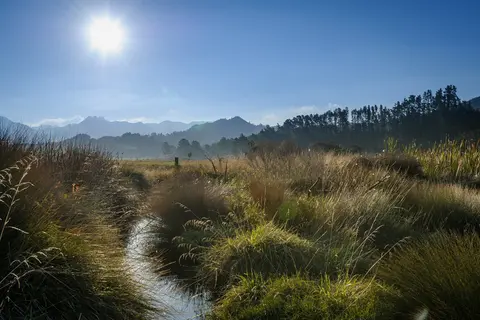
Learn about planting trees along waterways to enhance nature and prevent erosion.
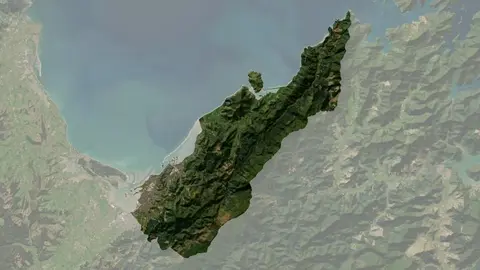
Understand climate event and variability trends for Nelson.
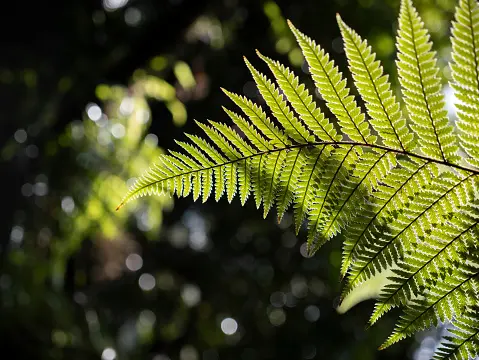
A research project on water-based land use for improving native fish habitats in New Zealand.
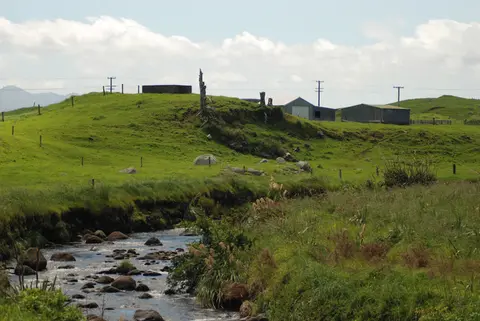
Get funding and advice to help protect and restore rivers on your whenua.
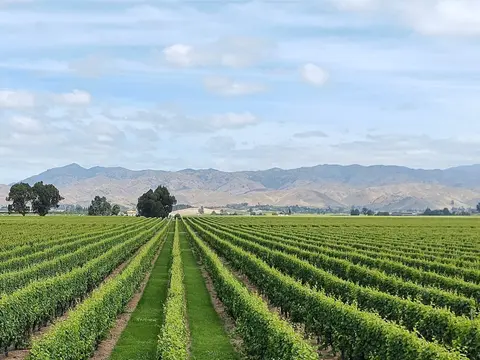
How Tohu Wines is cutting diesel and LPG across its vineyards and winery.
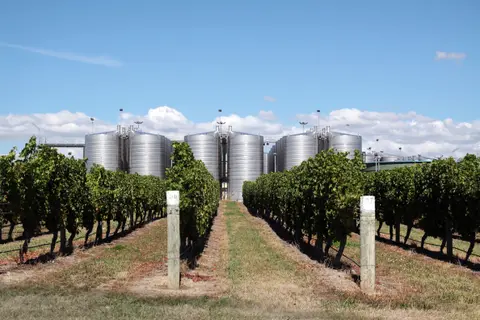
Learn how a small Nelson winery uses a carbon audit to set a baseline for cutting its footprint.
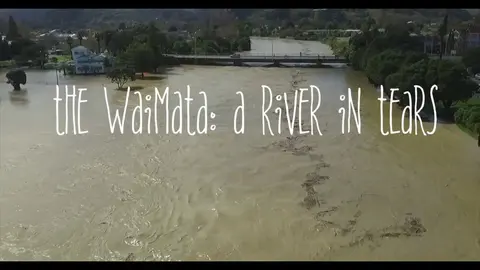
Waimata River faces severe erosion, pollution, and habitat loss from farming and logging.
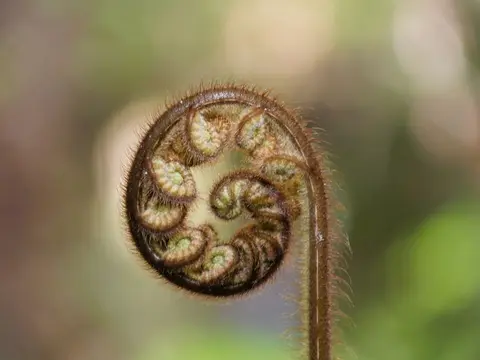
See how seed islands of native trees fared on hill country near Gisborne.
A Hawke's Bay grazing farm that moved to cell grazing and put its steep country into mānuka.
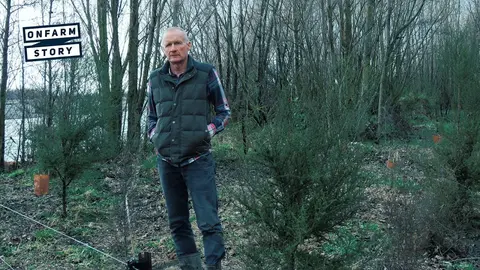
John Faulkner, a dairy farmer, aims to restore the Waiau Uwha River through planting and habitat preservation.
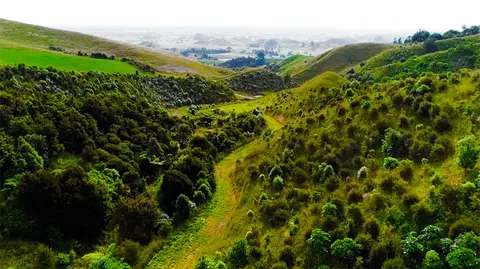
Cassie’s Farm is restoring native forest on their 220-acre drystock farm.
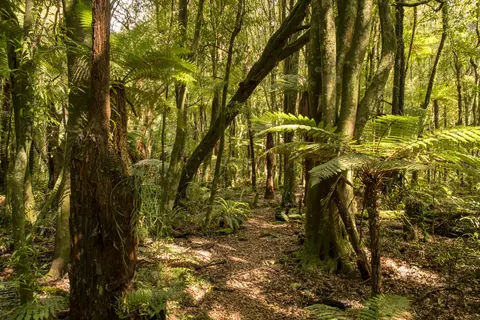
This innovative seed-island project is helping to speed up native forest restoration.
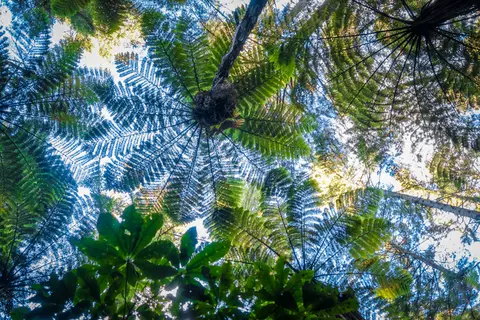
Work out how many plants you'll need for your restoration project, and what it might cost.
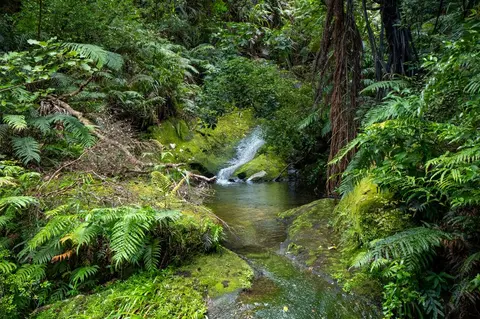
Uncover options for riparian planting, native trees and shelter that boost farm biodiversity.
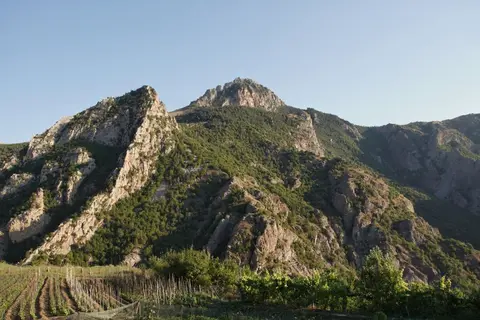
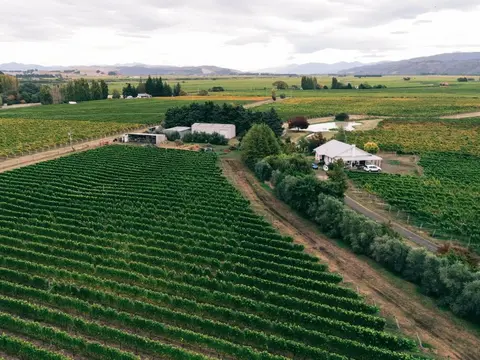
Compare Nelson's two grape growing areas, the Moutere Hills and Waimea Plains, and what each grows.
Learn how Nelson, Marlborough and Tasman industry can switch process heat from coal to biomass and electricity.
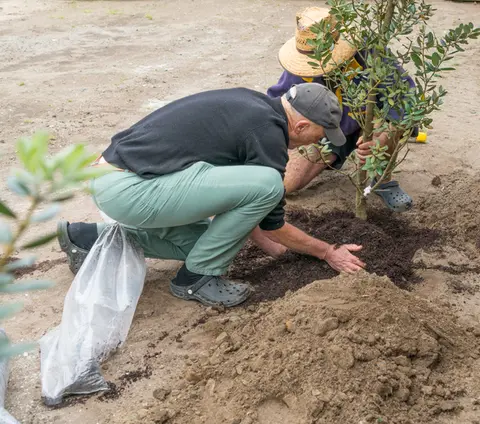
Get free native trees for your planting project, or help by contributing to other projects.
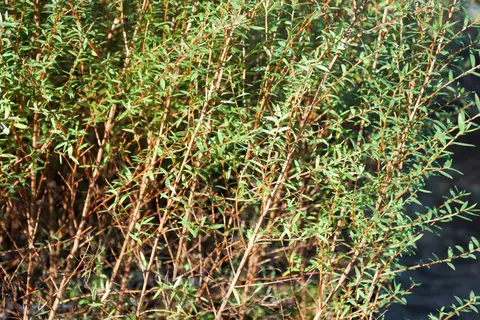
Learn how mānuka planting helped restore a Taihape farm after a devastating landslide.